Carbon Credit Trading Regulations: A Comprehensive Overview
Carbon credit trading has emerged as a crucial mechanism to mitigate climate change by providing a market-based solution to reduce greenhouse gas emissions. The regulations governing carbon credit trading vary across regions, and understanding these rules is essential for companies and individuals looking to participate in this market.
Types of Carbon Markets
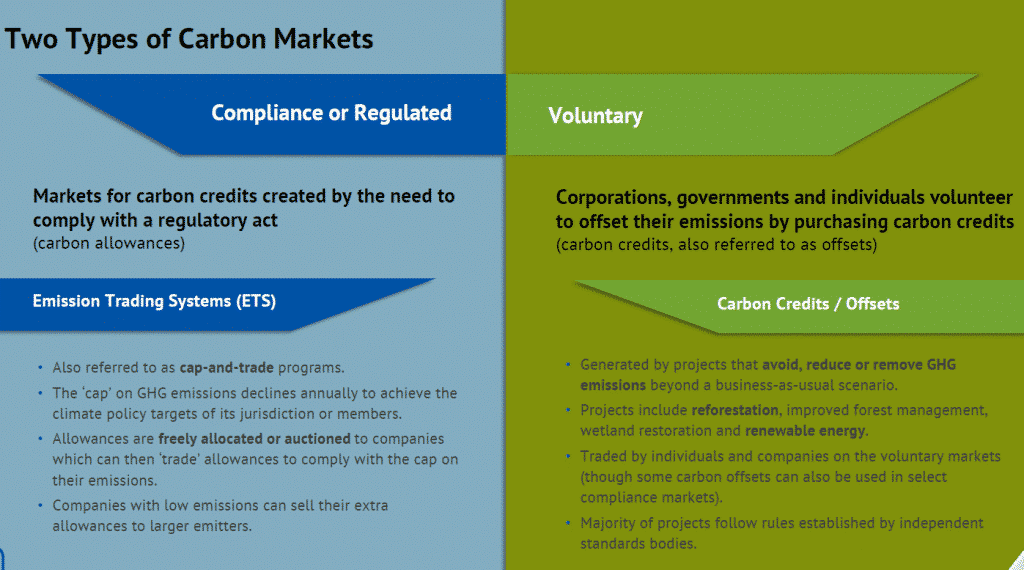
Carbon markets can be classified into two main categories: mandatory (compliance) schemes and voluntary programs. Cap and trade schemes, also known as emissions trading schemes (ETS), typically fall under the mandatory category. These schemes involve government-identified participants based on carbon intensity, sector, or size, and set a limit (cap) on the total amount of certain greenhouse gases that can be emitted.
Mandatory Carbon Markets
Mandatory carbon markets are usually established by governments to support climate change mitigation objectives. These schemes involve the creation of a carbon market where companies can buy and sell carbon credits. The most common type of mandatory carbon market is the cap-and-trade system, which sets a limit on the total amount of greenhouse gases that can be emitted by companies.
Voluntary Carbon Markets
Voluntary carbon markets, on the other hand, involve the buying and selling of carbon credits outside of a regulatory framework. These markets are driven by voluntary agreements between companies and investors to reduce greenhouse gas emissions. Voluntary carbon markets can be used to achieve sustainability goals, improve brand reputation, and reduce costs associated with carbon pricing.
Regulatory Framework for Carbon Credit Trading
The regulatory framework for carbon credit trading is complex and evolving. Governments and regulatory bodies have implemented various rules and guidelines to ensure the integrity and transparency of carbon markets. The Commodity Futures Trading Commission (CFTC) in the United States, for example, has approved final guidance regarding the listing for trading of voluntary carbon credit derivative contracts.
Key Regulations
Some key regulations governing carbon credit trading include:

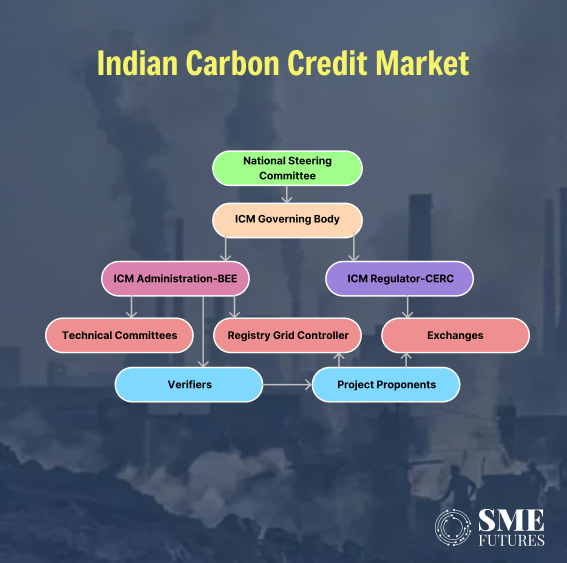
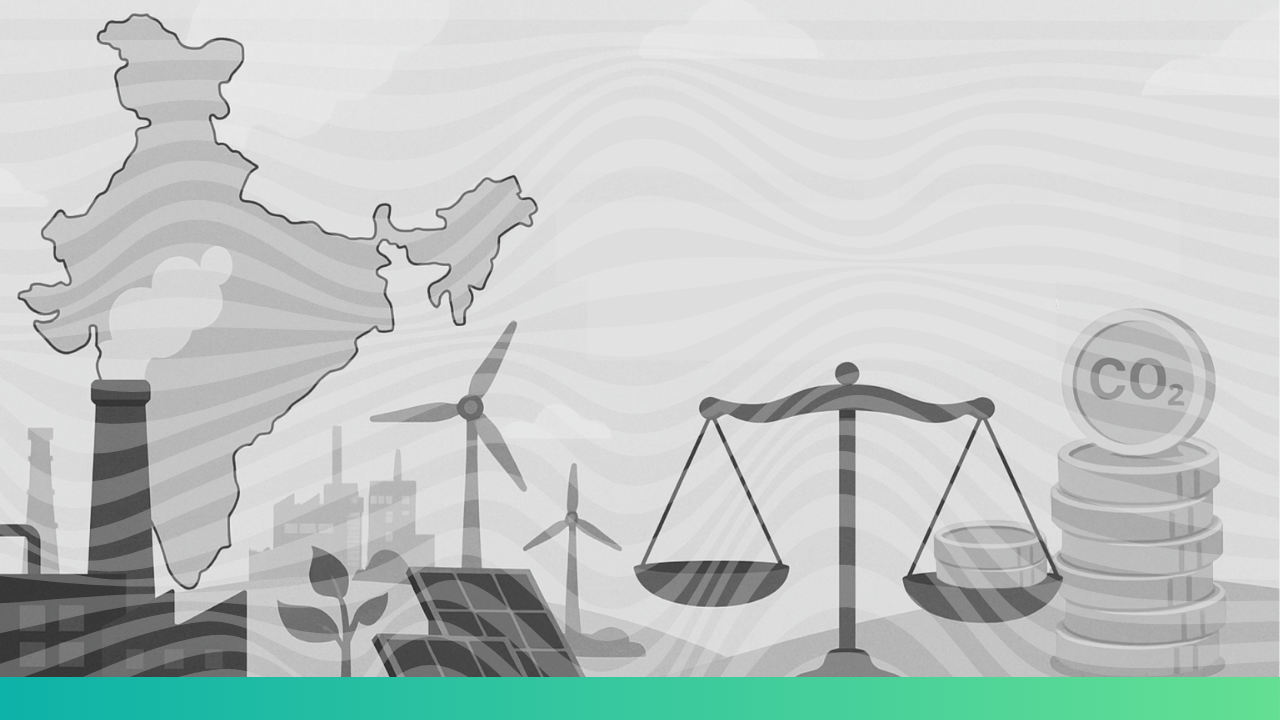
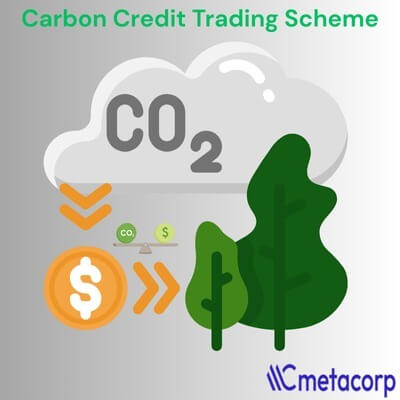
- The Carbon Credit Trading Scheme (CCTS) in India, which proposes a framework for the purchase and sale of carbon credit certificates.
- The Central Electricity Regulatory Commission (CERC) regulations in India, which establish a framework for carbon credit trading in the country.
- The EU's Emissions Trading System (EU ETS), which is a cap-and-trade system that sets a limit on the total amount of greenhouse gases that can be emitted by companies.
Impact of Regulations on Carbon Credit Trading
The regulatory framework for carbon credit trading has a significant impact on the market. Stricter regulations can increase the cost of carbon credits, making it more challenging for companies to participate in the market. On the other hand, transparent and well-designed regulations can enhance the credibility and liquidity of carbon markets, making it easier for companies to buy and sell carbon credits.
Emerging Trends in Carbon Credit Trading
The carbon credit trading market is evolving rapidly, with emerging trends including the use of blockchain technology to enhance transparency and efficiency, the growth of voluntary carbon markets, and the increasing importance of carbon pricing.
Blockchain Technology
Blockchain technology has the potential to revolutionize the carbon credit trading market by providing a secure, transparent, and efficient way to buy and sell carbon credits. This technology can help to reduce the administrative burden associated with carbon credit trading and increase the credibility of carbon markets.
Voluntary Carbon Markets
Voluntary carbon markets are growing rapidly, driven by companies and investors looking to achieve sustainability goals and reduce costs associated with carbon pricing. These markets can be used to support the development of renewable energy projects and improve energy efficiency.
Carbon Pricing
Carbon pricing is becoming increasingly important in the fight against climate change. Governments and regulatory bodies are implementing carbon pricing mechanisms to encourage companies to reduce their greenhouse gas emissions. Carbon pricing can take various forms, including carbon taxes, cap-and-trade systems, and carbon credits.