Clinical Trials GLP-1 and Protein Intake: A Comprehensive Review
Introduction
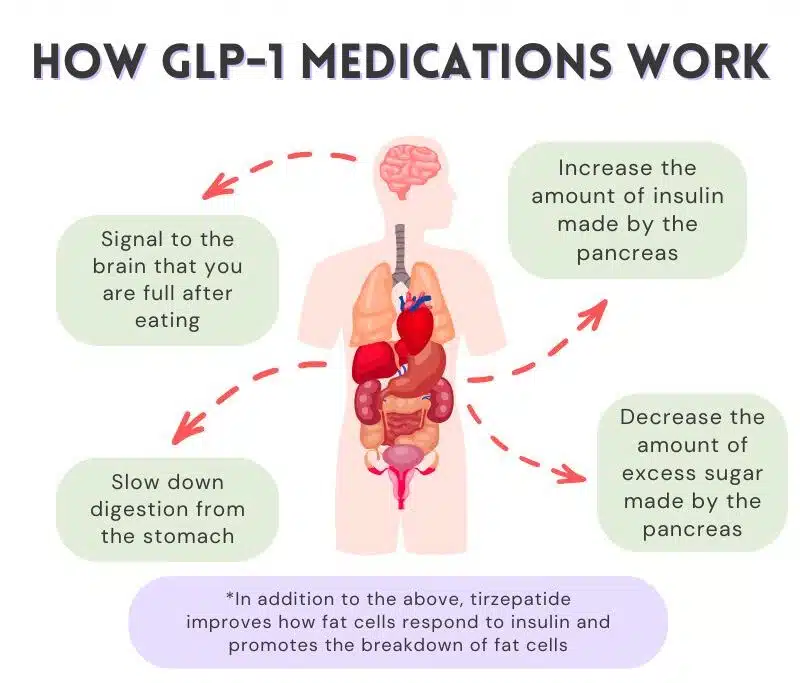
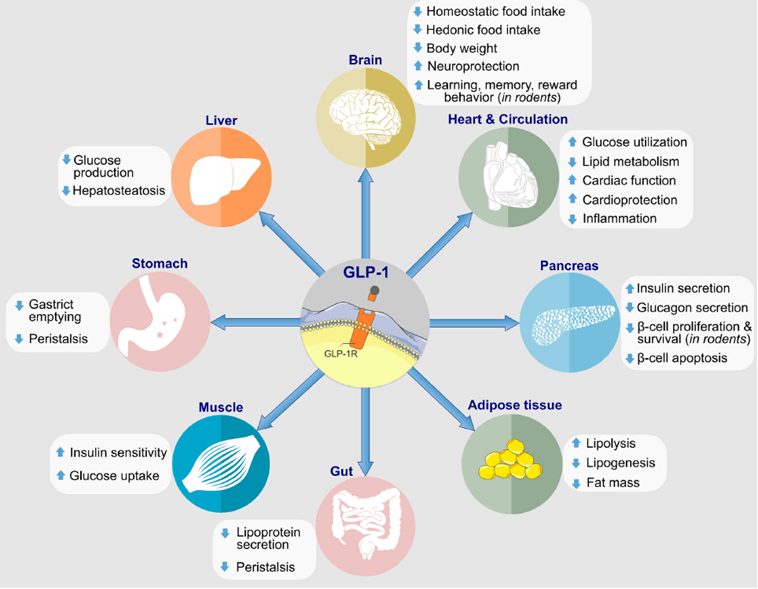
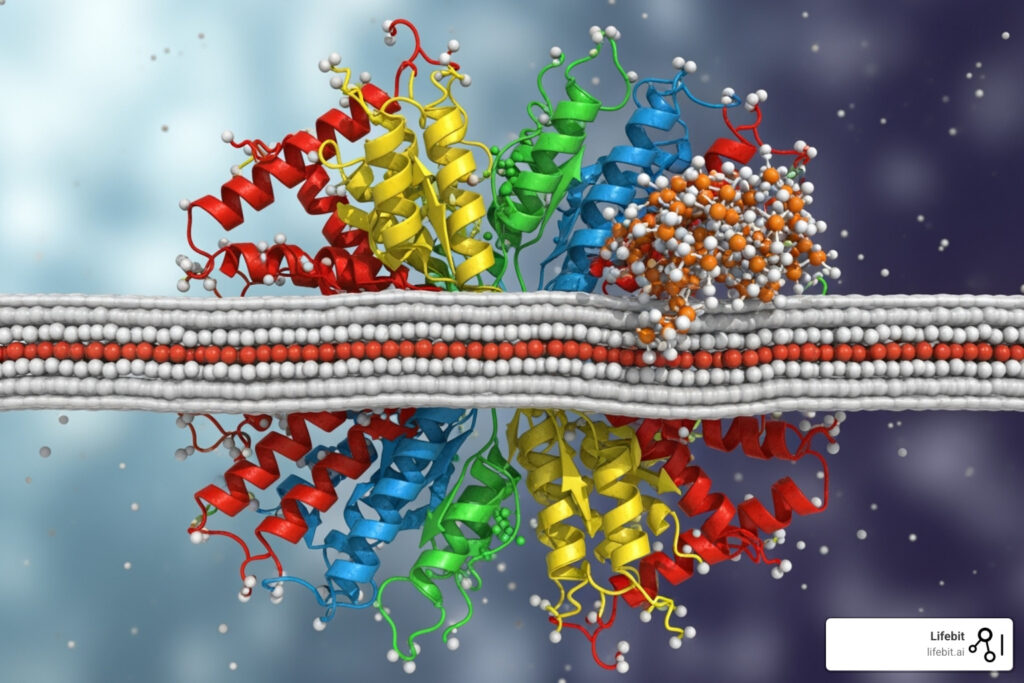
The glucagon-like peptide-1 (GLP-1) receptor agonist (GLP-1RA) medications have revolutionized the treatment of obesity and type 2 diabetes. However, there is a lack of understanding about the optimal nutrient intake while using these medications. This review aims to summarize the current knowledge on clinical trials investigating the relationship between GLP-1 and protein intake.What is GLP-1?
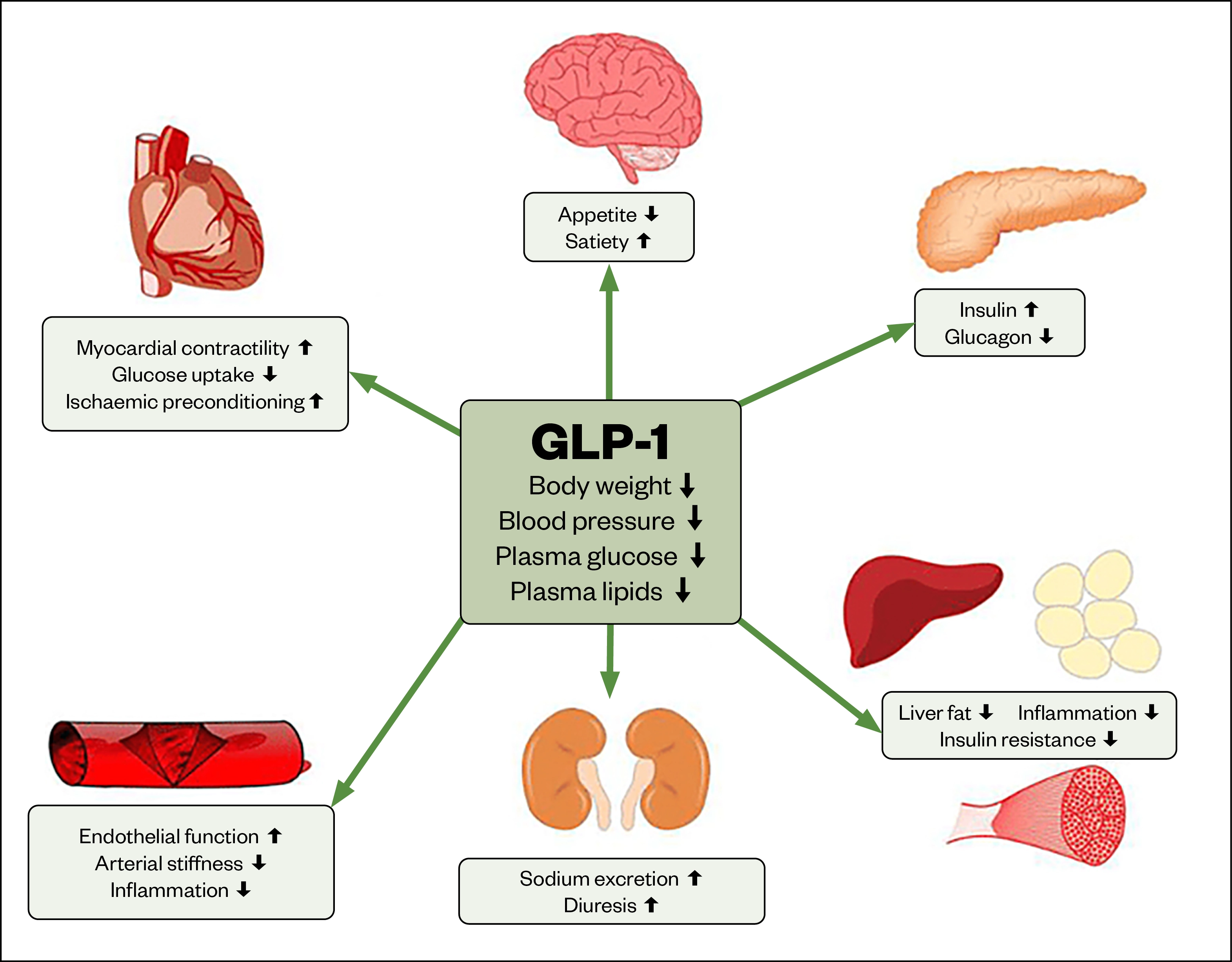
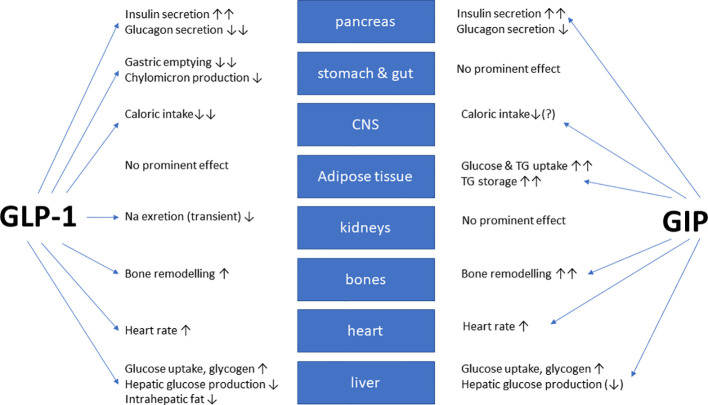
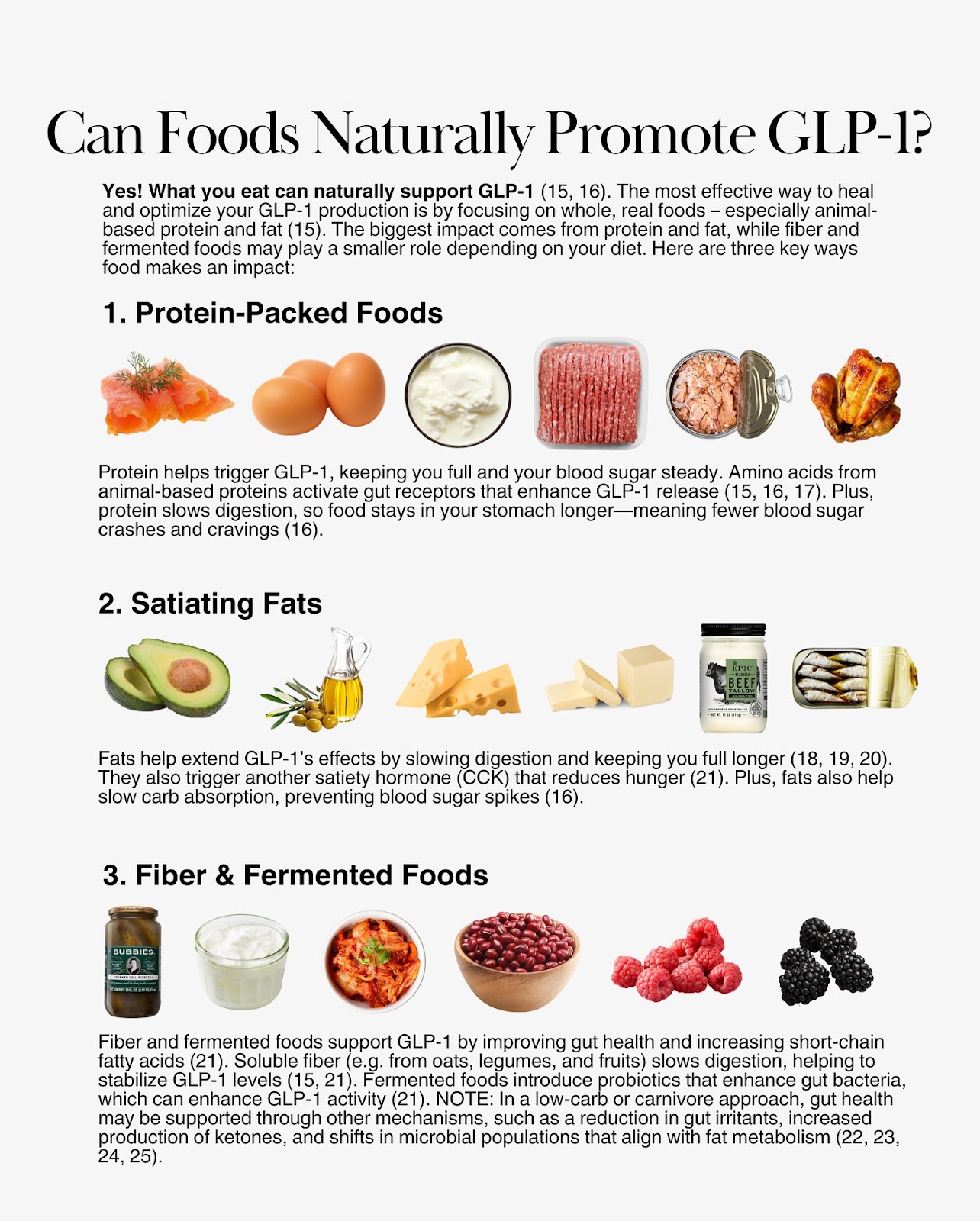
GLP-1 is an enterohormone produced by the intestinal cells that plays a crucial role in glucose homeostasis and food intake regulation. It is secreted in response to nutrients, such as glucose, fat, and amino acids.Clinical Trials and Protein Intake
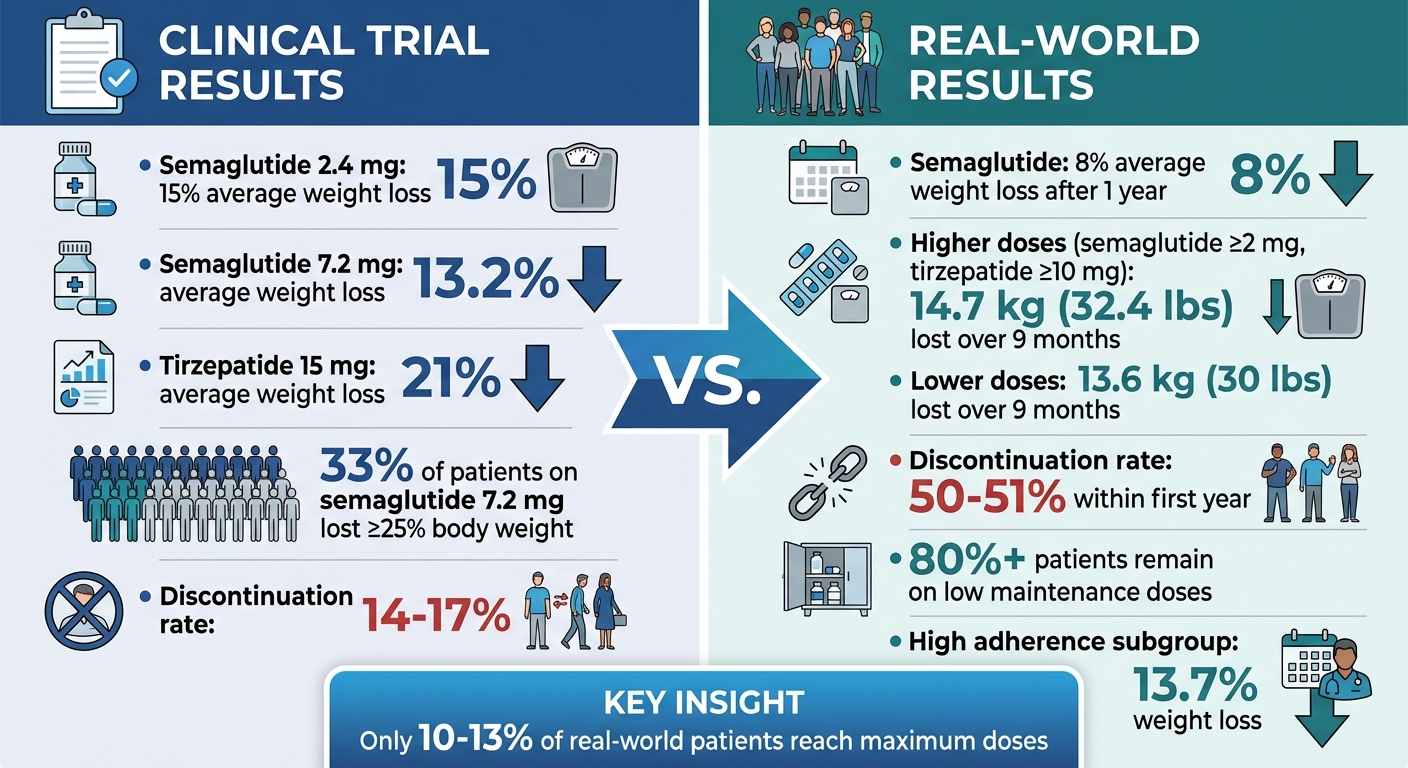
Several clinical trials have investigated the effect of GLP-1RA medications on nutrient intake. A study published in the Journal of Clinical Endocrinology and Metabolism found that total caloric intake was reduced by 16-39% in participants using GLP-1RA medications. However, few studies evaluated the actual composition of the diet.Protein Intake and GLP-1 Secretion
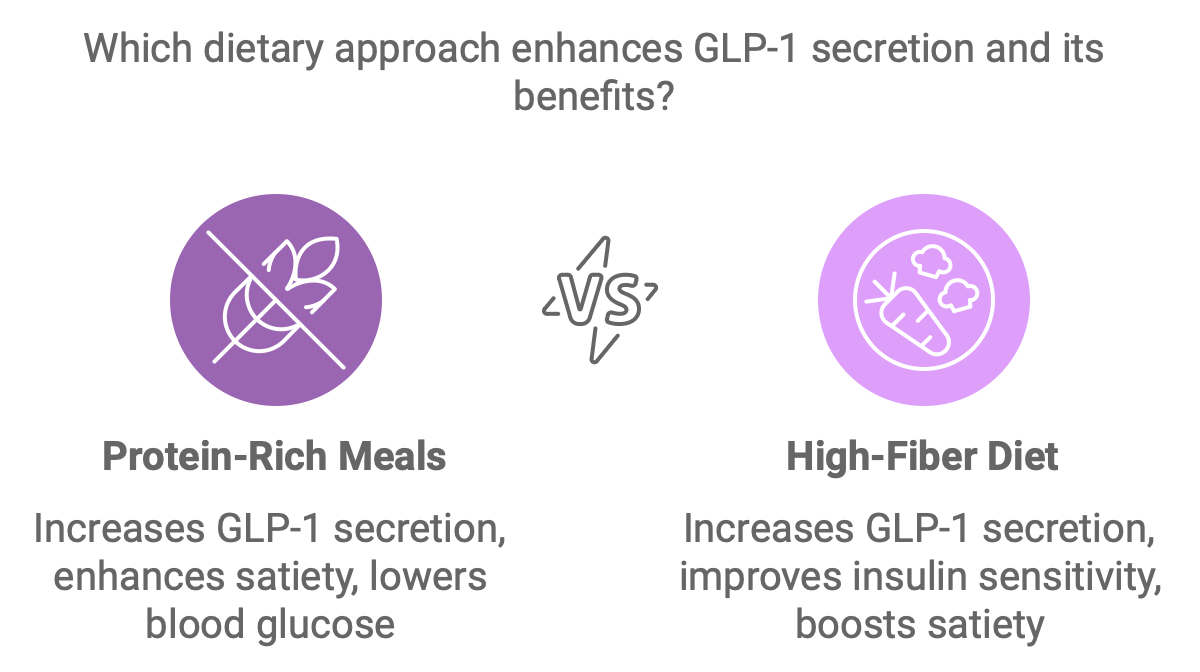
The relationship between protein intake and GLP-1 secretion is a topic of ongoing research. A study published in the American Journal of Physiology-Endocrinology and Metabolism found that protein intake increased GLP-1 secretion, suggesting that consuming sufficient protein may be beneficial for individuals using GLP-1RA medications.Importance of Protein Intake
The importance of maintaining adequate protein intake while using GLP-1RA medications cannot be overemphasized. A study published in the Journal of Clinical Endocrinology and Metabolism found that low protein intake was common among patients using GLP-1RA medications, leading to an increased risk of muscle loss and sarcopenia.Pharmacologic-Induced Caloric Restriction

Consequences of Low Protein Intake
The consequences of low protein intake while using GLP-1RA medications are multifaceted, including reduced muscle mass, decreased strength, and impaired overall health. A study published in the Journal of the American College of Nutrition found that patients who lost more than 20% of their body weight while using GLP-1RA medications were at higher risk for hair shedding.Recommendations for Protein Intake
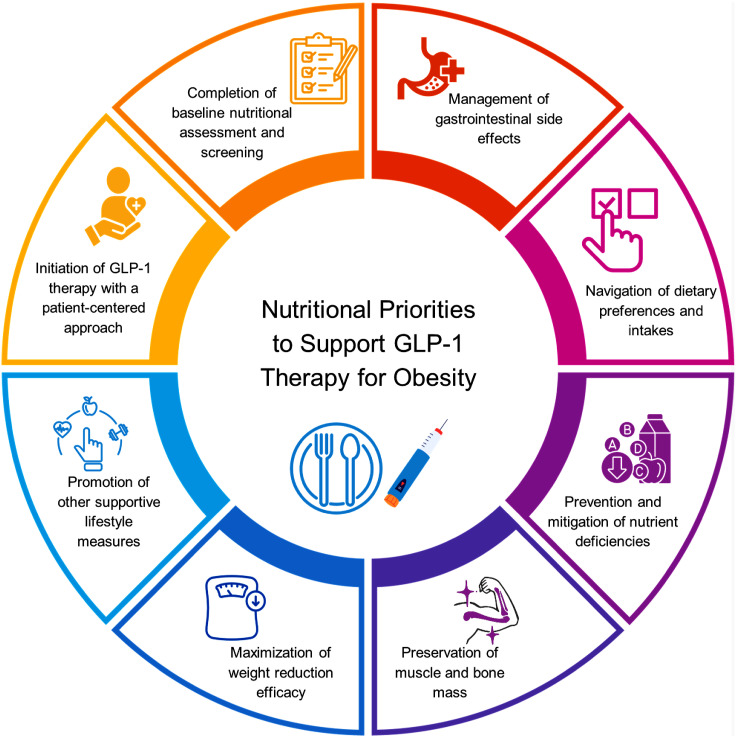
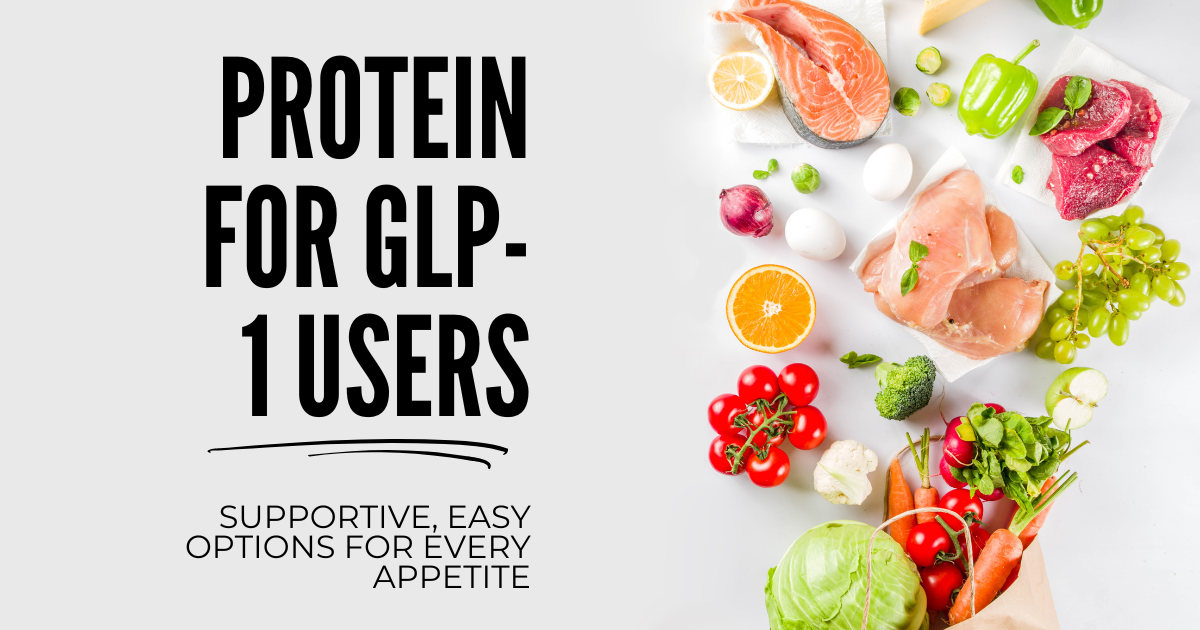
To minimize the risk of muscle loss and sarcopenia, individuals using GLP-1RA medications are advised to prioritize high-quality protein sources, such as animal, dairy, and soy products. Distributing protein intake evenly throughout the day can also help maximize protein synthesis.Conclusion
In conclusion, the relationship between GLP-1RA medications and protein intake is complex and multifaceted. Maintaining adequate protein intake is crucial to minimize the risk of muscle loss and sarcopenia while using GLP-1RA medications. Clinical trials have shown that combining high-quality protein sources with moderate caloric intake and resistance exercise can improve weight loss and overall health outcomes.References
1. Journal of Clinical Endocrinology and Metabolism, 2022. 2. American Journal of Physiology-Endocrinology and Metabolism, 2020. 3. Journal of Clinical Endocrinology and Metabolism, 2019. 4. Journal of the American College of Nutrition, 2020. 5. Clinical Trials, 2025.- For optimal results, patients should consume high-quality protein sources, such as animal, dairy, and soy products.
- Protein intake should be distributed evenly throughout the day to maximize protein synthesis.
- Patients should prioritize nutrient-dense foods, including fruits, vegetables, whole grains, and healthy fats.
- Resistance exercise and moderate caloric intake can improve weight loss and overall health outcomes.