Unlock the Power of Competitor Brand Analysis: A Comprehensive Guide
In today's fast-paced business landscape, staying ahead of the competition is crucial for success. One of the most effective ways to achieve this is by conducting a Competitor Brand Analysis. This process involves evaluating your competitors' strengths, weaknesses, and market positioning to identify opportunities for growth and improvement. In this article, we'll delve into the world of Competitor Brand Analysis, exploring its importance, benefits, and steps to perform it.What is Competitor Brand Analysis?
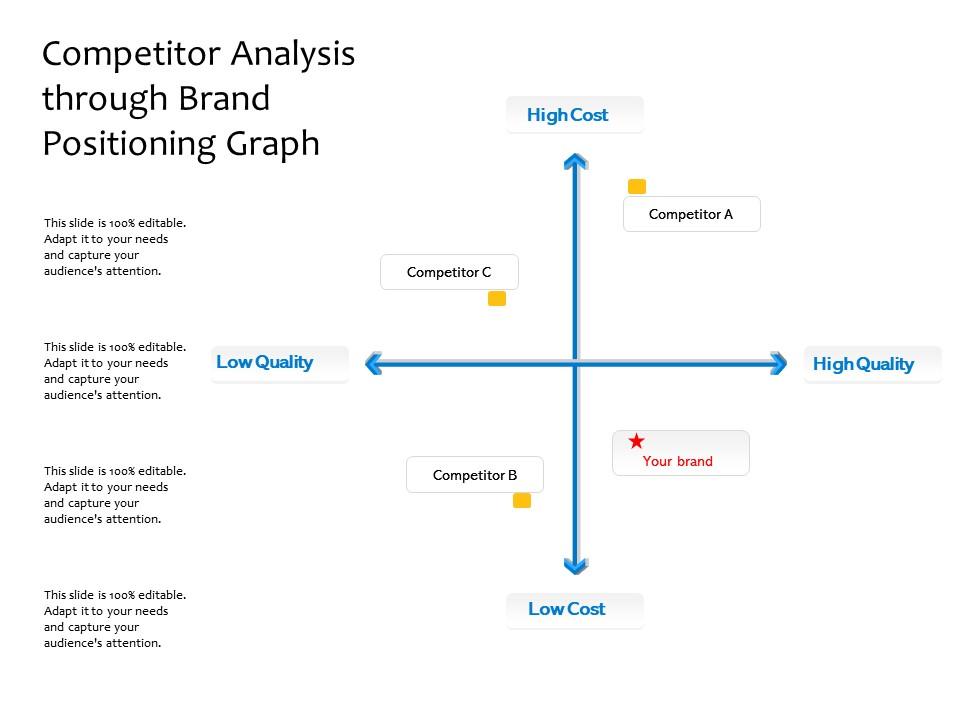
A Competitor Brand Analysis is a comprehensive examination of your competitors' branding, including their products, marketing strategies, and target audience. This analysis helps you identify gaps left by your competitors, allowing you to position your brand effectively and stay ahead of the competition.Why is Competitor Brand Analysis Important?
Competitor Brand Analysis is essential for any business looking to stay competitive in the market. By analyzing your competitors' strengths and weaknesses, you can: * Identify opportunities for growth and improvement * Develop a unique value proposition that differentiates your brand from competitors * Inform your marketing strategy and improve your brand's positioning * Stay ahead of the competition and adapt to changing market trendsSteps to Perform Competitor Brand Analysis
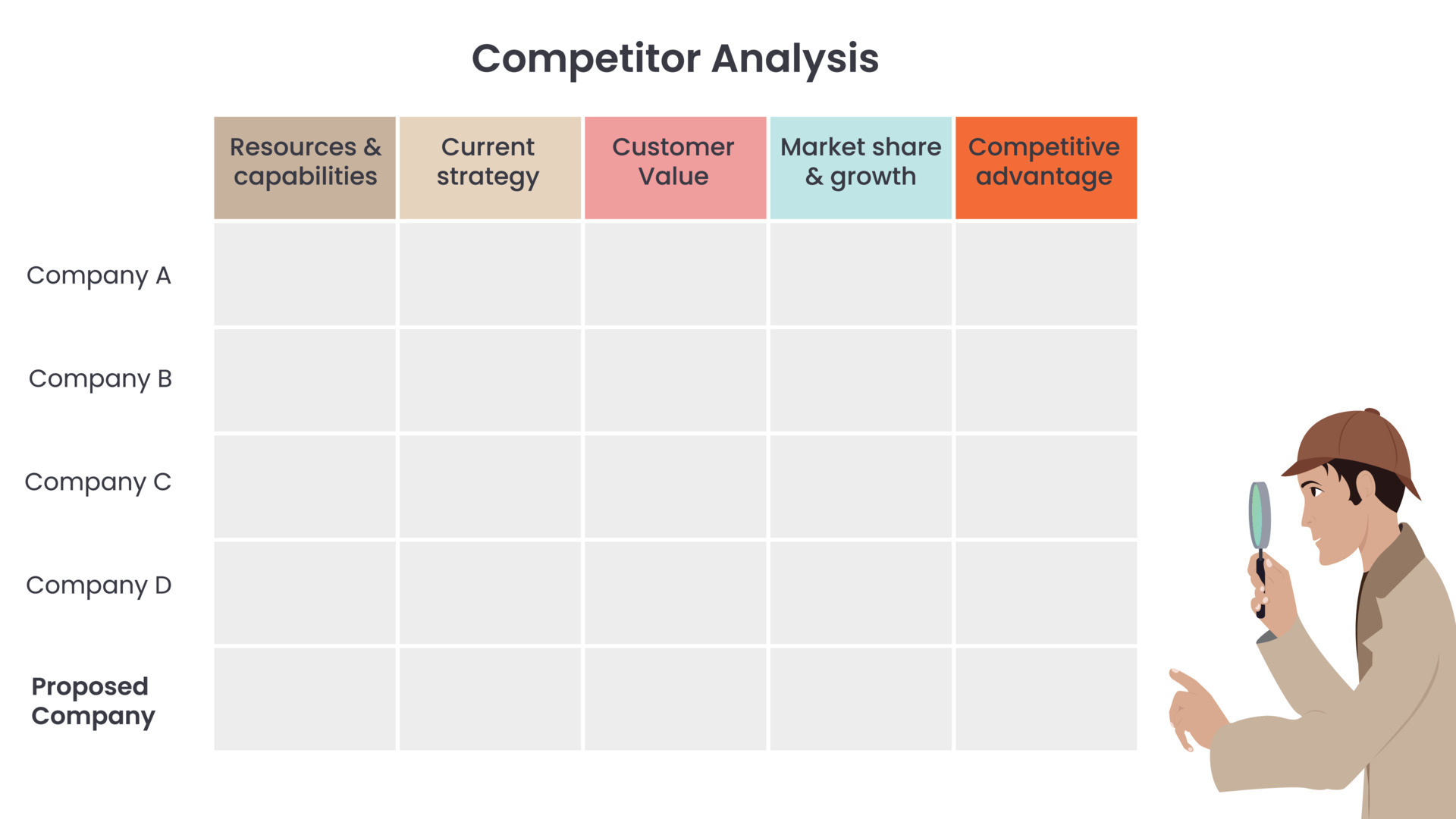
Performing a Competitor Brand Analysis involves several steps:- Identify Competitors: Research and identify your direct and indirect competitors using tools like Google Trends, social media, and market research reports.
- Analyze Competitors' Structures: Evaluate your competitors' organizational structure, including their leadership, departments, and management systems.
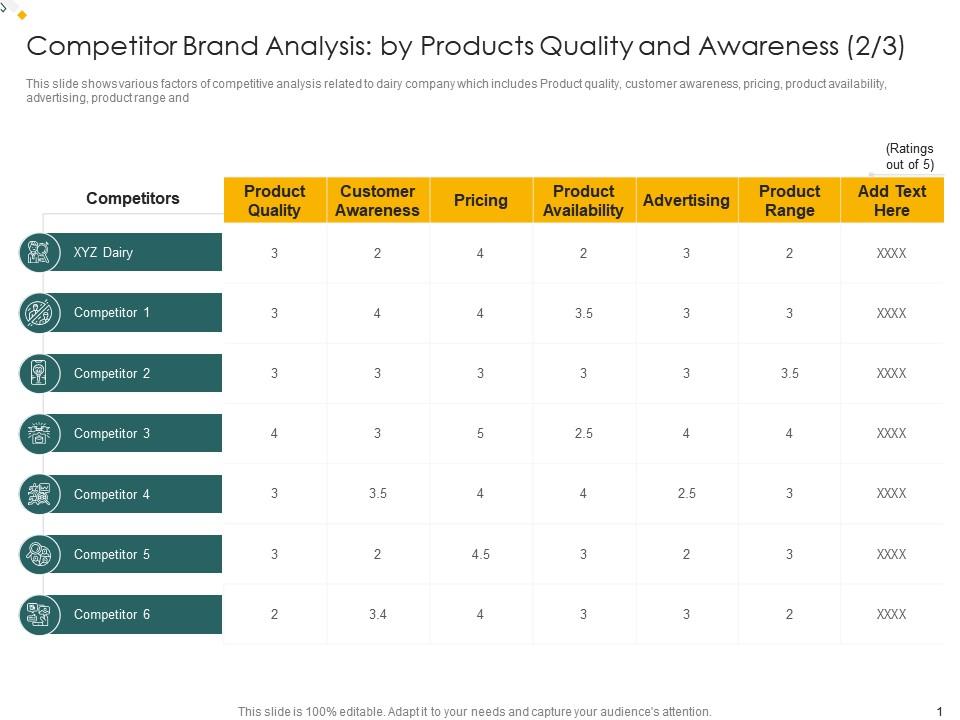
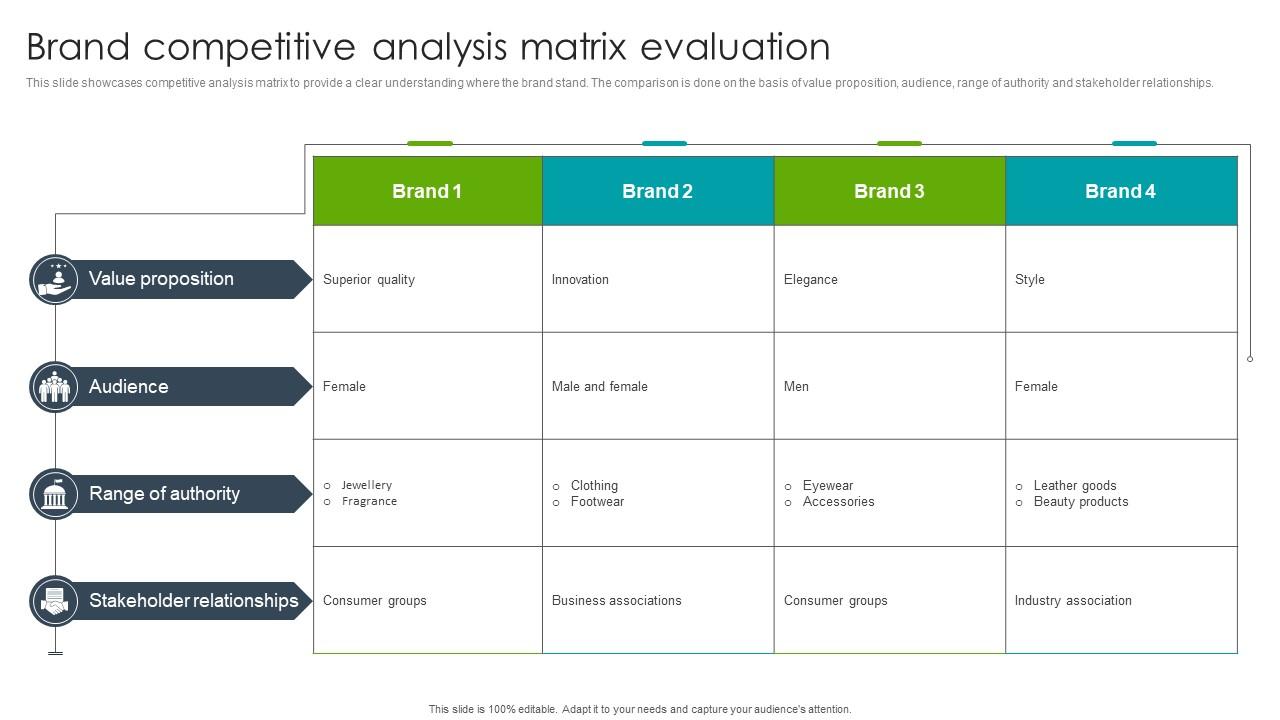
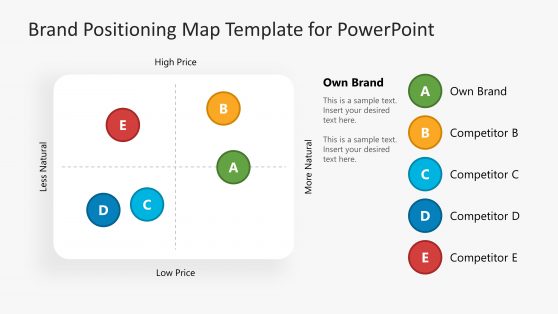
- Evaluate Competitors' Value Propositions: Analyze your competitors' products, services, and pricing strategies to understand their value propositions and how they differ from yours.
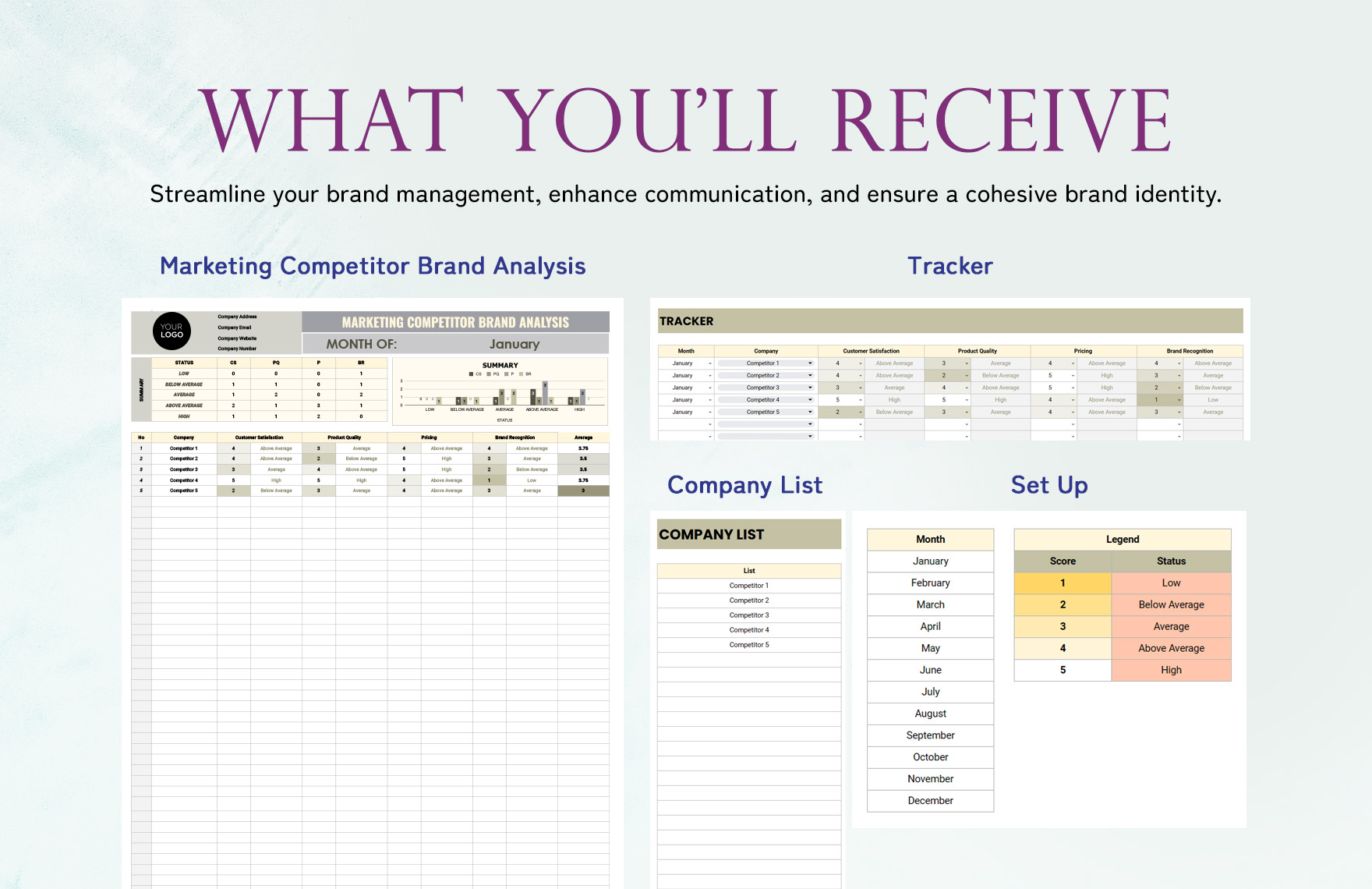
- Assess Competitors' Marketing Efforts: Evaluate your competitors' marketing strategies, including their advertising, social media, and content marketing efforts.
- Examine Competitors' Brand Identities: Analyze your competitors' brand identities, including their logos, taglines, and overall brand image.
- Conduct Customer Journey Analysis: Evaluate your competitors' customer journey, including their customer acquisition, engagement, and retention strategies.
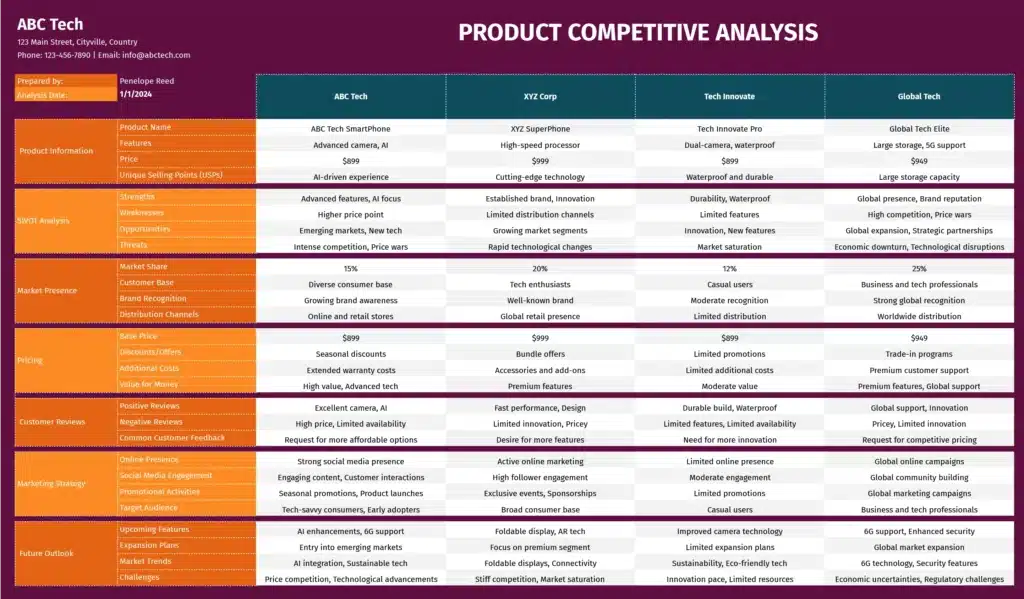
- SWOT Analysis: Perform a SWOT analysis to identify your competitors' strengths, weaknesses, opportunities, and threats.
- Draw Insights and Recommendations: Based on your analysis, draw insights and recommendations for your business to improve its competitiveness and stay ahead of the competition.