Identifying and Repairing a Cracked House Foundation
Finding cracks in your home's foundation can be unsettling, but not all foundation cracks are a cause for concern. However, it's essential to know when a crack requires immediate attention and when it can be left to a professional to evaluate and repair. In this article, we'll explore the causes of foundation cracks, how to identify them, and the DIY and professional steps for repairing a cracked house foundation.
Causes of Foundation Cracks
Foundation cracks can occur due to various reasons, including:
- Settling of the foundation over time
- Soil movement and water absorption
- Shrinkage and expansion of the concrete
- Poor construction or foundation installation
- Age and deterioration of the foundation
Identifying Foundation Cracks
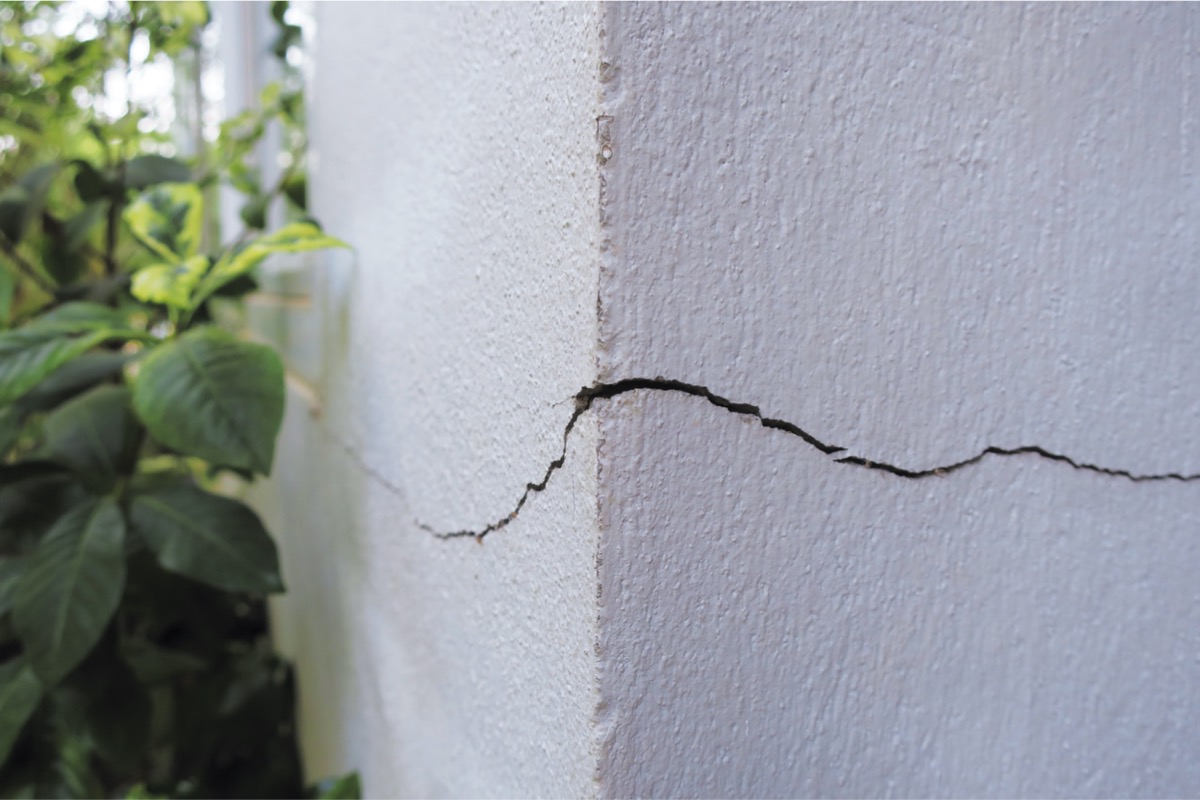
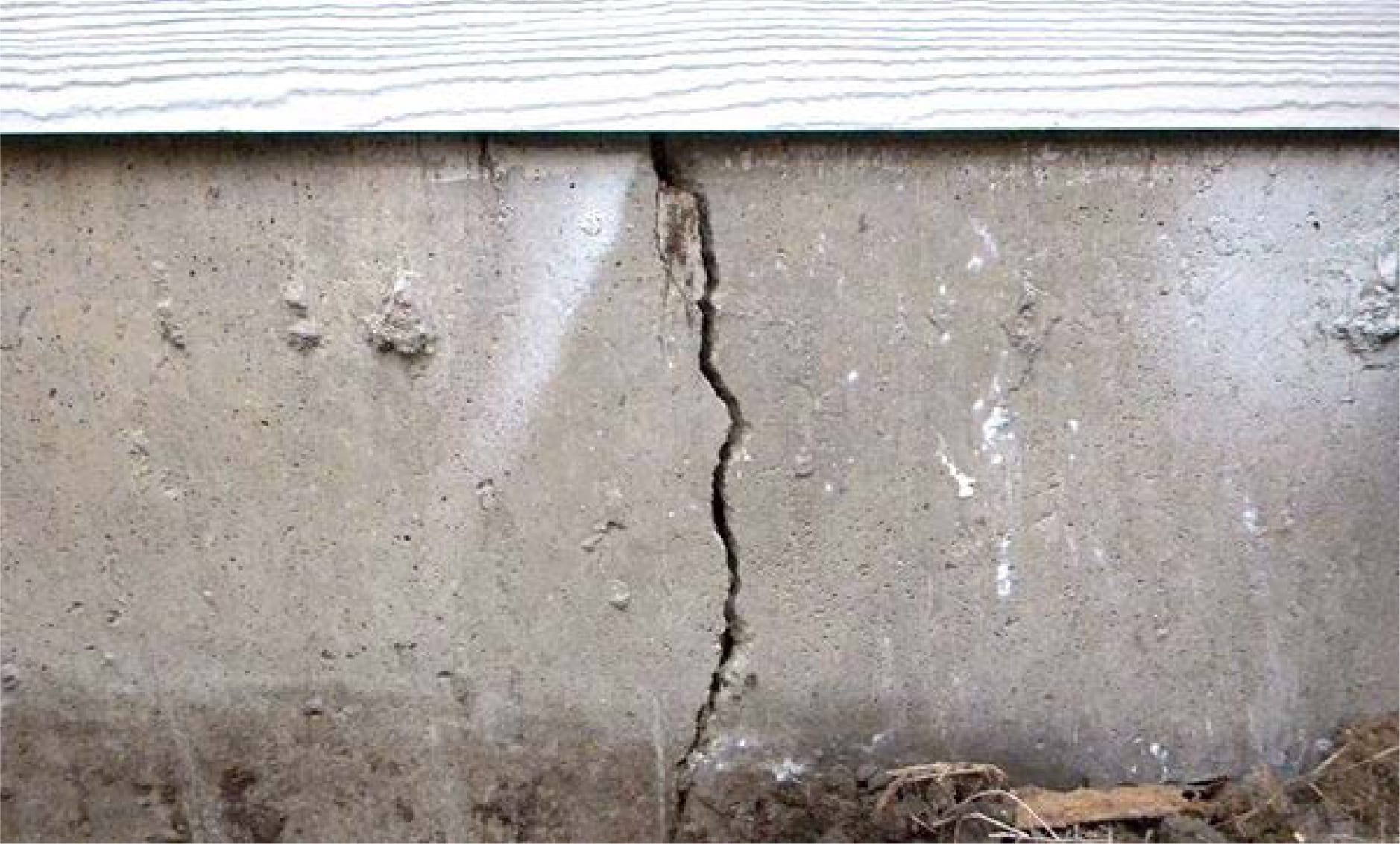
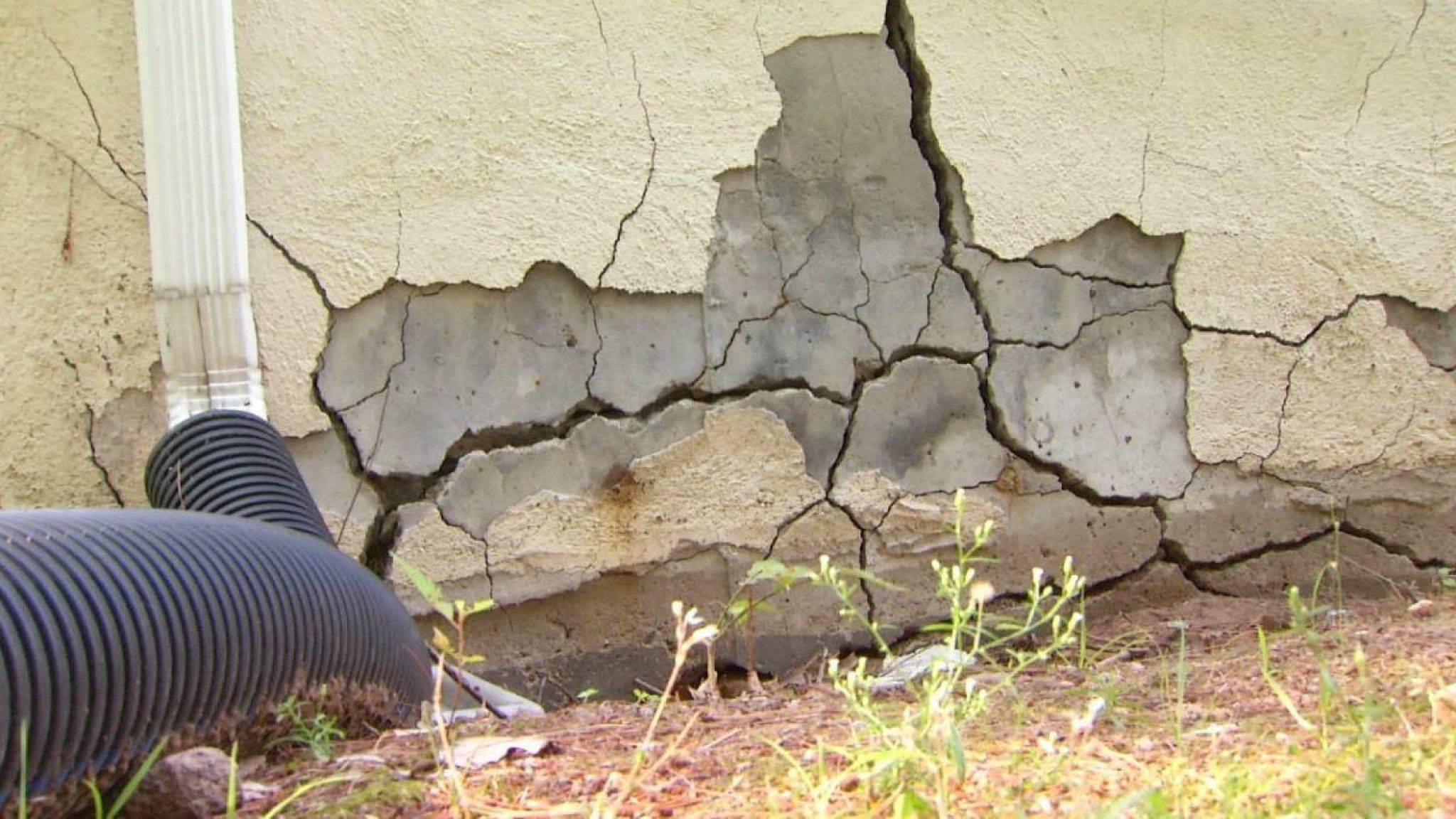
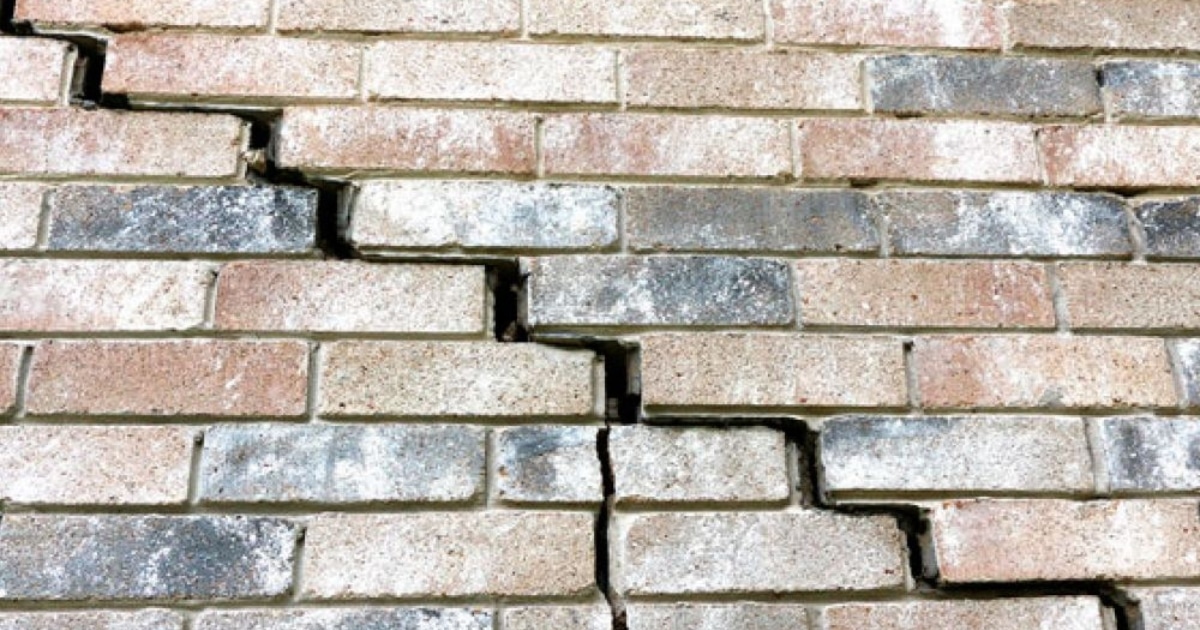
Not every crack requires immediate attention. However, certain signs suggest that foundation cracks are serious enough to warrant professional evaluation. These include:
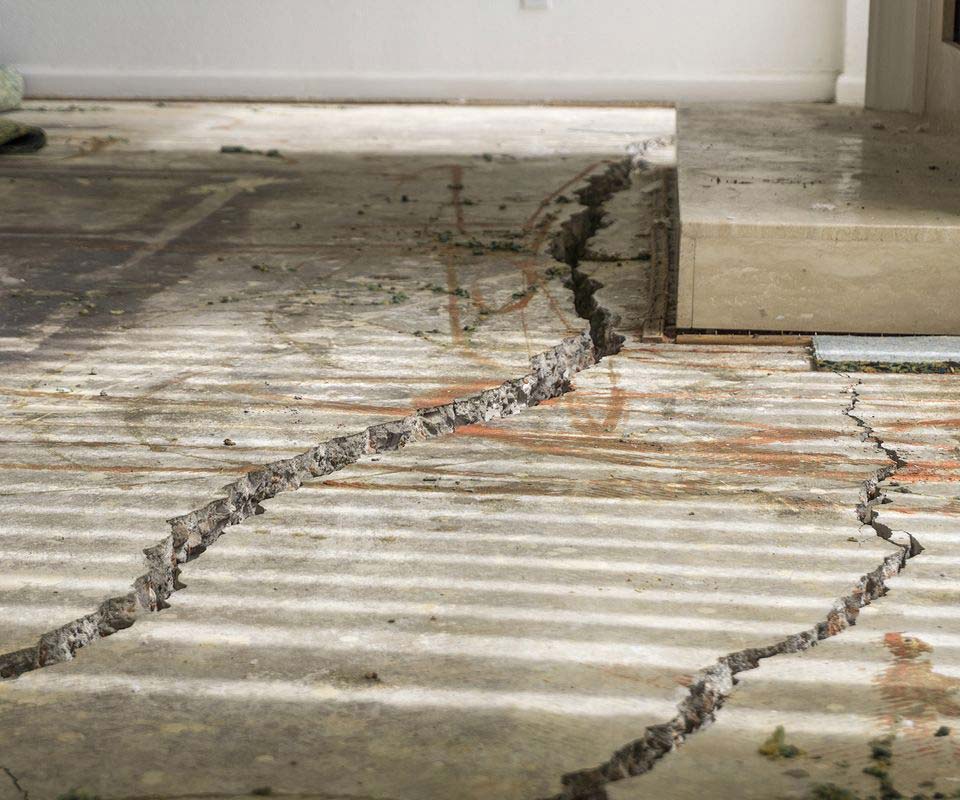
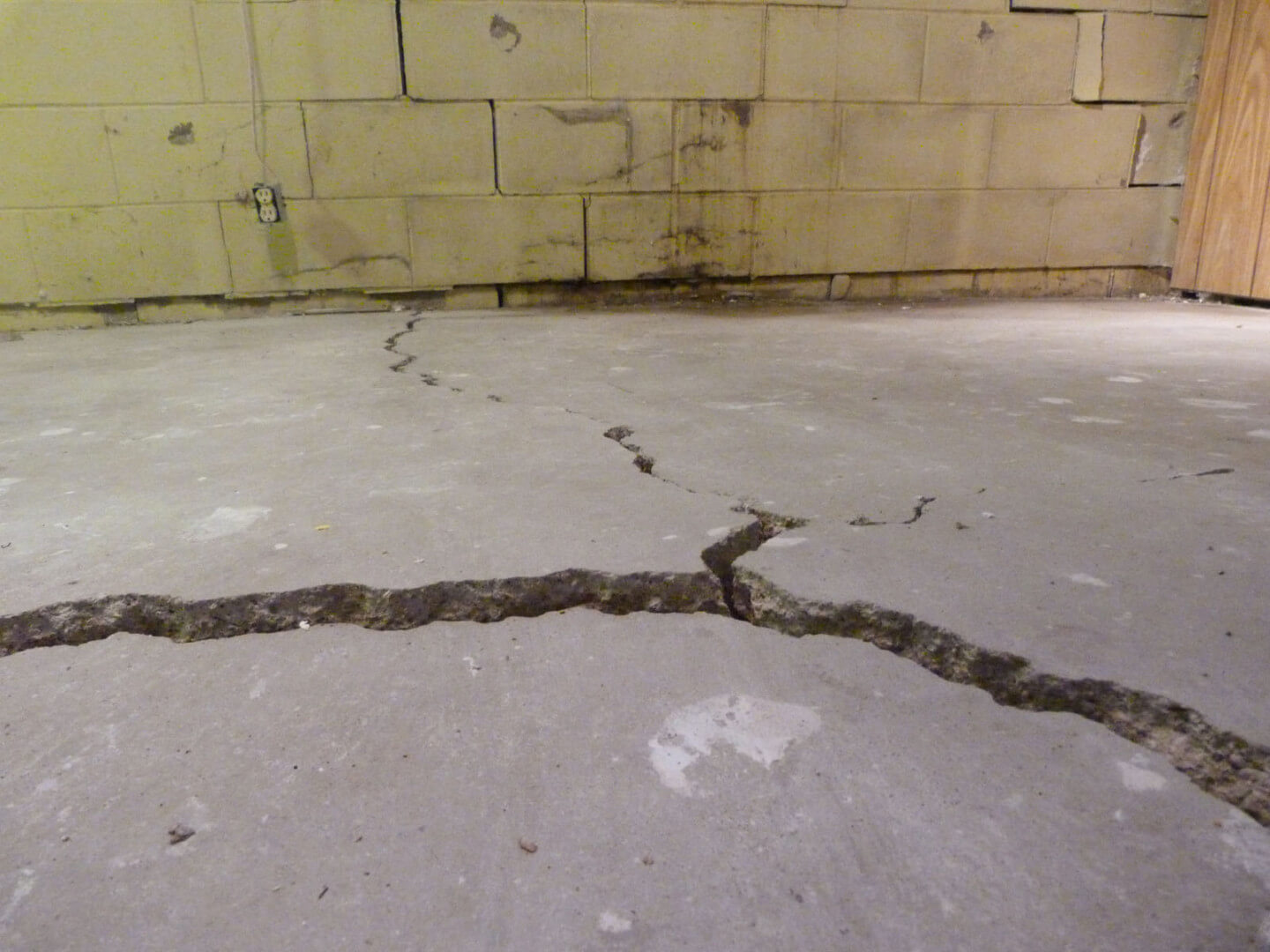
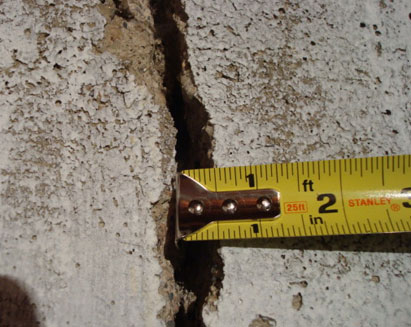
- Large cracks wider than 5 millimeters. These can indicate foundation movement, stress on structural supports, or settling issues.
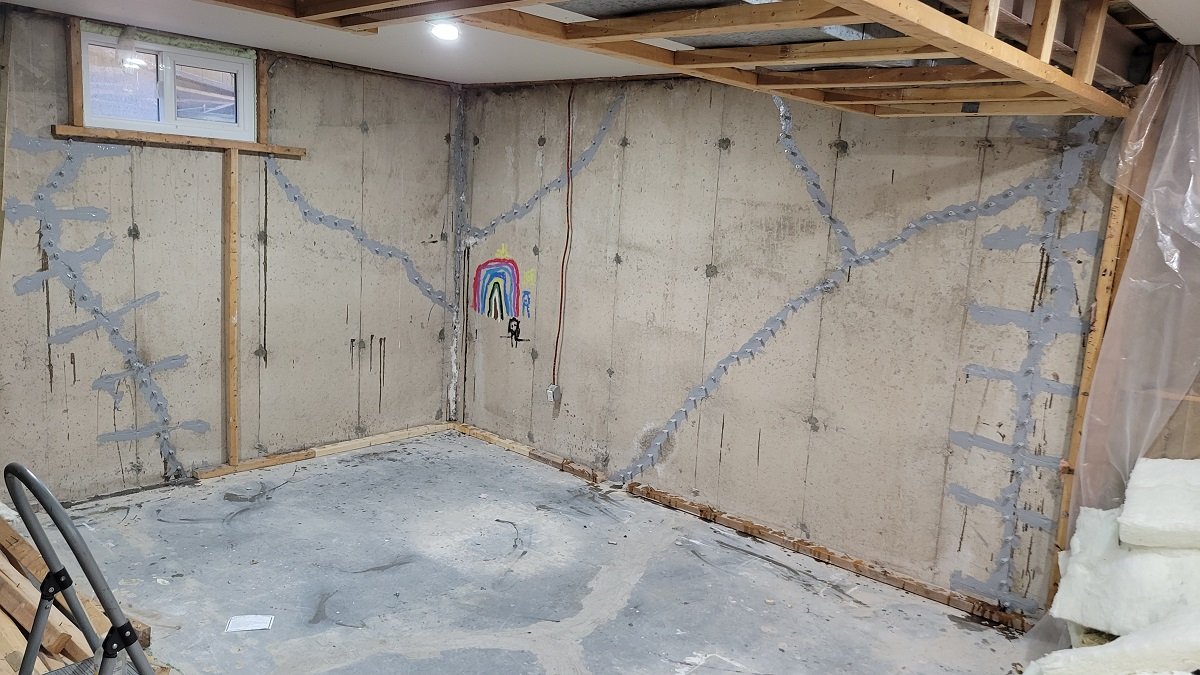
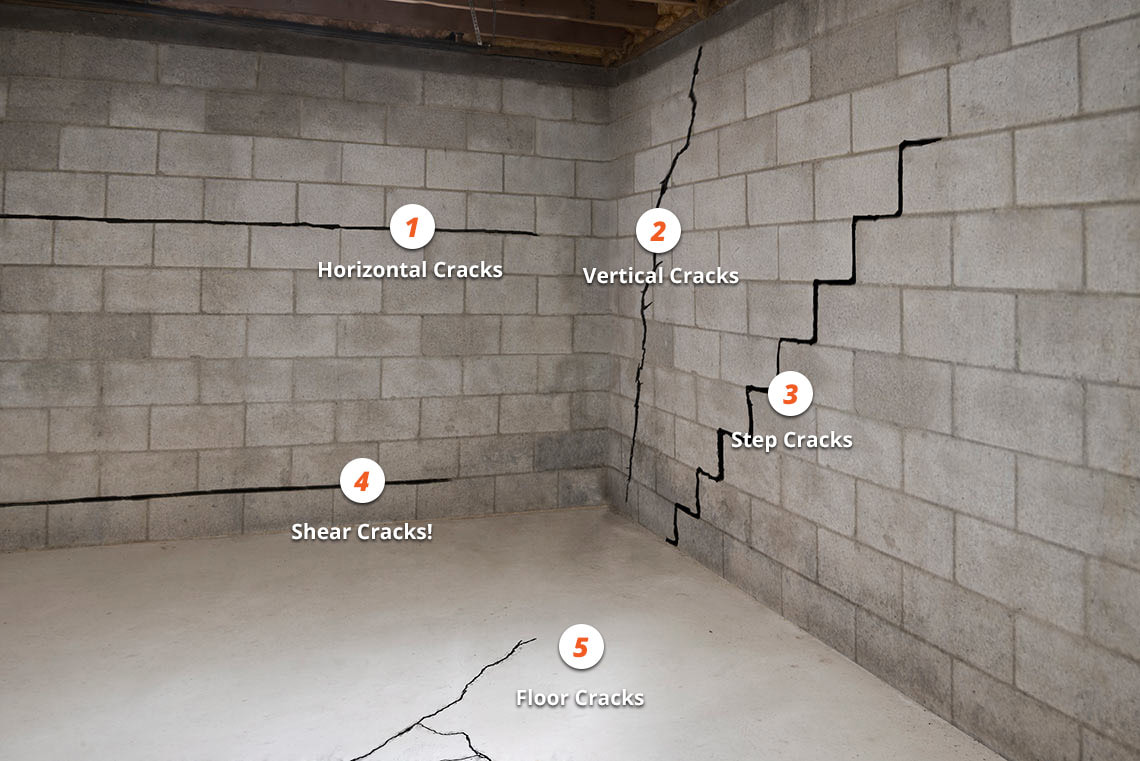
- Diagonal or horizontal cracks. These can indicate structural problems or settling issues.
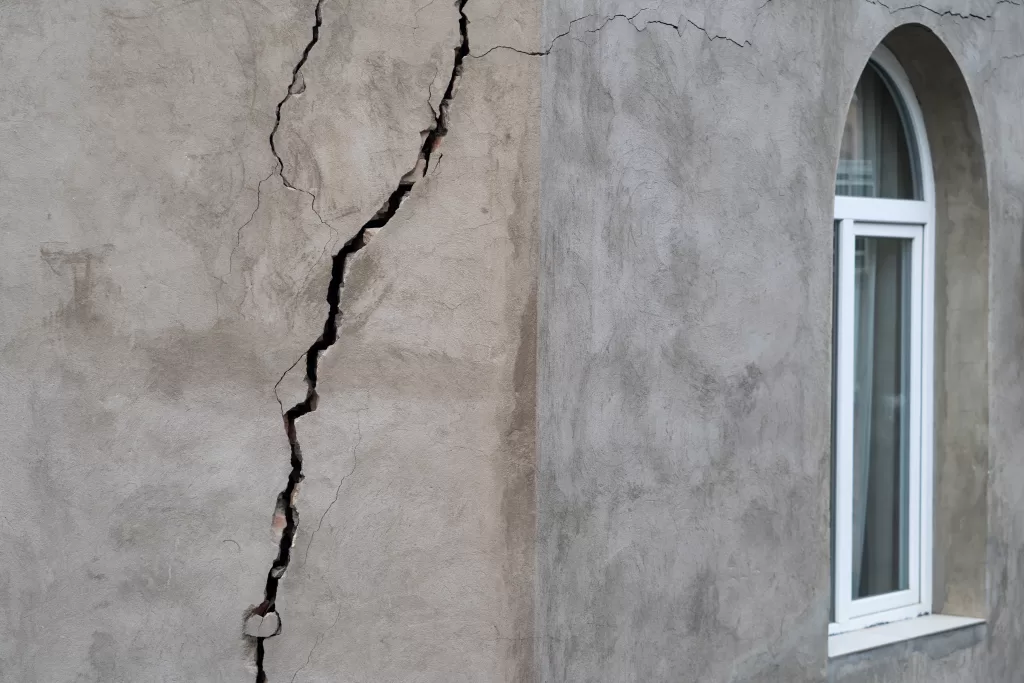
- Cracks above door frames or near corners. These can indicate stress on structural supports or settling issues.
DIY Repair Options for Small Cracks
For small, hairline cracks, you can try a DIY repair using:
- Urethane caulk
- Concrete patching compound
- Epoxies or polyurethane-based sealants
Apply the chosen sealant to the crack, following the manufacturer's instructions. However, for larger or more extensive cracks, it's recommended to seek the help of a professional foundation repair specialist.

Professional Foundation Repair Services
For more severe or complex foundation issues, it's essential to hire a professional foundation repair company. They will assess the damage, recommend the best course of action, and execute the repair. Professional services may include:
- Grouting and sealing cracks
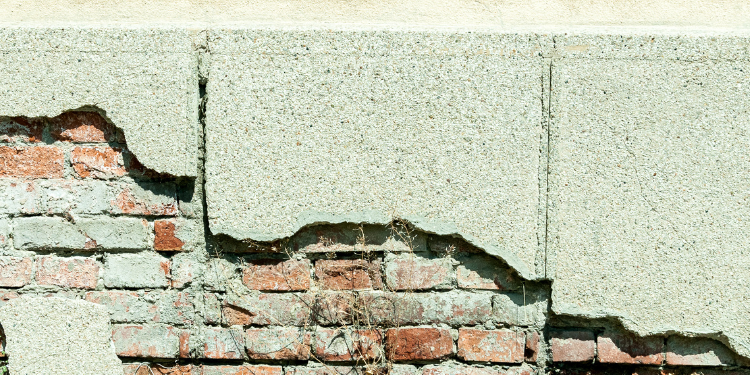
- Replacing damaged or deteriorated concrete
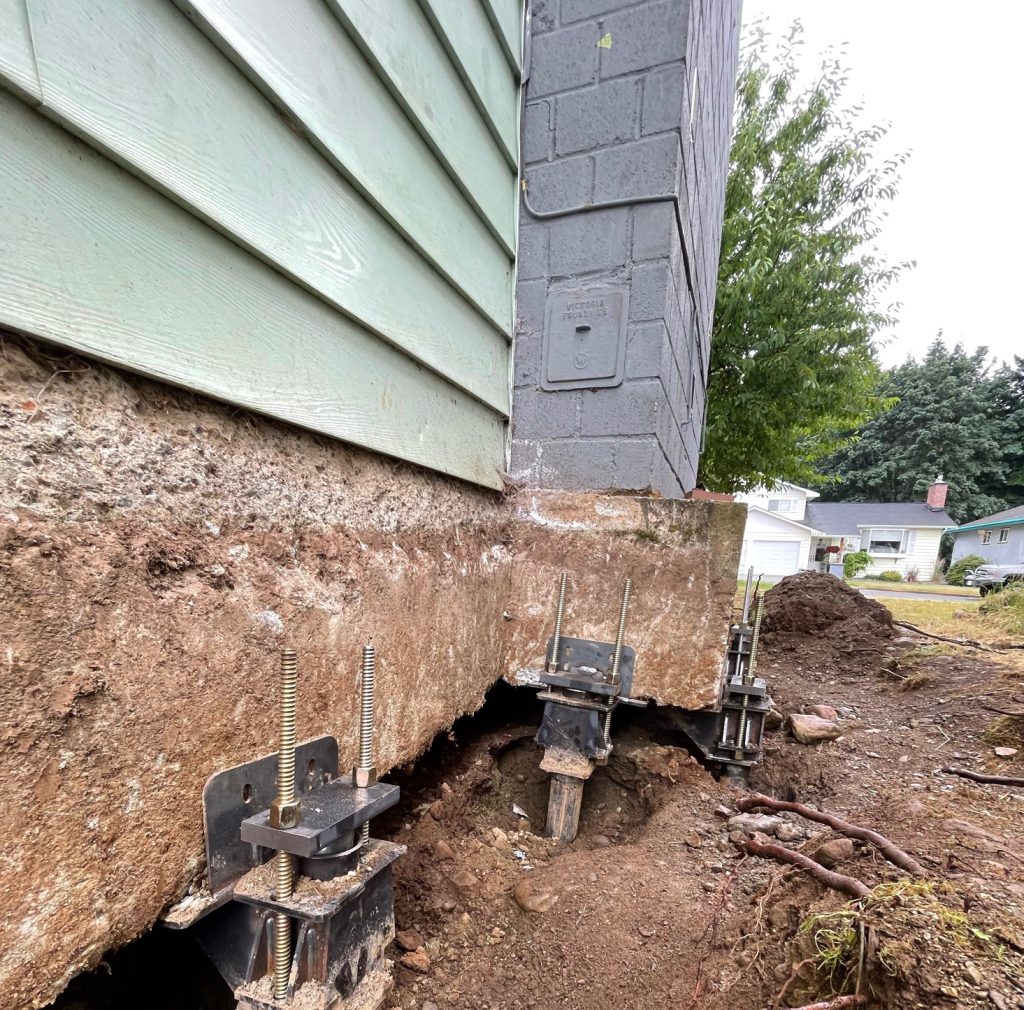
- Installing piers or drainage systems
- Stabilizing the foundation with anchor systems
Prevention is Key
While repairing a cracked foundation is essential, prevention is also key. To minimize the risk of foundation cracks and damage:
- Regularly inspect your foundation for signs of damage
- Address any water accumulation or seepage issues
- Keep the surrounding soil stable and free of debris
- Monitor soil movement and foundation settling
Conclusion
Identifying and repairing a cracked house foundation requires a thorough understanding of the causes and signs of damage. By knowing when to DIY and when to seek professional help, you can prevent further damage and ensure your home remains safe and stable. Remember, while prevention is key, prompt action is essential for addressing any cracks or weaknesses in your foundation.
Additional Resources
For more information on foundation repair, including DIY steps and professional services, refer to the following resources:
- Local foundation repair companies and experts
- Online forums and communities dedicated to foundation repair
- Government buildings and publications on foundation design and repair
- Manufacturer instructions and recommendations for concrete sealants and repair products