Developing Brand Personality: The Key to Creating a Lasting Impact
In today's competitive marketplace, it's not enough for businesses to just exist – they need to stand out and leave a lasting impression on their target audience. One of the most effective ways to achieve this is by developing a strong brand personality. In this article, we'll explore the importance of brand personality, how to develop a unique and engaging one, and provide actionable strategies to help you connect with your audience on a deeper level.
What is Brand Personality?
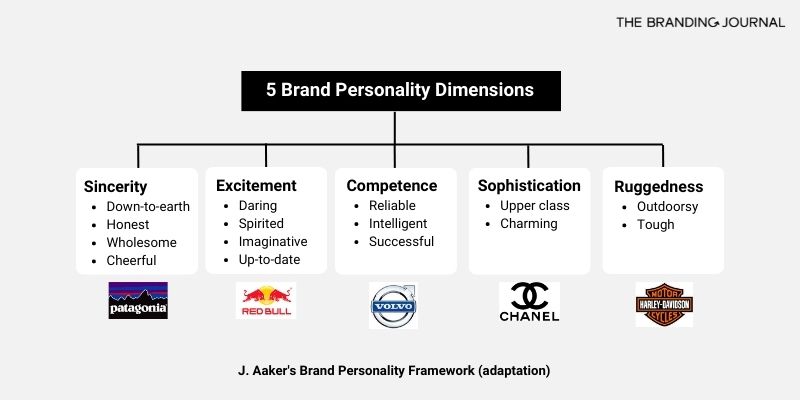
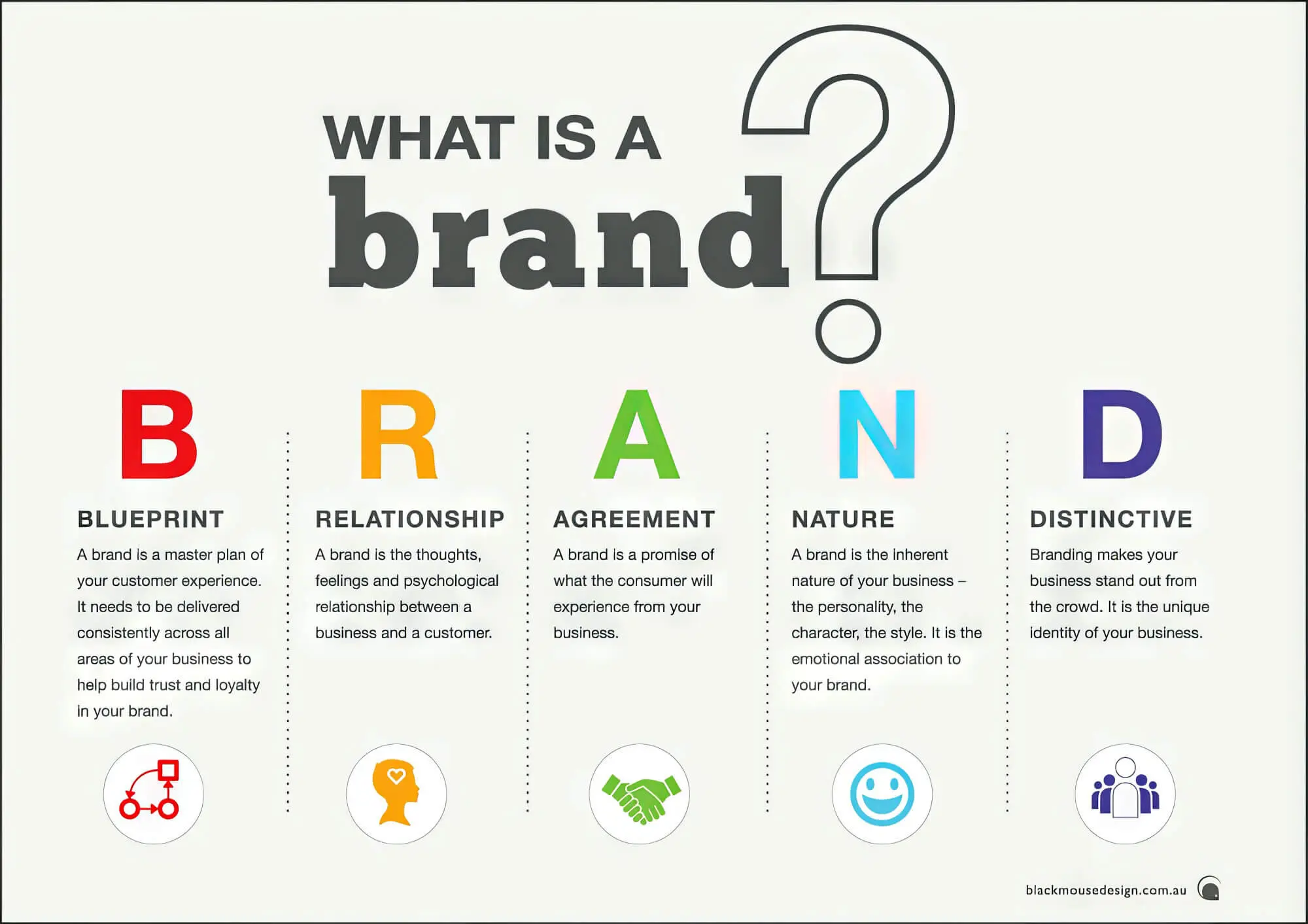
Brand personality refers to the unique character, tone, and emotion behind a brand that customers connect with. It's the personality that makes your business feel human, relatable, and memorable. A strong brand personality can help you build trust, loyalty, and a competitive edge in the market.
Why is Developing Brand Personality Important?
Developing a brand personality is crucial for businesses because it enables you to communicate with your target audience in a more authentic and meaningful way. A strong brand personality helps to differentiate your business from competitors, builds emotional connections with customers, and increases brand recognition and recall.
The 6-Step Template for Developing a Brand Personality
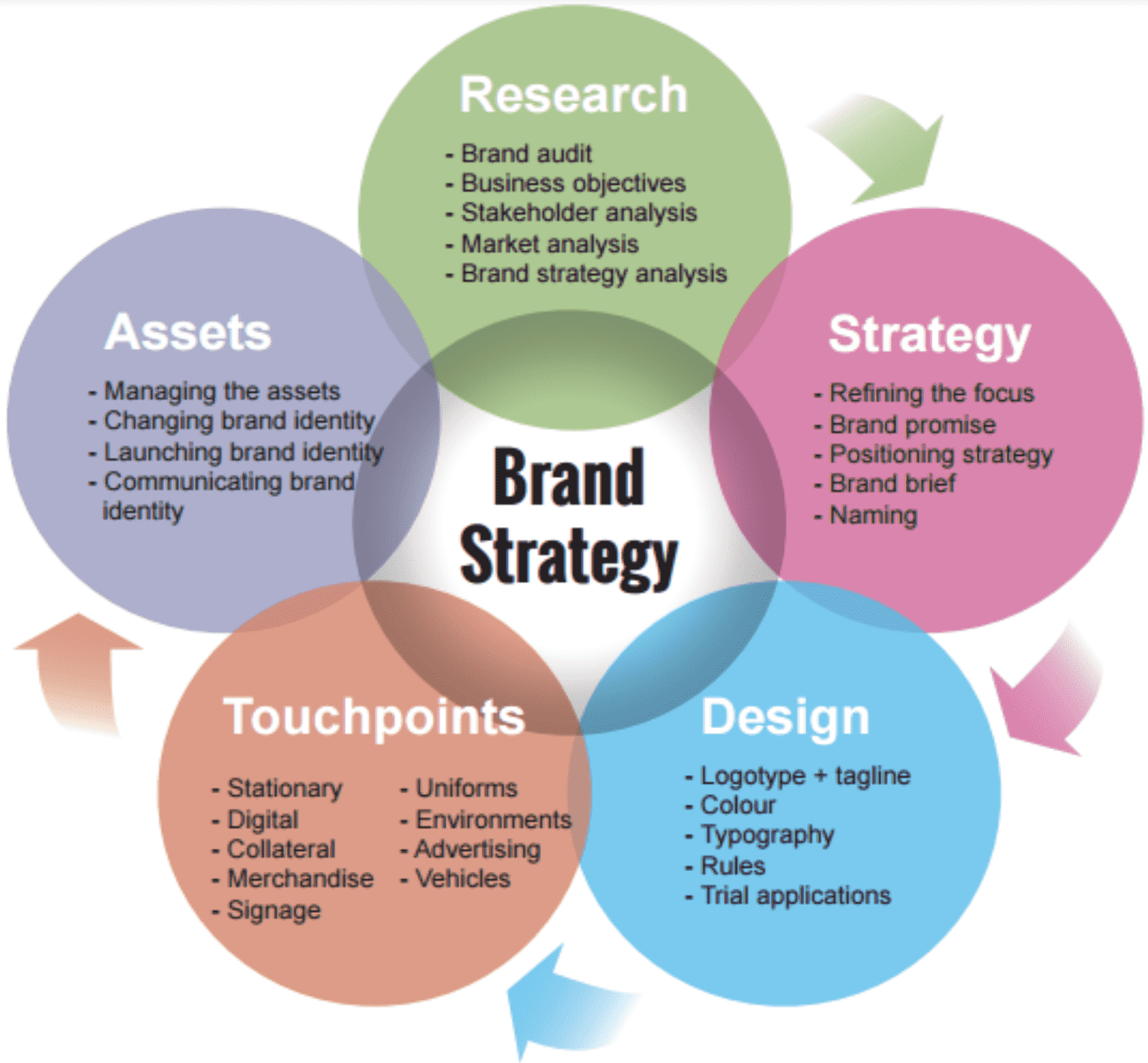
To develop a strong brand personality, you need to follow a clear and actionable template. Here are the six steps to help you create a human brand persona for your business:

- Identify your mission: Define your brand's core values, purpose, and goals. This will serve as the foundation of your brand personality.
- Understand your target audience: Know who your ideal customer is, what they value, and what motivates them.
- Develop your brand voice: Create a unique tone and language that reflects your brand's personality and resonates with your target audience.
- Define your brand's values and personality traits: Identify the core values and personality traits that align with your brand's mission and target audience.
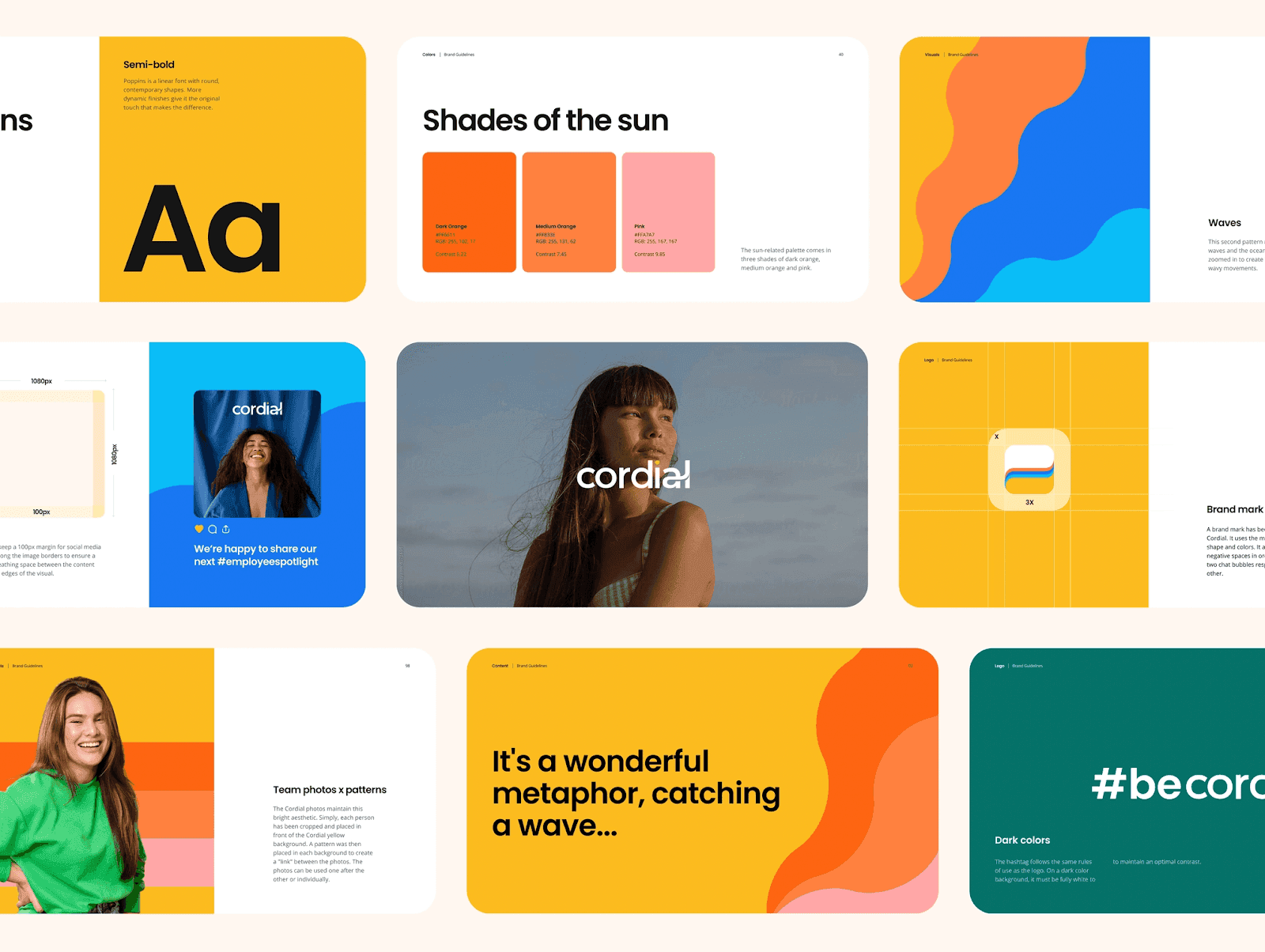
- Develop a consistent visual identity: Create a visual brand identity that reflects your brand's personality and values.
- Refine and iterate: Continuously refine and iterate your brand personality based on customer feedback, market trends, and your brand's evolution.
Examples of Powerful Brand Personalities
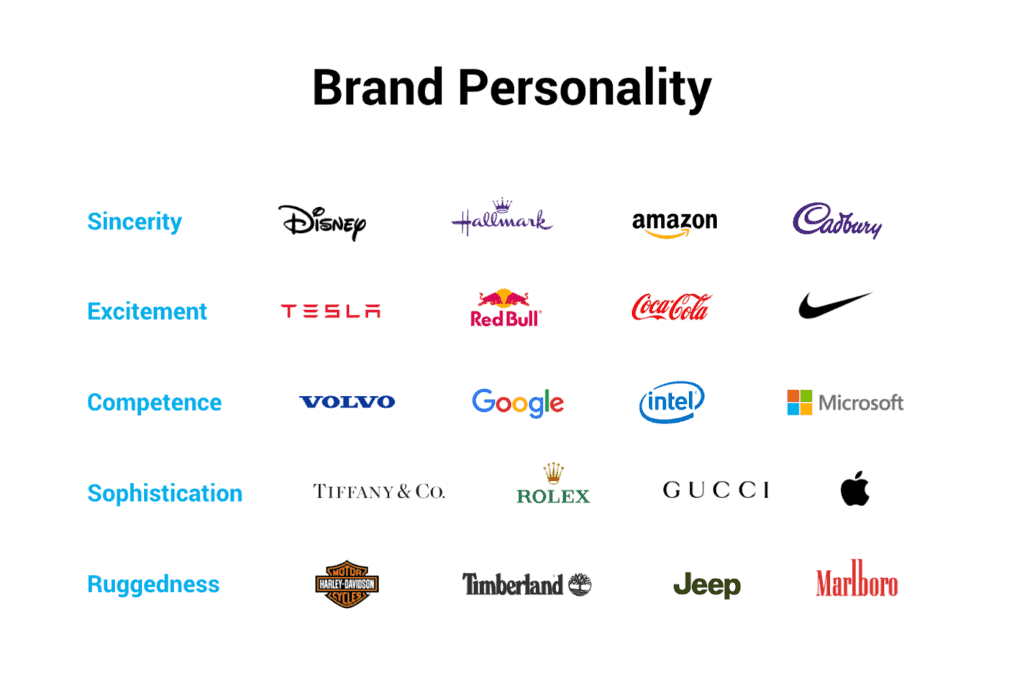
Many successful brands have developed strong and unique brand personalities that have helped them stand out in their respective markets. For example:
- Apple: Known for its sleek design, innovative products, and customer-centric approach, Apple's brand personality is synonymous with coolness and innovation.
- Patagonia: With its environmental mission and outdoor-inspired aesthetic, Patagonia's brand personality reflects a passion for sustainability and adventure.
- Nike: Nike's brand personality is built around a bold and empowering message that encourages customers to push beyond their limits and achieve their goals.
Conclusion
Developing a strong brand personality is crucial for businesses that want to stand out in a crowded market and build meaningful connections with their target audience. By following the 6-step template outlined in this article, you can create a unique and engaging brand personality that reflects your business's values, mission, and personality traits. Remember to continuously refine and iterate your brand personality based on customer feedback and market trends to ensure it remains relevant and effective in driving business results.