Unlocking the Power of GLP-1: Taming Emotional Food Cravings
Have you ever found yourself lost in a never-ending cycle of cravings, constantly thinking about food, and struggling to control your appetite? You're not alone. Millions of people around the world are affected by emotional eating, and it's not just about weight loss. GLP-1 (Glucagon-like peptide-1) medications have revolutionized the way we approach weight management, but their effects go beyond the physical. In this article, we'll delve into the world of GLP-1 and emotional food cravings, exploring the science behind it and providing actionable tips to help you break free from this cycle.
The Science Behind GLP-1 and Emotional Food Cravings
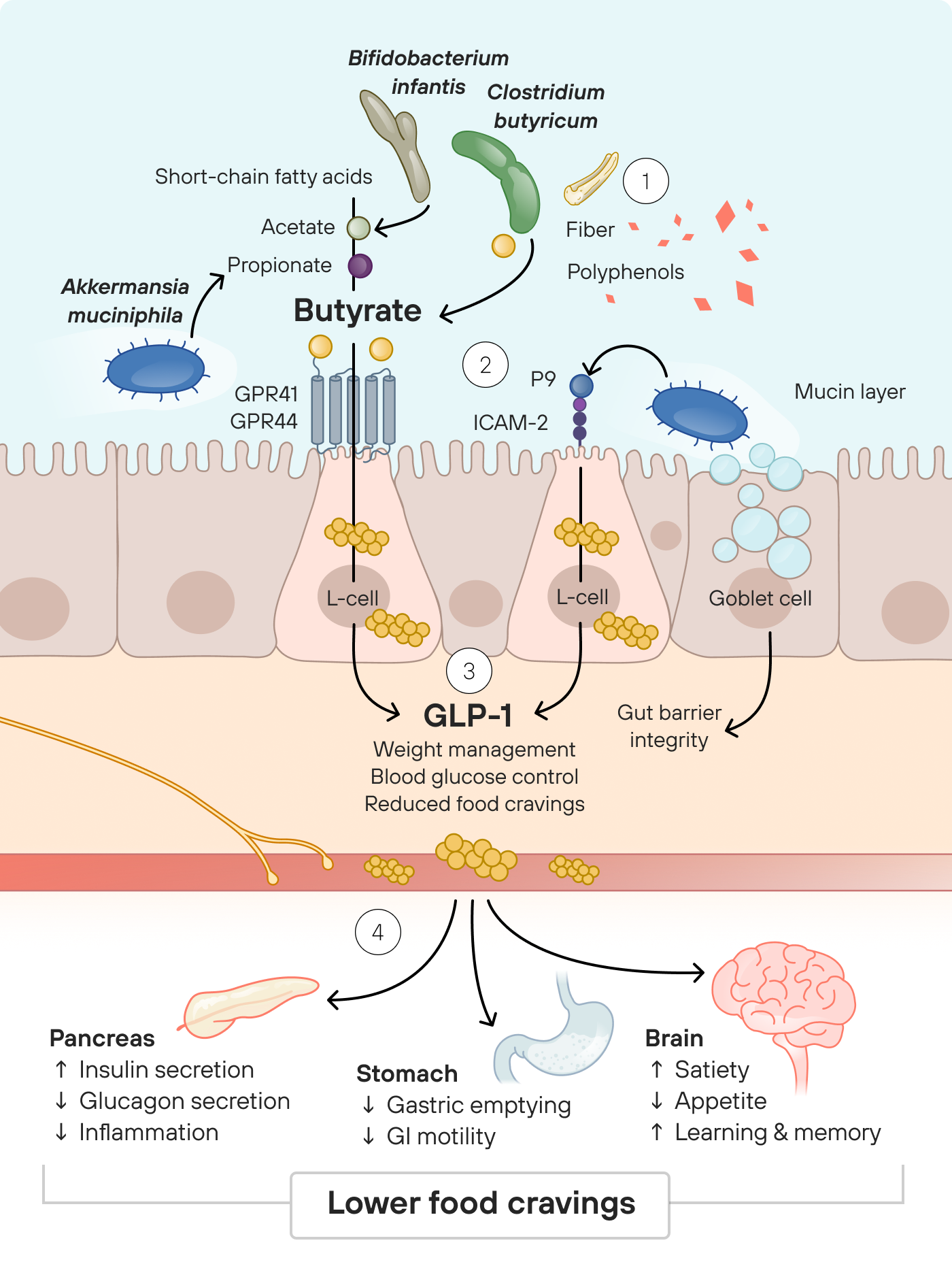
GLP-1 is a naturally occurring hormone produced in the intestines, playing a crucial role in appetite regulation, digestion, and insulin release. GLP-1 medications mimic this hormone, slowing gastric emptying, increasing satiety, reducing hunger and food cravings, and influencing reward pathways related to eating behavior. But how does this hormone influence our emotions and eating habits?
- Research has shown that GLP-1 receptors in the brain directly influence reward pathways and emotional regulation centers.
- By modulating these pathways, GLP-1 medications can reduce cravings and emotional eating.
- The hormone also affects the brain's reward system, which is closely linked to emotional regulation.
The Psychological Effects of GLP-1 Medications
While GLP-1 medications have been shown to reduce food cravings and improve appetite control, their effects on mental health are more complex. Patients taking GLP-1 medications often report improved mood, reduced anxiety around food, and even emotional regulation. However, some individuals may experience emotional numbness or reduced pleasure, particularly if they're accustomed to the emotional highs associated with food.
Breaking Free from Emotional Eating
Emotional eating can feel like an endless struggle, but with the right tools and mindset, it can be conquered. By understanding the science of GLP-1 medications, embracing mindfulness, adopting new strategies, and practicing self-compassion, you can transform your relationship with food and reclaim your emotional well-being. Here are some actionable tips to get you started:

- Practice mindful eating by paying attention to your hunger and fullness cues.
- Identify and challenge negative thought patterns surrounding food and eating.
- Develop a self-care routine that involves non-food comforts, such as exercise, meditation, or hobbies.
- Seek support from friends, family, or a therapist to help you navigate emotional eating.
Natural Support for GLP-1 Production
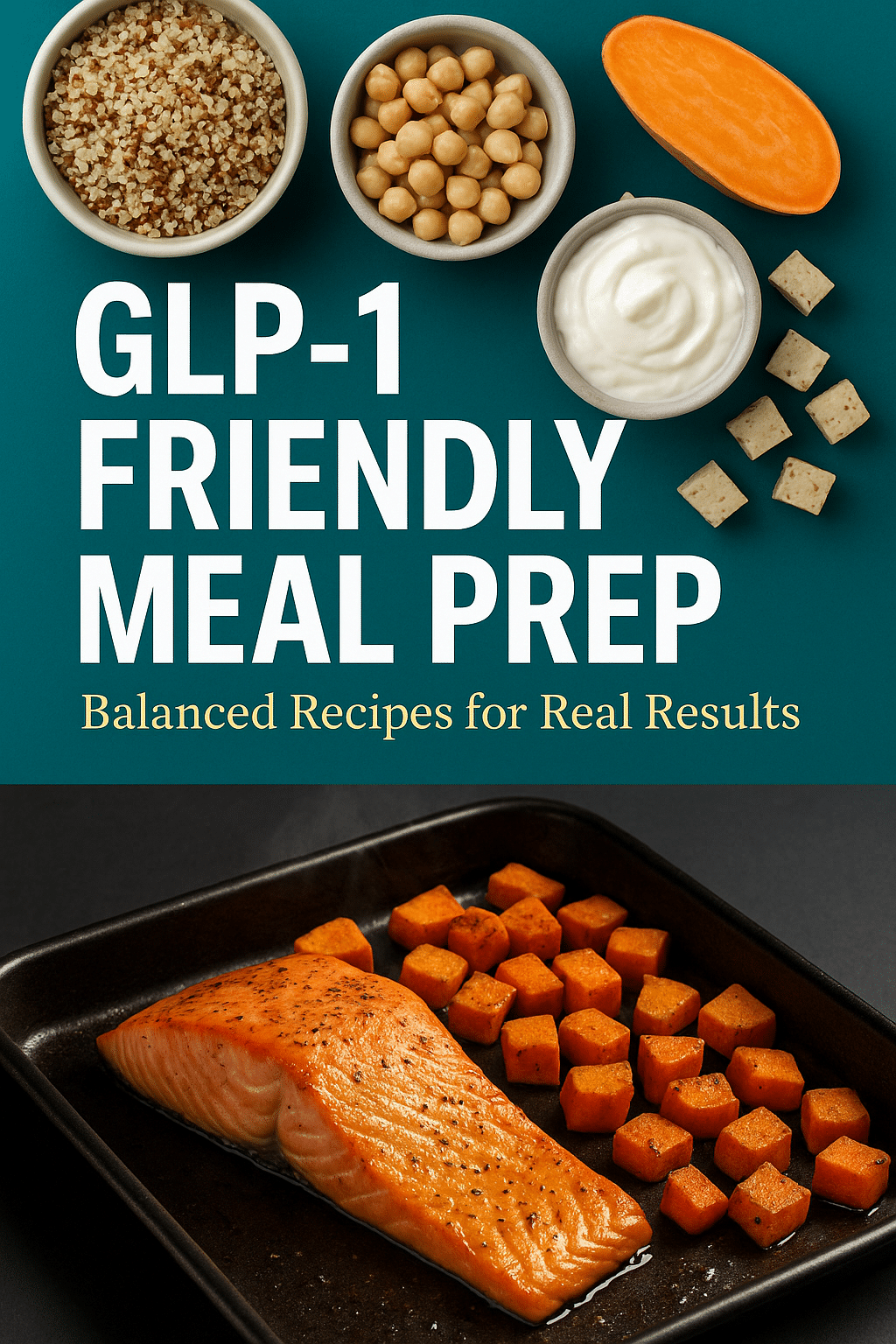
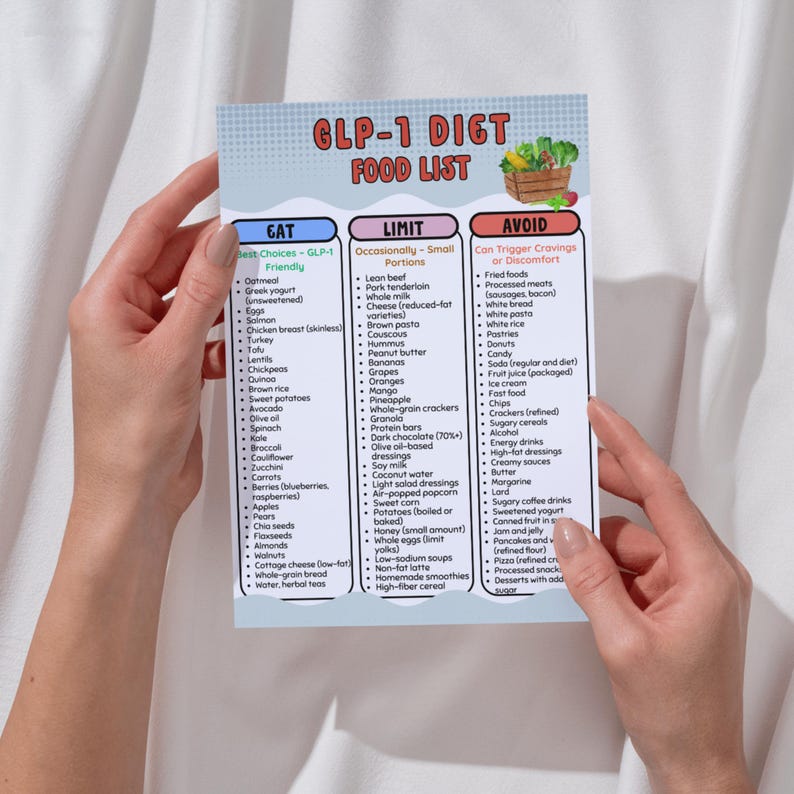
If you're interested in supporting GLP-1 production without medications, there are several natural options to explore. Fermented foods, protein, and whole foods can help reduce cravings, improve fullness, and support weight balance. Additionally, some research suggests that microdosing GLP-1 medications may have benefits for mental health and emotional regulation.
Conclusion
GLP-1 medications have the potential to revolutionize the way we approach weight management and emotional eating. By understanding the science behind GLP-1 and emotional food cravings, we can develop more effective strategies for breaking free from this cycle. Remember, it's not just about weight loss; it's about reclaiming your emotional well-being and developing a healthier relationship with food. Take the first step today and start unlocking the power of GLP-1.
Additional Resources
If you're interested in learning more about GLP-1 medications and emotional eating, we recommend exploring the following resources:
- LifeStance Health's article on the mental health effects of GLP-1 medications.
- The University of Bristol's research on the effects of GLP-1 on mental health.
- Natural support for GLP-1 production, including fermented foods, protein, and whole foods.