GLP-1 History of Weight Loss: A Comprehensive Review
Glucagon-like peptide-1 (GLP-1) receptor agonists have been revolutionizing the approach to managing diabetes and aiding weight loss in recent years. From their origins as type 2 diabetes treatments to their rise as blockbuster weight-loss medications, GLP-1s have become one of the most popular weight loss drugs on the market. In this article, we will delve into the history of GLP-1 as a weight loss treatment, its mechanisms, and its impact on the healthcare industry.
The Origins of GLP-1 as a Type 2 Diabetes Treatment
GLP-1 receptor agonists were originally developed to treat type 2 diabetes. These medications work by mimicking the naturally occurring hormone GLP-1, which helps regulate blood sugar levels. The first GLP-1 receptor agonist, exenatide, was approved by the FDA in 2005 for the treatment of type 2 diabetes. Since then, several other GLP-1 receptor agonists have been developed and approved for the treatment of type 2 diabetes, including liraglutide, saxagliptin, and dulaglutide.
The Rise of GLP-1 as a Weight Loss Treatment
In recent years, GLP-1 receptor agonists have emerged as a treatment for weight loss. Liraglutide, marketed as Saxenda, was the first GLP-1 receptor agonist approved for obesity in 2014. Patients who took liraglutide lost 5-10% of their body weight, which was an improvement over earlier weight loss drugs. However, liraglutide required daily injections and was expensive, with a cost of over $1,000 a month.
The Mechanisms Behind GLP-1-Induced Weight Loss
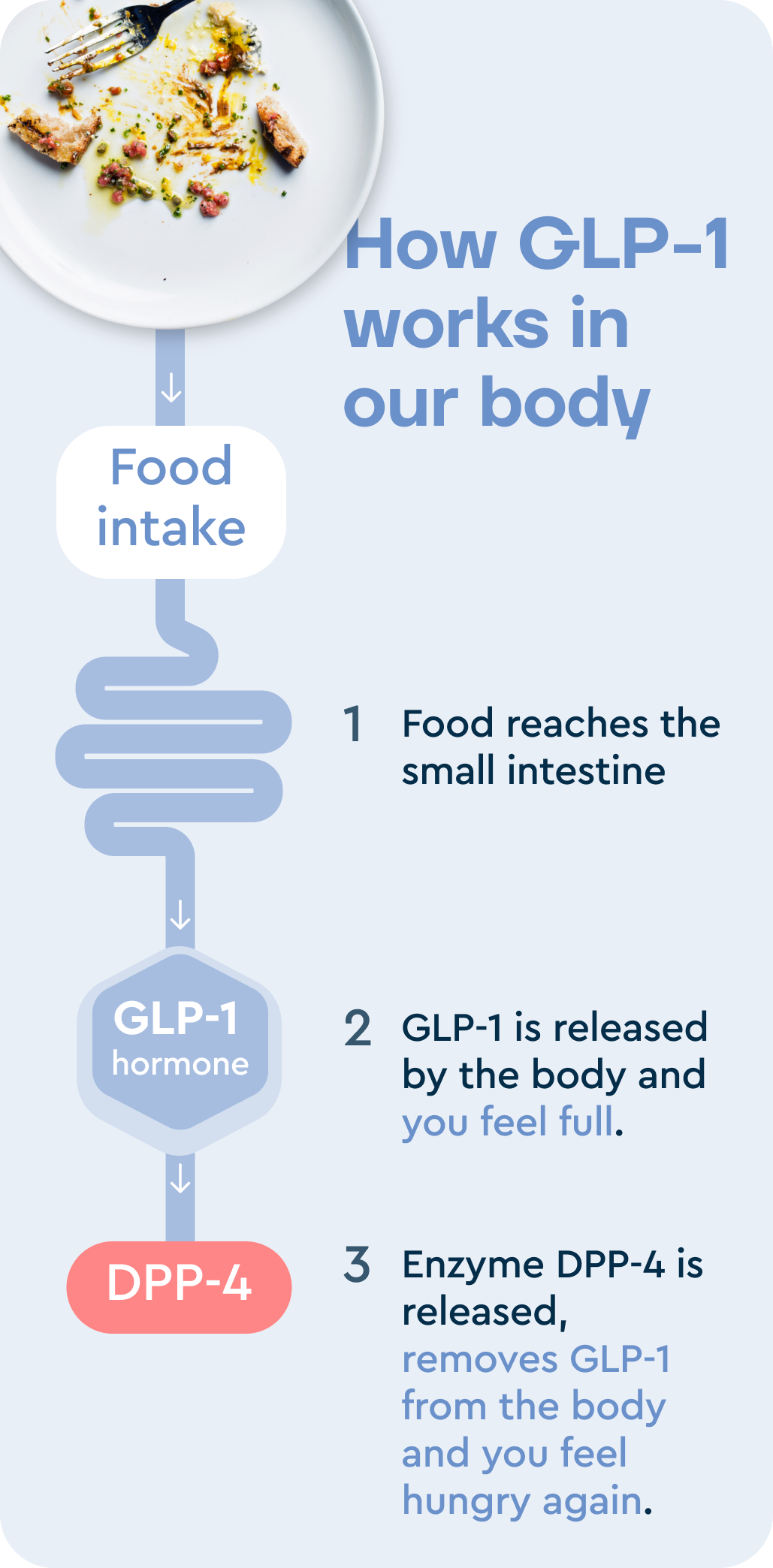
GLP-1 receptor agonists work by targeting GLP-1 receptors in the brain and pancreas. They increase insulin levels, decrease glucagon levels, and delay gastric emptying, which helps to regulate appetite and food intake. GLP-1 receptor agonists also modulate brain regions controlling appetite, influencing food preferences and satiety.
The Advantages of GLP-1 as a Weight Loss Treatment
GLP-1 receptor agonists have been shown to be effective in inducing weight loss in both obese and overweight individuals. They have also been found to improve cardiovascular risk factors, such as blood pressure and lipid profiles, and reduce the risk of major adverse cardiovascular events.

Challenges and Limitations of GLP-1 as a Weight Loss Treatment
While GLP-1 receptor agonists have been shown to be effective in inducing weight loss, they are not without challenges and limitations. They can cause side effects, such as nausea, vomiting, and diarrhea, and may require daily injections. Additionally, the cost of GLP-1 receptor agonists can be prohibitive, making them inaccessible to many individuals who could benefit from their use.
Alternatives to GLP-1 as a Weight Loss Treatment
While GLP-1 receptor agonists have been shown to be effective in inducing weight loss, they may not be suitable for everyone. Individuals with certain medical conditions, such as kidney or liver disease, may not be candidates for GLP-1 receptor agonists. Additionally, individuals who are unable to tolerate the side effects of GLP-1 receptor agonists may need to explore alternative weight loss treatments, such as lifestyle changes, dietary modifications, or other weight loss medications.
Conclusion
GLP-1 receptor agonists have a rich history as a type 2 diabetes treatment and have emerged as a treatment for weight loss in recent years. While they have been shown to be effective in inducing weight loss and improving cardiovascular risk factors, they are not without challenges and limitations. As the healthcare industry continues to evolve, it is likely that GLP-1 receptor agonists will remain an important treatment option for individuals seeking to manage their weight and improve their cardiovascular health.
Future Directions for GLP-1 as a Weight Loss Treatment
As the healthcare industry continues to evolve, it is likely that GLP-1 receptor agonists will remain an important treatment option for individuals seeking to manage their weight and improve their cardiovascular health. Future directions for GLP-1 as a weight loss treatment include the development of new GLP-1 receptor agonists with improved efficacy and safety profiles, as well as the exploration of alternative delivery mechanisms, such as oral or patch-based formulations.








-p-1080.png "Get GLP-1s for Weight Loss Online - GoodRx")
