GLP-1 Medication Weight Loss and Blood Pressure: A Comprehensive Review
The use of GLP-1 receptor agonists (GLP-1RAs) for weight management and cardiovascular health has gained significant attention in recent years. Originally designed to control glucose levels, these medications are now showing consistent reductions in systolic blood pressure, suggesting that their benefits go far beyond weight loss alone.
Table of Contents
- How GLP-1RAs Affect Blood Pressure
- Weight Loss and Blood Pressure Reduction
- GLP-1 Medications and Cardiovascular Health
- GLP-1 Side Effects and Management
- Conclusion: The Importance of GLP-1 Medications in Weight Loss and Blood Pressure Management
How GLP-1RAs Affect Blood Pressure
Research has shown that GLP-1RAs can lead to significant reductions in systolic blood pressure, with some studies reporting reductions of up to 6 mmHg. This is likely due to several factors, including the reduction in weight and the improvement in metabolic parameters such as glucose and lipid profiles.
Weight Loss and Blood Pressure Reduction
Weight loss is a significant predictor of blood pressure reduction, and GLP-1RAs can help achieve this through a range of mechanisms, including appetite suppression, improved glucose metabolism, and increased thermogenesis. Larger weight losses are associated with larger drops in blood pressure, particularly at higher systolic blood pressure levels.
GLP-1 Medications and Cardiovascular Health
GLP-1RAs have been shown to have pleiotropic efficacy, reducing cardiovascular (CV) risk through weight loss, improved blood pressure, and lipid profiles, and increased protective factors such as high-density lipoprotein (HDL) cholesterol. As such, they are a valuable tool in reducing the risk of heart attack, stroke, and CV death.
GLP-1 Side Effects and Management
While GLP-1RAs are generally well tolerated, they can cause side effects such as nausea, constipation, and muscle loss, particularly in patients with significant weight loss. Nutrition and lifestyle strategies can help manage these side effects, and patients should work with their healthcare provider to mitigate these risks.
Conclusion: The Importance of GLP-1 Medications in Weight Loss and Blood Pressure Management
GLP-1RAs are a valuable tool in weight loss and blood pressure management, offering a range of benefits beyond glucose control. While they can have side effects, these can be effectively managed through a combination of diet, exercise, and lifestyle modifications. As the use of GLP-1RAs continues to grow, it is essential to understand the complexities of these medications and their role in improving cardiovascular health outcomes.
GLP-1 Medication Weight Loss and Blood Pressure Benefits
These benefits include:
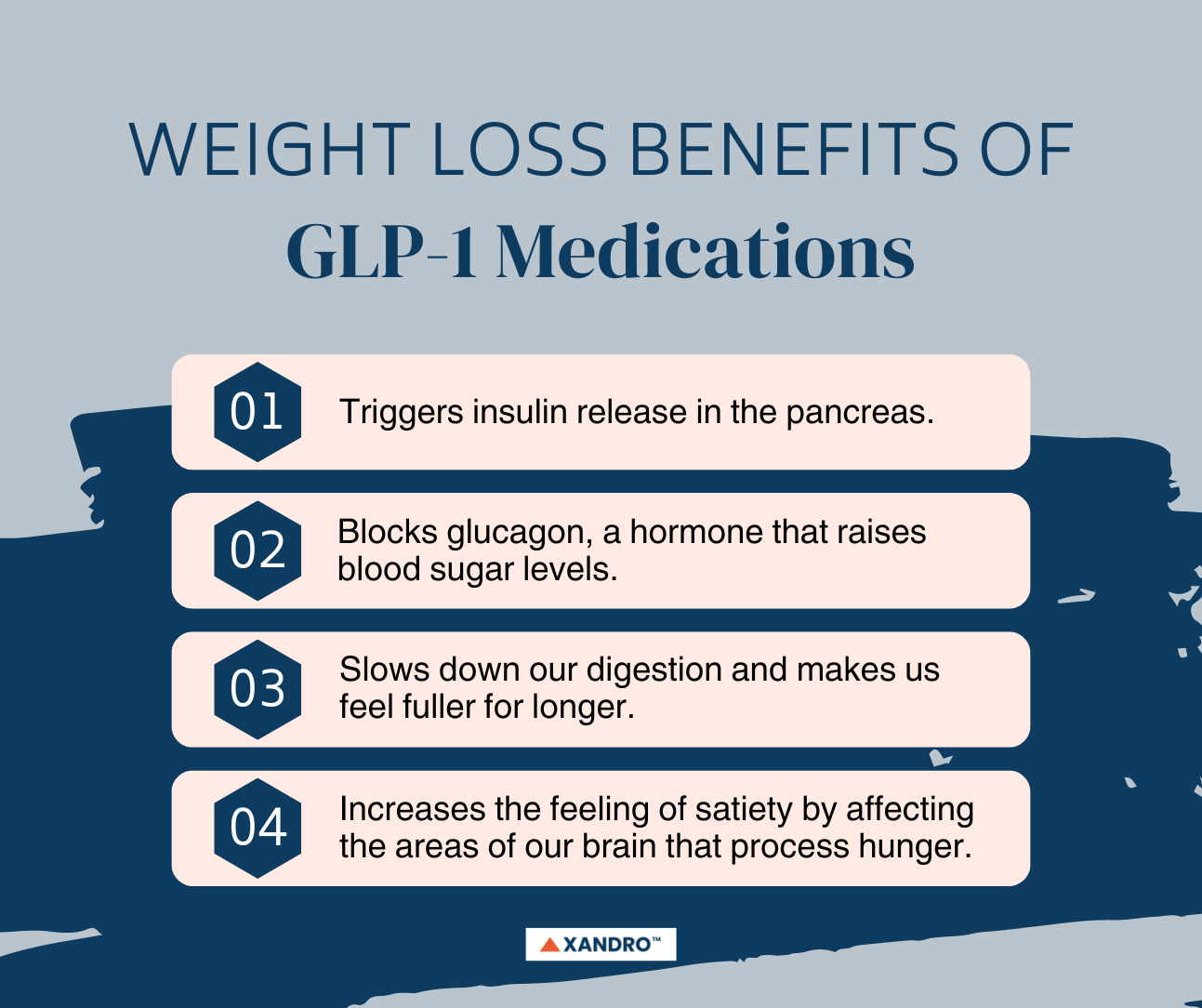
- Significant weight loss due to appetite suppression and improved glucose metabolism
- Improved metabolic parameters, including reduced blood pressure, glucose, and lipid profiles
- Increased protective factors, such as HDL cholesterol
- Reduced risk of heart attack, stroke, and CV death
- Improved glycemic control and management of type 2 diabetes
Common GLP-1 Medications
Some common GLP-1 medications include:
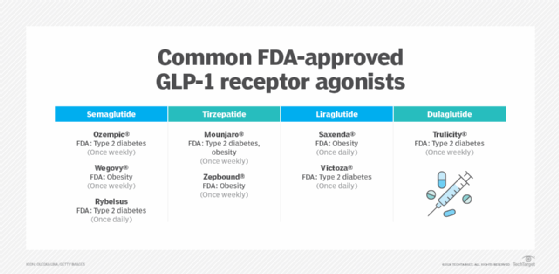
- Semaglutide (Wegovy)
- Dulaglutide (Trulicity)
- Liraglutide (Saxenda)
- Tirzepatide (Zepbound)
Accelerating Adoption and Awareness of GLP-1 Medications
The recent launch of GLP-1 pills for weight loss has seen accelerated adoption, with over 170,000 prescriptions written within the first three weeks of their launch in the United States. As awareness and adoption of GLP-1 medications continue to grow, it is essential to educate healthcare providers and patients about the benefits and potential risks of these medications.
Addressing the Challenges of GLP-1 Medications
While GLP-1 medications offer a range of benefits, they can also have side effects and contraindications. Addressing these challenges requires a comprehensive approach, including:
- Personalized prescribing based on patient characteristics and medical history
- Regular monitoring of weight loss and blood pressure reduction
- Strategies for managing common side effects, including nausea and constipation
- Education and support for patients to ensure optimal adherence and long-term success