Unlocking the Secrets of GLP-1 Receptor Agonists: Enhancing Insulin Sensitivity
Understanding the Role of GLP-1 Receptor Agonists in Insulin Sensitivity
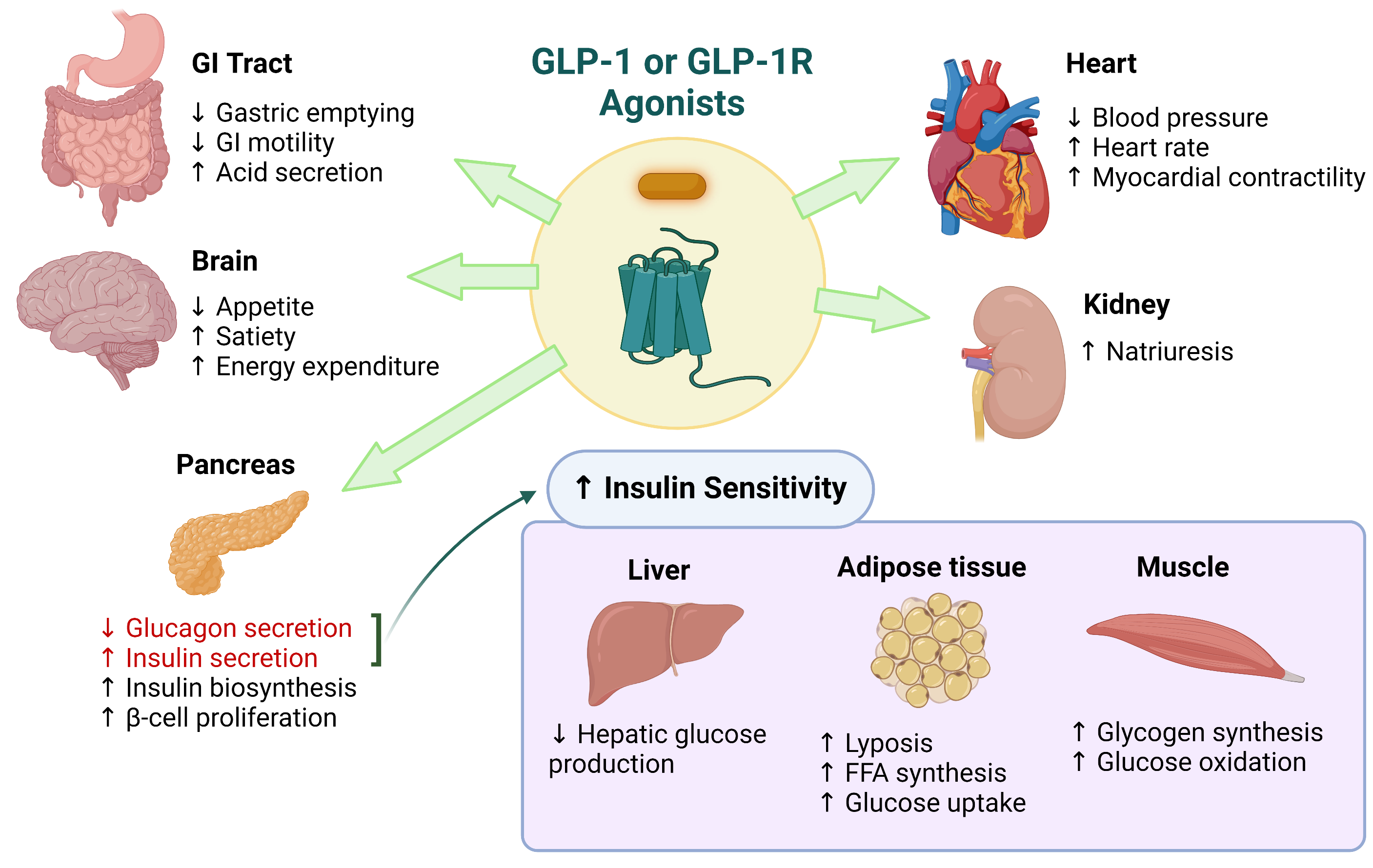
Glucagon-like peptide-1 (GLP-1) receptor agonists have revolutionized the treatment of type 2 diabetes and related metabolic disorders. These medications work by mimicking the natural hormone GLP-1, which plays a vital role in glucose metabolism and appetite regulation. A crucial aspect of GLP-1 receptor agonists is their ability to enhance insulin sensitivity, a key factor in managing blood sugar levels.The Science Behind Insulin Sensitivity
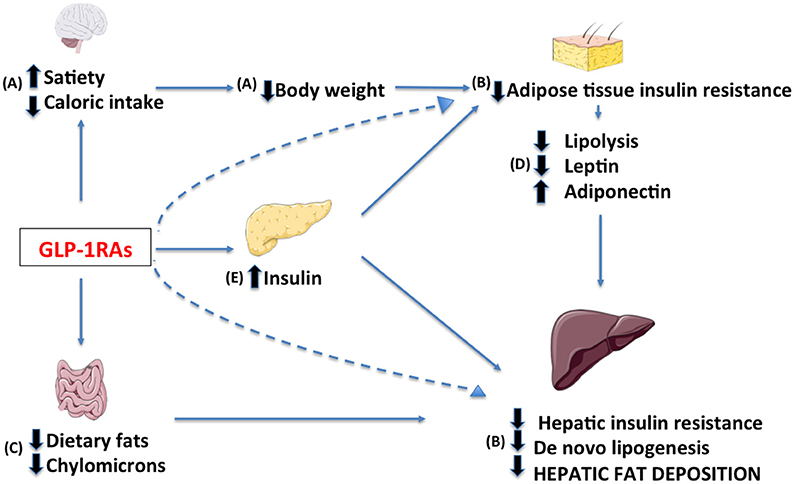
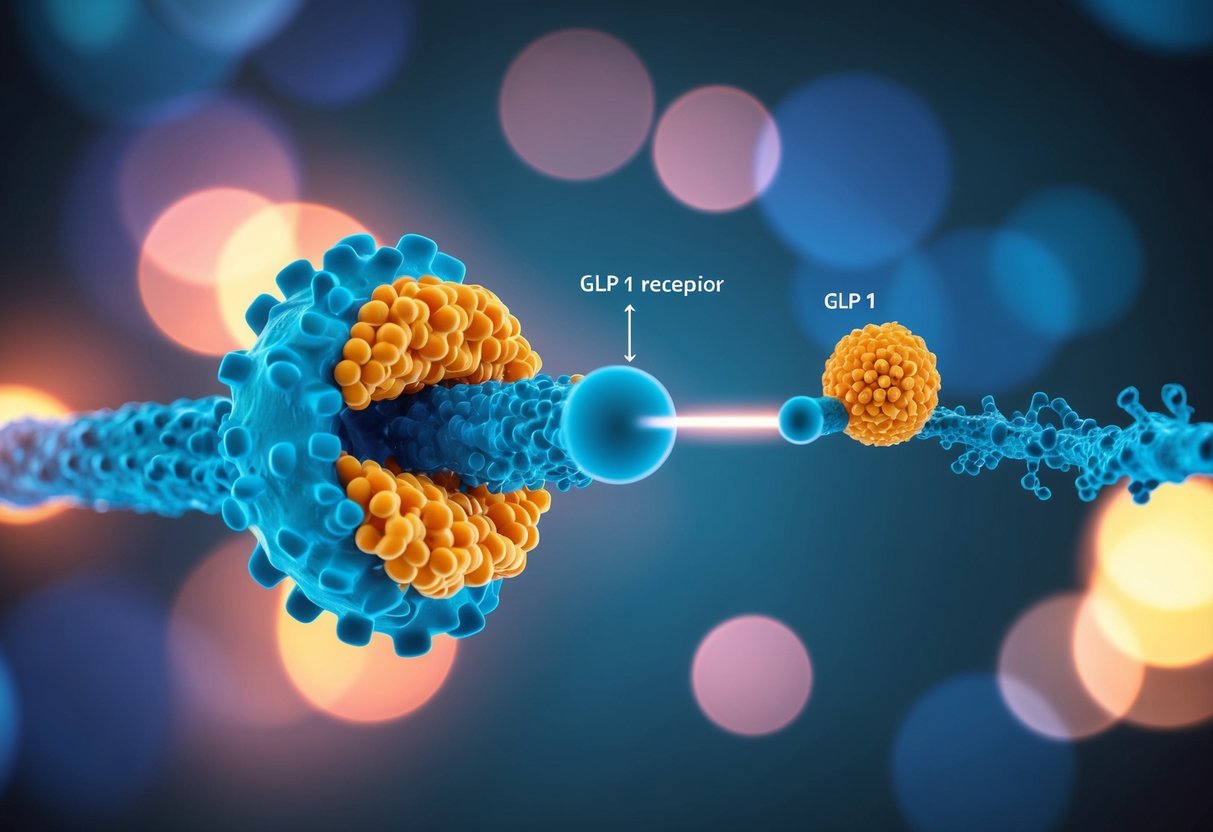
Insulin sensitivity refers to the body's ability to effectively use insulin, a hormone produced by the pancreas that regulates blood sugar levels. When we eat, our body releases insulin to facilitate the uptake of glucose by cells. In individuals with insulin resistance, the body's cells become less responsive to insulin, leading to elevated blood sugar levels. GLP-1 receptor agonists like semaglutide and tirzepatide bind to the GLP-1 receptor, stimulating insulin release from the pancreas and enhancing insulin sensitivity. This medication class has shown significant benefits in improving glycemic control, weight management, and cardiovascular health.How GLP-1 Receptor Agonists Enhance Insulin Sensitivity