GLP-1 Receptor Agonists and Magnesium Deficiency: A Hidden Connection
The Impact of GLP-1 Medications on Nutritional Balance
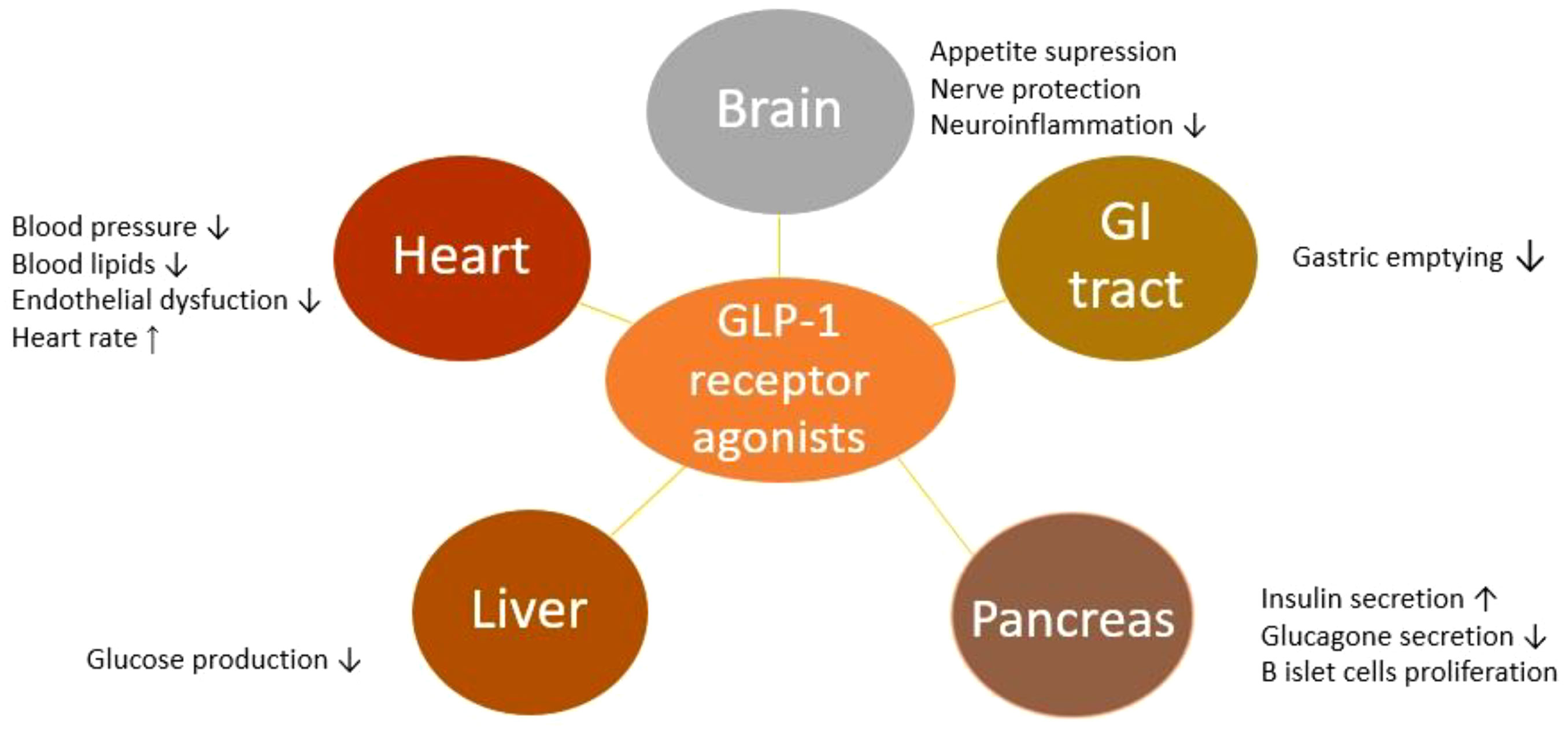
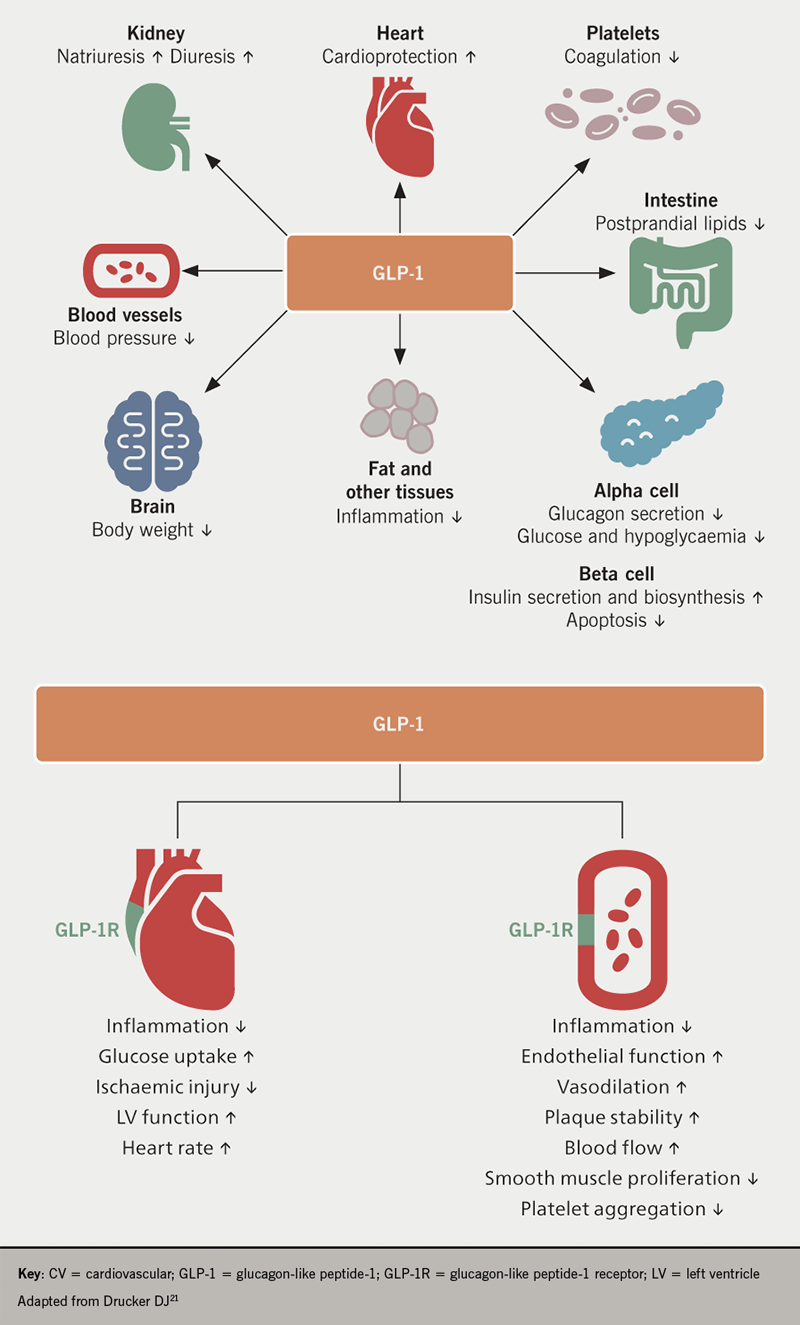
GLP-1 receptor agonists, such as semaglutide (Ozempic, Wegovy) and tirzepatide (Mounjaro, Zepbound), have revolutionized the treatment of obesity and type 2 diabetes. These medications work by regulating blood glucose levels, slowing stomach emptying, and suppressing appetite. However, their effectiveness comes with a hidden cost: a risk of magnesium deficiency. Magnesium is an essential mineral involved in over 300 enzymatic reactions, including energy production, muscle function, and nerve function. It also plays a crucial role in maintaining healthy blood sugar levels and preventing cardiovascular disease. However, GLP-1 receptor agonists can interfere with magnesium levels in several ways, leading to a potentially severe deficiency.Understanding the Relationship between GLP-1 and Magnesium
GLP-1 receptor agonists slow gastric emptying, which can lead to reduced food intake and increased urinary excretion of magnesium. Additionally, these medications can cause gastrointestinal side effects, such as nausea, vomiting, and diarrhea, which can further exacerbate magnesium loss. This can result in a deepening deficiency, particularly in individuals who are already at risk of magnesium deficiency.The Importance of Magnesium Supplementation for GLP-1 Users
Magnesium glycinate, a highly absorbable form of magnesium, is often recommended for individuals taking GLP-1 medications. This form of magnesium can help alleviate symptoms of magnesium deficiency, such as muscle cramps, fatigue, and palpitations. However, it is essential to consult with a healthcare provider before starting any supplement regimen, especially if you have kidney disease or other underlying health conditions.Types of Magnesium for GLP-1 Users