GLP-1 Therapy for Obesity: A Game-Changer in Weight Management
Obesity is a chronic disease that affects more than 4 in 10 adults in the United States, and nearly 1 in 10 Americans have severe obesity. While traditional weight loss methods, such as diet and exercise, have been effective for some, they can be challenging to maintain in the long term. This is where GLP-1 therapy for obesity comes in – a new and innovative approach to weight management.
What is GLP-1 Therapy?
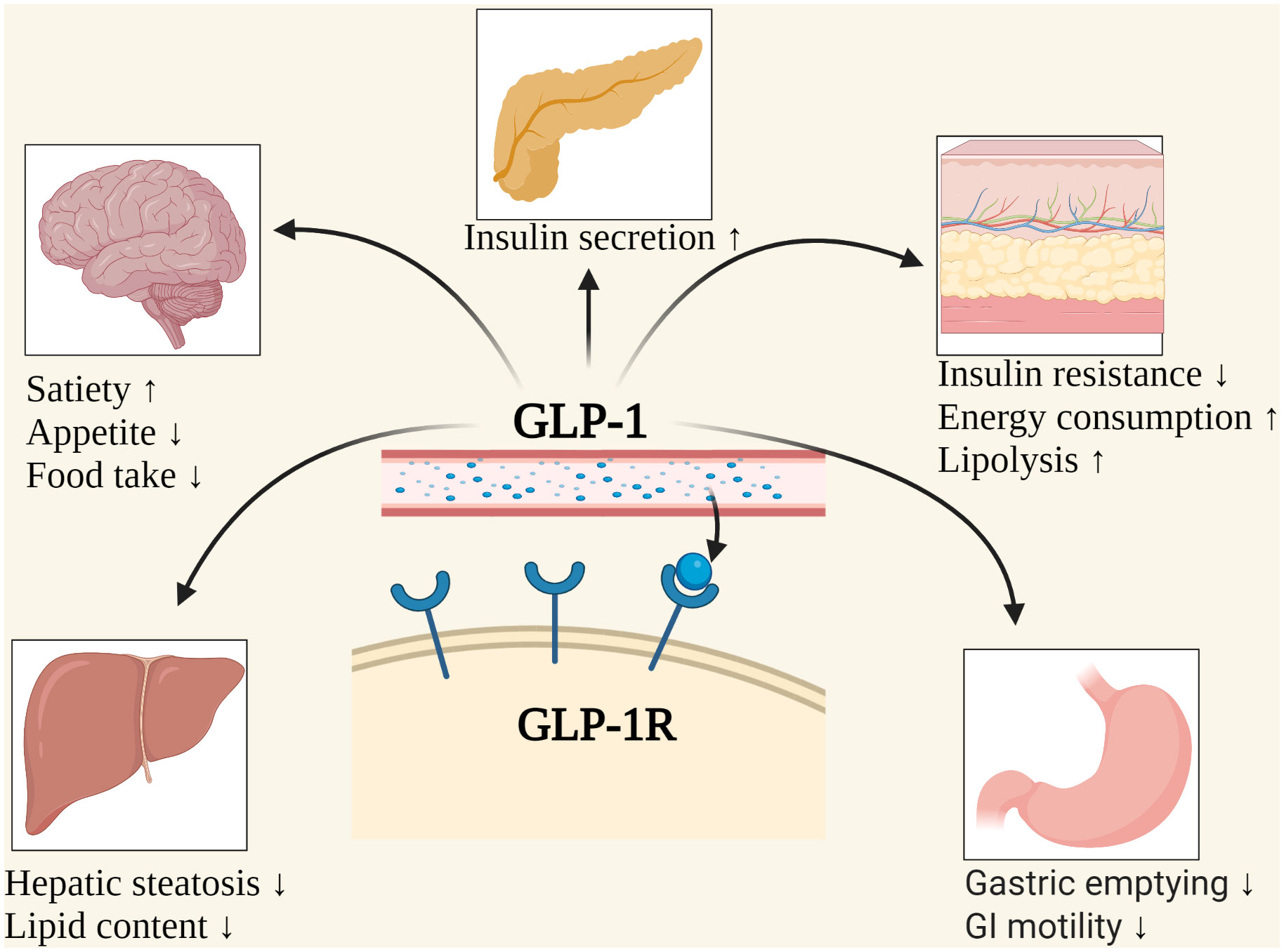
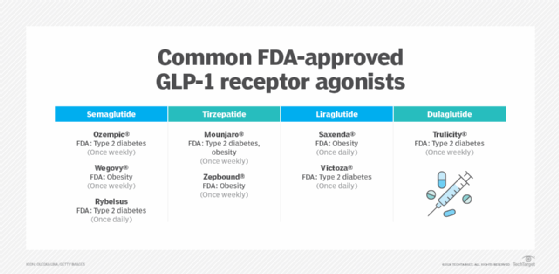
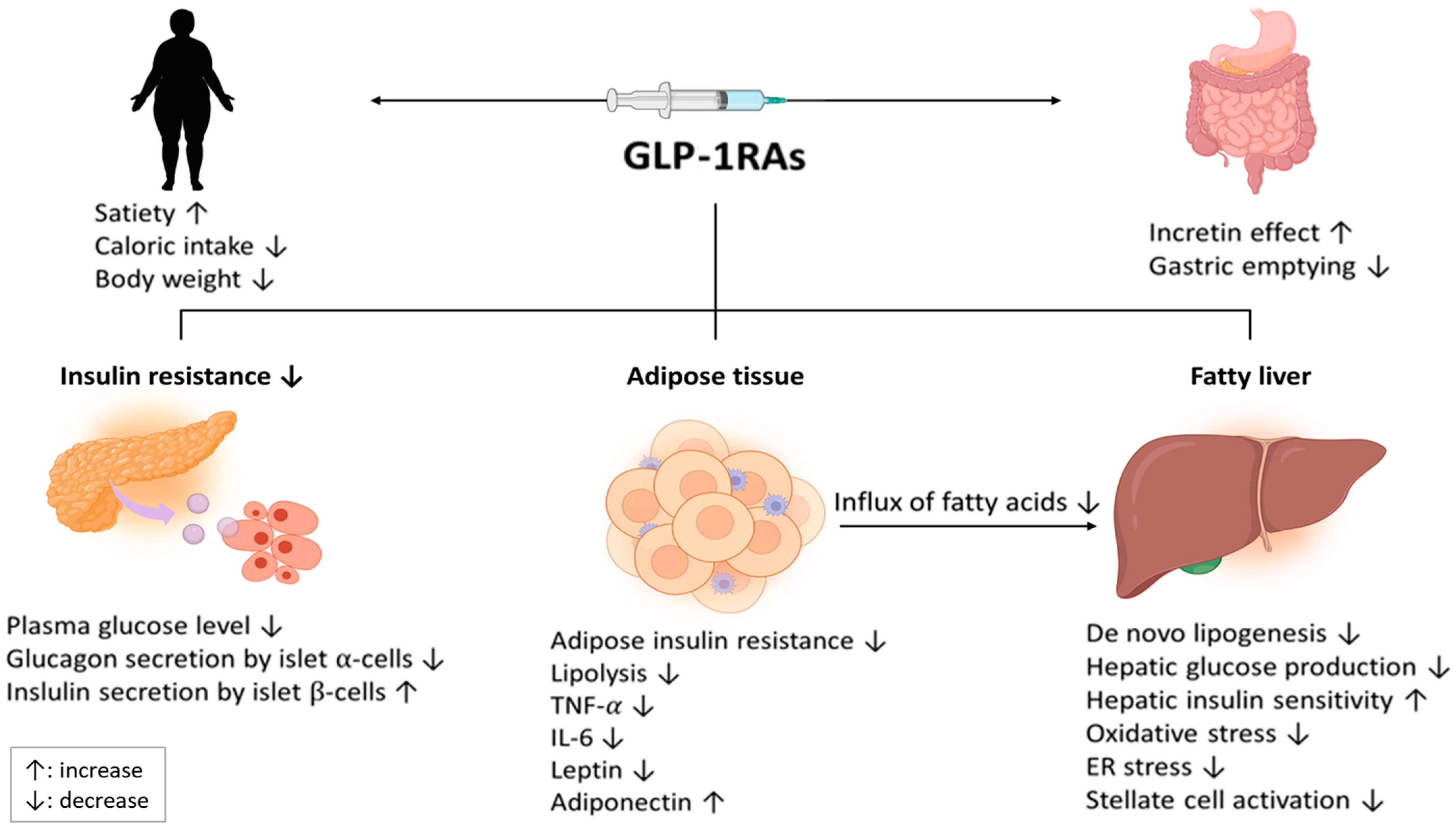
GLP-1 (Glucagon-like peptide-1) is a hormone that plays a crucial role in regulating blood sugar levels and appetite. GLP-1 agonists, such as semaglutide and liraglutide, mimic the natural hormone to promote weight loss and improve metabolic health. These medications work by slowing gastric emptying, reducing appetite, and increasing feelings of fullness.
The Benefits of GLP-1 Therapy for Obesity
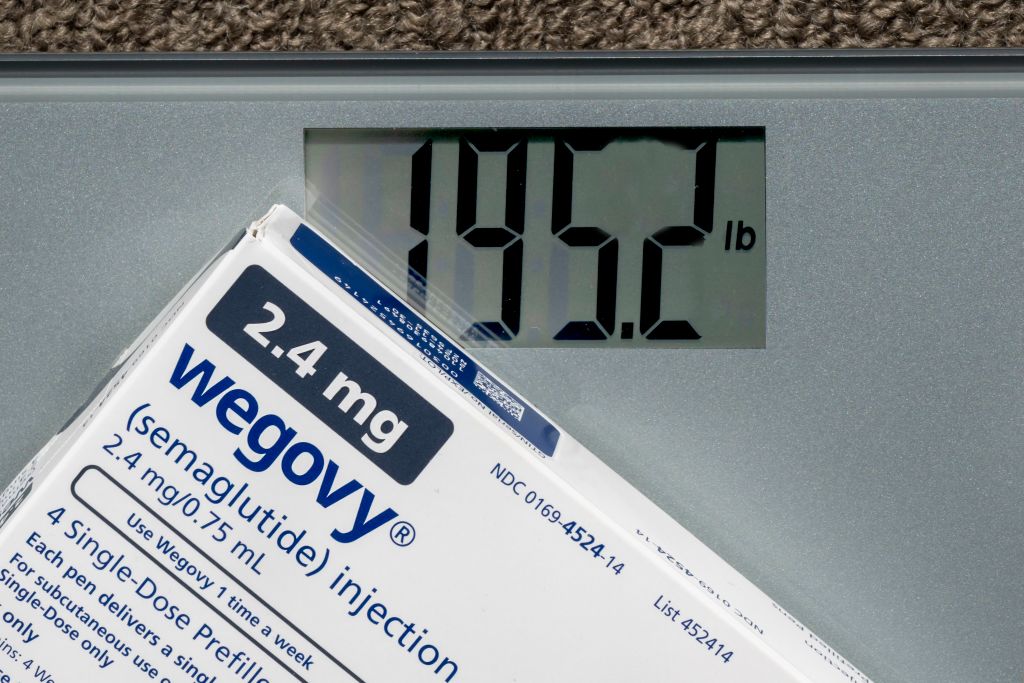
- Significant weight loss: Studies have shown that GLP-1 therapy can lead to significant weight loss, with some patients losing up to 10% of their body weight.
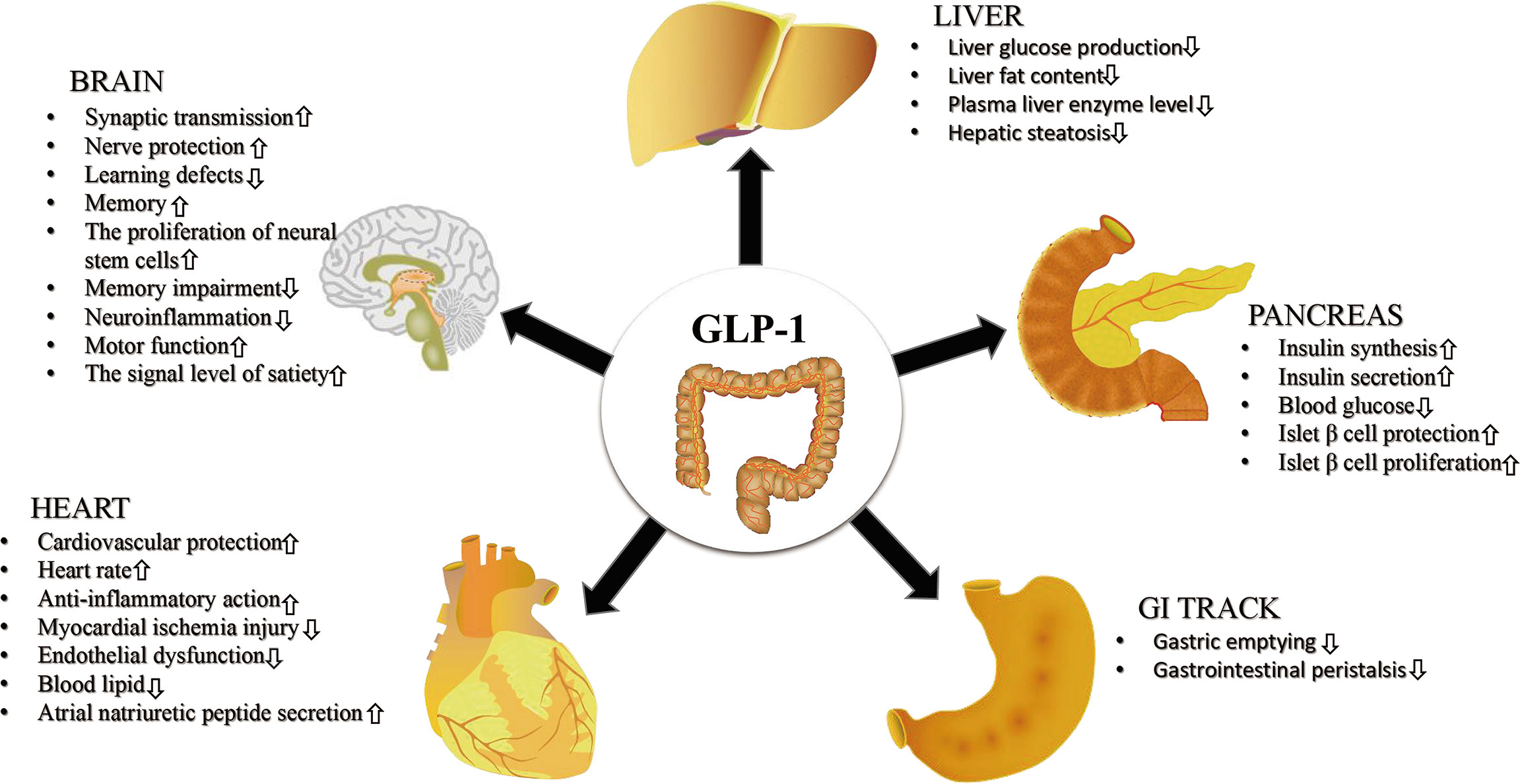
- Improved metabolic health: GLP-1 therapy has been shown to improve insulin sensitivity, reduce blood sugar levels, and lower blood pressure.
- Reduced cardiovascular risk: GLP-1 therapy has been associated with a reduced risk of cardiovascular events, such as heart attacks and strokes.
- Increased sense of fullness: GLP-1 therapy can help reduce hunger and increase feelings of fullness, making it easier to stick to a weight loss diet.
How Does GLP-1 Therapy Work?

GLP-1 therapy works by mimicking the natural hormone GLP-1, which is released in the gut in response to eating. When GLP-1 is released, it stimulates the release of insulin, which helps to regulate blood sugar levels. GLP-1 agonists, such as semaglutide and liraglutide, work by:
- Slowing gastric emptying: GLP-1 agonists slow the movement of food from the stomach to the small intestine, reducing the rate at which glucose enters the bloodstream.
- Reducing appetite: GLP-1 agonists help to reduce hunger and increase feelings of fullness, making it easier to stick to a weight loss diet.
- Increasing insulin sensitivity: GLP-1 agonists improve insulin sensitivity, allowing glucose to enter the cells more efficiently and reducing blood sugar levels.
The Future of GLP-1 Therapy for Obesity
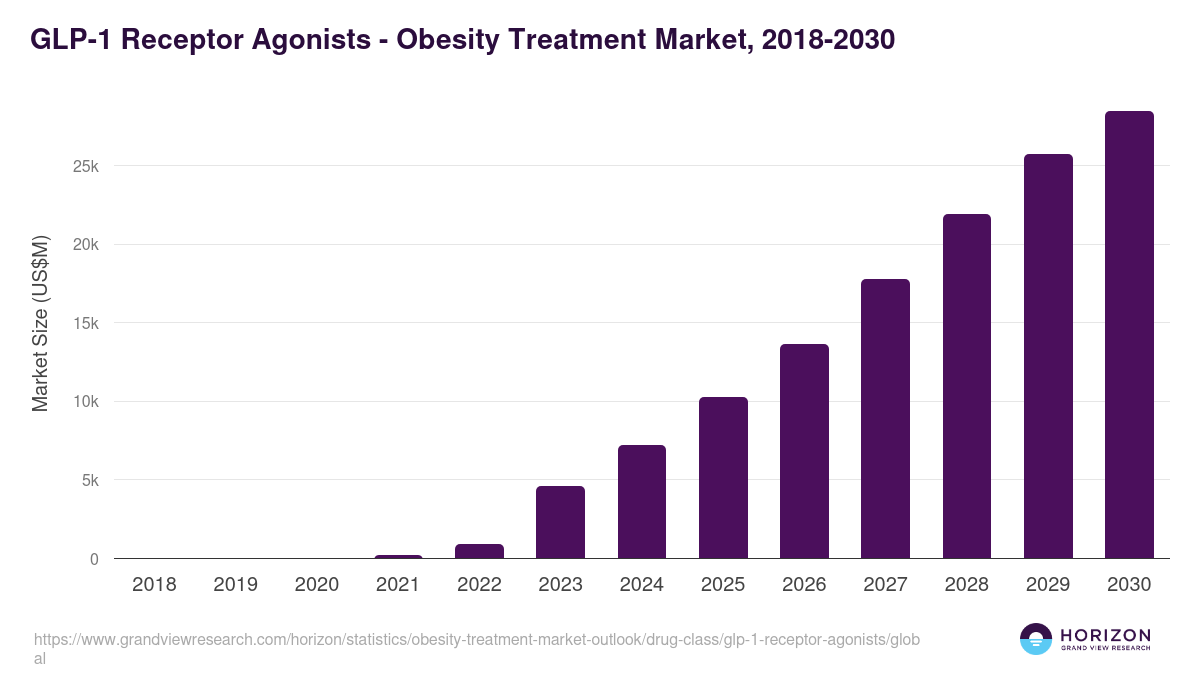
GLP-1 therapy is a rapidly evolving field, with new and innovative treatments emerging all the time. Researchers are exploring the use of GLP-1 therapy in combination with other medications, such as metformin, to improve weight loss and metabolic health. Additionally, new GLP-1 agonists, such as tirzepatide, are being developed to target specific weight loss and metabolic health benefits.
Conclusion
GLP-1 therapy for obesity is a game-changer in weight management. With its significant weight loss, improved metabolic health, and reduced cardiovascular risk, GLP-1 therapy offers a new and innovative approach to treating obesity. As research continues to evolve, we can expect to see even more effective and convenient treatments emerge. If you're struggling with obesity, talk to your healthcare provider about GLP-1 therapy – it may be the solution you've been looking for.