G Network Settings Tutorial for Beginners
Are you a beginner looking to set up a network for your home or small business? Look no further! In this article, we'll guide you through the basics of network settings and provide a step-by-step tutorial on how to set up a simple network using OPNsense.
What is a Network?
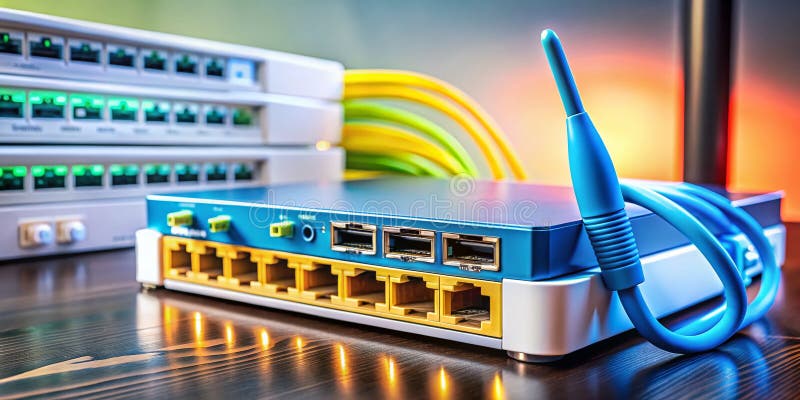
A network is a group of connected devices that communicate with each other to share data and resources. It enables efficient communication and supports services like email, file sharing, and internet access. Nodes are devices such as computers, mobiles, or printers that exchange data. Routers and switches control and direct the flow of information. Transmission media carries data between nodes.
Why is Network Settings Important?
Network settings are crucial for ensuring that your devices can communicate with each other and access the internet. Proper network settings can help you troubleshoot connectivity issues, improve network performance, and enhance overall security.
Basic Network Concepts
- Network Topology: The physical or logical arrangement of devices in a network.
- OSI Model: A conceptual framework for understanding how data is transmitted over a network.
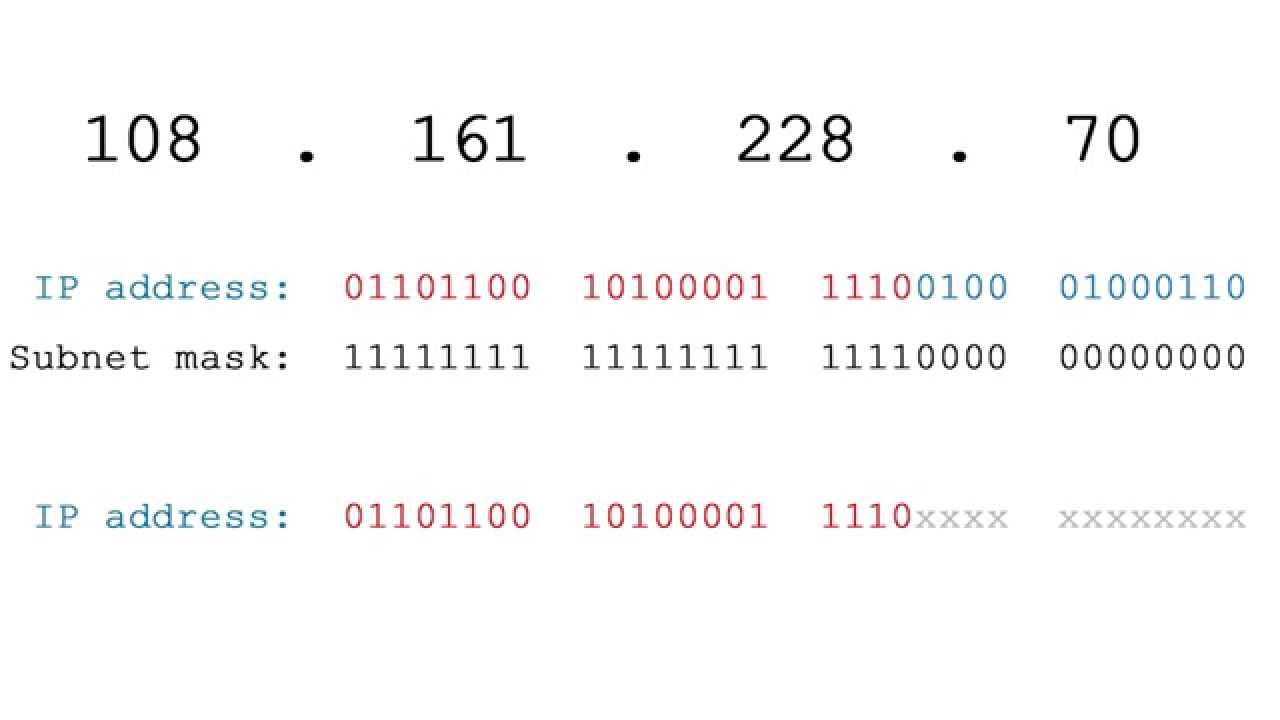
- IP Addressing: The process of assigning a unique IP address to each device on a network.
- Subnet Mask: A bit mask that determines which IP addresses are on the same network.
- Gateway: The device that connects a local network to a wider network, such as the internet.
Setting Up a Simple Network with OPNsense
OPNsense is a free and open-source firewall that can be used to set up a simple network. Here's a step-by-step guide to get you started:

Step 1: Download and install OPNsense on a computer or virtual machine.
Step 2: Configure the network interface: Set the IP address, subnet mask, gateway, and DNS server addresses.
Step 3: Set up the firewall: Configure the firewall rules to allow incoming and outgoing traffic.
Step 4: Add devices to the network: Connect your devices to the network using a switch or router.
Step 5: Test the network: Verify that all devices can communicate with each other and access the internet.
Tips and Tricks for Beginners
- Use a simple network topology, such as a hub-and-spoke topology, to start with.
- Use a router or switch to connect your devices to the network.
- Configure the firewall rules to allow only necessary traffic.
- Use a password manager to securely store your network passwords.
- Regularly update your network firmware and software to ensure security and performance.
Conclusion
In this article, we've provided a comprehensive guide to network settings and a step-by-step tutorial on how to set up a simple network using OPNsense. By following these tips and tricks, beginners can ensure that their network is secure, efficient, and easy to manage. Remember to stay up-to-date with the latest network technologies and best practices to keep your network running smoothly.