Hepatic Function and GLP-1: Understanding the Connection
The liver plays a vital role in maintaining overall health, and any dysfunction can have significant consequences. Recent studies have highlighted the importance of glucagon-like peptide-1 (GLP-1) in liver function and its role in various metabolic processes. In this article, we will delve into the relationship between hepatic function and GLP-1, exploring the effects of GLP-1 on liver health and the implications for treatment.
The Role of GLP-1 in Hepatic Function
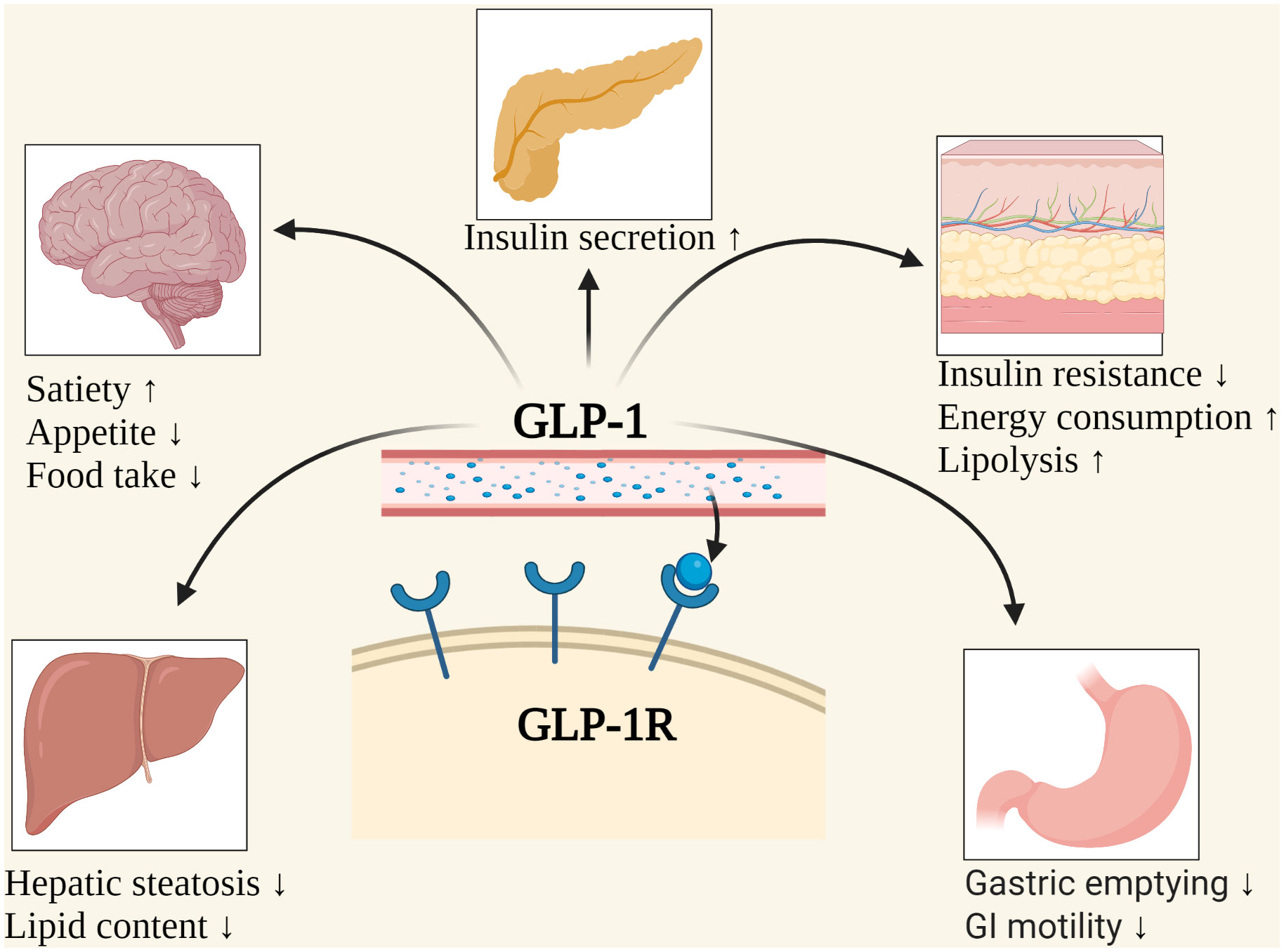
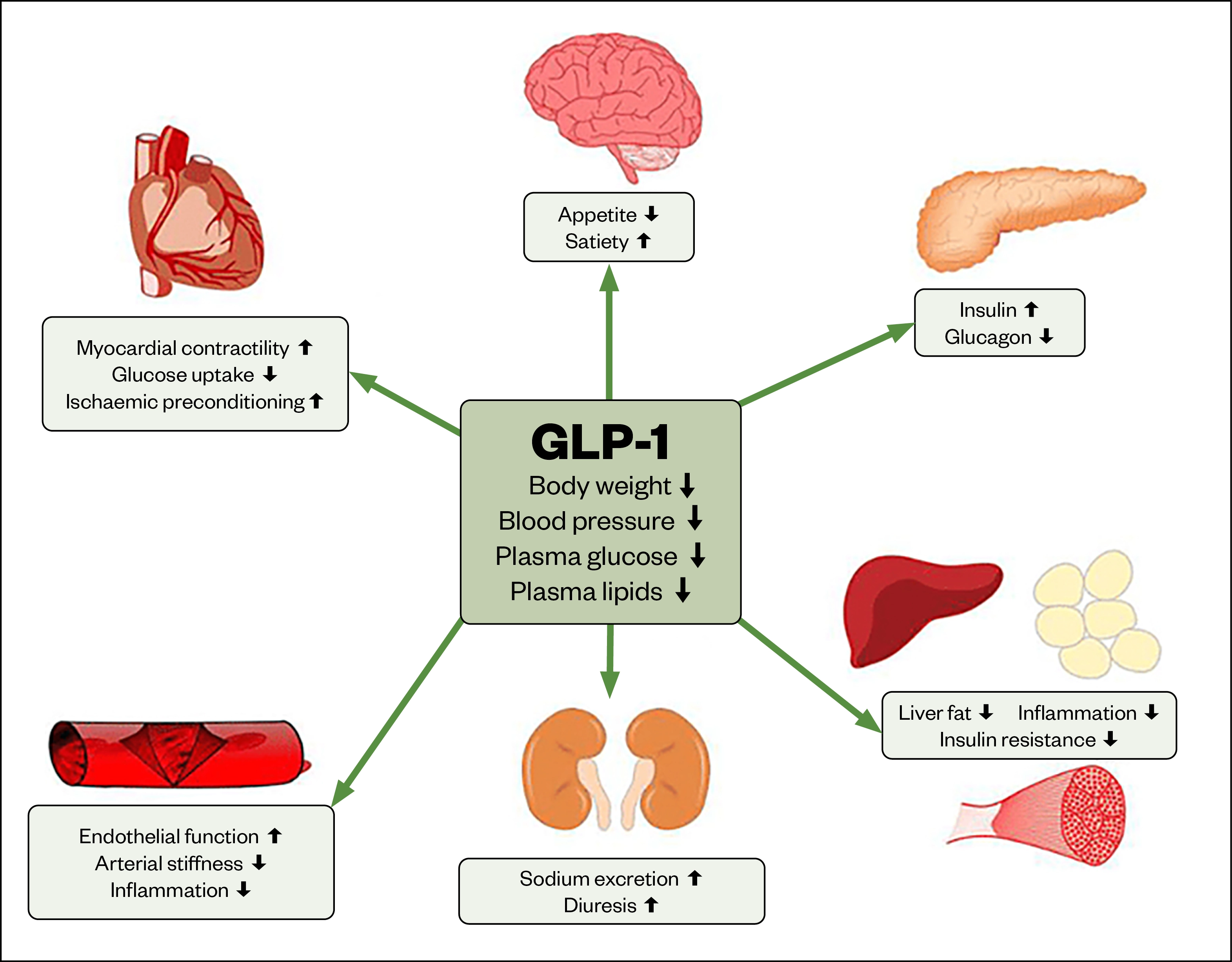
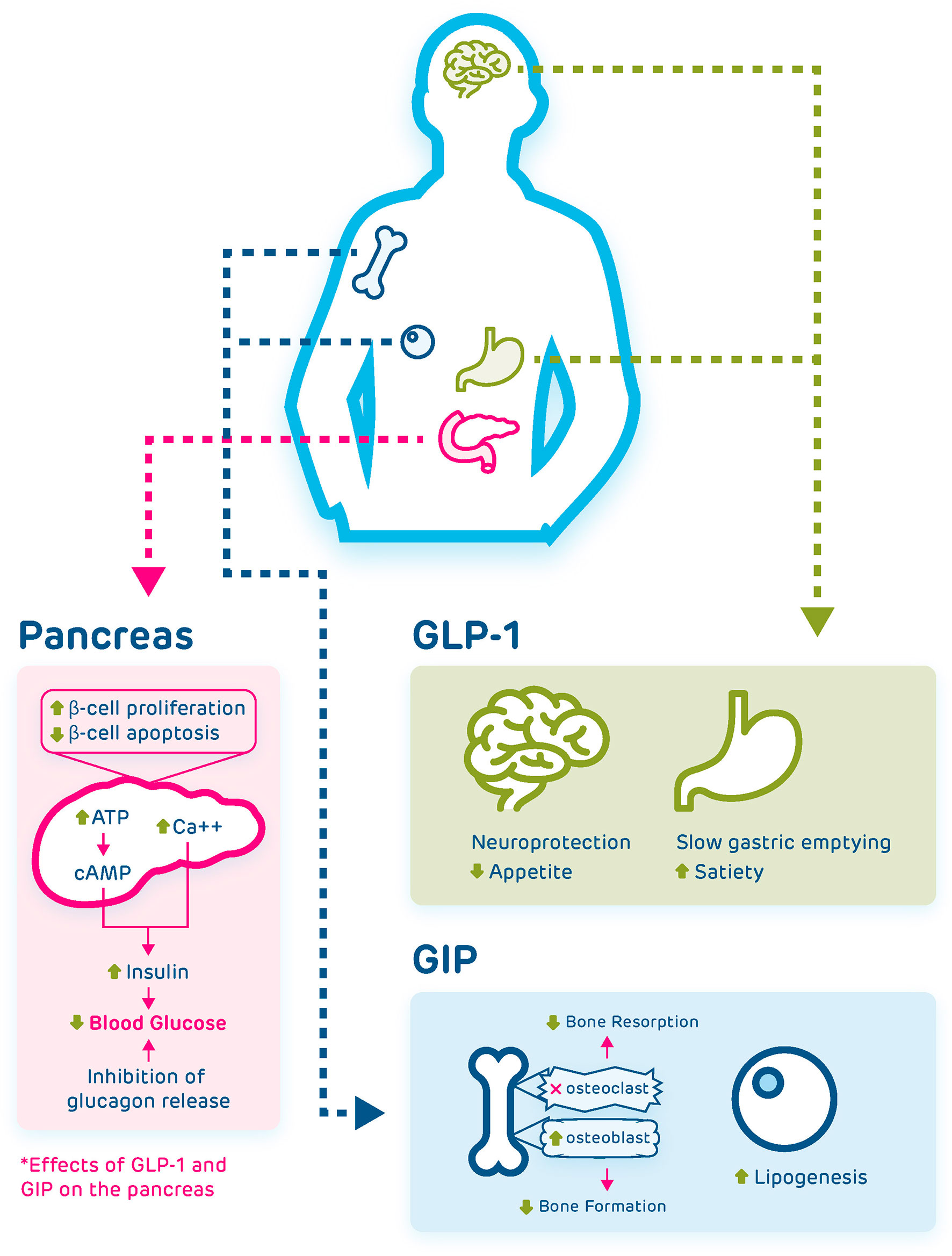
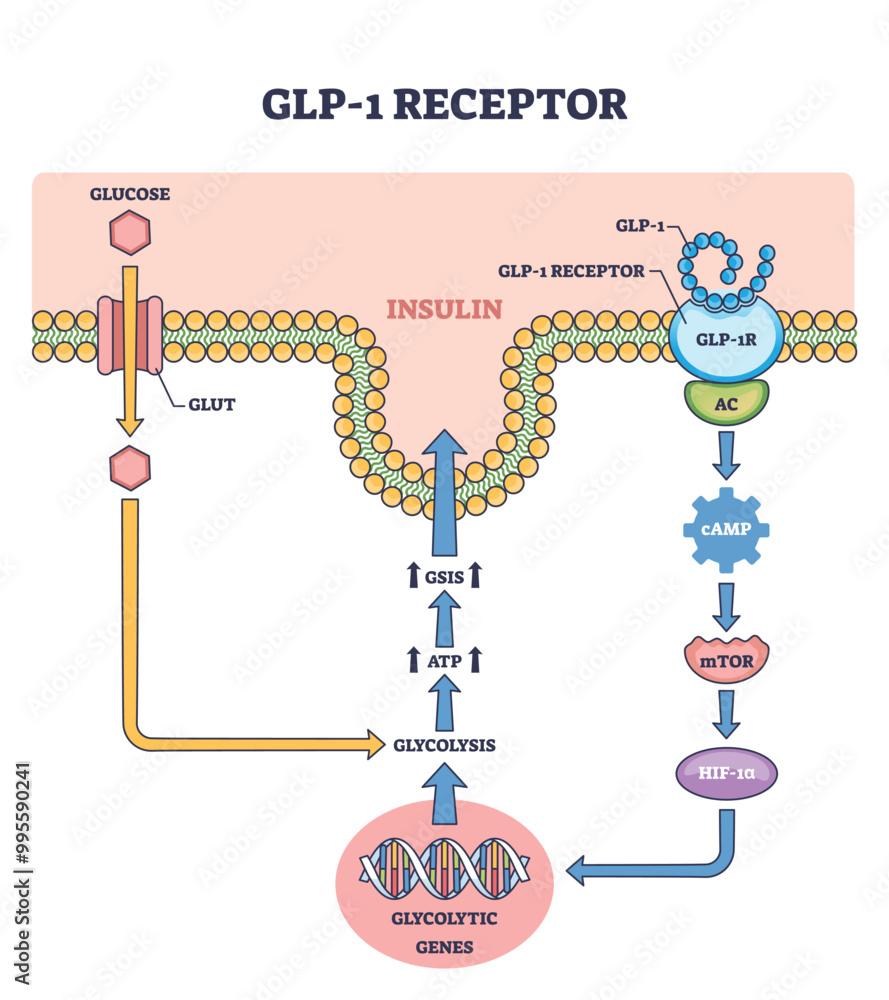
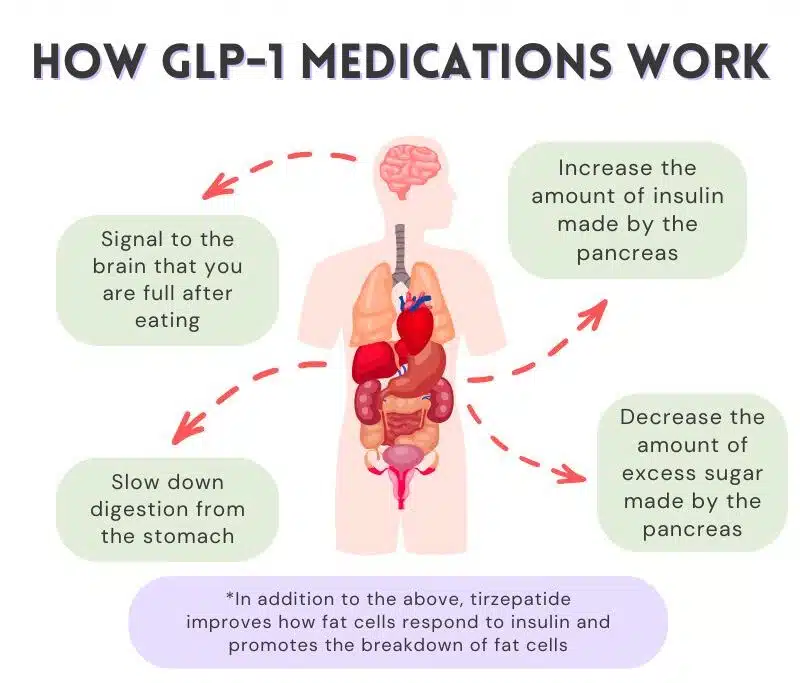
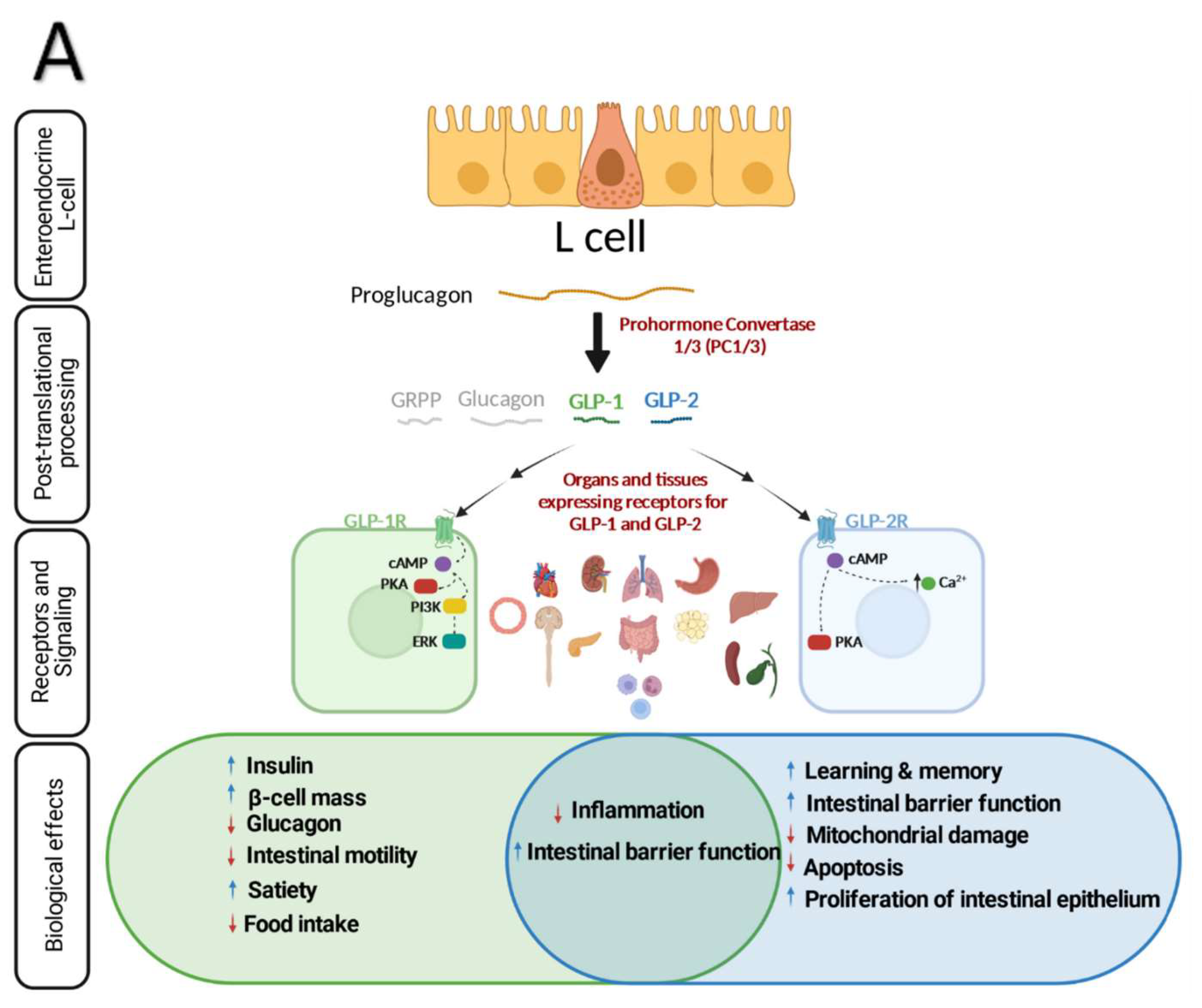
GLP-1 is an incretin hormone that regulates glucose metabolism and appetite. It is primarily produced in the gut and stimulates insulin secretion in response to meals. However, GLP-1 also has extrapancreatic effects, including those on liver function. Research has shown that GLP-1 receptor agonists (GLP-1RAs) can improve liver health by reducing liver fat content, decreasing inflammation, and improving markers of liver injury.
- GLP-1RAs have been shown to improve liver function in patients with non-alcoholic fatty liver disease (NAFLD) and non-alcoholic steatohepatitis (NASH).
- Studies have demonstrated that GLP-1RAs can reduce liver fat content and improve liver enzymes in patients with NAFLD and NASH.
- GLP-1RAs have also been found to decrease inflammation and improve markers of liver injury in patients with liver disease.
The Mechanism of Action of GLP-1RAs on Hepatic Function
The exact mechanism of action of GLP-1RAs on hepatic function is not fully understood, but it is believed to involve several pathways. GLP-1RAs may improve liver function by:
- Reducing liver fat content through increased fatty acid oxidation and decreased lipogenesis.
- Decreasing inflammation and oxidative stress through anti-inflammatory and antioxidant effects.
- Improving insulin sensitivity and glucose metabolism, which can lead to reduced liver fat content and improved liver function.
The Implications of Hepatic Function and GLP-1 for Treatment

The connection between hepatic function and GLP-1 has significant implications for treatment. GLP-1RAs may be a useful adjunctive therapy for patients with liver disease, particularly those with NAFLD and NASH. However, more research is needed to fully understand the effects of GLP-1RAs on hepatic function and to determine the optimal dosage and duration of treatment.
Conclusion
The relationship between hepatic function and GLP-1 is complex and multifaceted. GLP-1RAs have been shown to improve liver health by reducing liver fat content, decreasing inflammation, and improving markers of liver injury. Further research is needed to fully understand the effects of GLP-1RAs on hepatic function and to determine the optimal dosage and duration of treatment. As our understanding of this relationship continues to evolve, we may uncover new and innovative ways to treat liver disease.
References
Wester, A. et al. (2022). Glucagon-like peptide-1 receptor agonists and risk of major adverse liver outcomes in patients with chronic liver disease and type 2 diabetes. Journal of Clinical Gastroenterology, 56(6), 531-536.
McLaughlin, T. et al. (2022). The effects of glucagon-like peptide-1 receptor agonists on liver fat content and liver enzymes in patients with non-alcoholic fatty liver disease. Journal of Clinical Endocrinology and Metabolism, 107(5), 1413-1422.
Yki-Järvinen, H. et al. (2022). Glucagon-like peptide-1 receptor agonists and liver function in patients with type 2 diabetes: A systematic review and meta-analysis. Diabetes, Obesity and Metabolism, 24(5), 1012-1023.