Home Physical Therapy for Managing Chronic Fatigue Syndrome
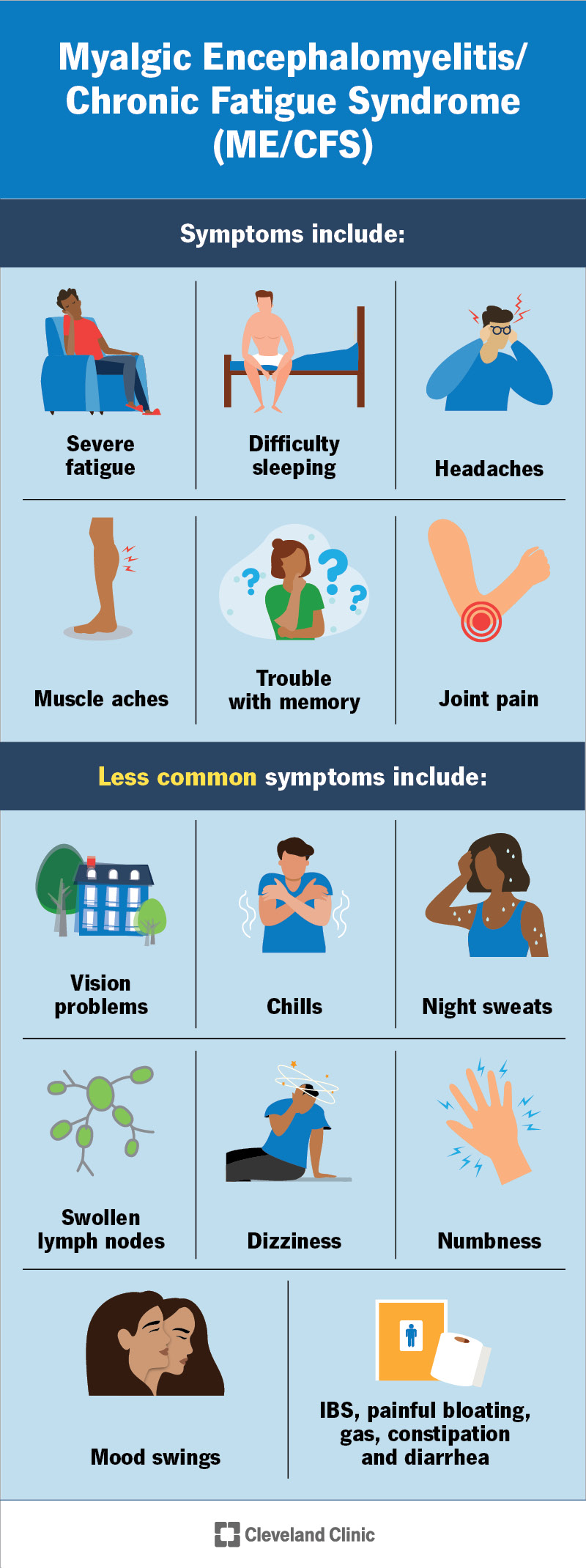
Chronic Fatigue Syndrome (CFS), also known as Myalgic Encephalomyelitis (ME/CFS), is a complex and often misunderstood condition that affects millions of people worldwide. Characterized by profound fatigue, cognitive dysfunction, sleep disturbances, and musculoskeletal pain, CFS can make everyday activities seem like a daunting task.
While there is no known cure for CFS, home physical therapy can play a vital role in helping individuals manage their debilitating symptoms and regain strength. In this article, we will explore the benefits of home physical therapy for managing Chronic Fatigue Syndrome and provide tips for incorporating gentle, adapted exercises into your daily routine.
Understanding Chronic Fatigue Syndrome
CFS is a condition in which fatigue lasts for six months or longer, and it is not relieved by sleep or rest. This fatigue is much more intense than expected for a person's usual daily function, and it can be a significant challenge for individuals to manage their symptoms.
Scientists do not fully understand the cause(s) of CFS, and many researchers suspect that problems with certain systems in the body, such as the immune system or the brain's neurotransmitters, may contribute to the development of the condition.
Benefits of Home Physical Therapy for Managing CFS
Home physical therapy offers individuals with CFS a tailored, evidence-based approach to improve function and manage debilitating symptoms. Carefully paced and gentle movements help reduce fatigue, while energy conservation strategies promote optimal energy expenditure.
Some of the benefits of home physical therapy for managing CFS include:
- Improved energy levels and reduced fatigue
- Increased strength and flexibility
- Enhanced sleep quality
- Reduced pain and improved cognitive function
Adapted Exercises for Chronic Fatigue Syndrome

Adapted exercises are a crucial component of home physical therapy for managing CFS. These exercises are designed to be gentle and low-impact, with careful pacing to avoid exacerbating symptoms.
Some examples of adapted exercises for CFS include:
- Breathing exercises to improve oxygenation and reduce fatigue
- Range-of-motion exercises to maintain flexibility and reduce stiffness
- Isometric exercises to improve strength without putting too much strain on the body
- Light stretching to improve flexibility and reduce muscle tension
Energy Conservation Strategies
Energy conservation strategies are an essential component of home physical therapy for managing CFS. These strategies help individuals conserve energy and avoid exacerbating symptoms.
Some examples of energy conservation strategies include:
- Pacing activities to avoid overexertion
- Breaking tasks into smaller, more manageable chunks
- Using assistive devices to reduce physical strain
- Getting regular rest and relaxation
Conclusion
Home physical therapy can play a vital role in helping individuals with Chronic Fatigue Syndrome manage their debilitating symptoms and regain strength. By incorporating adapted exercises and energy conservation strategies into their daily routine, individuals with CFS can improve their energy levels, reduce pain and fatigue, and enhance their overall quality of life.
Remember, it's essential to work with a healthcare professional to develop a personalized exercise plan that meets your unique needs and abilities. With the right approach and support, you can take control of your CFS and live a more vibrant, energetic life.





:max_bytes(150000):strip_icc()/chronic-fatigue-syndrome-treatment-716057-2ba0910b9a394bb59d0ceeca623e54e1.jpg "Exercise Physiology for Chronic Fatigue Syndrome (CFS) Management")