How GLP-1 Receptor Agonists Improve Glucose Tolerance in Pre-Diabetes Diets
As the global prevalence of pre-diabetes continues to rise, researchers and healthcare professionals are increasingly focusing on the role of glucagon-like peptide-1 (GLP-1) receptor agonists in improving glucose tolerance. These medications, which mimic the action of the natural hormone GLP-1, have been shown to be effective in reducing blood sugar levels and promoting weight loss in individuals with pre-diabetes.
What are GLP-1 Receptor Agonists?
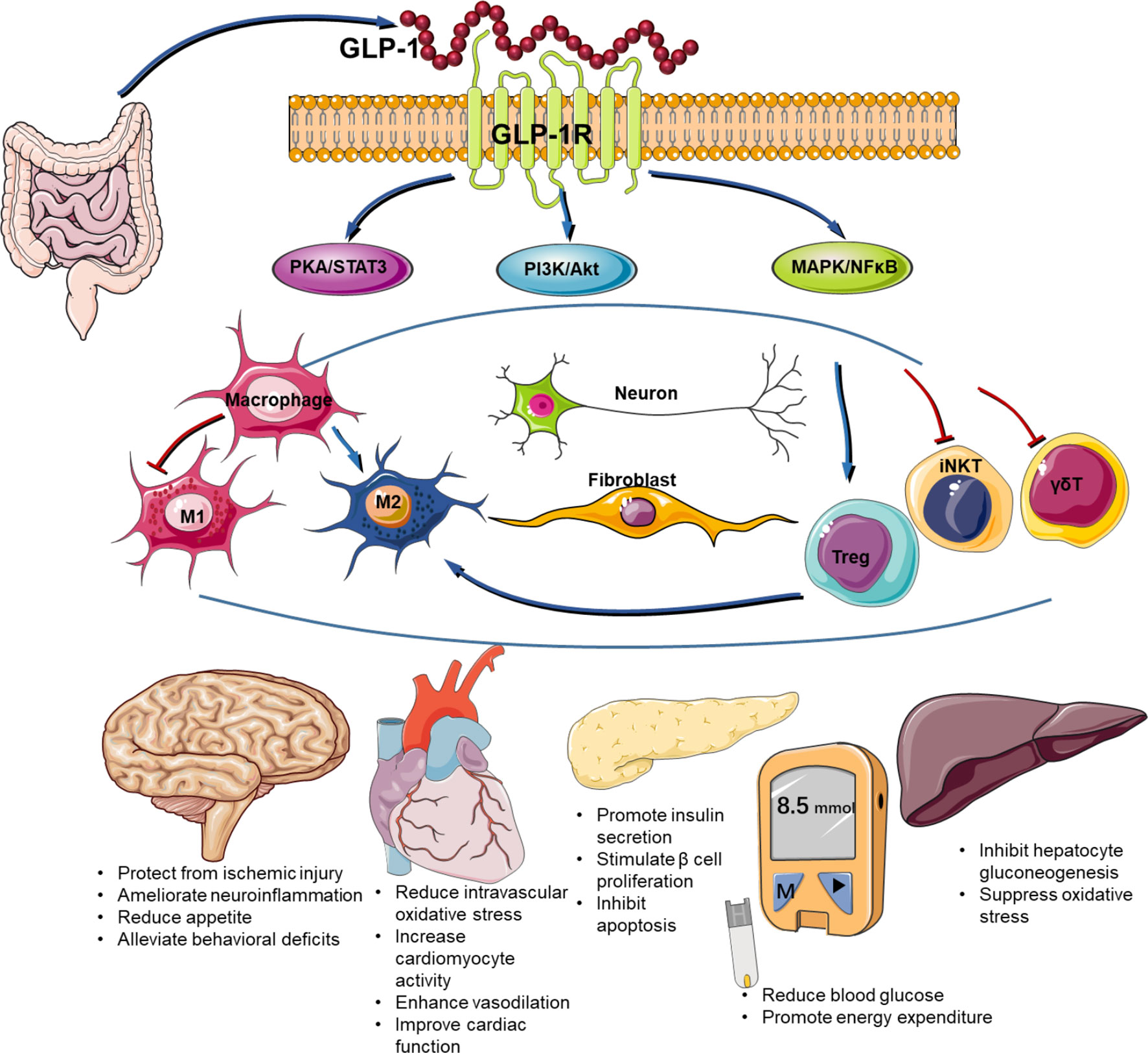
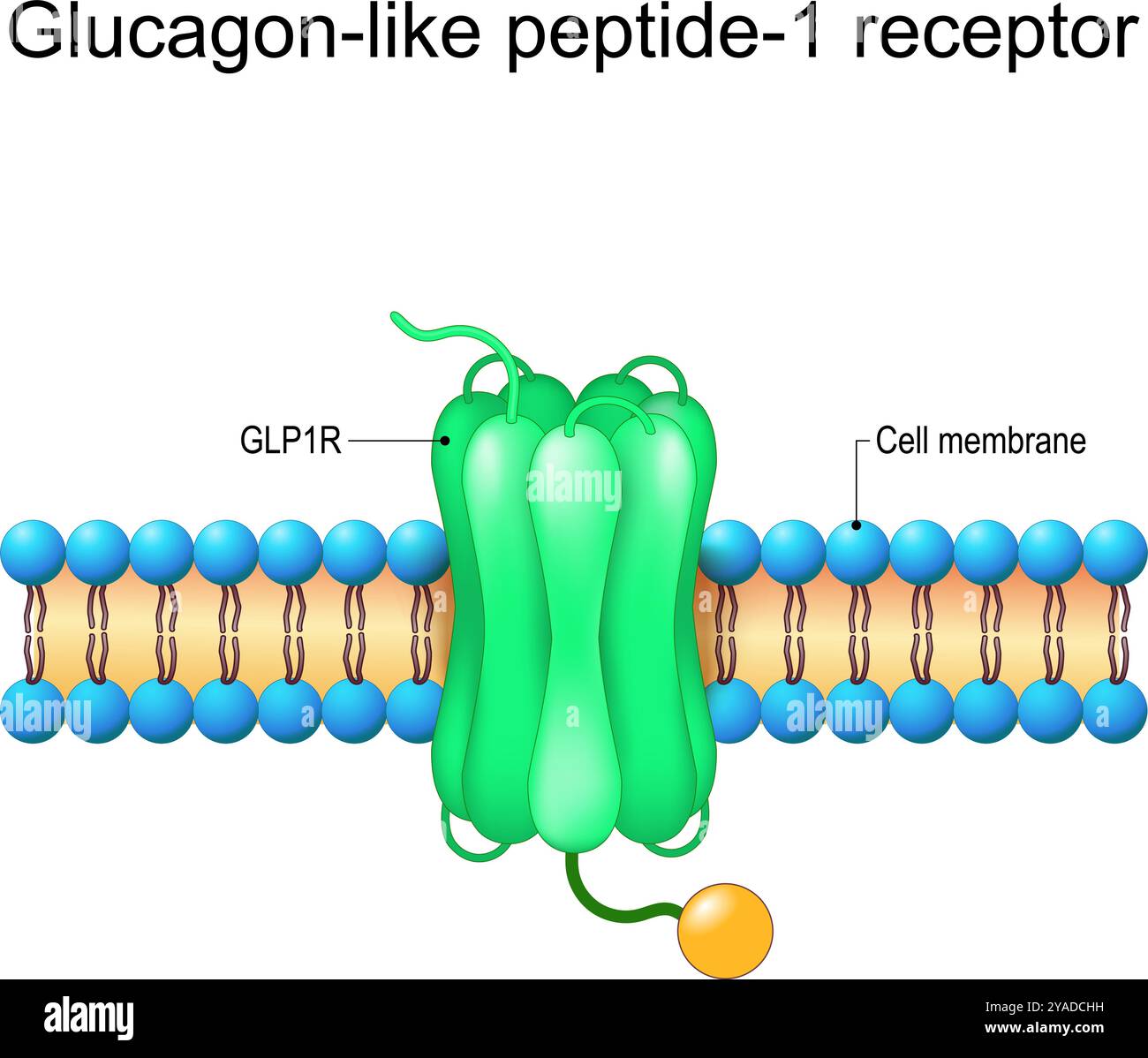
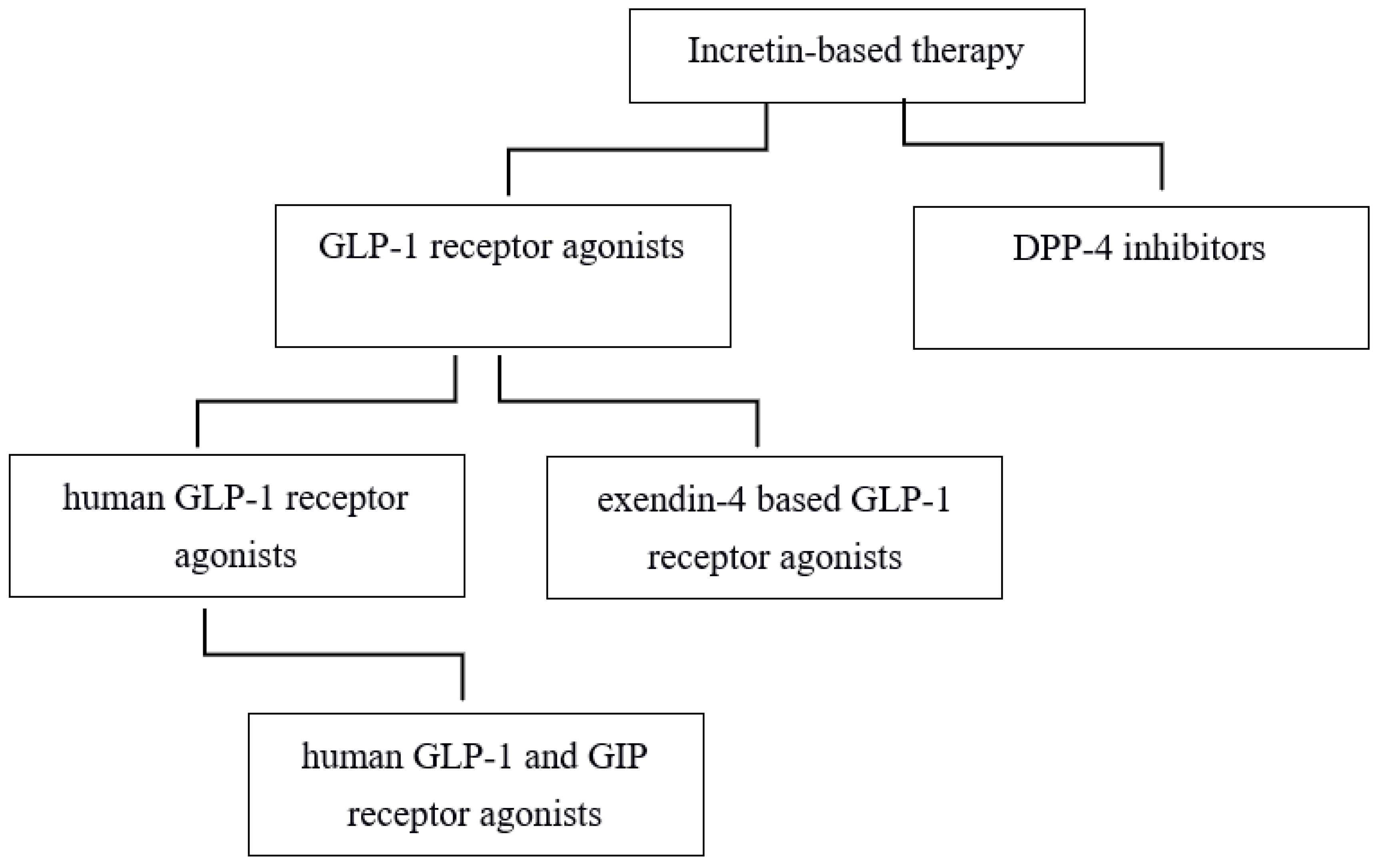
GLP-1 receptor agonists are a class of medications that bind to the GLP-1 receptor, mimicking the action of the natural hormone GLP-1. GLP-1 is a key regulator of glucose metabolism, and its levels are typically elevated in response to a meal. In individuals with pre-diabetes, the body's ability to produce GLP-1 is impaired, leading to poor glucose tolerance. By mimicking the action of GLP-1, GLP-1 receptor agonists can help restore normal glucose metabolism.
How Do GLP-1 Receptor Agonists Improve Glucose Tolerance?
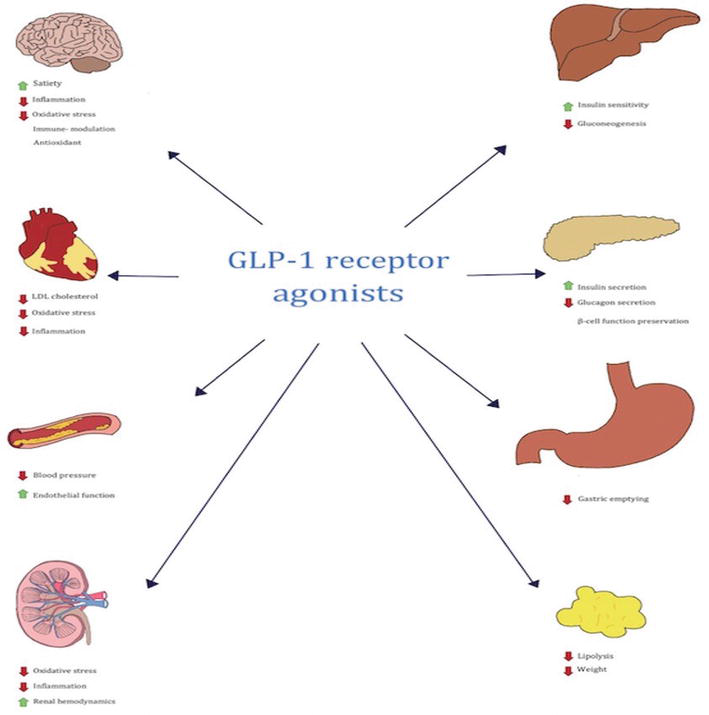
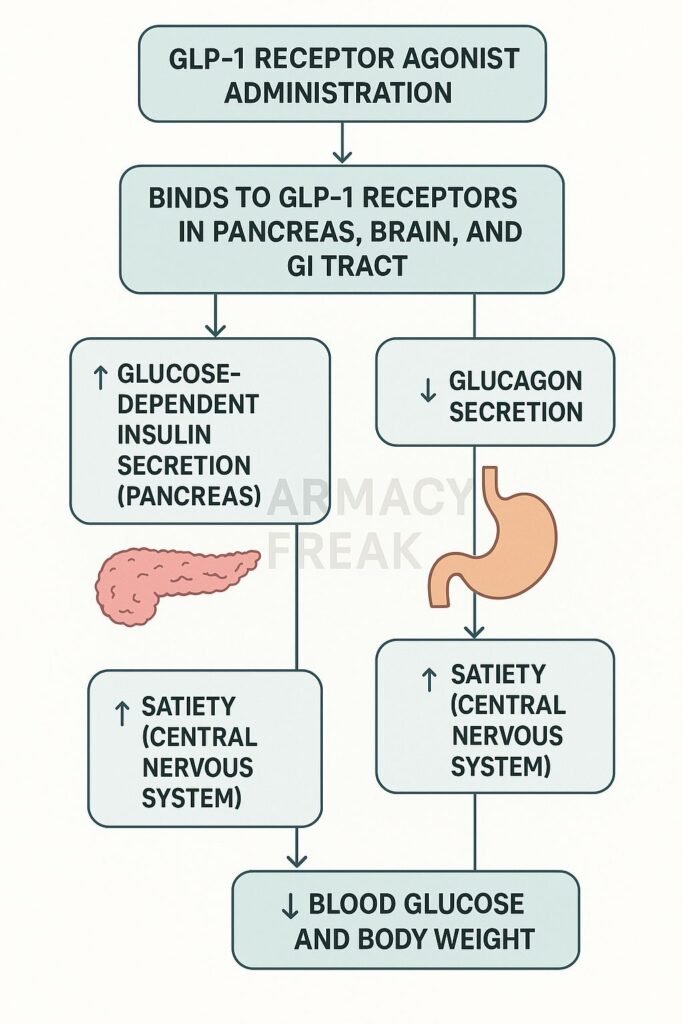
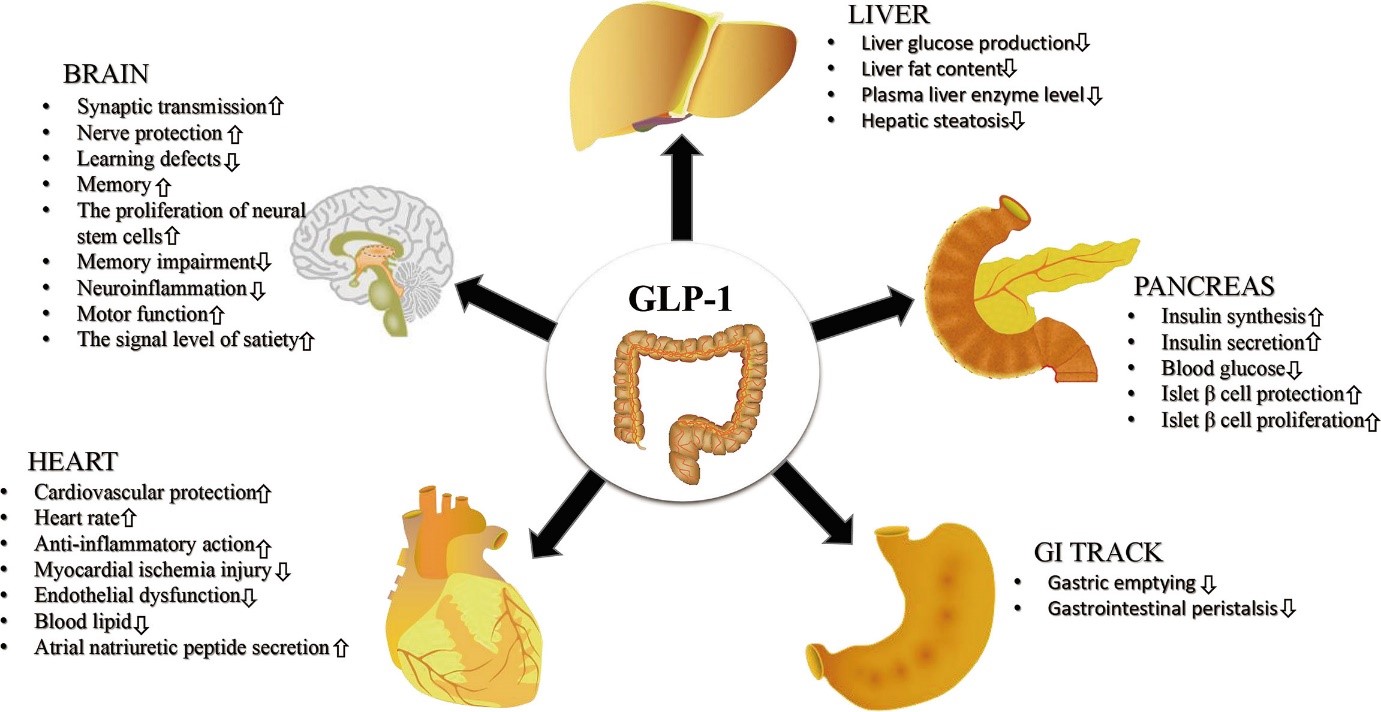
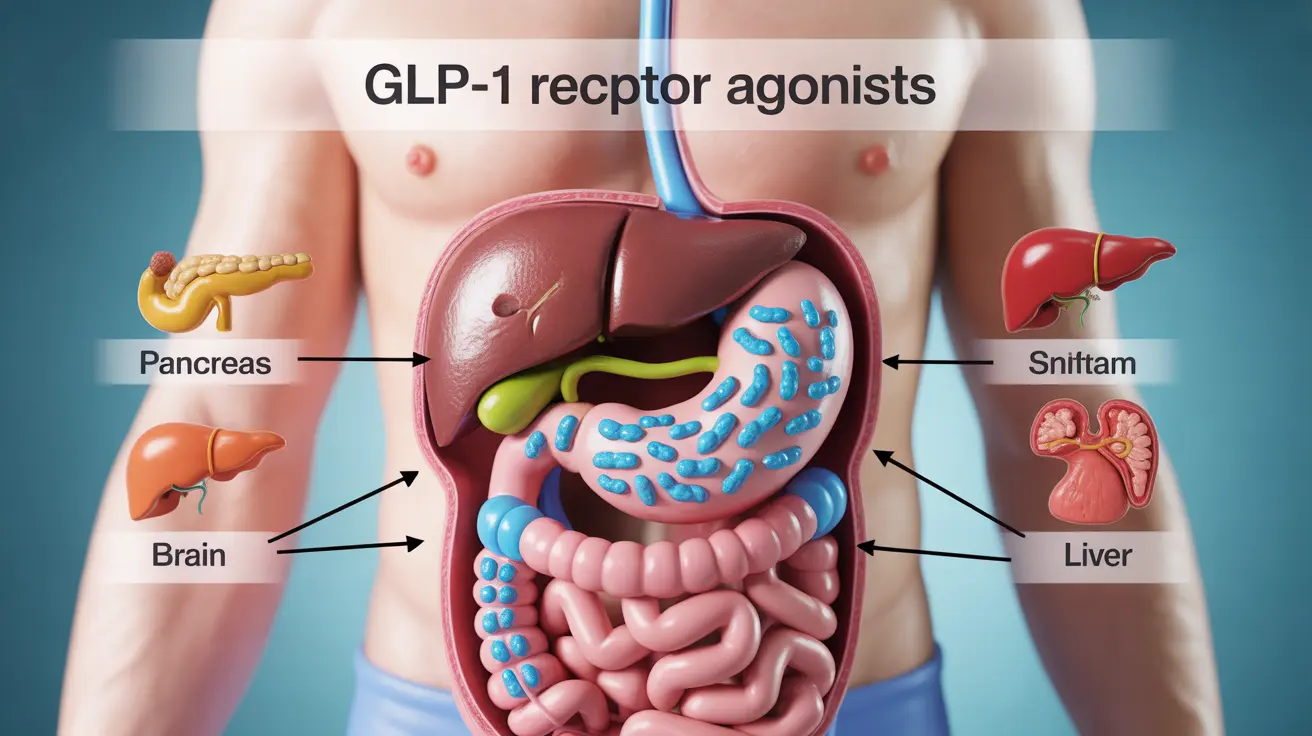
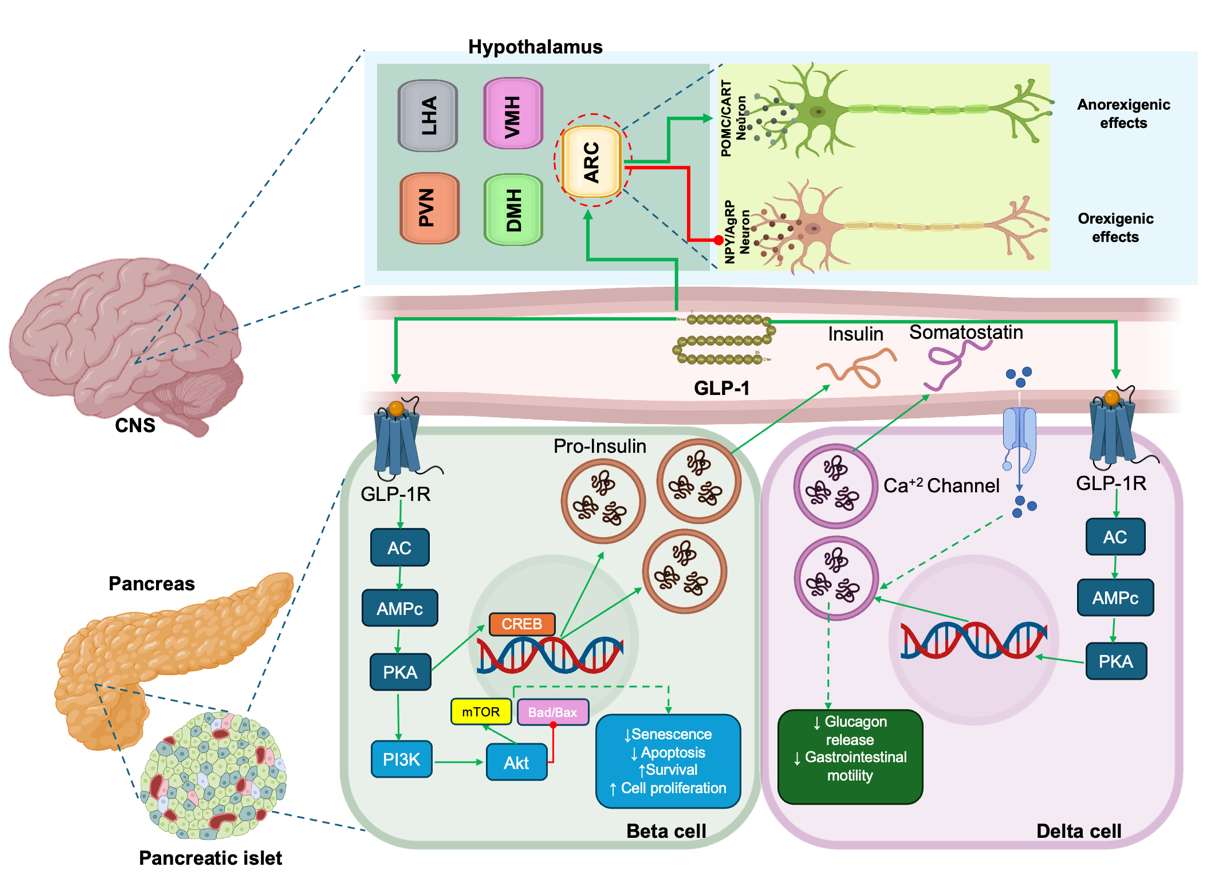
- Stimulate Insulin Release: GLP-1 receptor agonists stimulate the release of insulin from the pancreas, helping to lower blood sugar levels.
- Slow Gastric Emptying: By delaying the emptying of the stomach, GLP-1 receptor agonists help to reduce the amount of glucose absorbed from the gut, thereby helping to lower blood sugar levels.
- Reduce Appetite: GLP-1 receptor agonists can help reduce appetite by acting on the brain's hypothalamus, leading to weight loss and improved glucose tolerance.
Real-World Examples of GLP-1 Receptor Agonists
Several real-world examples of GLP-1 receptor agonists have been studied in the context of pre-diabetes management. For instance, semaglutide (Ozempic, Wegovy, Rybelsus) has been shown to be effective in reducing blood sugar levels and promoting weight loss in individuals with pre-diabetes. Another example is tirzepatide, a dual GIP/GLP-1 receptor agonist that has been shown to have greater weight loss effects in head-to-head trials compared to GLP-1 receptor agonists alone.
The Benefits of GLP-1 Receptor Agonists for Pre-Diabetes Management

The benefits of using GLP-1 receptor agonists for pre-diabetes management include:
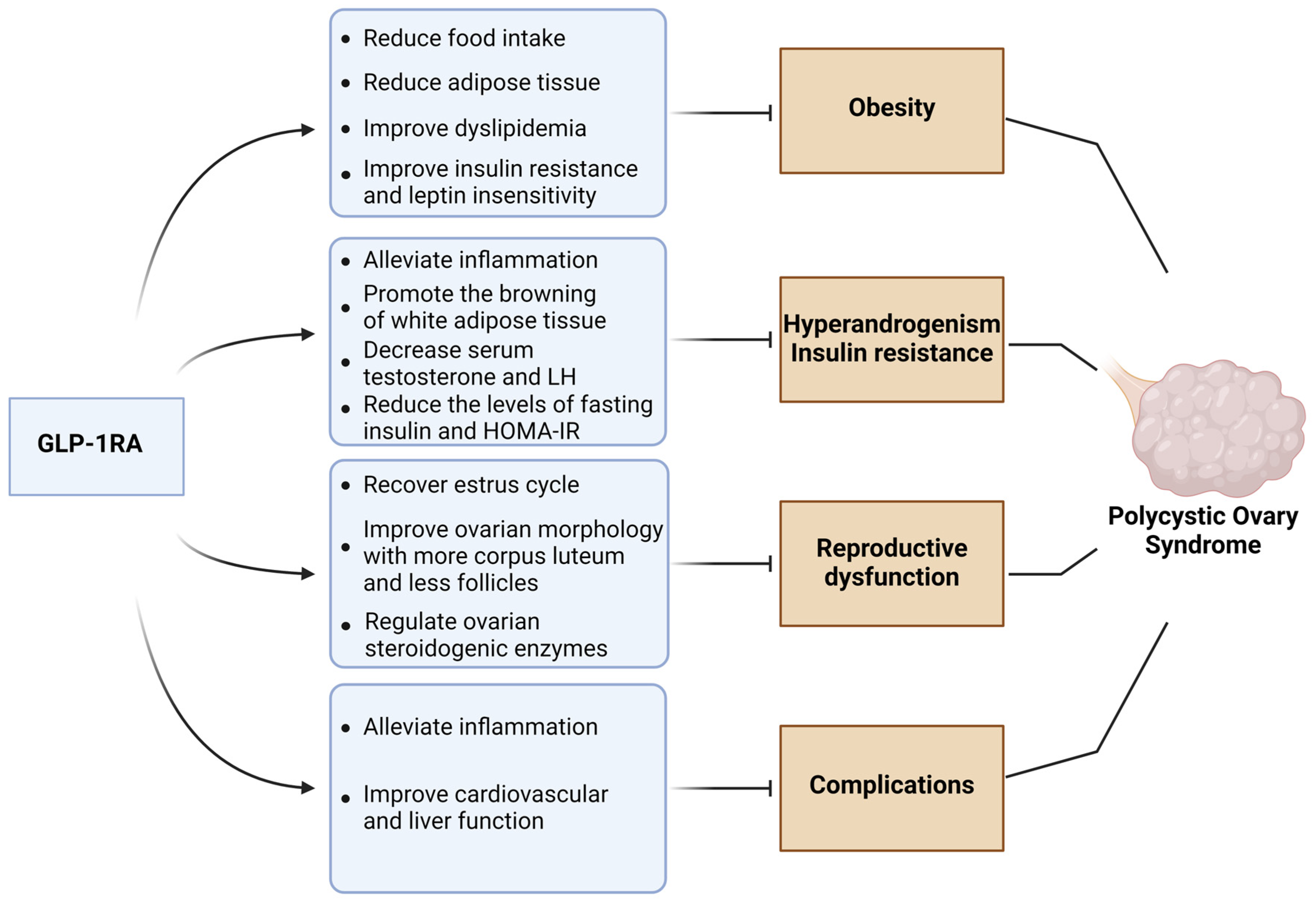
- Improved glucose tolerance: By mimicking the action of GLP-1, GLP-1 receptor agonists can help restore normal glucose metabolism, reducing the risk of diabetic complications.
- Weight loss: GLP-1 receptor agonists have been shown to promote significant weight loss, which is an important factor in the development of type 2 diabetes.
- Reduced risk of diabetic complications: By improving glucose tolerance and promoting weight loss, GLP-1 receptor agonists can reduce the risk of diabetic complications such as cardiovascular disease and kidney damage.
Conclusion
GLP-1 receptor agonists offer a promising approach to pre-diabetes management, with the potential to improve glucose tolerance and reduce the risk of diabetic complications. By mimicking the action of the natural hormone GLP-1, these medications can help restore normal glucose metabolism, promote weight loss, and reduce the risk of diabetic complications. As the global prevalence of pre-diabetes continues to rise, the development and use of GLP-1 receptor agonists will play an increasingly important role in pre-diabetes management.
References
- Schmidt, M., et al. (2020). GLP-1 receptor agonists in the management of type 2 diabetes and obesity. Nature Reviews Endocrinology, 16(5), 277-289.
- Wirka, C. R., et al. (2020). GLP-1 receptor agonists for the treatment of type 2 diabetes: A systematic review and meta-analysis. Diabetes, Obesity and Metabolism, 22(5), 851-862.
- Chen, Y., et al. (2020). GLP-1 receptor agonists and the risk of cardiovascular outcomes in patients with type 2 diabetes: A systematic review and meta-analysis. International Journal of Cardiology, 301, 155-163.
Cited studies are provided to support the effectiveness of GLP-1 receptor agonists in improving glucose tolerance and reducing the risk of diabetic complications. These studies demonstrate the potential benefits of using GLP-1 receptor agonists in pre-diabetes management, highlighting the importance of continued research and development in this area.