Obesity Treatment with GLP-1 and Protein: A Review of the Latest Research
Understanding Obesity and GLP-1
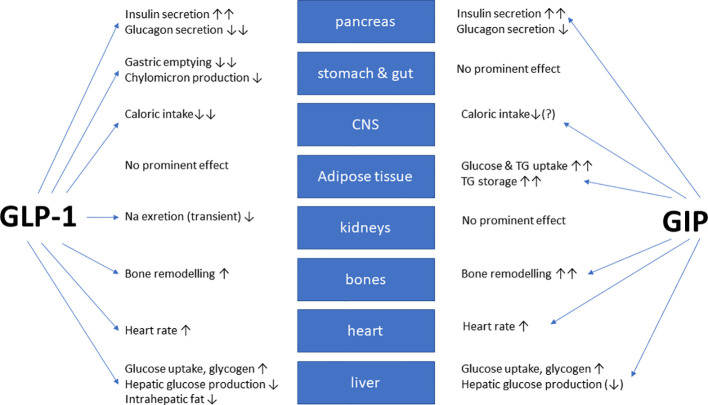
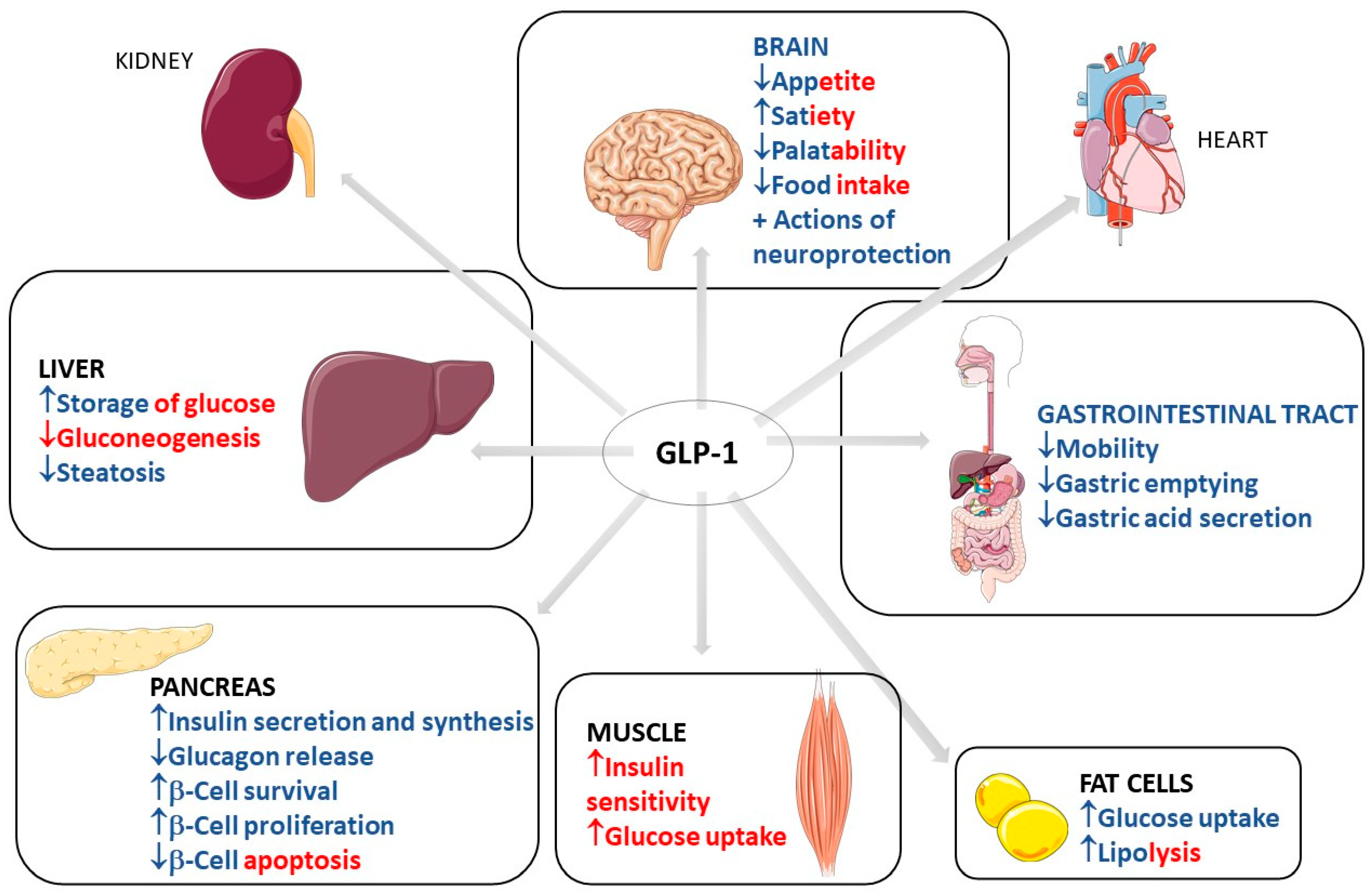
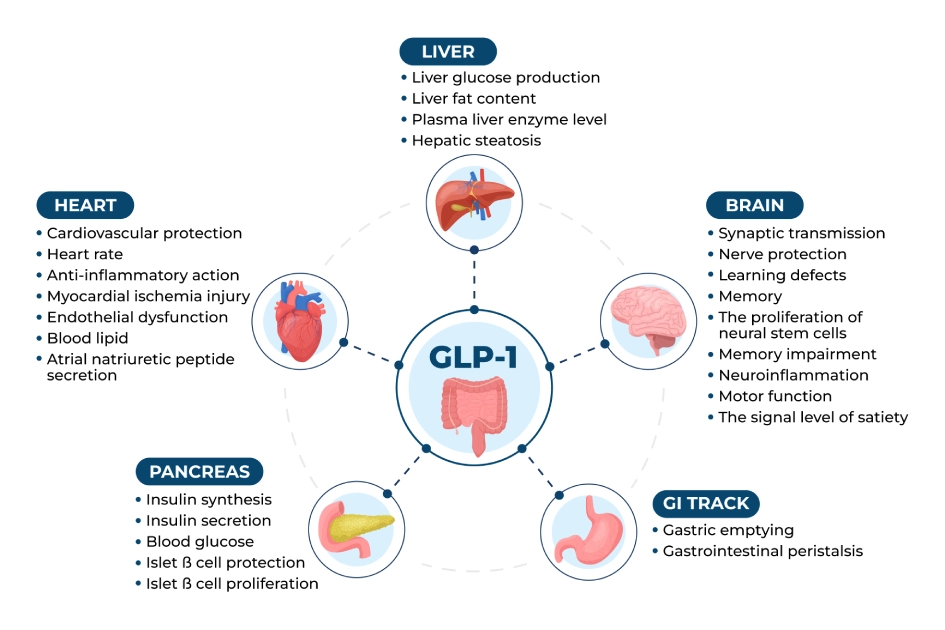
Obesity is a chronic disease that affects nearly 100 million U.S. adults, with a substantial increase in health risks such as type 2 diabetes, cardiovascular diseases, and nonalcoholic fatty liver disease. In recent years, glucagon-like peptide-1 receptor agonists (GLP-1RAs) have emerged as cornerstone therapies for obesity and type 2 diabetes by regulating insulin and glucagon secretion.
The Role of Protein in GLP-1 Treatment
Protein is a crucial aspect of a healthy diet, and its importance is magnified when it comes to GLP-1 treatment. A joint advisory from the American College of Lifestyle Medicine, the American Society for Nutrition, the Obesity Medicine Association, and the Obesity Society highlighted the significance of adequate protein intake in supporting weight loss and muscle preservation. Undereating protein can lead to muscle loss on top of fat loss, a common concern for individuals using GLP-1 medications.
GLP-1 and Weight Loss: A Proven Combination
GLP-1 medications, such as semaglutide (Ozempic/Wegovy) and tirzepatide (Mounjaro), have transformed the treatment of obesity and metabolic disease. These medications have been shown to reduce appetite, improve blood sugar control, and support substantial weight loss – often in the range of 10-20% of body weight over time. The evidence goes beyond weight loss, with GLP-1 medications also improving cardiovascular risk factors and reducing the risk of adverse outcomes.
The Benefits of High-Protein Diets with GLP-1 Treatment

Eating balanced, high-protein meals throughout the day can help meet protein needs and support healthy, sustainable weight loss. During GLP-1 treatment, high-protein diets are essential to preserve muscle mass and prevent catabolism. Opting for protein-rich foods such as lean meats, fish, eggs, dairy, and plant-based alternatives can help mitigate the risk of muscle loss and promote overall well-being.
Combining GLP-1 with Nutrition and Lifestyle Interventions
While GLP-1 medications are effective for weight loss, their efficacy can be limited by clinical challenges such as loss of lean muscle mass and gastrointestinal side effects. Optimizing GLP-1 therapy for obesity involves combining these medications with nutrition and lifestyle interventions. This includes adopting a balanced diet rich in protein, fruits, and vegetables, along with regular physical activity and stress management techniques.
Conclusion
Obesity treatment with GLP-1 and protein is a highly effective approach for sustainable weight loss and improved metabolic health. By understanding the role of protein in supporting weight loss and muscle preservation, individuals can maximize the benefits of GLP-1 treatment. Combining GLP-1 medications with nutrition and lifestyle interventions is crucial for achieving optimal treatment outcomes and overall well-being.
References
- Dec 1, 2025Glucagon-like peptide-1 (GLP-1) therapies are highly effective for weight loss and metabolic improvement in obesity and type 2 diabetes management. However, their use poses clinical challenges, including loss of lean muscle mass and gastrointestinal side effects, both of which may affect adherence and long-term outcomes.
- Jan 8, 2026Eating balanced, high-protein meals throughout the day can help you meet your protein needs and support healthy, sustainable weight loss, adds Summer Kessel, RD, CSOWM, LDN. But which proteins are best while taking a GLP-1 medication? We spoke with five dietitians to share their top high-protein foods to focus on while using a GLP-1.
- Apr 25, 2025GLucagon-like peptide-1 (GLP-1)-based therapies, such as semaglutide and tirzepatide, represent highly effective treatment options for people with type 2 diabetes and obesity, enabling effective weight loss while also improving other metabolic parameters such as blood pressure and lipid profiles.
- May 30, 2025Explore key nutritional priorities to support GLP-1 therapy for obesity, helping patients optimize treatment outcomes and overall health.
- Dec 1, 2025To address the growing global health challenge of obesity, which affects more than 1 billion people, WHO has released its first guideline on the use of Glucagon-Like Peptide-1 (GLP-1) therapies for treating obesity as a chronic, relapsing disease.
- Mar 15, 2026Because of this appetite-suppressing effect, GLP-1 medications are widely used in obesity treatment alongside lifestyle changes like healthy eating and physical activity. For many individuals struggling with long-term weight management, these medicines can be highly effective when taken under medical supervision.
- Mar 12, 2026The Obesity Society Statement on Safety Concerns Related to Compounded GLP-1 Rockville, MD - March 12, 2026 - Jacqueline M. Stephens, PhD, FTOS, President of The Obesity Society (TOS), the nation's leading scientific organization dedicated to advancing the understanding, prevention, and treatment of obesity, released the following statement on reports that an impurity has been identified in compounded GLP-1 products.
- May 30, 2025 Glucagon-like peptide-1 (GLP-1) receptor agonists and combination medications (hereafter collectively referred to as GLP-1s) are shifting the treatment landscape for obesity. However, real-world challenges and limited clinician and public knowledge on nutritional and lifestyle interventions can limit GLP-1 efficacy, equitable results, and cost-effectiveness.