Repairing Foundation Cracks: A Comprehensive Guide
Foundation cracks are a common issue that can arise in any home, regardless of its age or condition. While they may seem like a minor problem, left unaddressed, they can lead to costly repairs, structural damage, and even safety hazards. In this article, we'll provide a comprehensive guide on how to repair foundation cracks, including the causes, types, and implications of cracks, as well as DIY fixes and preventative measures.
What Causes Foundation Cracks?
Foundation cracks can occur due to various reasons, including:
- Soil settlement: As the soil beneath your home settles, it can cause the foundation to shift, leading to cracks.
- Water damage: Water seepage, heavy rainfall, or flooding can weaken the foundation, causing cracks.
- Settling foundation: Over time, the foundation can settle, leading to cracks and unevenness.
- Poor construction: Inadequate construction, such as using low-quality materials or not following building codes, can lead to cracks.
Types of Foundation Cracks
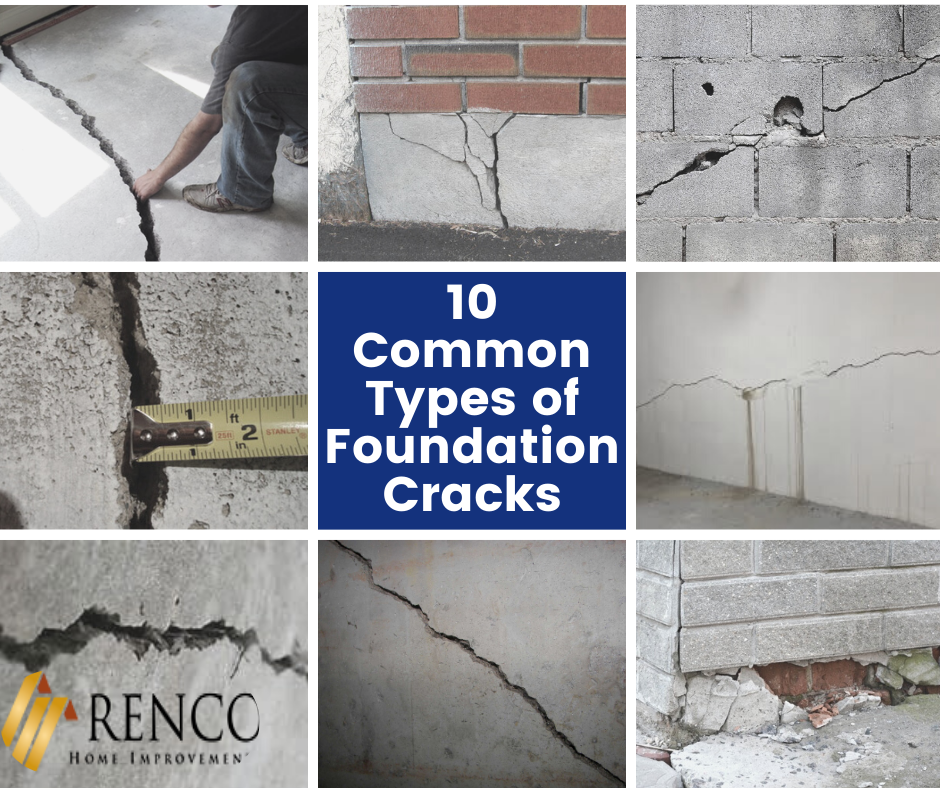
Foundation cracks can range from minor hairline fractures to more serious structural problems. The types of cracks include:
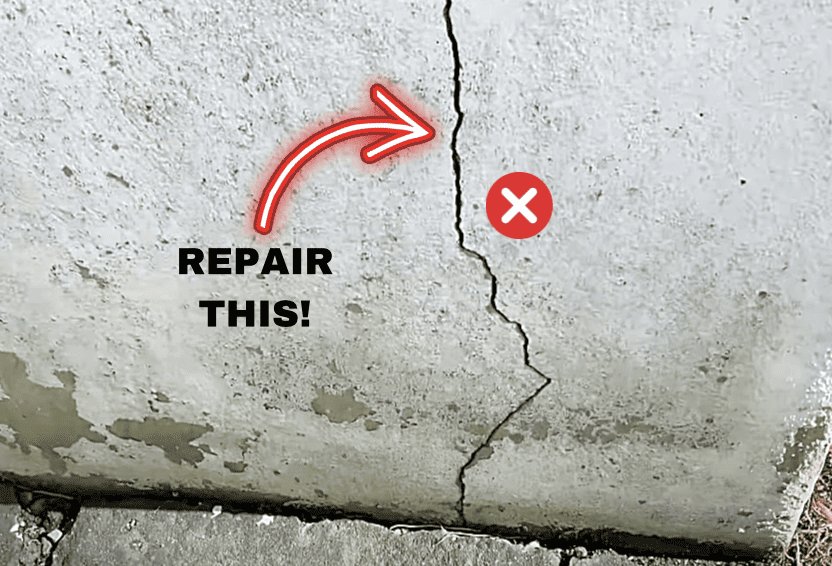
- Hairline cracks: These are small, narrow cracks that can appear in the foundation wall or floor.
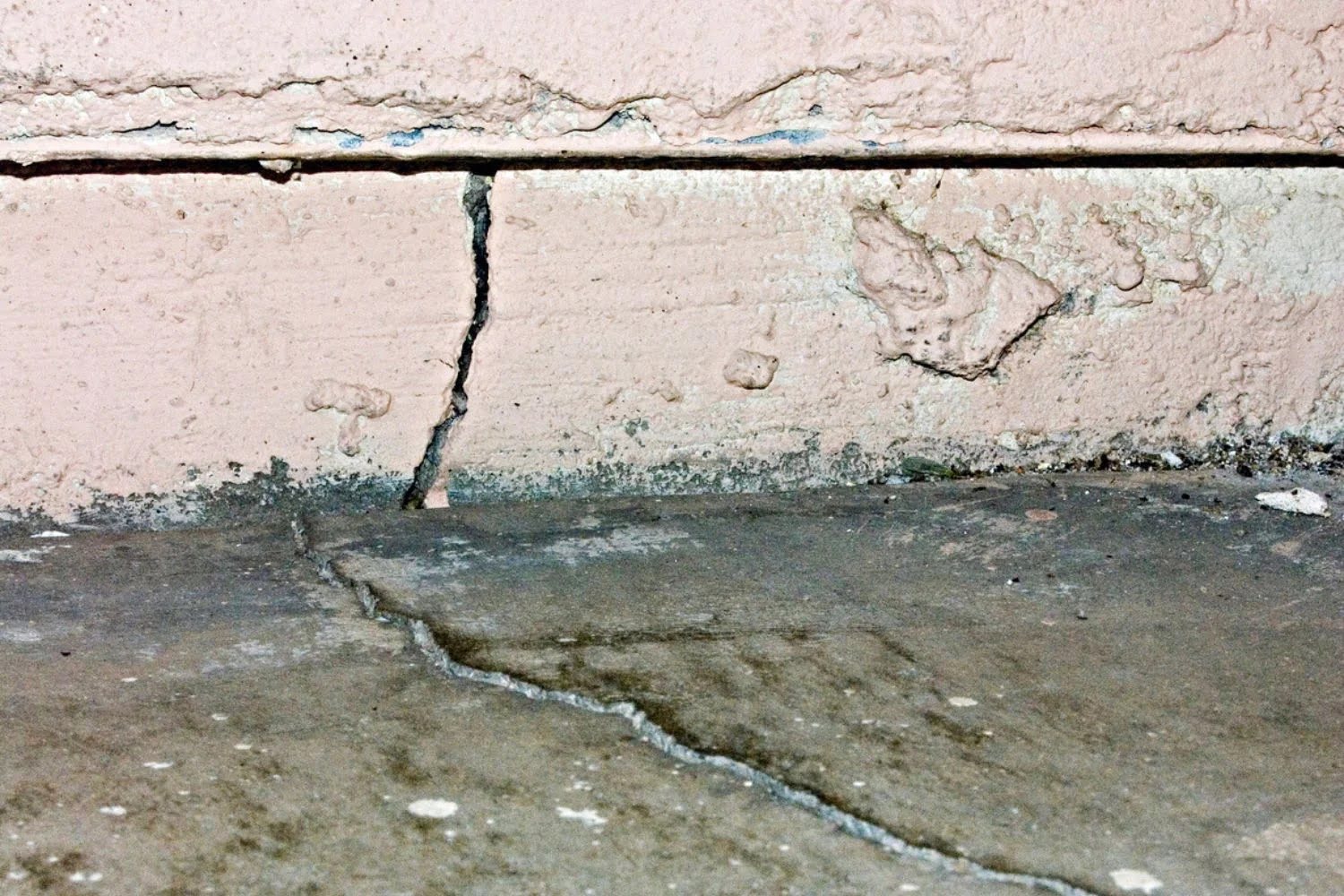
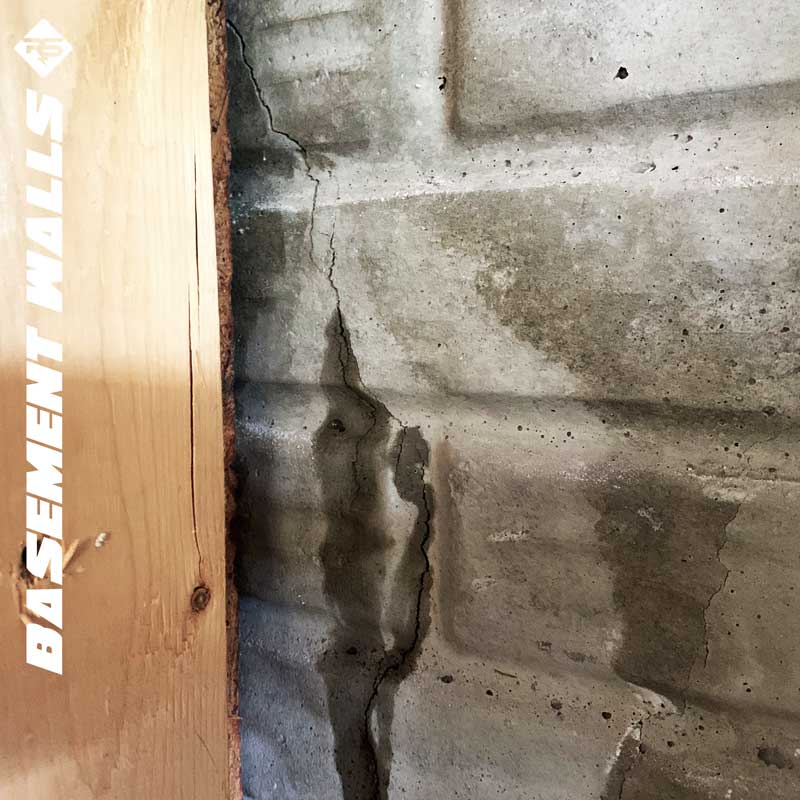
- Vertical cracks: These cracks run vertically and can appear in the foundation wall or floor.
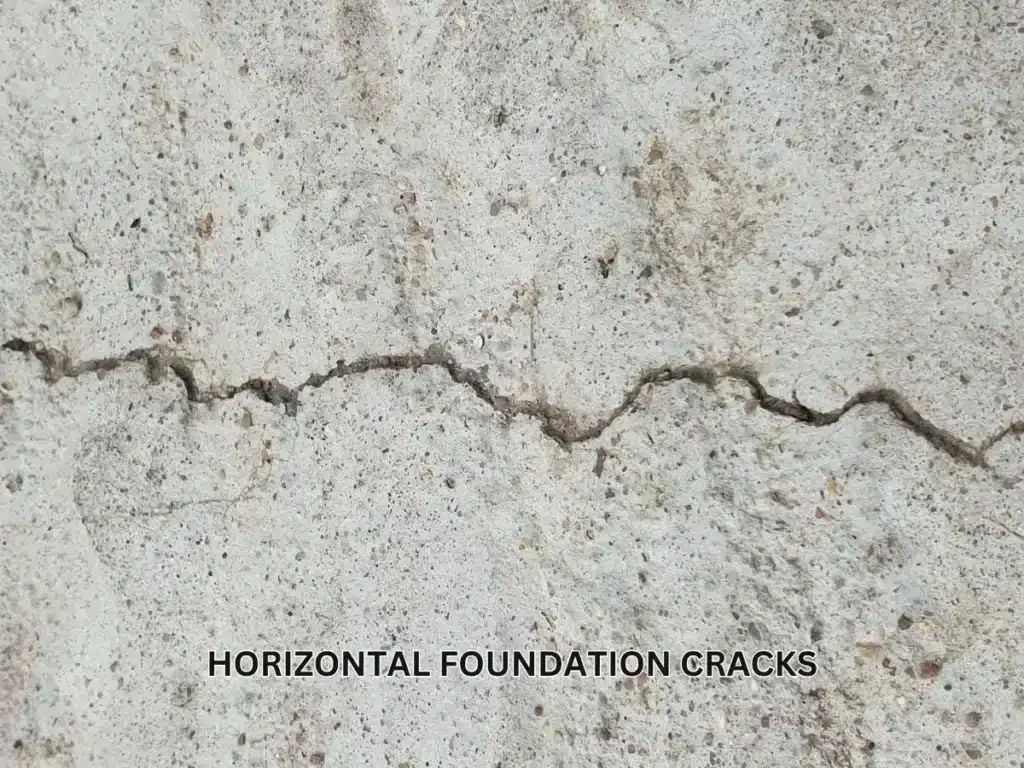
- Horizontal cracks: These cracks run horizontally and can appear in the foundation wall or floor.
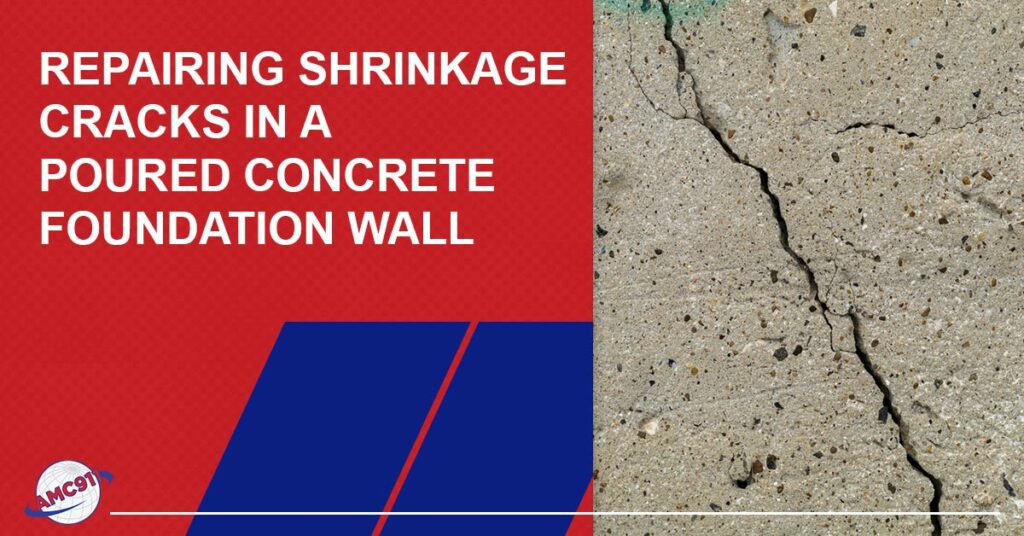
- Diagonal cracks: These cracks run diagonally and can appear in the foundation wall or floor.
Repairing Foundation Cracks: DIY Fixes
Repairing foundation cracks can be a DIY project, as long as the cracks don't impact the structural integrity of your home. Here are some DIY fixes:
- Epoxy-based crack filler: Apply an epoxy-based crack filler to fill in the cracks.
- Urethane caulk: Use urethane caulk to fill in small hairline cracks.
- Concrete repair products: Use concrete repair products to fill in larger cracks.
When to Call a Professional
While DIY fixes can be effective for minor cracks, it's essential to call a professional if you notice:
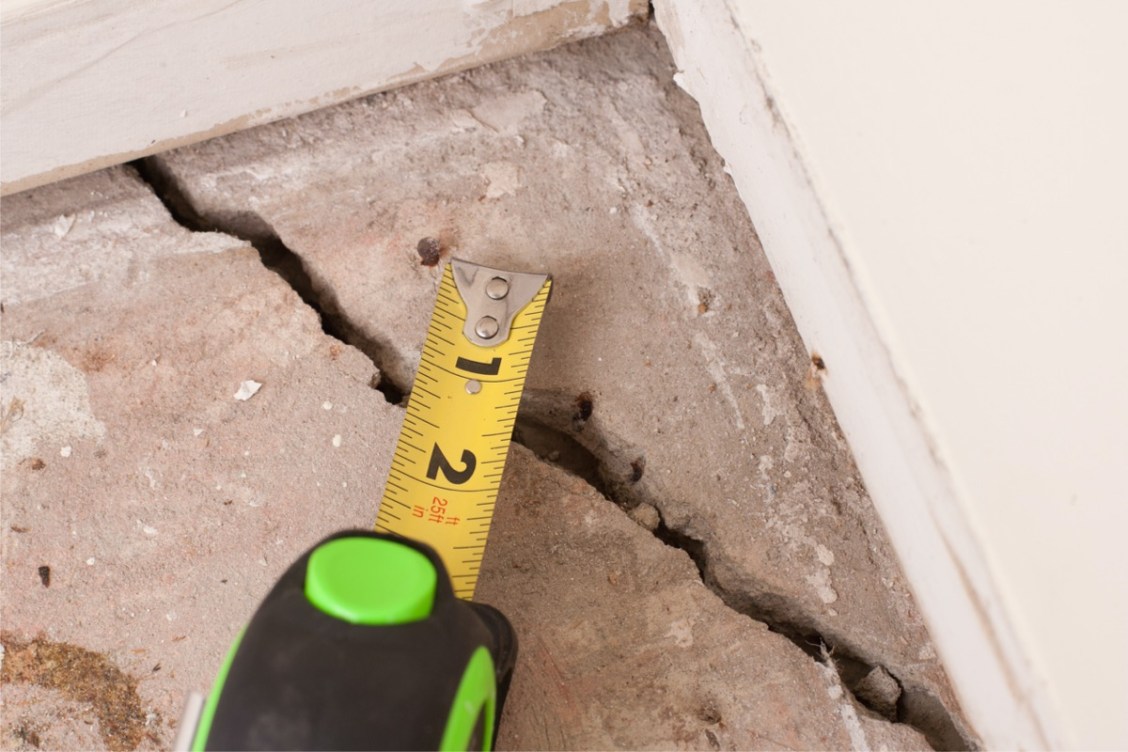
- Large cracks: Cracks that are over 1/4 inch wide or longer.
- Structural damage: Cracks that are causing uneven floors, walls, or ceilings.
- Water damage: Cracks that are allowing water to seep into your home.
Preventative Measures
Preventing foundation cracks from occurring in the first place is always the best approach. Here are some preventative measures:
- Regular foundation inspections: Regularly inspect your foundation for signs of damage or cracks.
- Grading and drainage: Ensure your yard is properly graded and drained to prevent water from accumulating around your home.
- Foundation waterproofing: Apply a waterproofing membrane to your foundation to prevent water damage.
Conclusion
Repairing foundation cracks is a crucial step in maintaining the integrity and safety of your home. By understanding the causes, types, and implications of cracks, as well as DIY fixes and preventative measures, you can effectively repair foundation cracks and prevent costly repairs down the line.
Remember, it's essential to address foundation cracks early on to prevent more extensive damage and protect your property. If you're unsure about the severity of the cracks or how to repair them, it's always best to consult a professional.