Residential Solar Panel Installation Cost Analysis: A Comprehensive Guide
As the world shifts towards renewable energy sources, the demand for residential solar panel installations has increased significantly. However, many homeowners are still unsure about the costs associated with installing solar panels on their rooftop. In this article, we will provide a comprehensive cost analysis of residential solar panel installations, helping you make informed decisions about your solar energy investment.
Current Market Prices
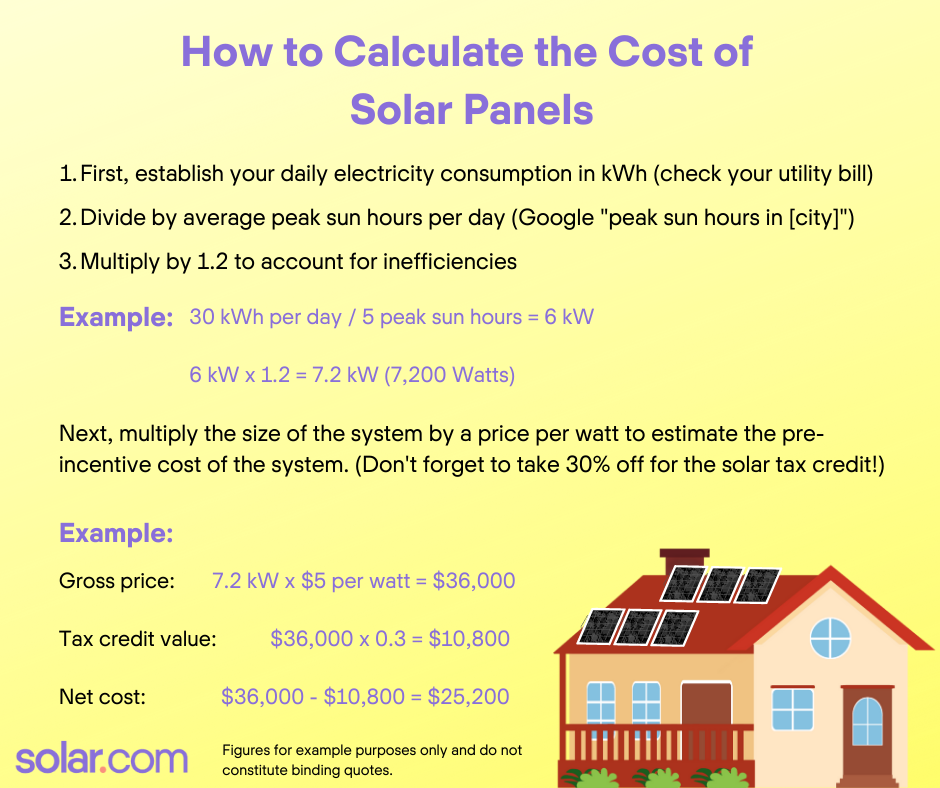
According to recent market trends, the average cost of a residential solar panel installation in the United States is around $21,816. This cost includes the installation of a 7.2 kW solar panel system, which is the average size required to meet the energy needs of a medium-sized home. The price per watt for solar panels can range from $2.50 to $3.50, depending on the geographical location and the type of solar panel installed.
Factors Affecting Solar Panel Installation Costs
Several factors can influence the cost of a residential solar panel installation, including:
- System size: The larger the solar panel system, the higher the installation cost.
- Panel type: Monocrystalline panels are more expensive than polycrystalline panels.
- Roof size and condition: Larger roofs or those with complex shapes may require additional labor and materials, increasing the installation cost.
- Location: Installation costs vary depending on the location, with cities in the Western United States tend to have higher installation costs due to the high demand for solar energy.
- Financing options: Homeowners who opt for financing their solar panel system may face higher upfront costs due to interest rates and loan fees.
- Local incentives: Homeowners in states with significant solar panel incentives, such as tax credits or rebates, may save more on their installation costs.
Cost Breakdown of Solar Panel Installation
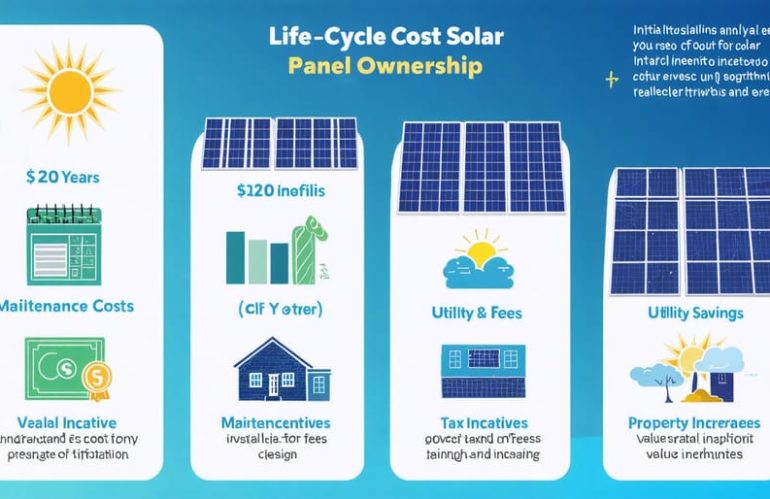
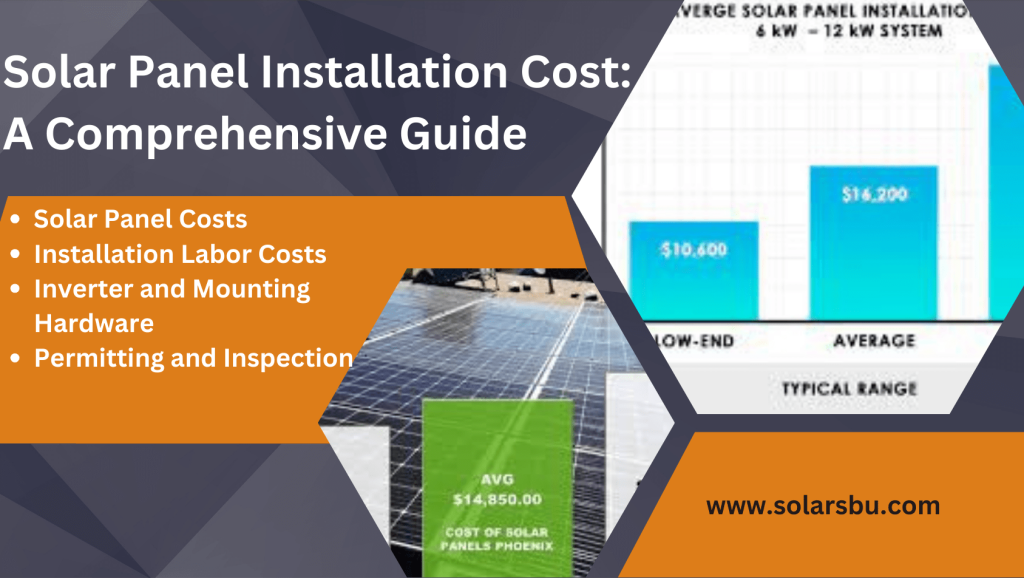
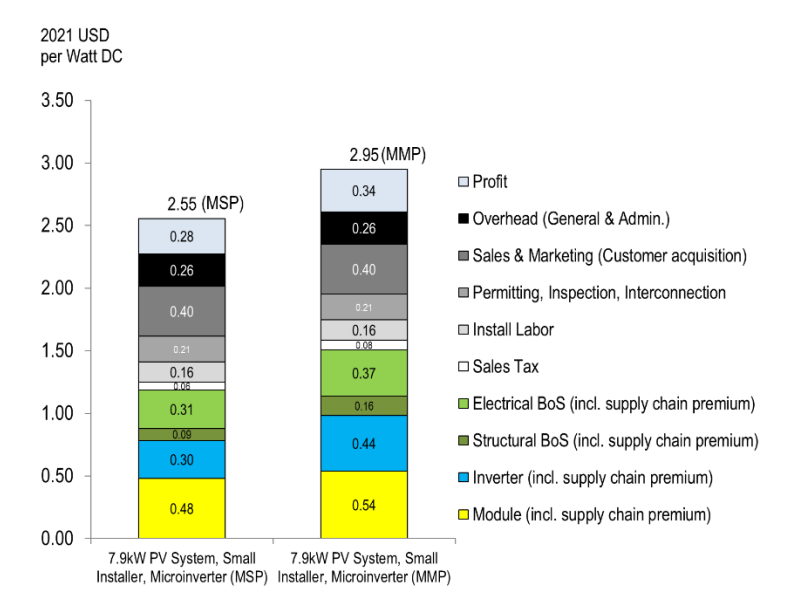
The cost of a residential solar panel installation can be broken down into several components, including:
- Solar panels: The cost of the solar panels themselves, which can range from $15,000 to $30,000, depending on the system size and panel type.
- Mounting hardware: The cost of the mounting hardware, including the roof racking and ground mounting systems, which can range from $2,000 to $5,000.
- Inverters: The cost of the inverters, which convert DC power from the solar panels to AC power for the home, which can range from $1,000 to $3,000.
- Labor costs: The cost of labor required for the installation, including the cost of permits, inspections, and electrical work, which can range from $5,000 to $10,000.
- Permits and inspections: The cost of obtaining necessary permits and conducting inspections, which can range from $500 to $2,000.
- Warranty and maintenance: The cost of warranty and maintenance services, which can range from 10% to 20% of the total installation cost.
Return on Investment (ROI) for Solar Panel Installation
The ROI for a solar panel installation varies depending on several factors, including the location, system size, and financing options. However, on average, homeowners can expect to save around 10% to 20% on their electricity bills after installing solar panels. Additionally, homeowners may be eligible for federal and state tax credits, which can further reduce the installation cost.
Conclusion
In conclusion, the cost of a residential solar panel installation can be complex and influenced by several factors. By understanding the current market prices, factors affecting installation costs, and cost breakdown of solar panel installation, homeowners can make informed decisions about their solar energy investment. With the potential to save thousands of dollars on electricity bills and qualify for federal and state tax credits, solar panel installation is becoming an increasingly attractive option for homeowners nationwide.