Setting Up G Router for Home Wi-Fi Network: A Comprehensive Guide
Are you looking to set up a reliable and efficient Wi-Fi network at home? A good Wi-Fi router is essential for providing seamless internet connectivity to all your devices. In this article, we'll take you through the process of setting up a G router for your home Wi-Fi network.
Choosing the Right G Router
Before we dive into the setup process, it's essential to choose the right G router for your needs. Look for a router that supports your internet service provider's (ISP) recommended speed, and ensure it has at least two Ethernet ports for wired devices. Consider a dual-band or tri-band router to accommodate multiple devices and minimize interference.
Setting Up Your G Router
Follow these steps to set up your G router:
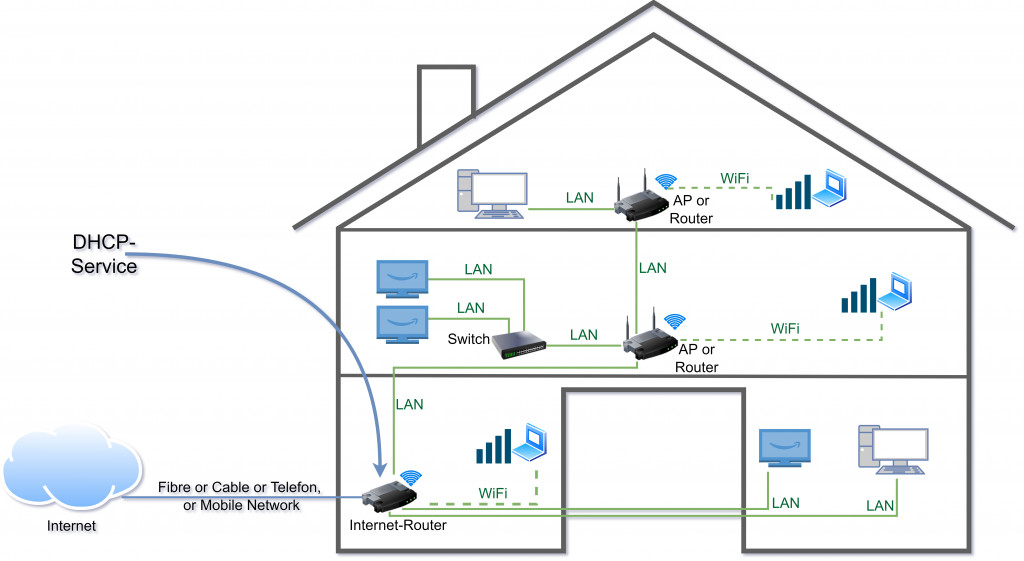
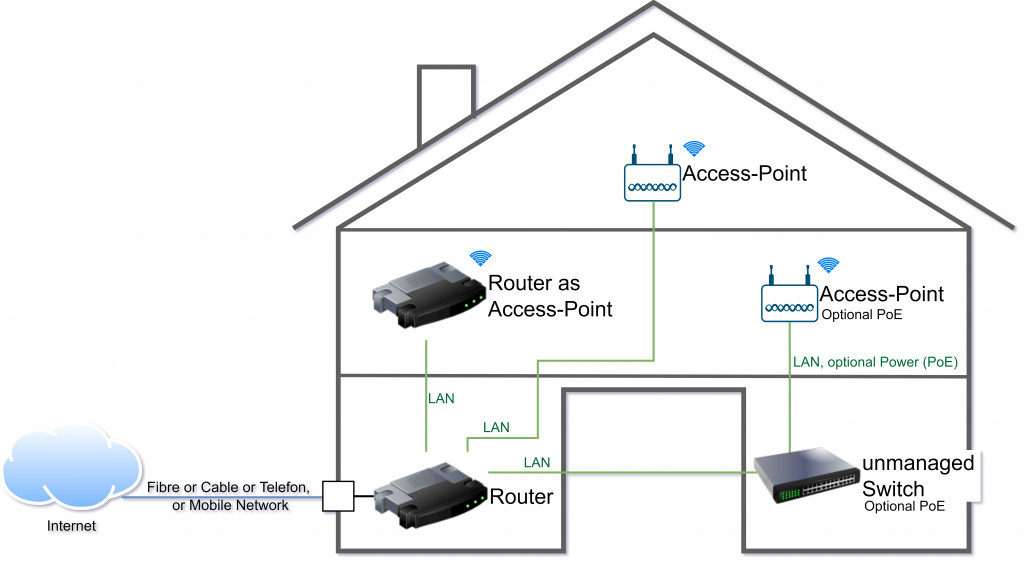
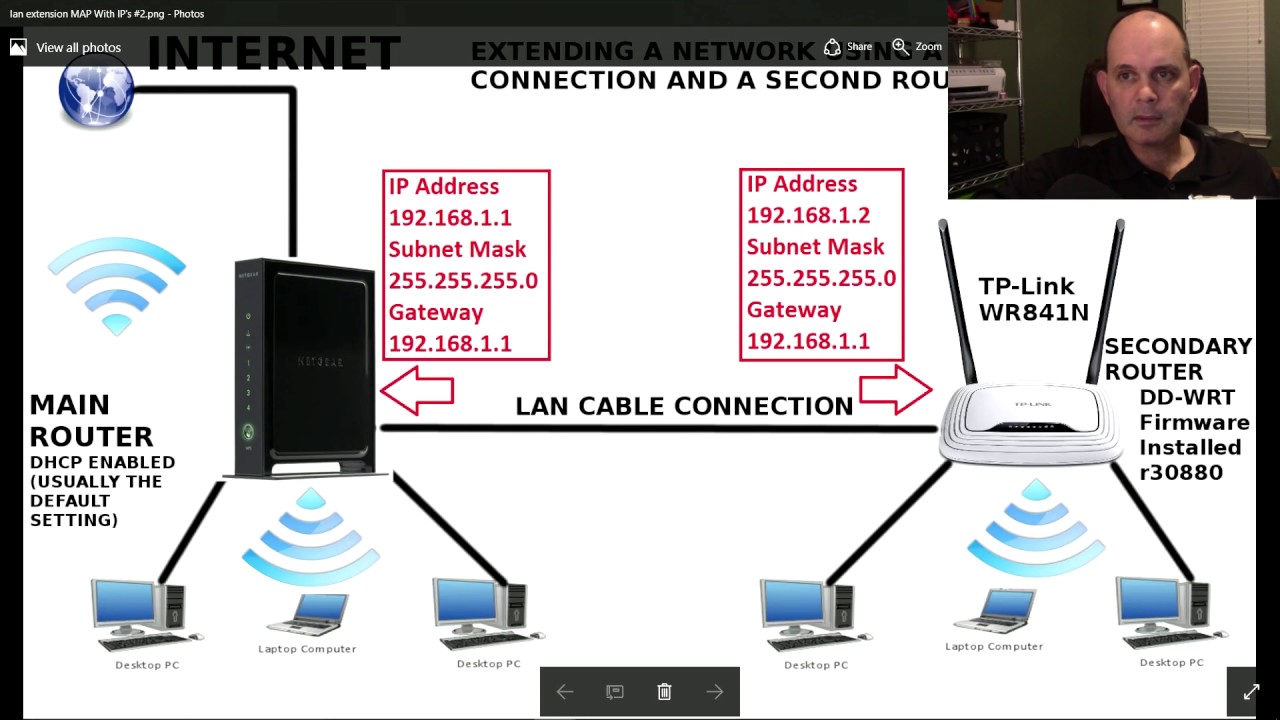
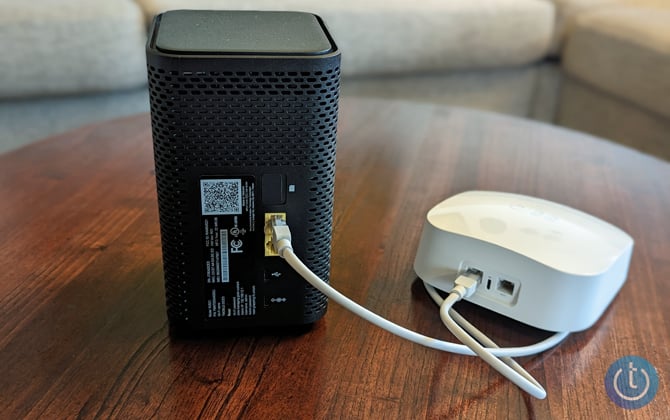
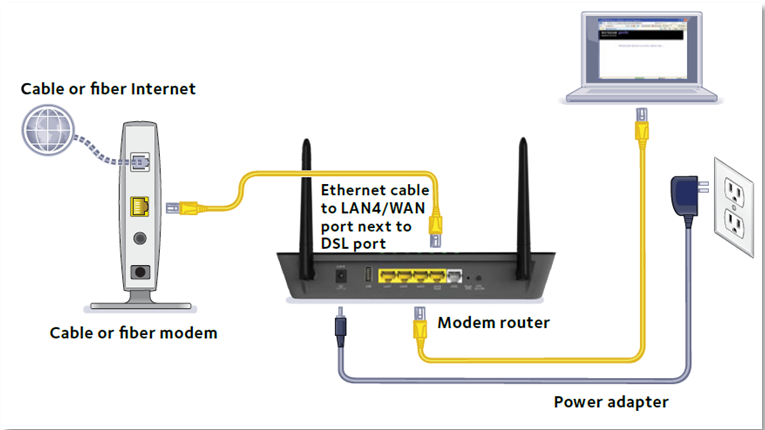
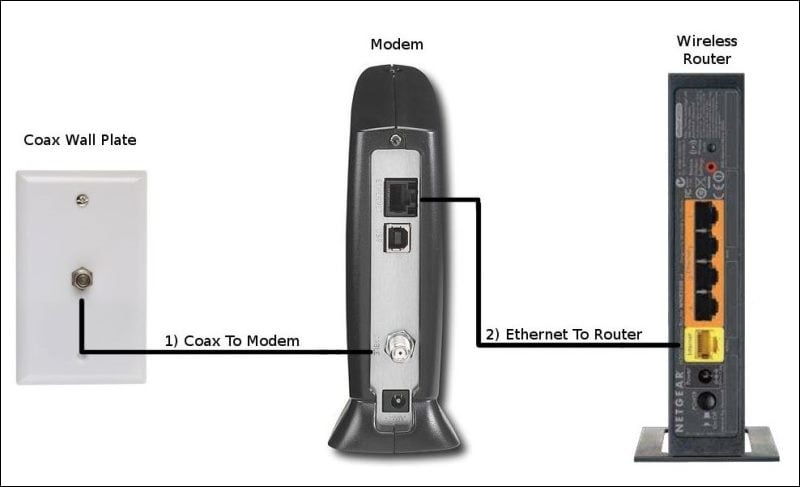
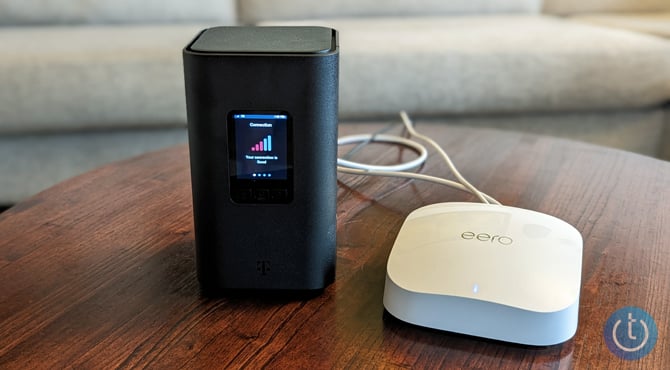
- Connect your router to the modem: Use an Ethernet cable to connect your router to your modem. This willestablish a wired connection between the two devices.
- Power on your router: Plug in your router and turn it on. Wait for the lights to stabilize and the router to boot up.
- Access the router's web interface: Open a web browser and type the router's IP address (usually http://192.168.1.1 or http://192.168.0.1). Log in using the default username and password, usually found on the router's sticker.
- Change the default password: Once logged in, change the default password to a strong and unique one to enhance your network's security.
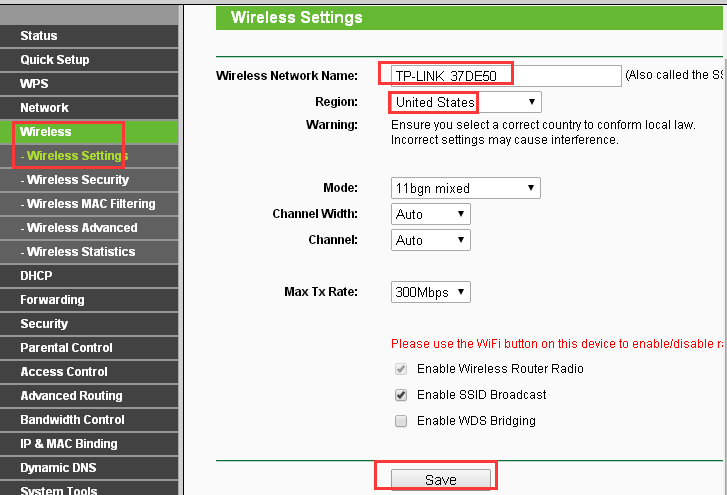
- Set up your Wi-Fi network: Configure your Wi-Fi network settings, including the network name (SSID), password, and encryption type (WPA2 or WPA3).
- Configure Quality of Service (QoS): Set up QoS settings to prioritize important network traffic, such as video conferencing or online gaming.
- Save and apply changes: Save your changes and apply them to your router. This may require restarting the router, so be prepared for a brief outage.
Connecting Devices to Your Wi-Fi Network
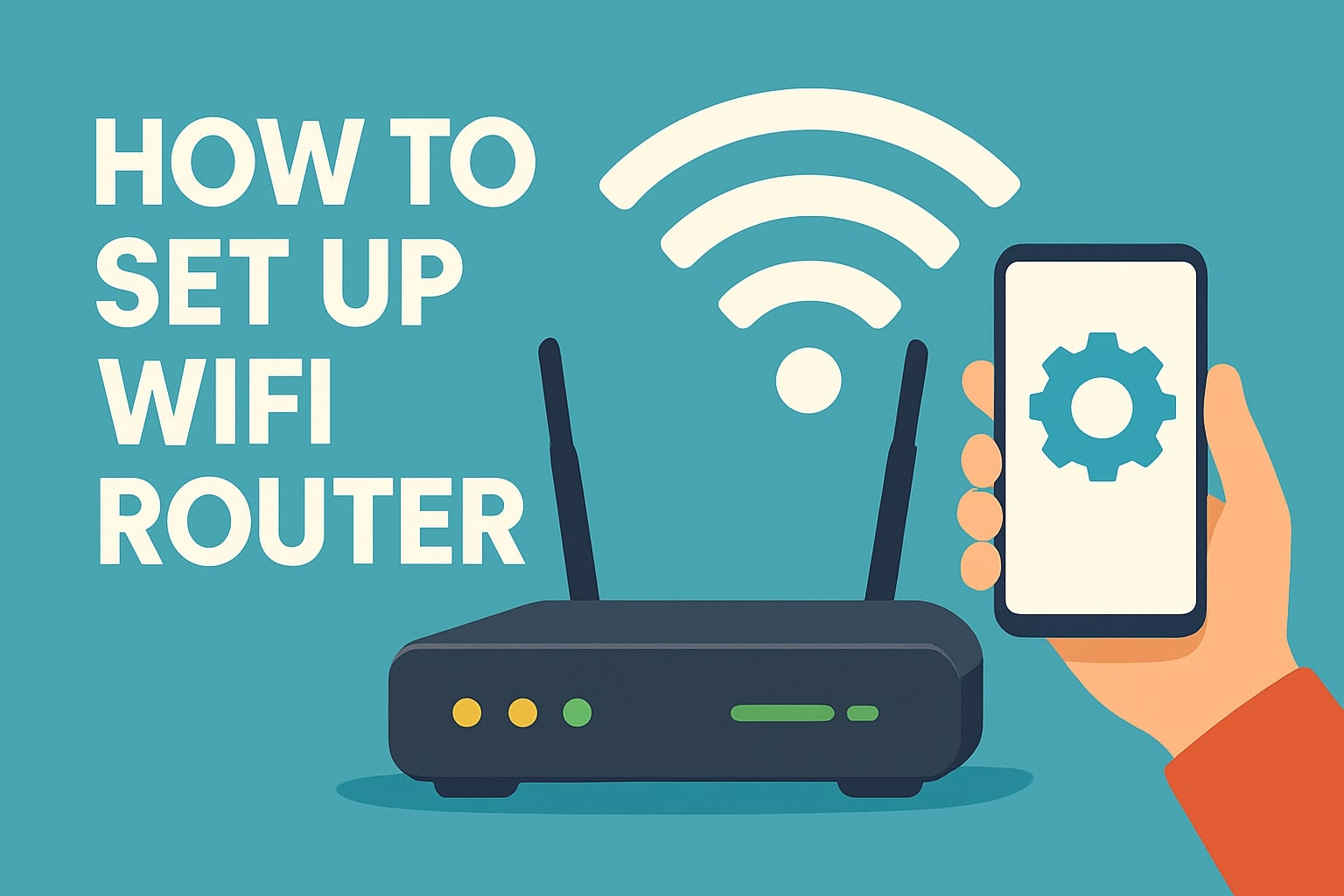
Once your router is set up, you can connect devices to your Wi-Fi network:
- Find the SSID and password: Locate the SSID (network name) and password printed on the router's sticker.
- Connect devices to your Wi-Fi network: On your devices, go to the Wi-Fi settings and select your network from the list. Enter the password when prompted.
- Verify Wi-Fi connectivity: Ensure that all devices are connected to the network and can access the internet.
Securing Your Wi-Fi Network
Securing your Wi-Fi network is crucial to prevent unauthorized access and cyber threats:
- Change the default admin password: Update the default admin password to prevent unauthorized access to the router's web interface.
- Enable WPA3 encryption: Use WPA3 encryption to secure your Wi-Fi network and protect against brute-force attacks.
- Change the SSID and password: Regularly update your SSID and password to prevent unauthorized access.
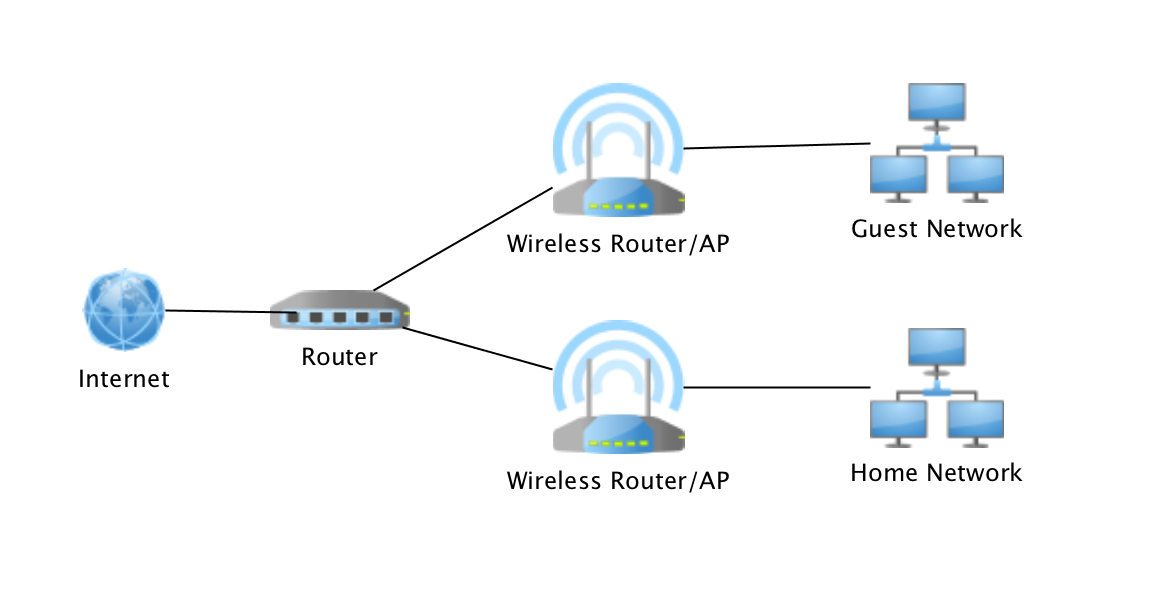
- Use a guest network: Set up a separate guest network for visitors to prevent them from accessing your main network.
Conclusion
Setting up a G router for your home Wi-Fi network is a straightforward process. By following these steps, you'll be able to establish a reliable and efficient Wi-Fi network that meets your needs. Remember to secure your network by changing the default admin password, enabling WPA3 encryption, and updating your SSID and password regularly. Stay connected and enjoy seamless internet connectivity with your new G router!