The Sixth Generation Wireless Network: Unlocking the Future of Connectivity
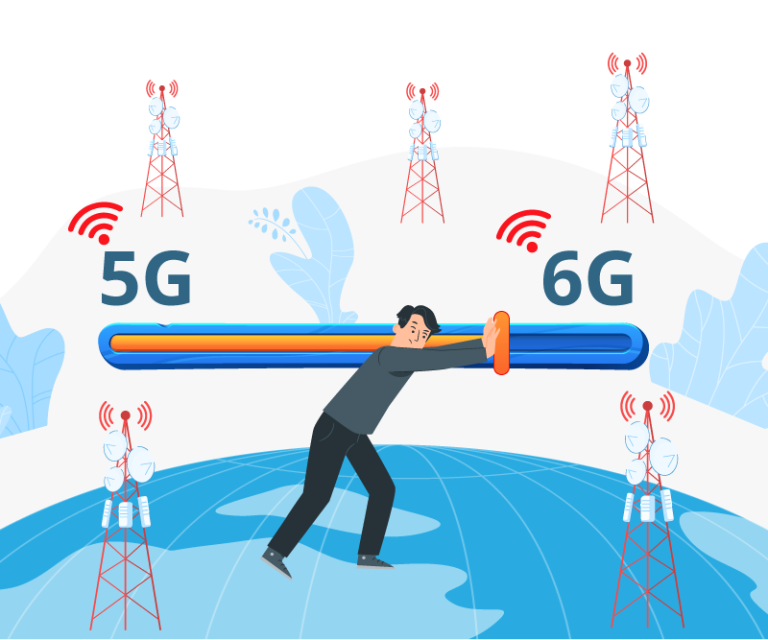
As we continue to rely on wireless networks for our daily lives, the demand for faster, more reliable, and ubiquitous connectivity grows exponentially. The sixth generation wireless network, or 6G, is the proposed and upcoming successor to 5G technology, promising to transcend the capabilities of its predecessor and revolutionize the way we connect and interact with the world around us.
What is 6G?
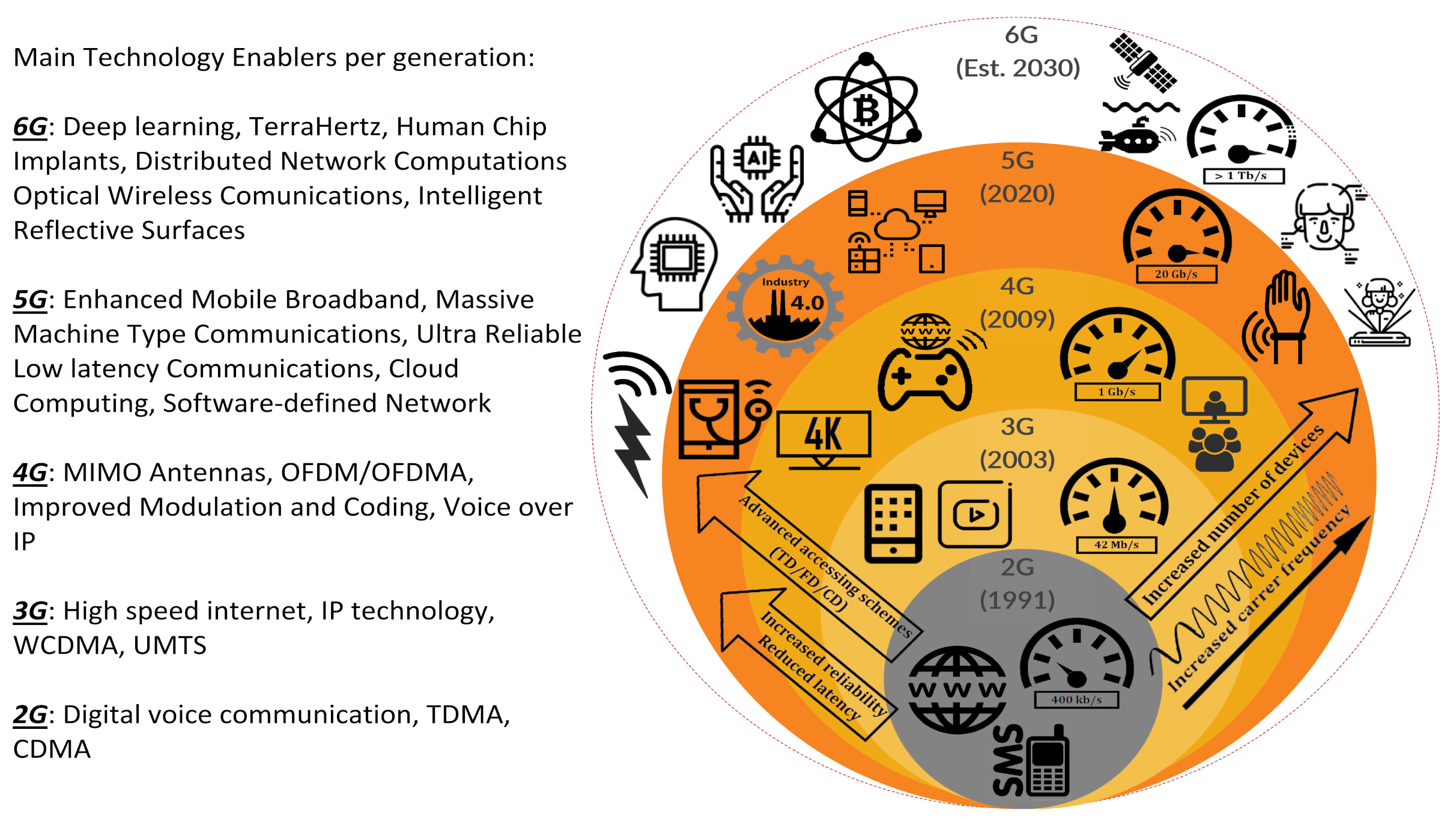
The 6G wireless network is expected to be globally available by around 2030, building on the foundation of 5G-Advanced technology. It will introduce terahertz frequencies, sub-millisecond latency, and extremely high energy efficiency, enabling seamless fusion of communication between the human, physical, and digital worlds.
Key Features of 6G
- Ultra-low latency**: 6G aims to achieve latency as low as one microsecond, 1,000 times faster than current 5G networks.
- Higher frequencies**: 6G will use terahertz frequencies to provide significantly higher capacity and faster data transfer rates.
- Artificial intelligence**: 6G will integrate AI and machine learning to optimize services and capabilities, enabling intelligent communication systems.
- Ubiquitous connectivity**: 6G will provide pervasive access, spatial perception, and real-time control, enabling new use cases such as hologram telepresence and collaborative robots.
Benefits of 6G
The 6G wireless network will bring numerous benefits, including:
- Increased productivity**: With faster and more reliable connectivity, businesses can improve their productivity and competitiveness.
- Enhanced user experiences**: 6G will enable seamless and immersive experiences, transforming industries such as healthcare, entertainment, and autonomous vehicles.
- Improved safety**: 6G will provide reliable and low-latency connectivity, enabling smart cities and cities of the future.

Challenges and Research Areas
While 6G holds immense promise, there are several challenges and research areas that need to be addressed:
- Terahertz technology**: Developing suitable technologies for terahertz frequencies is a significant challenge.
- Artificial intelligence**: Integrating AI and machine learning into 6G networks requires significant research and development.
- Security and privacy**: Ensuring the security and privacy of 6G networks is essential for widespread adoption.
Conclusion
The sixth generation wireless network is poised to revolutionize the way we connect and interact with the world around us. With its promise of faster, more reliable, and ubiquitous connectivity, 6G will unlock new use cases, transform industries, and improve our overall quality of life. As research and development continue to advance, we can expect 6G to become a reality, shaping the future of wireless communication and beyond.
References
- International Telecommunication Union (ITU). (2024). IMT-2030 Framework.
- De Alwis, K., Figueiredo, R. G., & Mubarak, A. (2021). 6G Wireless Communication: A Journey to the Future.
- IEEE Xplore. (2024). Sixth Generation (6G) Wireless Systems.