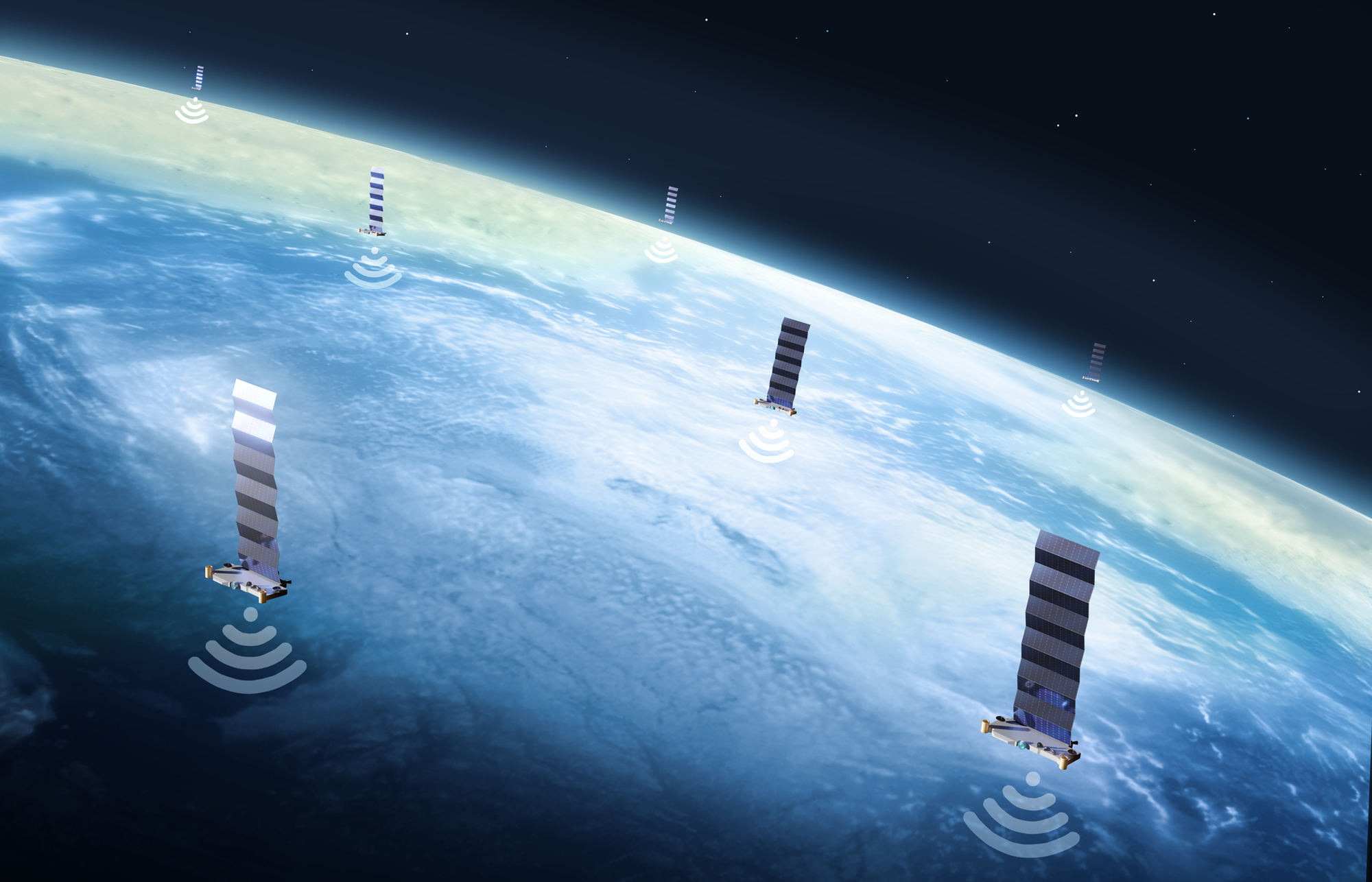
G Wireless Network Satellite Constellation: Revolutionizing Global Connectivity
The world is on the cusp of a revolution in satellite communications, with the emergence of low-Earth orbit (LEO) satellite constellations like Guowang. As a Chinese mega-constellation project, Guowang is poised to provide worldwide internet coverage through a network of thousands of satellites. In this article, we'll delve into the world of satellite constellations, exploring their history, technology, and impact on global connectivity.
What is a Satellite Constellation?
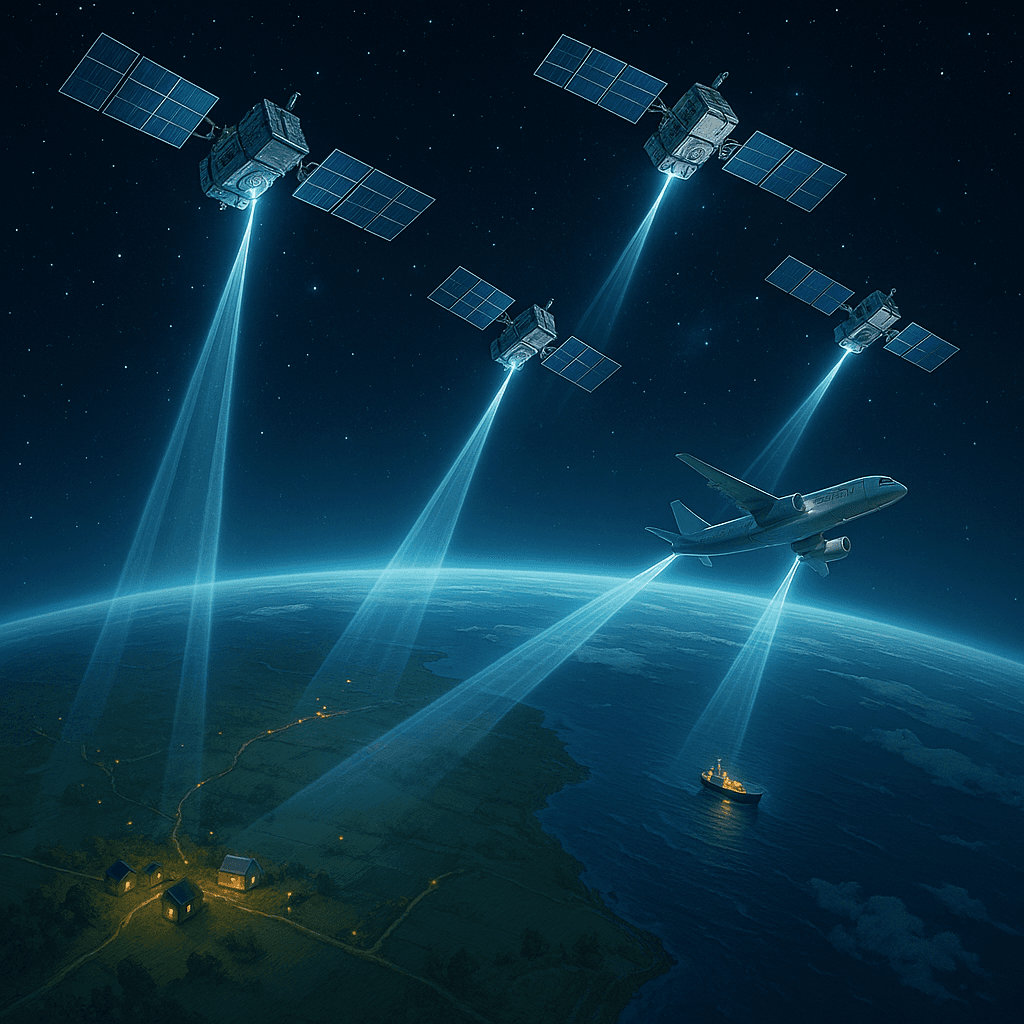
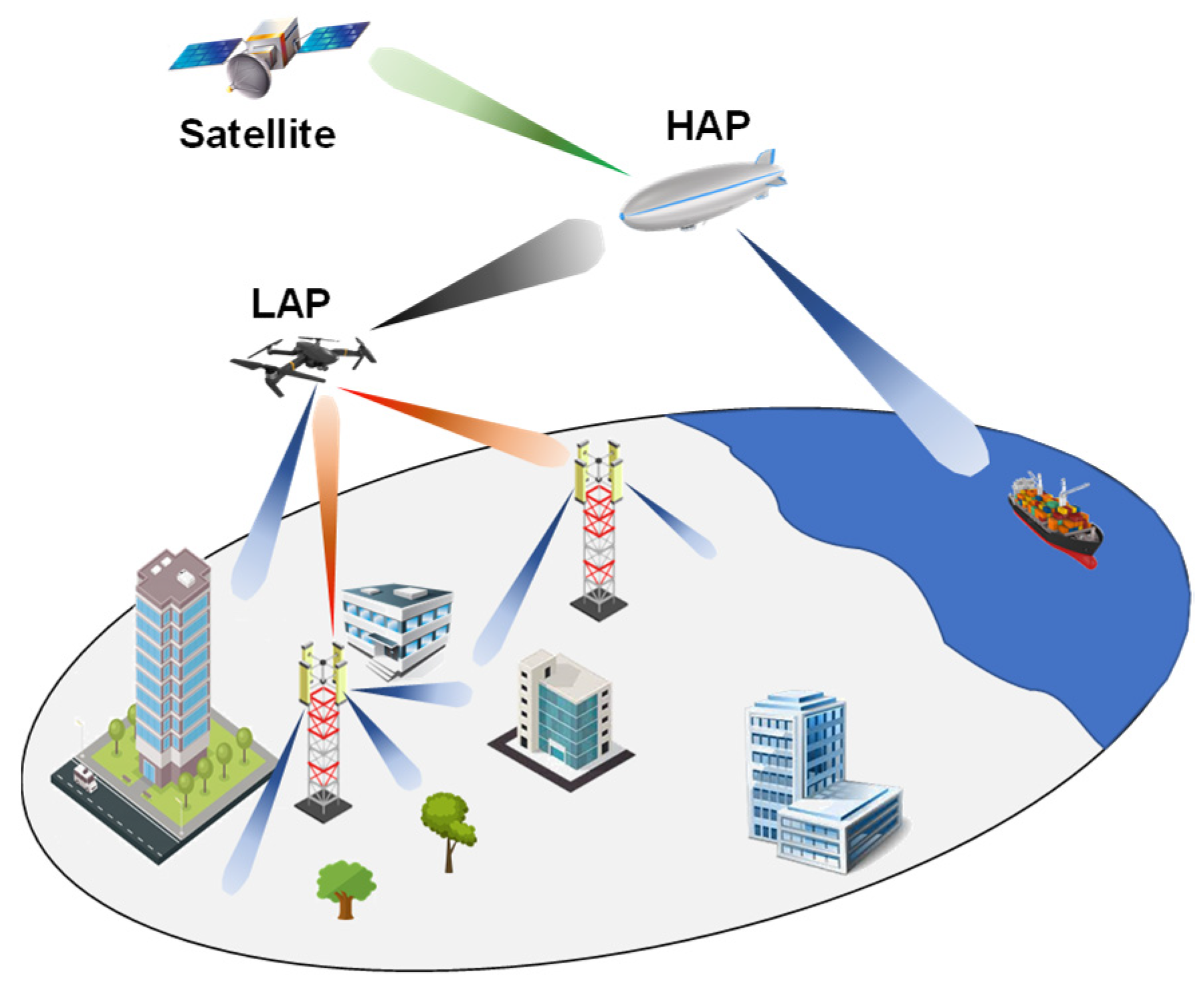
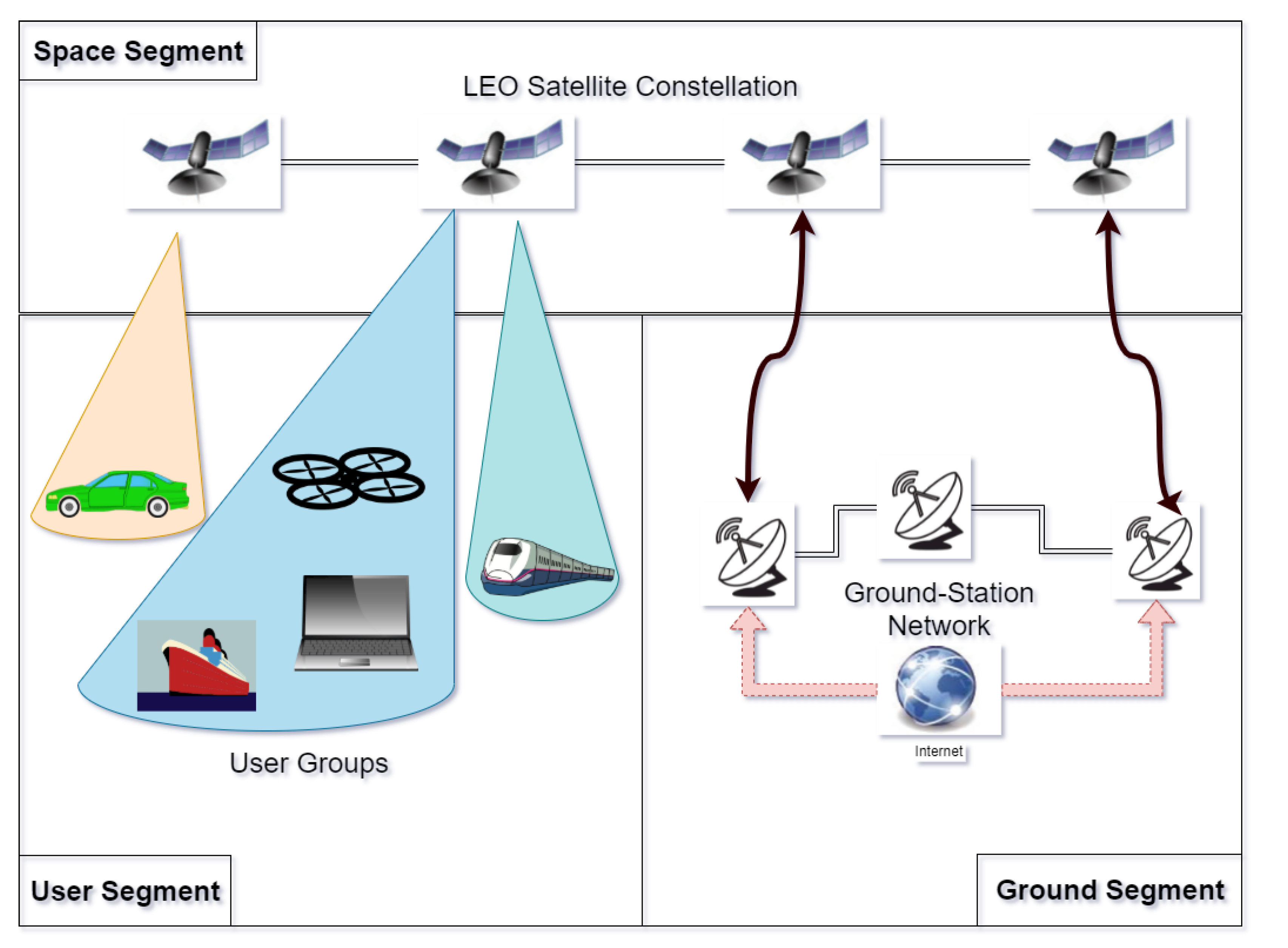
A satellite constellation is a group of satellites working together to provide a specific service, such as internet access or navigation. Unlike traditional geostationary satellites, which remain fixed above a specific point on Earth, LEO satellite constellations offer lower latency and seamless global coverage. These constellations are made up of multiple satellites in orbit around the Earth, each serving a specific region or area.
Guowang: China's Mega-Constellation Project
Guowang, also known as the "national network," is a Chinese satellite internet mega-constellation project aimed at creating a global internet coverage system. With a planned 13,000 satellites, Guowang will provide internet access to remote and underserved areas, rivaling the likes of SpaceX's Starlink. Launched in 2024, the first 10 satellites marked the beginning of this ambitious project, with more launches expected in the coming years.
Key Technologies Driving Satellite Constellations
The success of satellite constellations relies on several key technologies, including:
- Network Protocol:** The protocol used to manage data transmission between satellites and ground stations. This includes standards for data compression, encryption, and transmission protocols.
- Multiple Access:** The technology used to manage data transmission between multiple satellites and ground stations, ensuring efficient use of bandwidth and minimizing interference.
- Satellite Handover:** The process of transferring data between satellites as they move in orbit, ensuring seamless coverage and minimal disruption.
- TT&C (Tracking, Telemetry, and Command):** The systems used to track and control satellites in orbit, ensuring they remain on course and functioning correctly.
- Interference Mitigation:** Techniques used to minimize interference between satellites and ground stations, ensuring reliable data transmission.
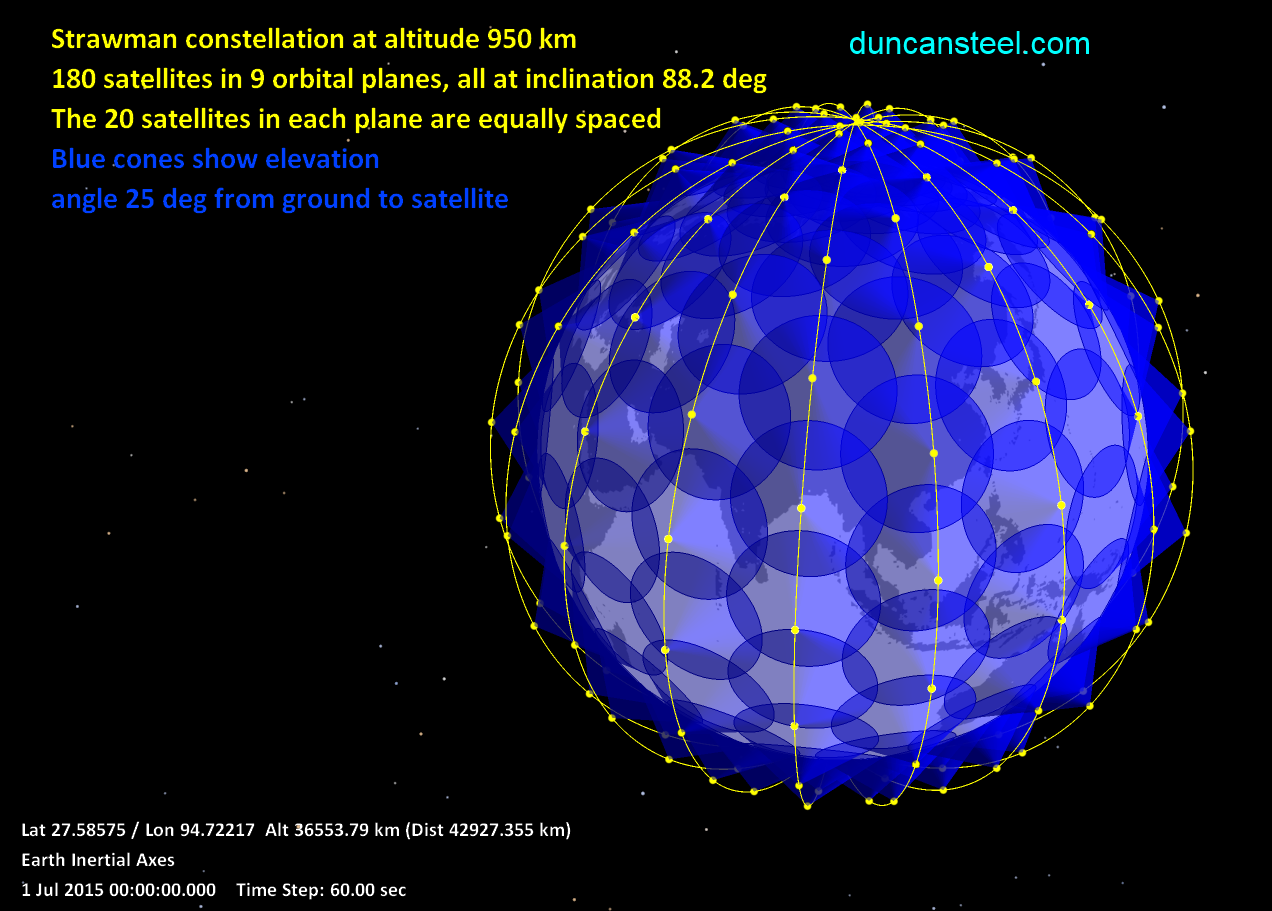
Impact on Global Connectivity
Satellite constellations like Guowang and Starlink are poised to revolutionize global connectivity, providing internet access to remote and underserved areas. This will have a profound impact on:
- Rural Communities:** Satellite internet will bridge the digital divide, providing internet access to rural communities and enhancing economic opportunities.
- Businesses:** Satellite internet will enable businesses to operate remotely, improving productivity and reducing costs.
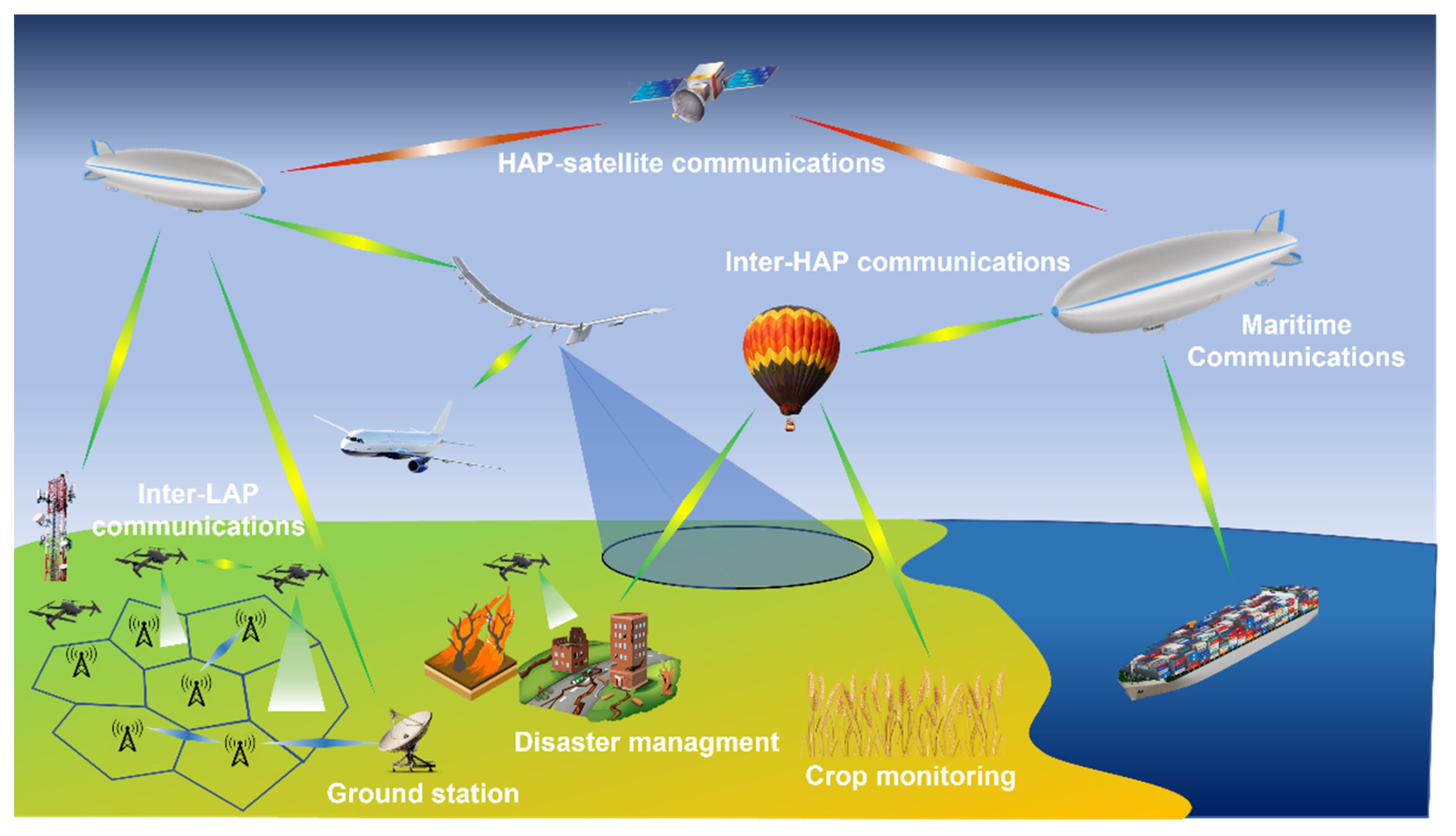
- Emergency Services:** Satellite internet will provide critical connectivity during emergencies, such as natural disasters or humanitarian crises.
Conclusion
The G wireless network satellite constellation represents a significant step forward in global connectivity, with Guowang and other satellite constellations poised to revolutionize the way we access the internet. As the technology continues to evolve, we can expect to see increased coverage, lower latency, and more reliable connections. The future of satellite constellations looks bright, and it's an exciting time for those involved in the development and deployment of these cutting-edge technologies.
References
For more information on satellite constellations and Guowang, please refer to the following sources:
- China's ITU filings
- Starlink website
- Guowang official website
- Satellite Industry Association (SIA) reports
- Journal of Satellite Communications