A Comprehensive Guide to Export Regulations: Navigating the Complexities of International Trade
Exporting goods and services to foreign markets can be a lucrative opportunity for businesses, but it requires careful navigation of complex regulations and laws. The Export Administration Regulations (EAR) and other international trade regulations can be daunting for even the most experienced exporters. In this article, we will provide a comprehensive guide to export regulations, helping you understand the key requirements and procedures for successful international trade.
Understanding Export Regulations
Export regulations vary by country and type of product, but most require compliance with laws and regulations related to customs, tariffs, and trade policies. The EAR, administered by the Bureau of Industry and Security (BIS), regulates the export and re-export of certain products, software, and technology. Understanding the EAR and other export regulations is essential for businesses looking to export goods and services internationally.
Compliance with Export Regulations
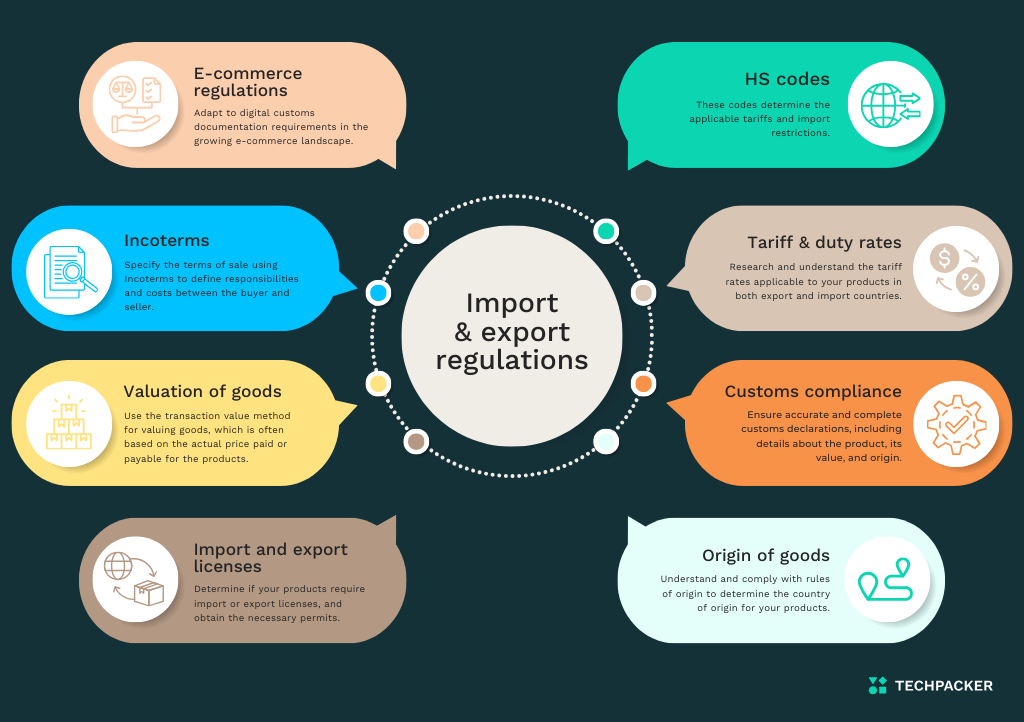
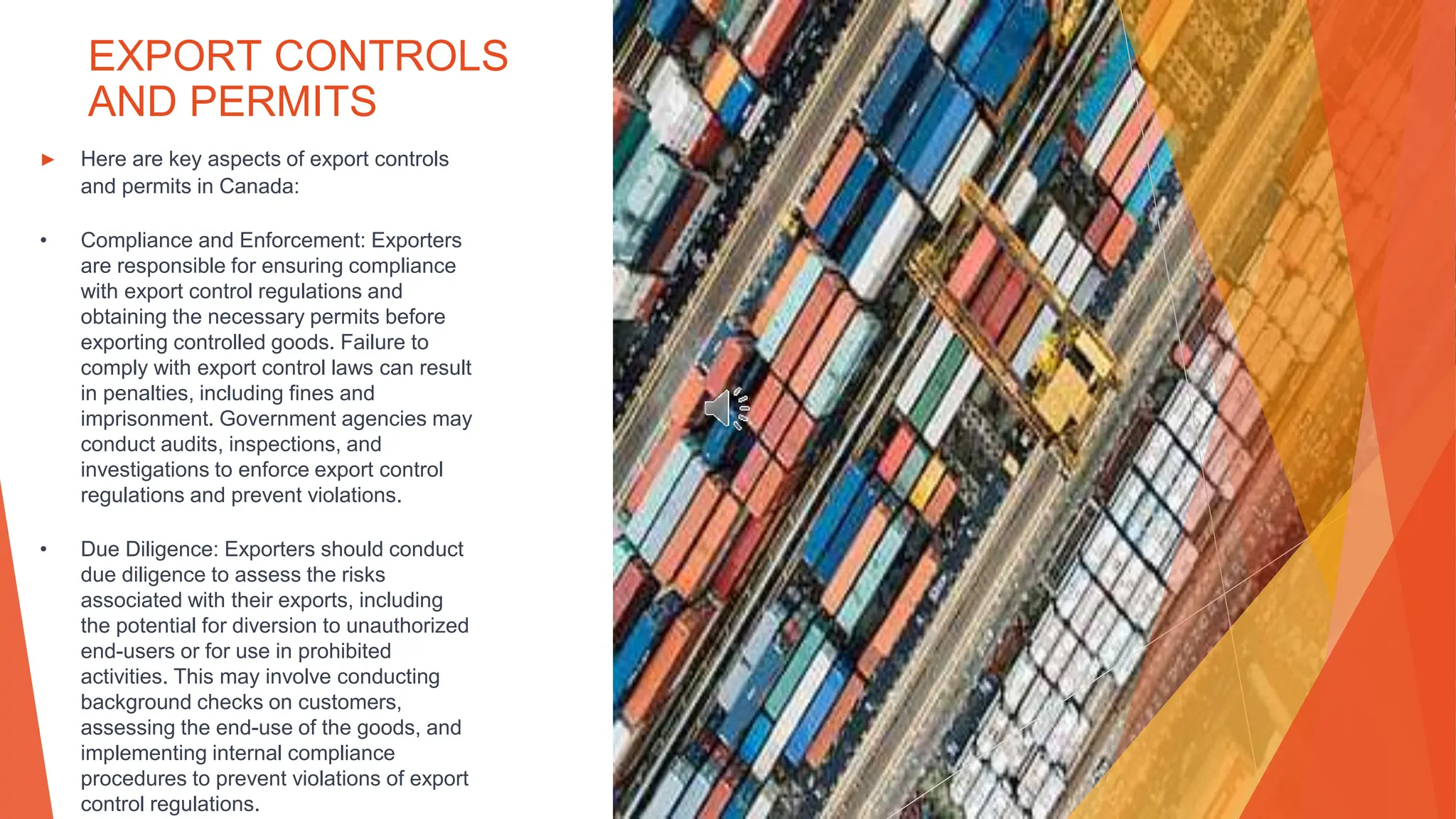
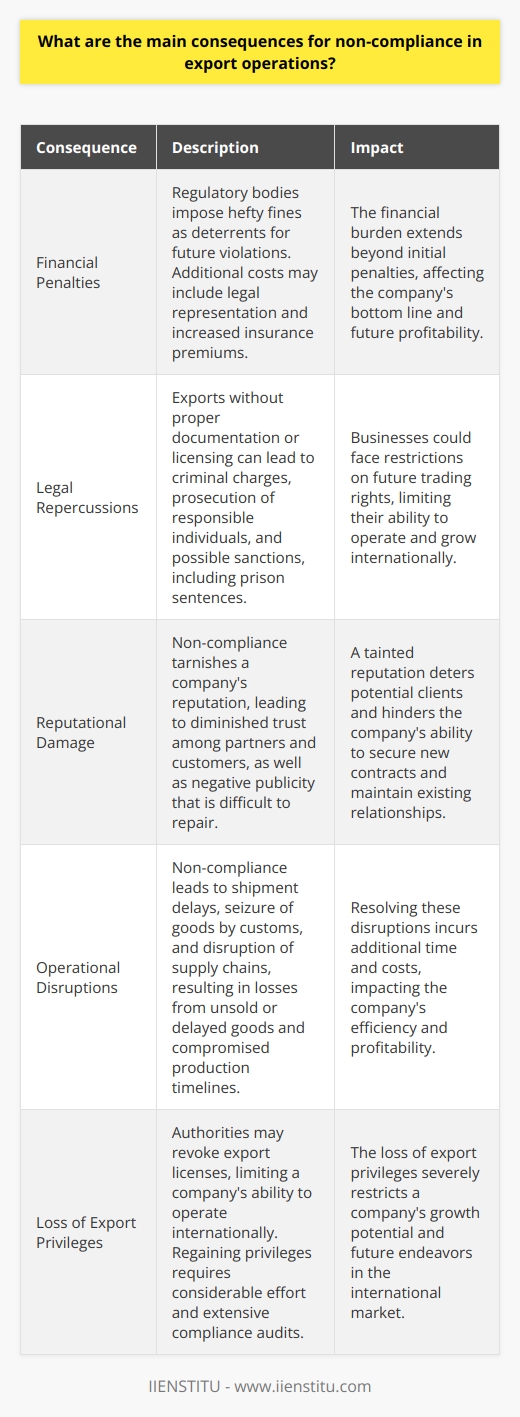
Compliance with export regulations is critical to avoid penalties, fines, and reputational damage. Businesses must ensure that their export activities comply with the EAR, as well as other relevant regulations, such as those related to customs, tariffs, and trade policies. This includes obtaining necessary licenses and permits, classifying products correctly, and maintaining accurate records.
Import and Export Regulations
- CBP and Import Regulations: The U.S. Customs and Border Protection (CBP) administers import regulations, including customs, tariffs, and trade policies. Importers must comply with CBP regulations to avoid delays and penalties.
- Export Regulations: Export regulations, such as the EAR, govern the export and re-export of certain products, software, and technology. Exporters must comply with these regulations to avoid penalties and fines.
- Country-Specific Regulations: Regulations vary by country, and businesses must comply with local laws and regulations when exporting to foreign markets.
Best Practices for Export Regulations
To ensure compliance with export regulations, businesses should:
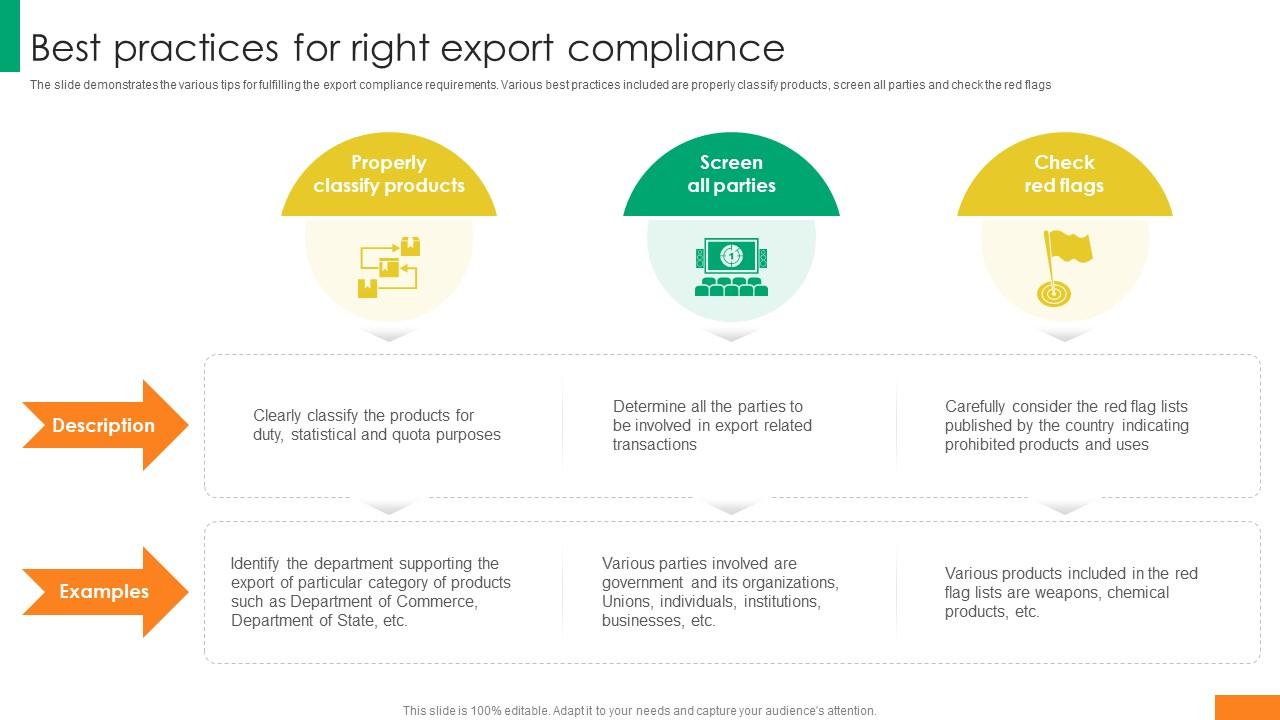
- Develop an Export Compliance Program: Establish a robust export compliance program that includes training, procedures, and documentation.
- Classify Products Correctly: Accurately classify products to ensure compliance with export regulations.
- Obtain Necessary Licenses and Permits: Secure necessary licenses and permits for export activities.
- Maintain Accurate Records: Keep accurate records of export activities, including documentation and communication with regulatory agencies.
Resources for Export Regulations
For further information on export regulations, businesses can consult the following resources:
- Bureau of Industry and Security (BIS): The BIS administers the EAR and provides guidance on export regulations.
- U.S. Customs and Border Protection (CBP): The CBP administers import regulations and provides guidance on customs, tariffs, and trade policies.
- Export Administration Regulations (EAR): The EAR governs the export and re-export of certain products, software, and technology.
Conclusion
Navigating export regulations can be complex, but with the right guidance and resources, businesses can ensure compliance and successfully export goods and services to foreign markets. By understanding the EAR, other export regulations, and best practices for compliance, businesses can minimize risks and maximize opportunities in international trade.
Related Articles
- A Basic Guide to Exporting: A comprehensive guide to exporting, covering key concepts, regulations, and procedures.
- Exporting Regulations and Policies: An overview of export regulations and policies, including customs, tariffs, and trade policies.
- Export Administration Regulations (EAR): A detailed guide to the EAR, including classification, licensing, and documentation requirements.