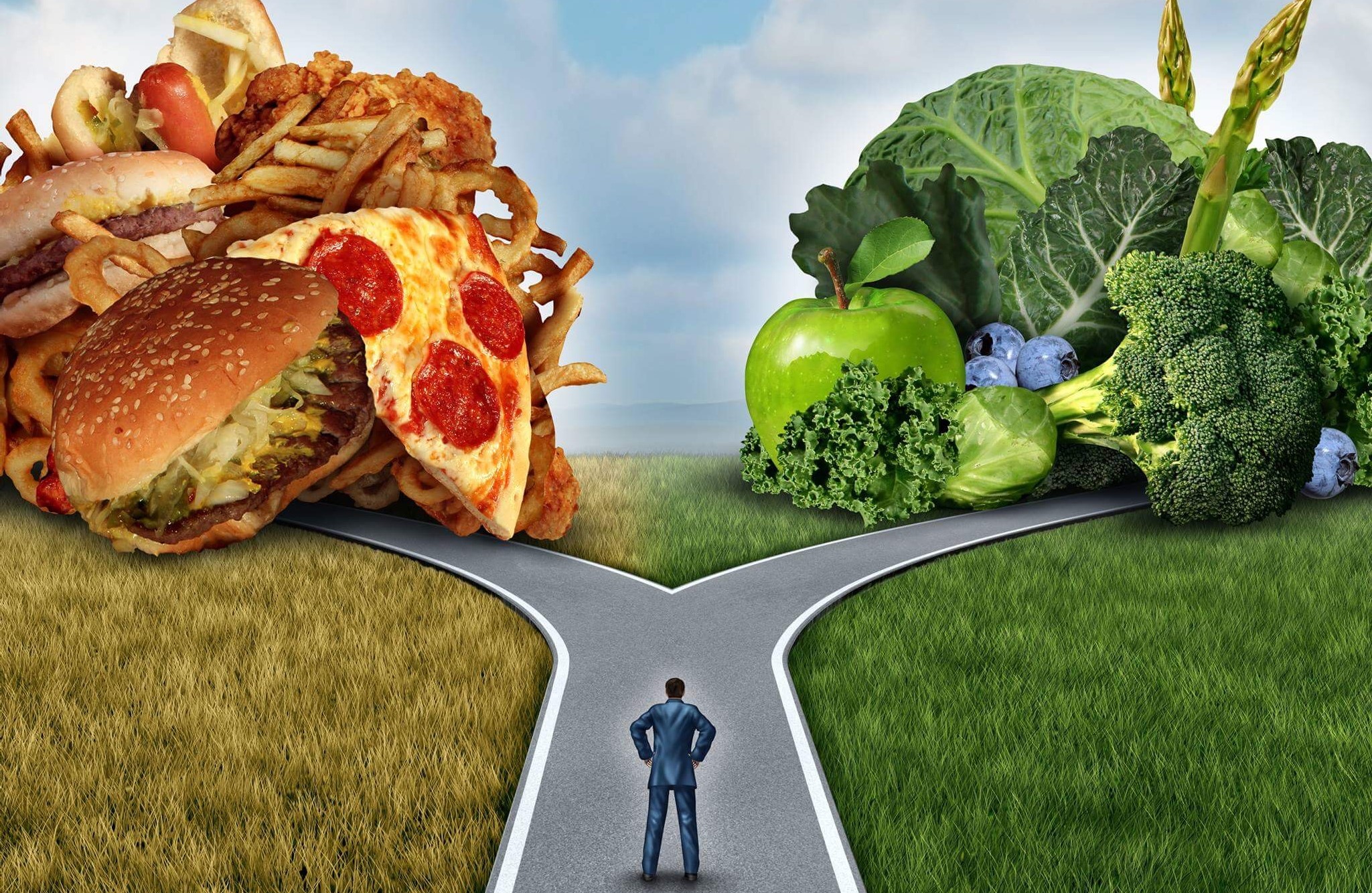
Healthy Eating Habits for Women Over 40: Boost Energy and Longevity
As women enter their 40s, their nutritional needs undergo a significant transformation. The body's metabolism slows down, and hormone levels fluctuate, making it challenging to maintain a healthy weight and overall well-being. Developing healthy eating habits is crucial for women over 40 to support hormone regulation, energy levels, and longevity.Nourishing Foods for a Healthy Diet
A well-rounded diet should include a variety of nutrient-dense foods to ensure optimal health. Incorporate the following foods into your daily meals:- Leafy Greens: Spinach, kale, and collard greens are rich in vitamins A, C, and K, as well as minerals like calcium and iron.
- Fatty Fish: Fatty fish like salmon, sardines, and mackerel are excellent sources of protein and omega-3 fatty acids, which support heart health and hormone regulation.
- Nuts and Seeds: Walnuts, almonds, and chia seeds are rich in healthy fats and antioxidants, promoting heart health and weight management.
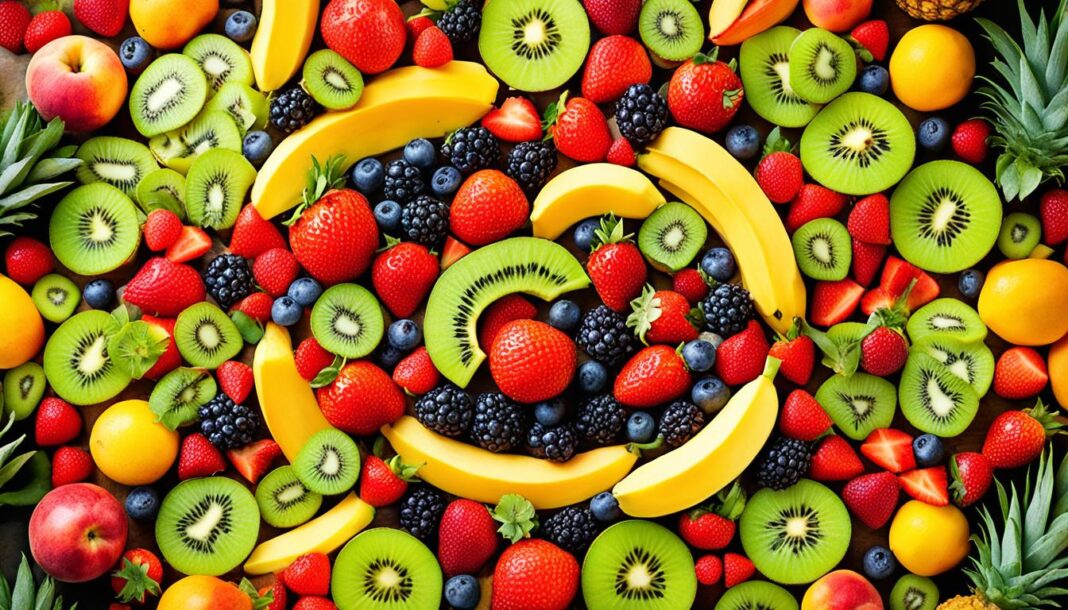
- Berries: Blueberries, strawberries, and raspberries are packed with antioxidants and fiber, supporting cognitive function and digestive health.
Foods to Avoid
Some foods can hinder healthy eating habits for women over 40, including:- Processed Meats: Foods high in sodium and preservatives, such as hot dogs and processed deli meats, can lead to inflammation and increased blood pressure.
- Refined Sugars: Consuming high amounts of added sugars can cause energy crashes, insulin resistance, and weight gain.
- Refined Carbohydrates: Foods made from refined flour, such as white bread and sugary snacks, can cause a rapid spike in blood sugar levels and insulin resistance.
- High-Fat Dairy: Consuming high-fat dairy products can lead to inflammation and weight gain, particularly around the midsection.

Healthy Eating Habits for Women Over 40
Developing healthy eating habits involves mindful food choices, portion control, and regular meal planning. Some essential tips include:- Meal Frequency: Eat 3-5 main meals and 2-3 snacks in between, spaced out every 2-3 hours to maintain stable blood sugar levels and insulin sensitivity.
- Portion Control: Eat until you are 80% full, leaving 20% of space for water and other nutrients.
- Hydration: Drink at least 8-10 glasses of water per day to support digestion and overall health.
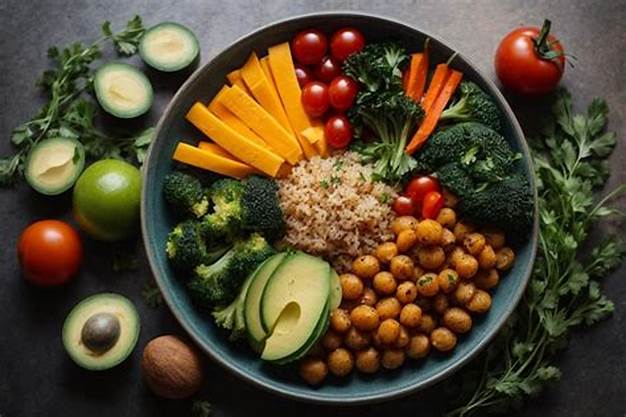
- Vegetable-Rich Diet: Aim to include at least 5 servings of vegetables in your daily meals to support antioxidant intake and fiber.
- Protein-Rich Foods: Incorporate lean protein sources, such as poultry, fish, and legumes, into your meals to support muscle mass and satiety.