Setting Up a G Router for Quality of Service: A Comprehensive Guide
Learn how to use Quality of Service (QoS) on your router to prioritize internet traffic and improve performance for critical applications.
What is Quality of Service (QoS)?
Quality of Service (QoS) is a powerful feature available in most modern routers that manages network traffic by prioritizing bandwidth for critical applications and devices. By ensuring that your important tasks, such as streaming, video conferencing, and gaming, receive adequate bandwidth, QoS significantly enhances your overall internet experience.
Why Set Up QoS on Your Router?
The primary reason to set up QoS on your router is to prioritize your internet traffic and ensure that critical applications receive the bandwidth they need. By doing so, you can enjoy a smoother online experience, reduced lag, and improved performance. Additionally, QoS helps you manage network congestion by limiting or allocating bandwidth to specific devices or applications, preventing them from consuming all available bandwidth.
Choosing the Right Router for QoS
Not all routers offer the same level of QoS capabilities. When selecting a router, look for one that supports QoS, and check its QoS settings to determine the level of customization it offers. Some routers may have more advanced QoS features than others, such as traffic prioritization, bandwidth allocation, and application-based QoS.
Configuring QoS on Your Router
Configure QoS on your router by:
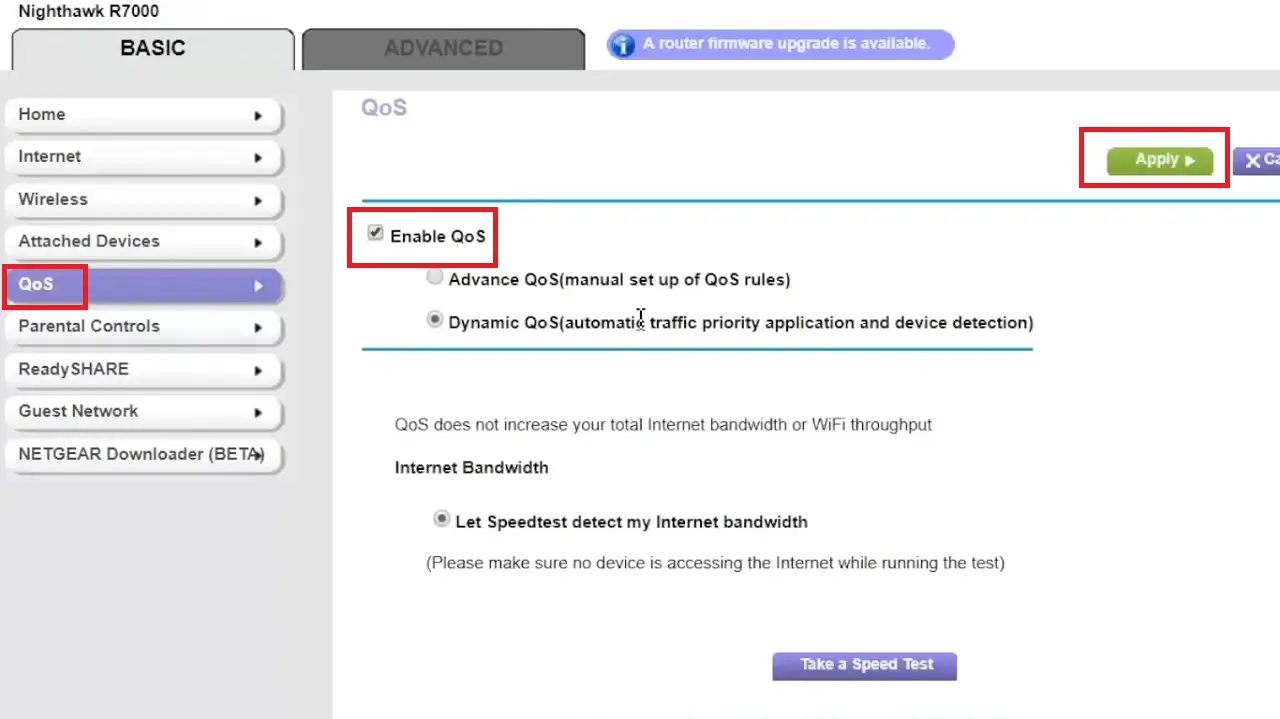
- Accessing the router's web interface through a web browser
- Navigating to the QoS section and selecting the application or device you want to prioritize
- Setting the desired bandwidth allocation, priority, or other relevant settings
- Applying the changes and checking the QoS settings to ensure they are working correctly
Common QoS Settings for Gaming and Streaming
For gaming and streaming, common QoS settings include:
- Priority-based QoS: Allocating higher priority to critical applications such as online games and video streaming services
- Bandwidth allocation: Allowing more bandwidth for gaming and streaming apps
- Traffic prioritization: Prioritizing incoming and outgoing traffic for gaming and streaming apps
Advanced QoS Settings
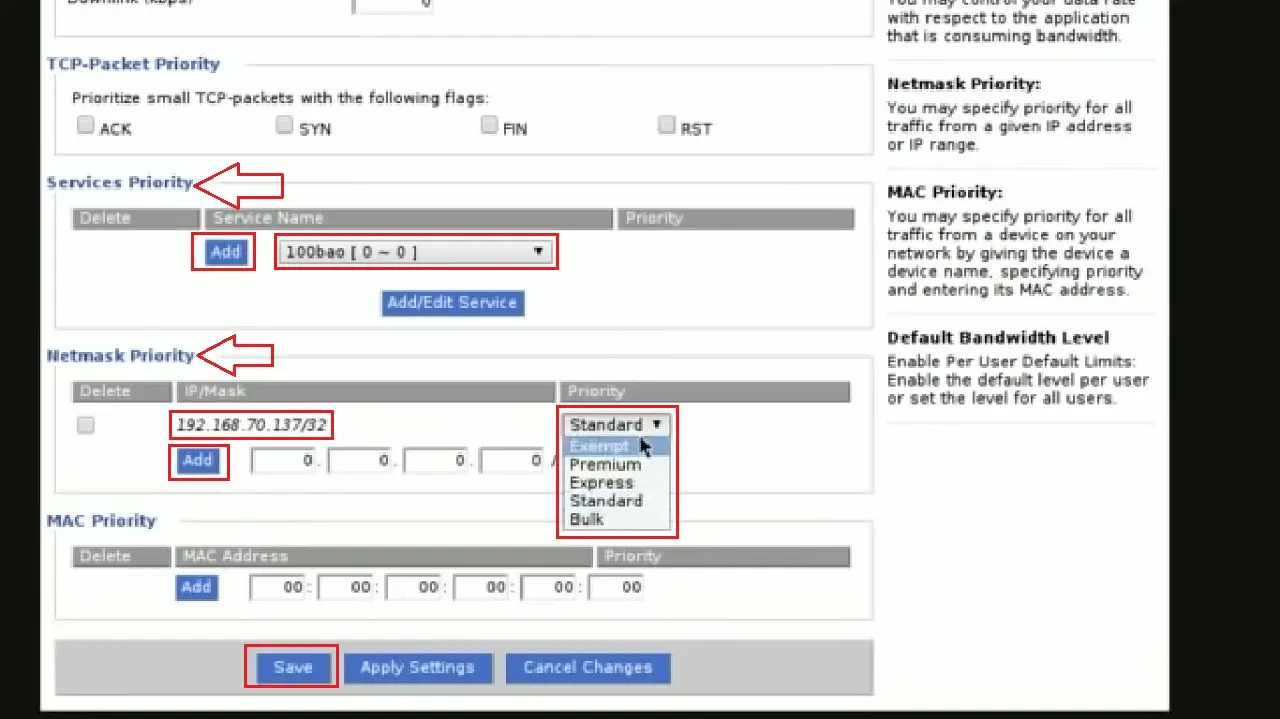
Some routers offer advanced QoS settings, such as:
- Application-based QoS: Allocating bandwidth based on specific applications, such as video conferencing or online gaming
- Device-based QoS: Allocating bandwidth based on specific devices, such as laptops or mobile devices
- Port-based QoS: Allocating bandwidth based on specific ports, such as LAN ports or WAN ports
Common Challenges and Solutions
Avoid common QoS-related challenges by:
- Overloading the router's processor and causing slow performance
- Not configuring QoS correctly, leading to misallocated bandwidth
- Failing to regularly check and update QoS settings
Address these issues by:
- Optimizing QoS settings to avoid overloading the router's processor
- Regularly checking and updating QoS settings to ensure the best performance
- Monitoring network traffic to ensure QoS settings remain effective
Conclusion
Setting up QoS on your router is a powerful way to prioritize your internet traffic and improve performance for critical applications. By understanding the benefits, choosing the right router for QoS, configuring QoS settings, and avoiding common challenges, you can create a smooth and efficient online experience.
Final Tips
When configuring QoS on your router:
- Regularly monitor network traffic to ensure the best performance
- Check and update QoS settings periodically to address changing network demands
- Use QoS tools and logging to monitor network traffic and performance

.png "How To Setup QoS on a Router - DeviceTests")