Using Light for Skin Conditions: A Comprehensive Guide
Are you struggling with a skin condition that's affecting your self-esteem and daily life? You're not alone. Millions of people worldwide suffer from skin issues like acne, psoriasis, eczema, and more. Fortunately, there's a treatment option that's gaining popularity: using light for skin conditions. In this article, we'll delve into the world of phototherapy and explore how it can help you achieve healthier, smoother skin.
What is Phototherapy?
Phototherapy, also known as light therapy, is a non-invasive treatment that uses specific wavelengths of light to target skin conditions. This form of therapy has been used for decades to treat a range of health issues, including skin disorders, mood disorders, and neonatal jaundice. In the context of skin conditions, phototherapy works by emitting specific colors of light that are absorbed by the skin, reducing inflammation, promoting collagen production, and improving skin texture.
Types of Light Therapy for Skin Conditions
-
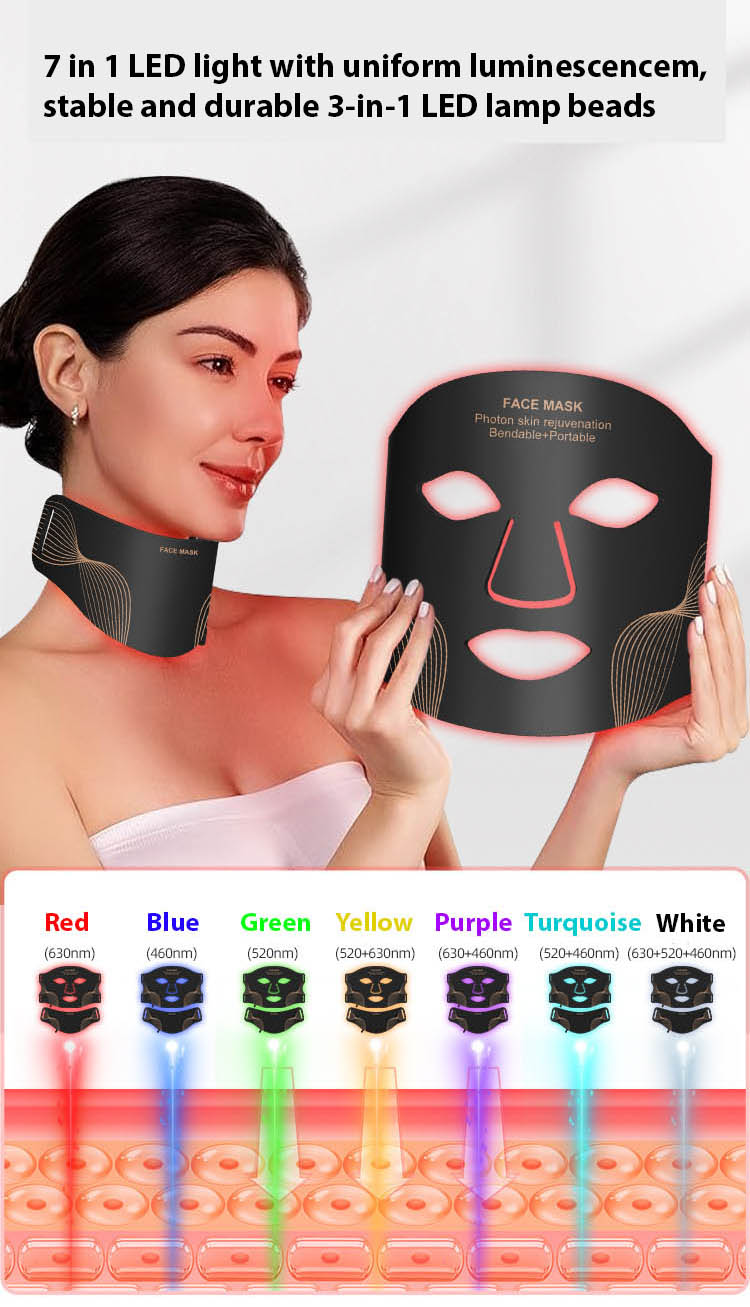
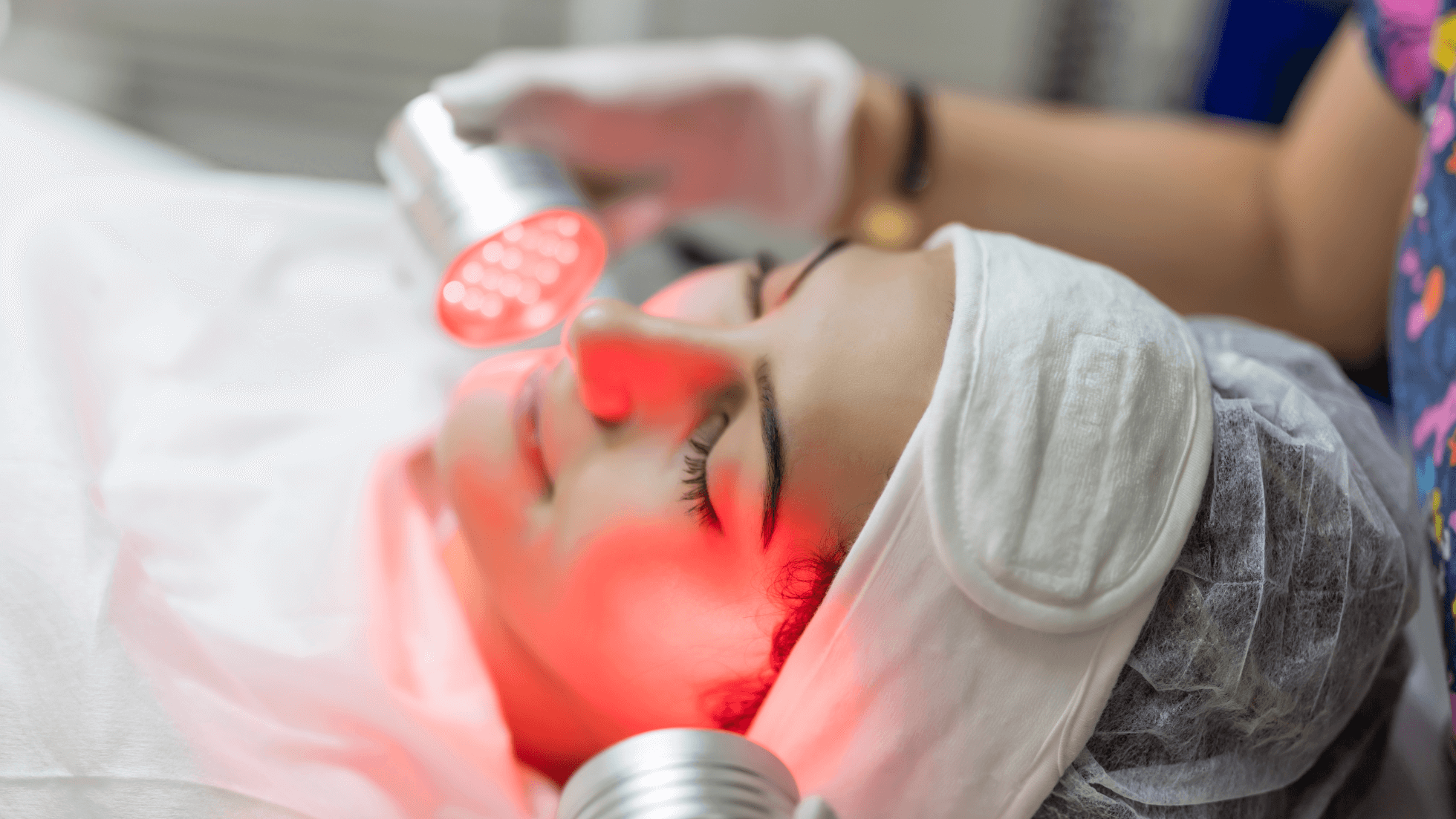
Red Light Therapy: Red light is believed to reduce inflammation, boost collagen production, and improve skin texture. It's often used to treat acne, fine lines, and wrinkles, as well as skin conditions like psoriasis and eczema.
-
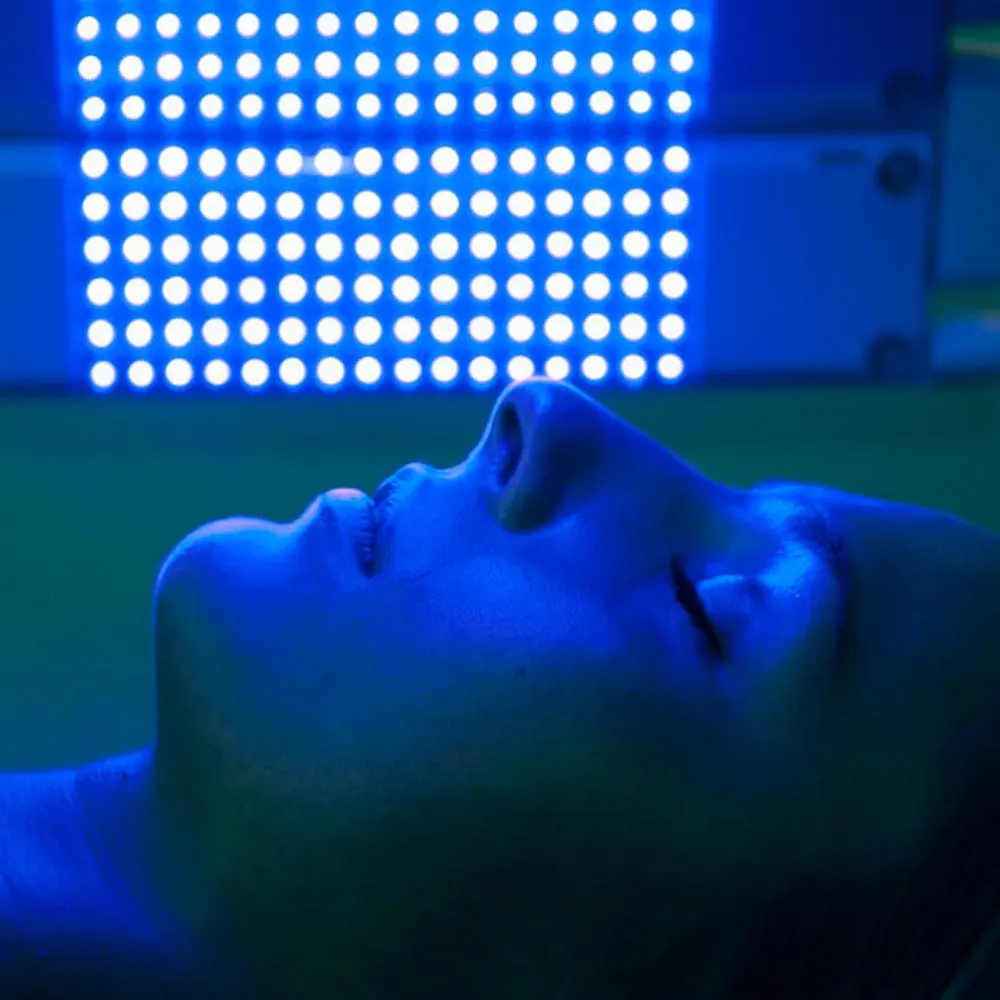
Blue Light Therapy: Blue light is used to treat acne, sun damage, and certain types of skin cancer. It works by killing bacteria that cause acne and reducing inflammation.
-
LED Light Therapy: LED light therapy uses light-emitting diodes (LEDs) to emit specific colors of light. This form of therapy is often used to treat a range of skin conditions, including acne, inflammation, and fine lines and wrinkles.
How Does Light Therapy Work for Skin Conditions?
The science behind light therapy for skin conditions is simple: when specific wavelengths of light are applied to the skin, they're absorbed by the skin cells. This absorption triggers a response that reduces inflammation, promotes collagen production, and improves skin texture. For example, red light is believed to stimulate collagen production, which can lead to improved skin elasticity and reduced fine lines and wrinkles.
Benefits of Using Light for Skin Conditions
-
Pain-Free Treatment: Light therapy is a non-invasive treatment that doesn't require any painful procedures or injections.
-
No Downtime: Unlike surgical procedures or chemical peels, light therapy doesn't require any downtime, making it a convenient option for busy individuals.
-
Safe and Effective: Phototherapy has been used for decades to treat a range of health issues, including skin conditions. When used correctly, it's a safe and effective treatment option.
-
No Side Effects: Unlike some other treatments, light therapy has minimal side effects, making it a popular choice for those seeking a safe and effective treatment option.
Using Light for Skin Conditions: What to Expect
When using light for skin conditions, you can expect a range of benefits, including improved skin texture, reduced inflammation, and increased collagen production. In some cases, light therapy may be used in conjunction with other treatments, such as topical creams or medications. During treatment, you'll typically sit or lie down in a specially designed chair or bed, and the light will be applied to your skin for a specified period. Treatment sessions can last anywhere from 10 to 30 minutes, depending on the condition being treated.
Conclusion
Using light for skin conditions is a safe, effective, and pain-free treatment option that can help you achieve healthier, smoother skin. With its minimal side effects and no downtime required, it's a popular choice for those seeking a convenient and non-invasive treatment option. Whether you're struggling with acne, psoriasis, eczema, or another skin condition, light therapy may be the solution you're looking for. Consult with a healthcare professional today to learn more about using light for skin conditions.