Weight Loss After Type 2 Diabetes Diagnosis: A Life-Changing Journey
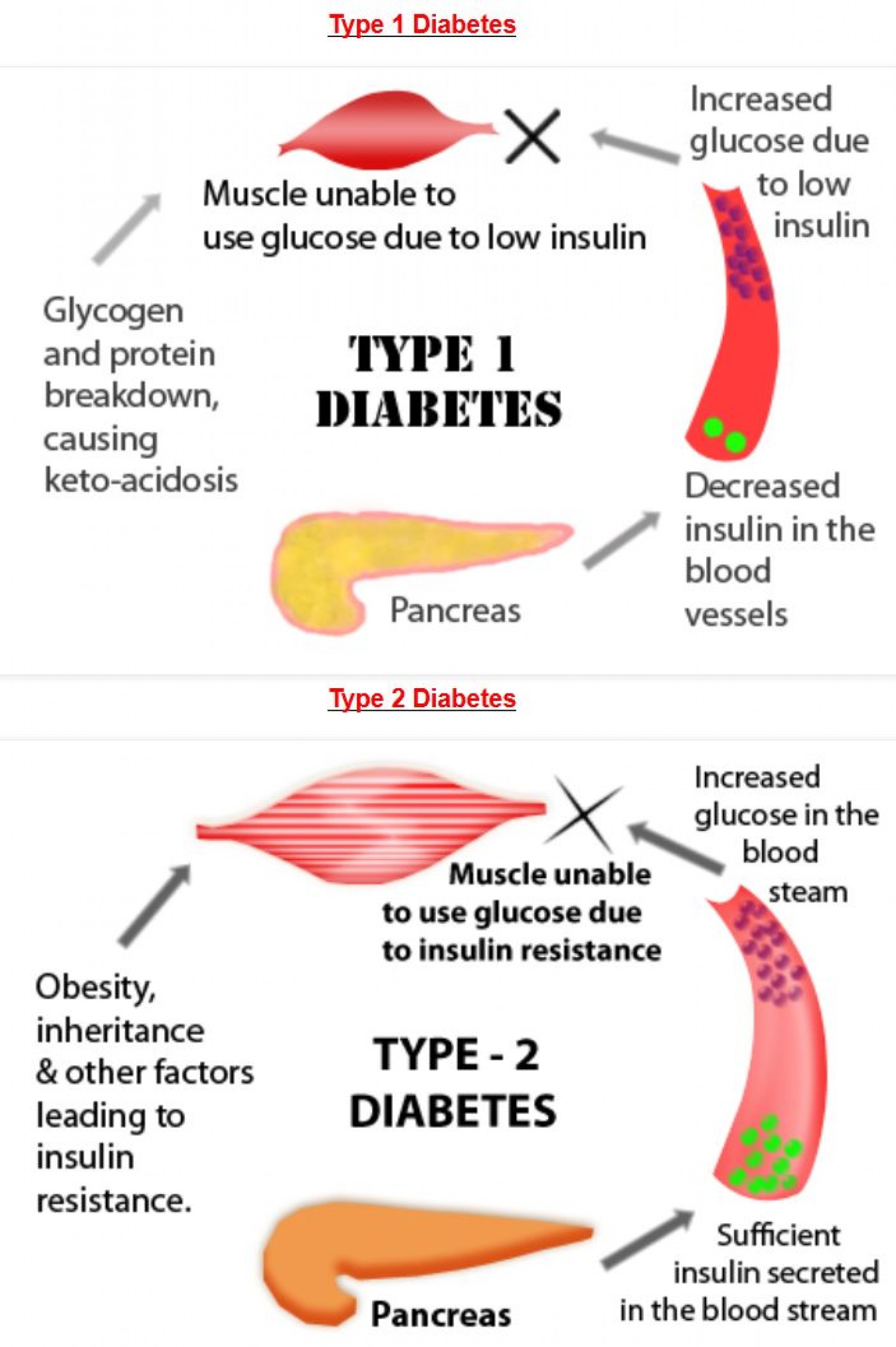
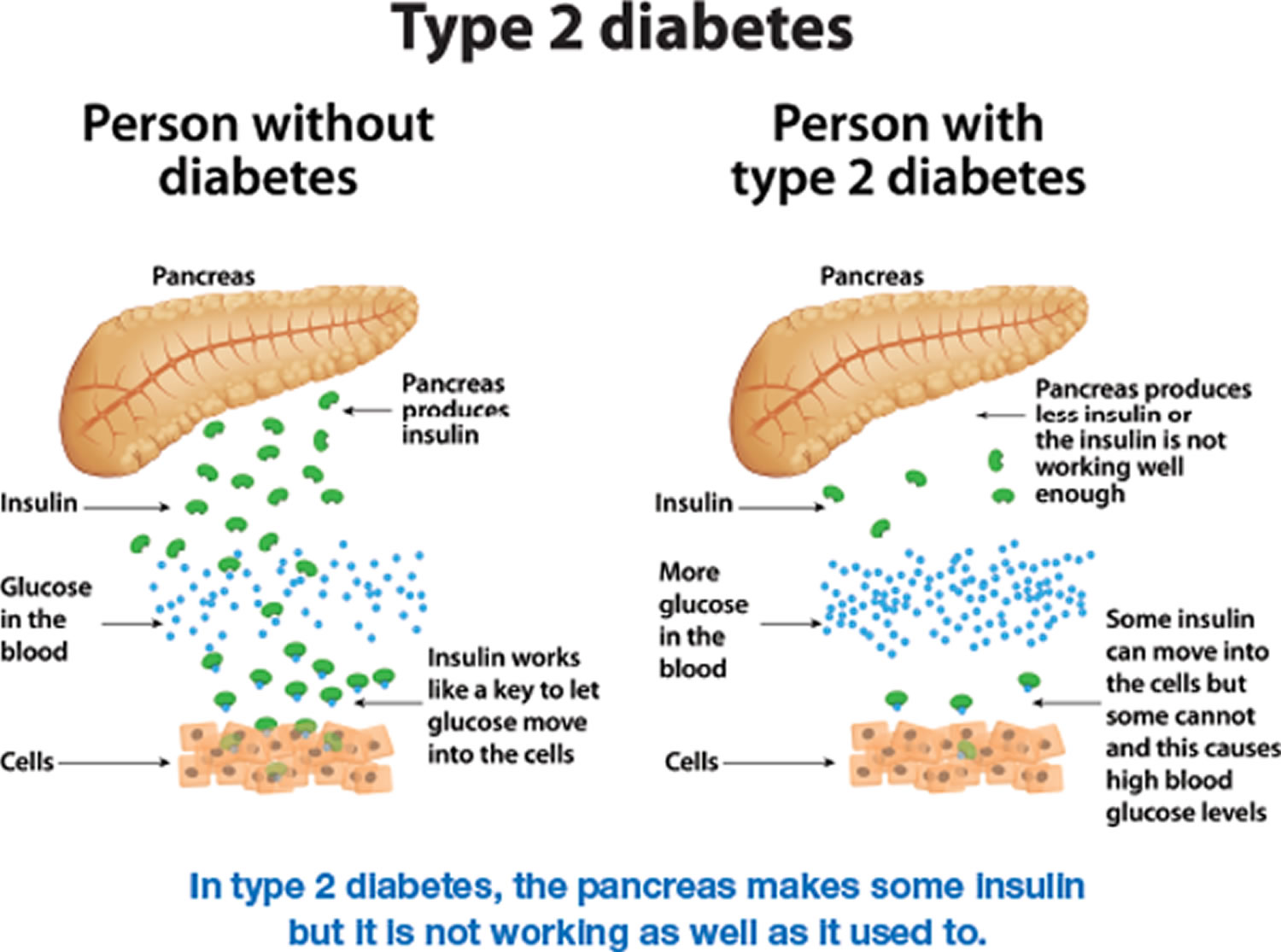
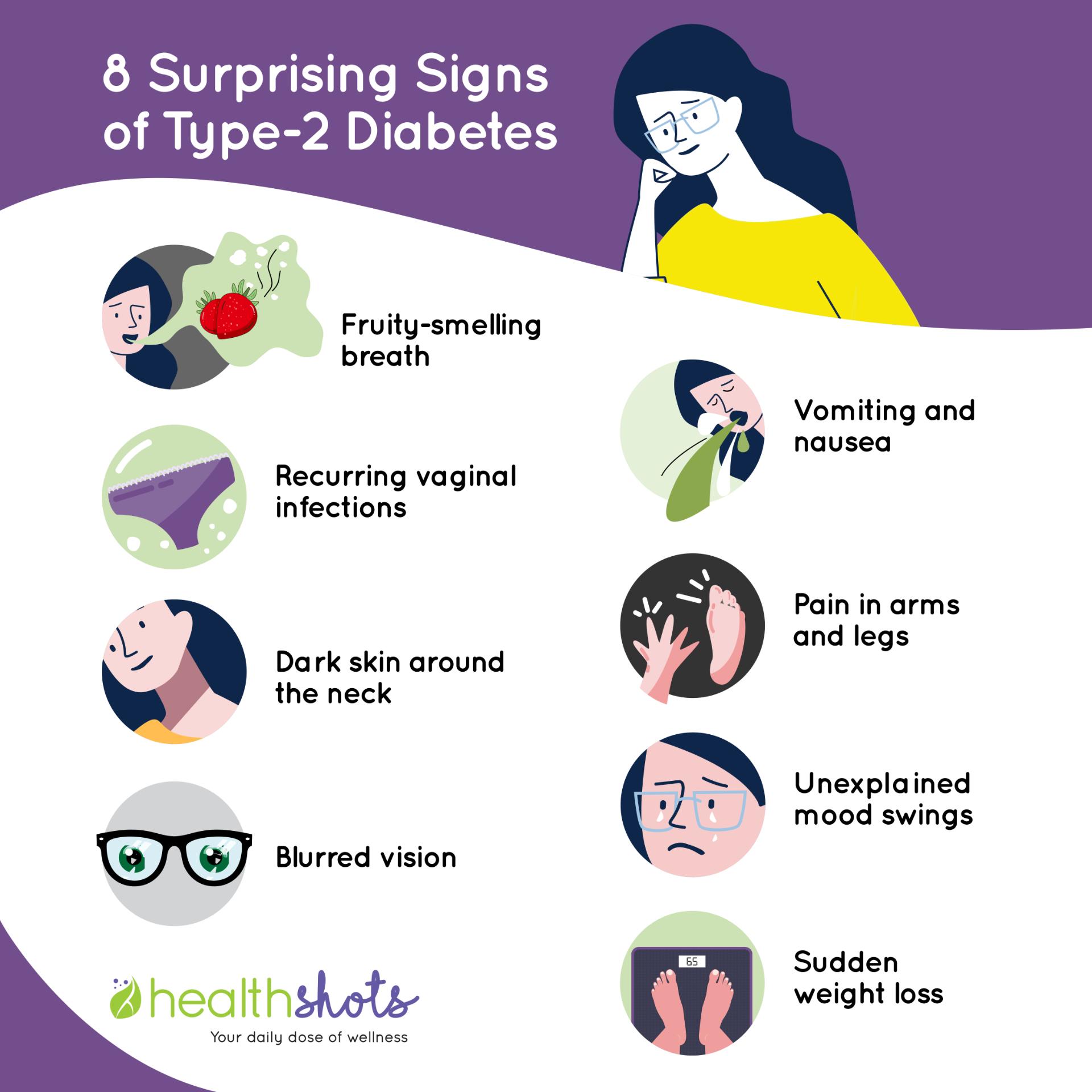
Receiving a type 2 diabetes diagnosis can be a life-altering experience, but it also presents an opportunity for significant lifestyle changes that can help manage and even reverse the condition. One key factor in this process is weight loss, which has been shown to have a profound impact on glucose management and remission rates.
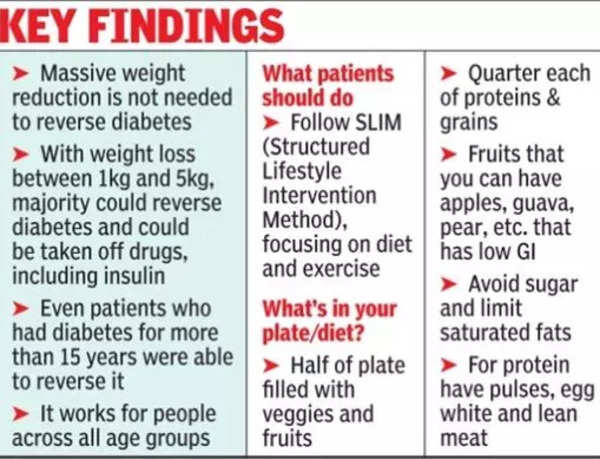
Early weight loss of ≥10% of body weight has been associated with sustained glycemic improvements, increasing by three to four times the rates of diabetes remission. Remission, in turn, is linked to a reduced risk of complications and improved overall health outcomes. However, many people with type 2 diabetes struggle with weight loss due to a variety of factors, including insulin resistance, inflammation, and medication side effects.
The Importance of Weight Loss in Type 2 Diabetes Management
Weight loss is a crucial component of type 2 diabetes management, as it helps to improve insulin sensitivity, reduce blood glucose levels, and lower the risk of complications. The American Diabetes Association recommends a moderate weight loss of 5-10% of initial body weight within the first six months of diagnosis. Achieving this goal can lead to significant improvements in glycemic control and a reduced risk of cardiovascular disease.
How Much Weight Do I Need to Lose to Reverse Type 2 Diabetes?
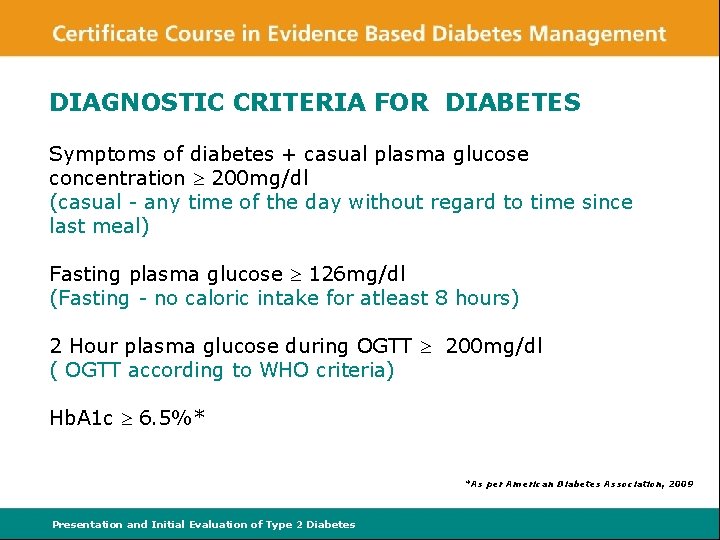
Research has shown that a weight loss of 10-15% of initial body weight achieved within six to 12 months can lead to diabetes remission in most early-stage patients. This translated into a fasting plasma glucose (FPG) below 126 mg/dL, or a hemoglobin A1c (HbA1c) below 6.5%. While achieving this level of weight loss may seem daunting, it is a realistic goal for many people, especially with the right support and guidance.
Benefits of Weight Loss for Type 2 Diabetes Patients
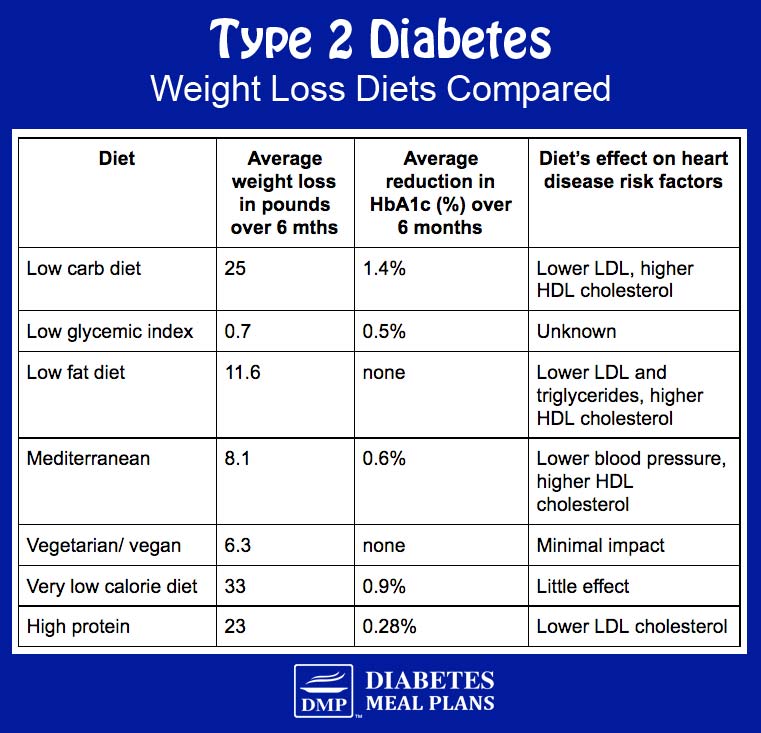
Weight loss for type 2 diabetes patients offers numerous benefits, including:
- Glycemic control**: Weight loss has been shown to improve insulin sensitivity, reducing blood glucose levels and improving glycemic control.
- Improved cardiovascular health**: Weight loss is associated with reduced risk of cardiovascular disease, which is a major complication of type 2 diabetes.
- Increased physical activity**: Regular physical activity is essential for maintaining weight loss and improving overall health.
- Reduced medication usage**: Weight loss can lead to reduced medication usage, which can decrease the risk of medication-related side effects.
- Increased energy**: Weight loss can improve energy levels and reduce fatigue.
Strategies for Achieving Weight Loss After Type 2 Diabetes Diagnosis
While weight loss can seem daunting, it is achievable with the right strategy and support. Here are some tips to help you get started:
- Set realistic goals**: Set specific, achievable weight loss goals and celebrate your successes along the way.
- Develop a healthy diet**: Focus on whole, nutrient-dense foods, and avoid processed and high-sugar foods.
- Establish a regular exercise routine**: Incorporate physical activity into your daily routine, including cardio, strength training, and high-intensity interval training (HIIT).
- Get support**: Join a weight loss support group, work with a registered dietitian or nutritionist, or enlist the help of a healthcare professional.
- Monitor your progress**: Use a food diary, mobile app, or other tracking tool to monitor your progress and stay motivated.
Conclusion
Weight loss after a type 2 diabetes diagnosis is a crucial step in managing the condition and reducing the risk of complications. By setting realistic goals, developing a healthy diet, establishing a regular exercise routine, getting support, and monitoring progress, you can achieve significant weight loss and improve your overall health. Remember, it's not just about weight loss; it's about adopting a healthier lifestyle that will benefit you for years to come.