Understanding the Complexities of Insulation Pricing
Accurate insulation cost estimating is a crucial aspect of any construction or renovation project. It determines whether a project stays within budget, meets energy code requirements, and achieves thermal performance targets without over- or under-investing in materials. In this comprehensive guide, we will delve into the primary cost drivers for residential and commercial insulation work, established benchmarks by material type, and the decision points that define which estimation methods to use.Introduction to Insulation Pricing
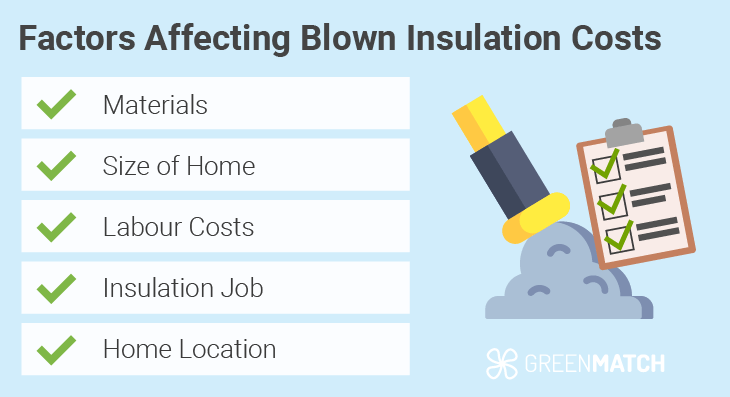
Insulation pricing can be influenced by a multitude of factors, including material choice, R-value targets, and installation access. Regional differences, labor rates, and job complexity also play a significant role in shifting the final cost. For insulation, the main variables are type (batts, blown-in, spray), desired insulation level, and whether there are fire, moisture, or ventilation requirements.Key Cost Drivers
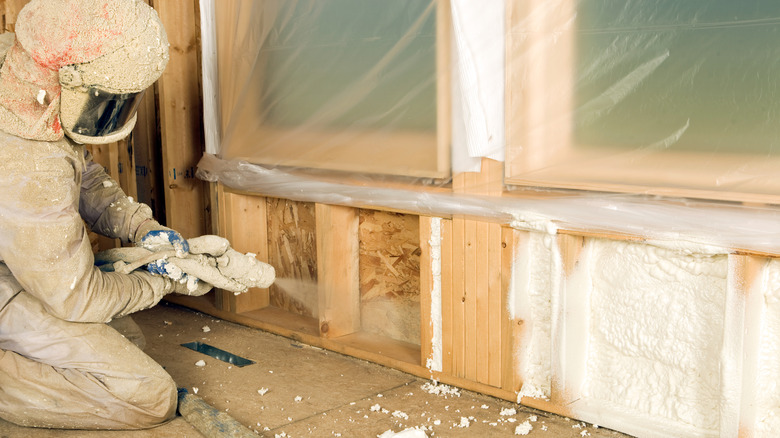
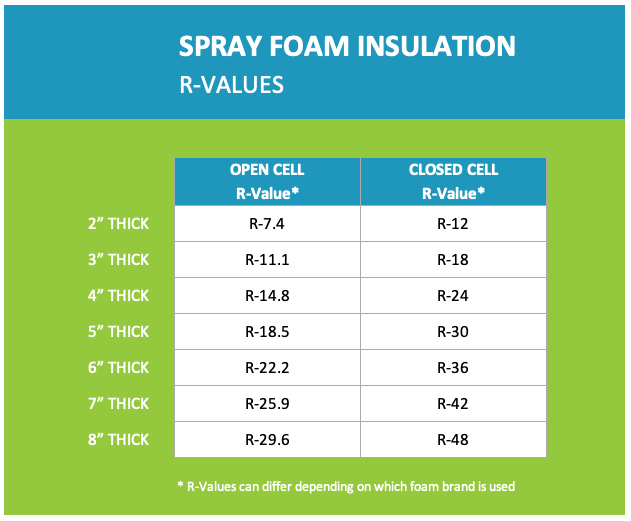
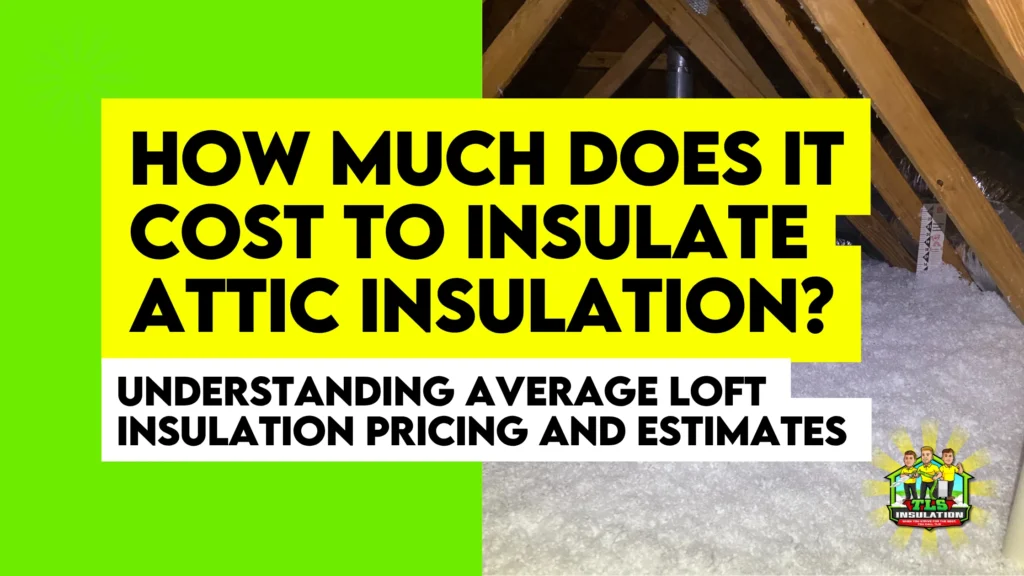
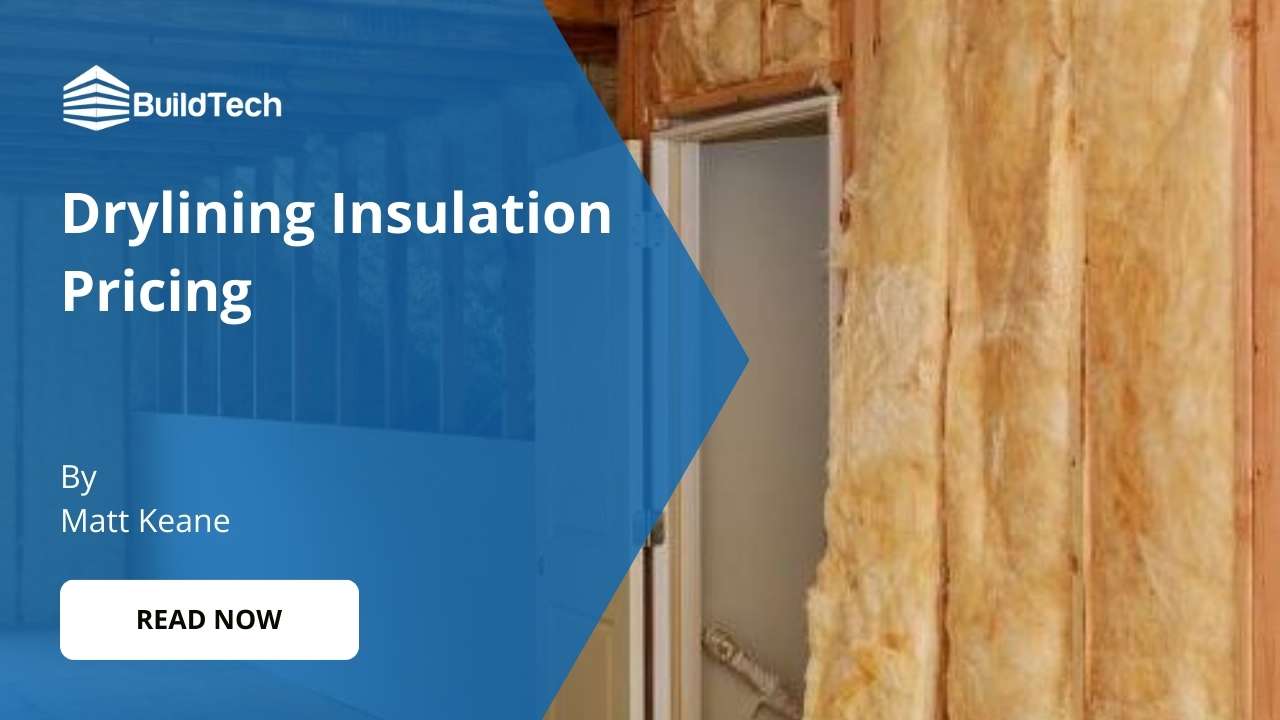
### Material Choice The type of insulation material used is one of the primary cost drivers. Various options are available in the market, each with its unique characteristics and price points. Some common types of insulation materials include: * Fiberglass: Affordable and widely used, fiberglass insulation offers good thermal resistance. * Cellulose: A cost-effective and eco-friendly option, cellulose insulation provides excellent thermal performance. * Spray Foam: A high-performance insulation material that offers excellent thermal resistance and durability. * Blown-in Insulation: A flexible and versatile option that can be installed in various areas of the home. ### R-Value Targets The R-value of insulation determines how well it blocks heat transfer. A higher R-value generally indicates a more insulating material. The R-value is affected by the type of insulation, its thickness, and its density. ### Installation Access The complexity of installation, including access to areas requiring insulation, can significantly impact the cost. Hard-to-reach areas, such as attic spaces or crawl spaces, may require specialized equipment or additional labor, increasing the overall cost.Regional Differences and Labor Rates
Regional differences in labor rates and local market conditions can also affect insulation pricing. In areas with a high cost of living or in regions with limited labor availability, insulation costs tend to be higher.Job Complexity