Amylin and GLP-1 Agonists: The Next Frontier in Obesity and Diabetes Treatment
For years, glucagon-like peptide-1 (GLP-1) receptor agonists have been the go-to treatment for obesity and type 2 diabetes. However, emerging research suggests that amylin agonists may be the next big thing in the fight against these conditions. In this article, we'll delve into the world of amylin and GLP-1 agonists, exploring their mechanisms of action, clinical use cases, and potential benefits.
What are Amylin and GLP-1 Agonists?
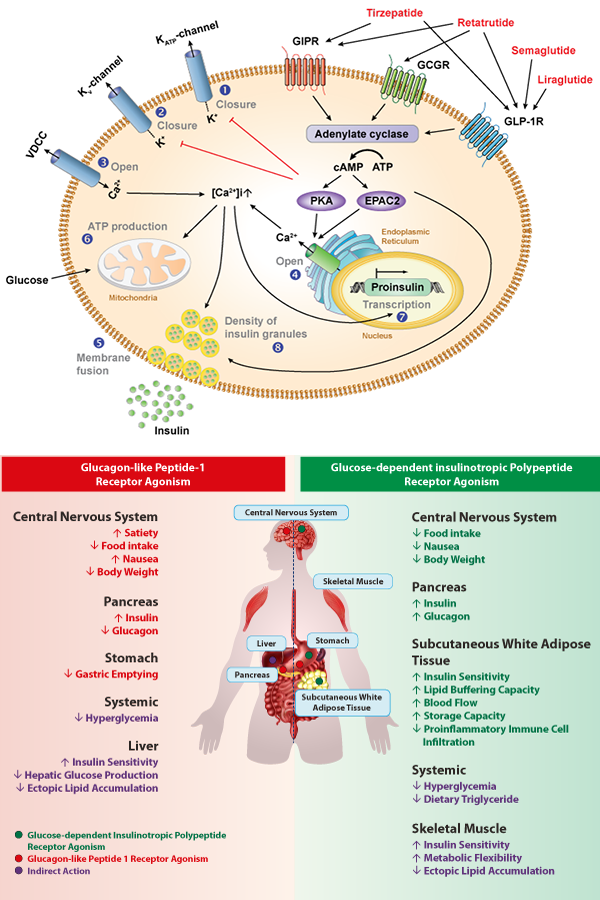
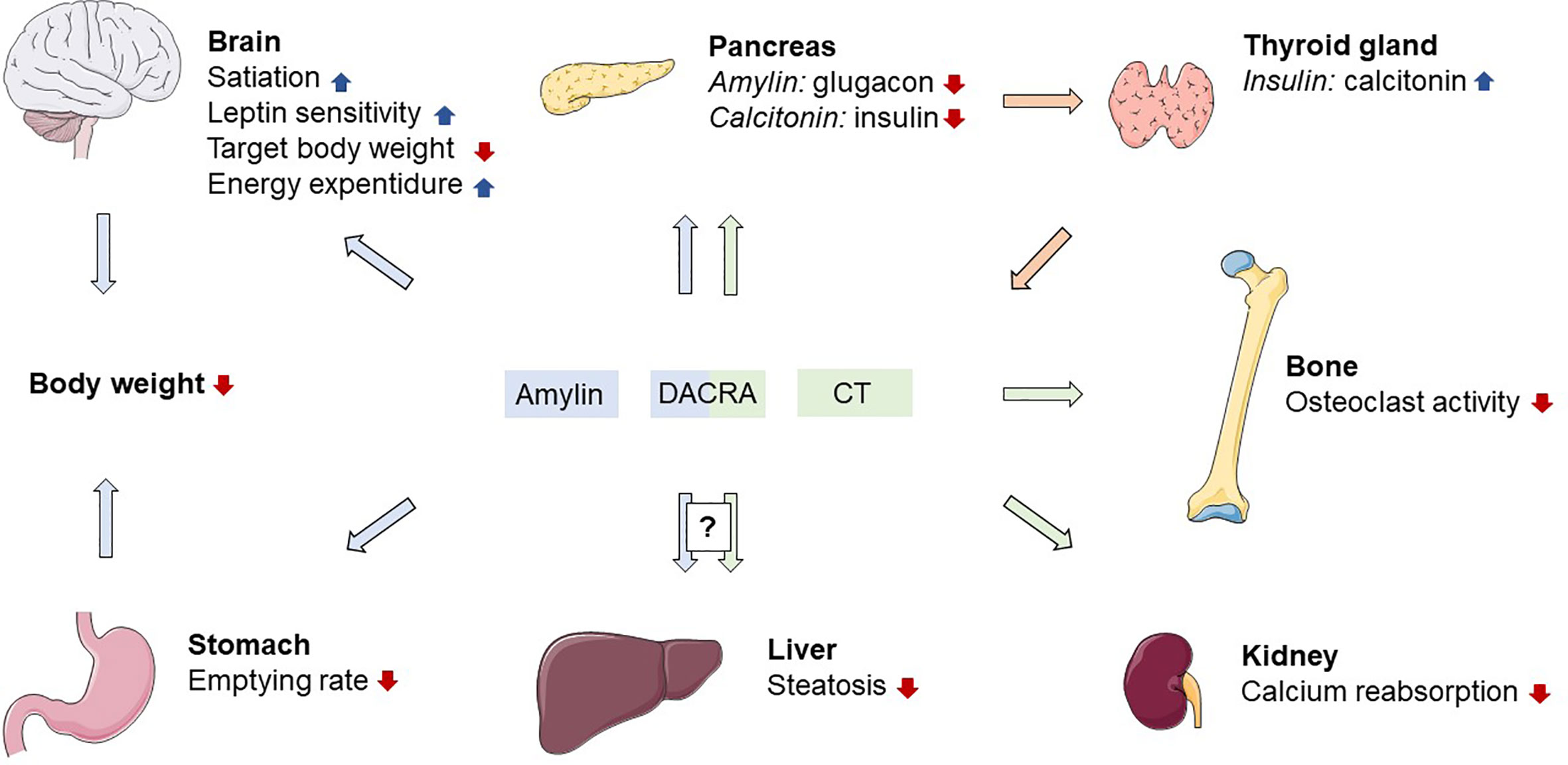
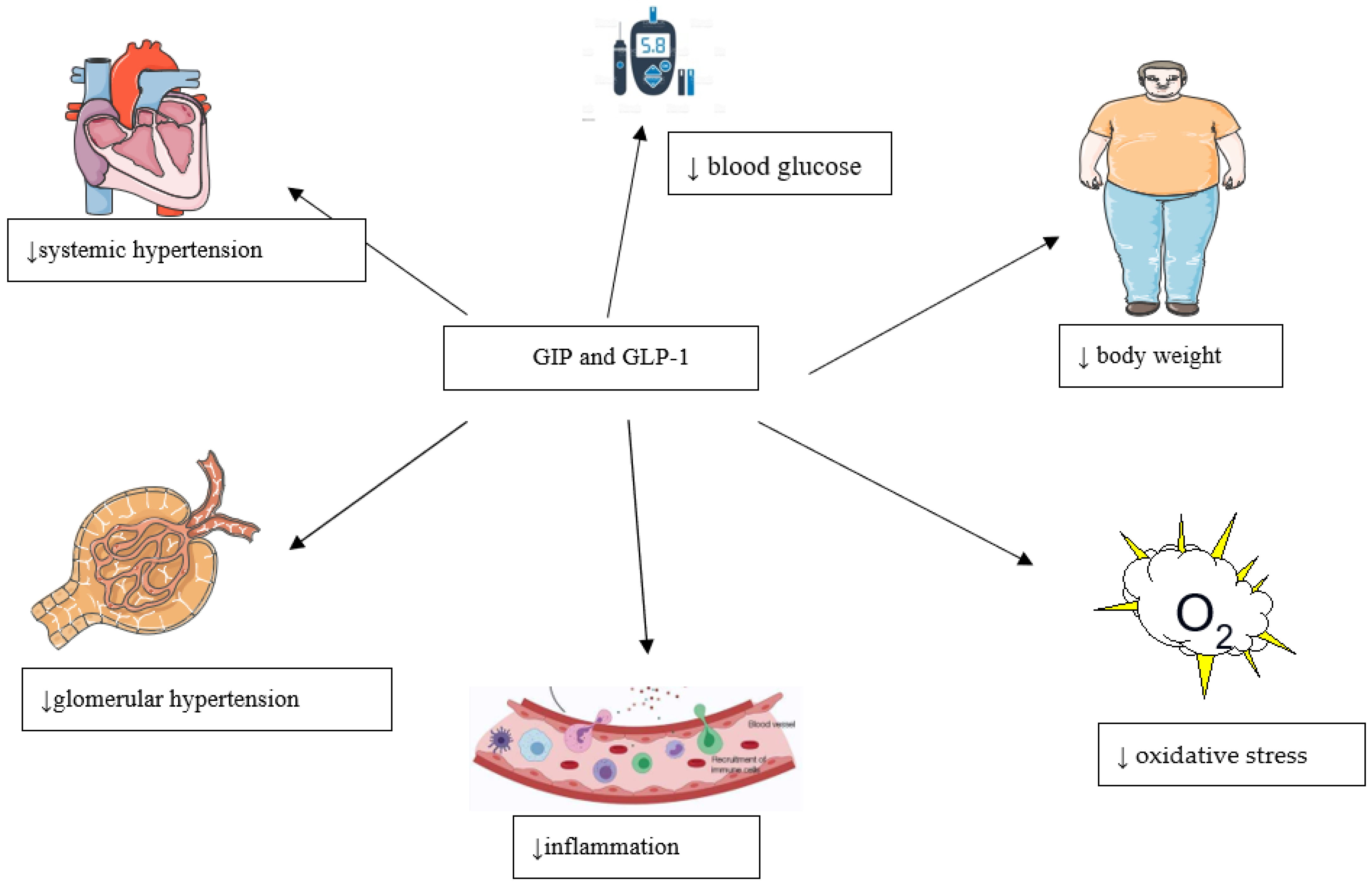
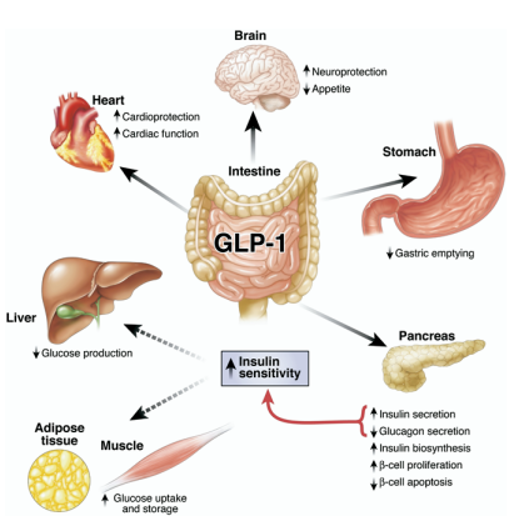
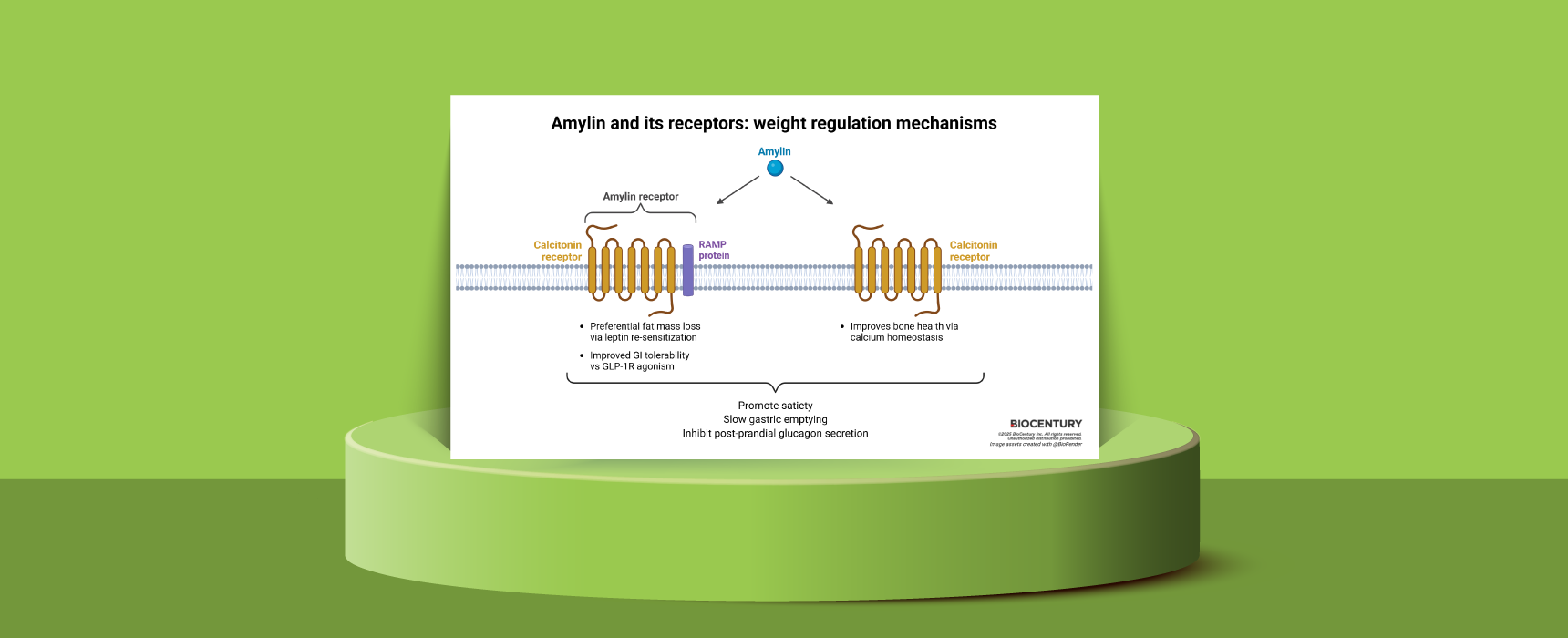
Amylin and GLP-1 agonists are a class of medications that activate the amylin and GLP-1 receptors, respectively. Amylin is a hormone that helps regulate blood sugar levels by slowing gastric emptying and reducing appetite. GLP-1, on the other hand, is a hormone that helps regulate blood sugar levels by increasing insulin production and reducing glucagon levels.
Difference between Amylin and GLP-1 Agonists
While both amylin and GLP-1 agonists have been shown to have glucose-lowering effects, they work through different mechanisms. Amylin agonists, such as amylin analogs, promote fullness and slow digestion, while GLP-1 agonists, such as GLP-1 receptor agonists, increase insulin production and reduce glucagon levels.
Clinical Use Cases
Amylin agonists have been shown to be effective in reducing body weight and improving metabolic health in people with obesity and type 2 diabetes. For example, the novel synergistically acting GLP-1 receptor agonist combined with the amylin agonist, CagriSema, shows promising results in both glucose regulation and weight management.
Emerging Research
Emerging research suggests that amylin agonists may be more effective than GLP-1 agonists in reducing body weight and improving metabolic health. For example, a 20-week phase 2 clinical trial found that weekly cagrilintide in combination with semaglutide (CagriSema) showed a 15.6% reduction in body weight vs 5.1% with semaglutide alone, in people with diabetes and obesity.

Benefits of Amylin Agonists
Amylin agonists offer several benefits over GLP-1 agonists, including:
- Improved weight loss: Amylin agonists have been shown to promote greater weight loss than GLP-1 agonists.
- Enhanced appetite regulation: Amylin agonists work through appetite regulation pathways that complement but do not duplicate the mechanisms of GLP-1 agonists.
- Reduced risk of hypoglycemia: Amylin agonists may reduce the risk of hypoglycemia associated with GLP-1 agonists.
Challenges and Future Directions
While amylin agonists show promise, several challenges remain. These include:
- Tolerability issues: Amylin agonists may pose significant tolerability issues, including gastrointestinal side effects.
- Sarcopenia risk: Amylin agonists may increase the risk of sarcopenia, a condition characterized by muscle wasting.
- Long-term use: The long-term use of amylin agonists is still unclear, and further research is needed to determine their safety and efficacy.
Conclusion
Amylin agonists offer a promising new direction in the treatment of obesity and type 2 diabetes. While challenges remain, emerging research suggests that amylin agonists may be more effective than GLP-1 agonists in reducing body weight and improving metabolic health. Further research is needed to determine the safety and efficacy of amylin agonists and to explore their potential benefits in the fight against obesity and type 2 diabetes.

01176-6/asset/8f252412-ab10-4527-8c33-9679c4f31f6c/main.assets/gr3_lrg.jpg "Forget GLP-1: Amylin Wants to Be the Next Big Thing")