Attic Fan Installation and Indoor Air Quality: A Comprehensive Guide
When it comes to maintaining a comfortable and healthy living environment, indoor air quality (IAQ) plays a crucial role. One often overlooked aspect of IAQ is the attic space, which can significantly impact the overall temperature and air quality. Attic fan installation has emerged as an effective solution for improving home ventilation, offering numerous benefits to homeowners.
The Importance of Attic Ventilation
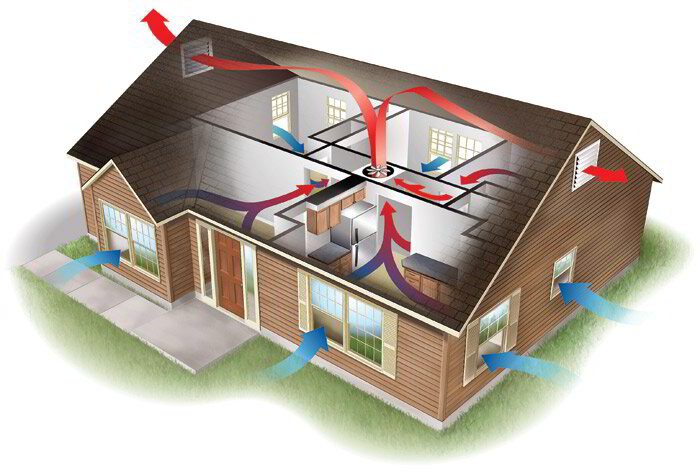
Poor indoor air quality can irritate the eyes, nose, and throat, cause headaches or dizziness, and even lead to respiratory disease. Proper roof ventilation allows a continuous flow of air through the attic space, which helps regulate temperature, moisture levels, and air quality within the home. Attic fans can positively impact indoor air quality when used correctly, helping to control humidity, reduce mold risk, and improve ventilation.
Benefits of Attic Fan Installation
Reduces heat buildup during hot months and prevents moisture accumulation in colder months.
Lowers cooling costs and extends the lifespan of your roof.
Improves indoor air quality by regulating temperature and moisture levels.
Reduces the risk of mold and mildew growth.
Enhances overall comfort and energy efficiency.
Choosing the Right Attic Fan
When selecting an attic fan, consider the following key features:
Durability: Look for fans made from high-quality materials that can withstand extreme temperatures and weather conditions.
Efficiency: Choose a fan that is energy-efficient and can operate at a low noise level.
Ease of use: Opt for a fan with a simple installation process and easy maintenance requirements.
Size: Select a fan that is the right size for your attic space to ensure optimal performance.
Installation Considerations

Before installing an attic fan, ensure you have the following tools and materials:
Drill and bits
Screwdriver
Wiring and connectors
Attic fan unit
Mounting hardware
Follow these steps for a successful installation:
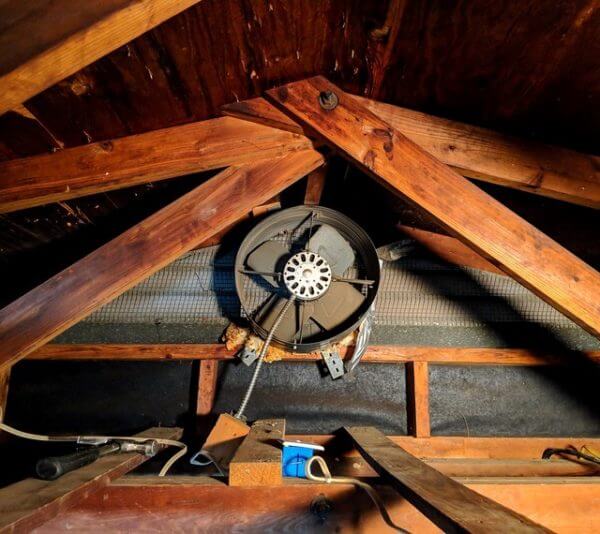
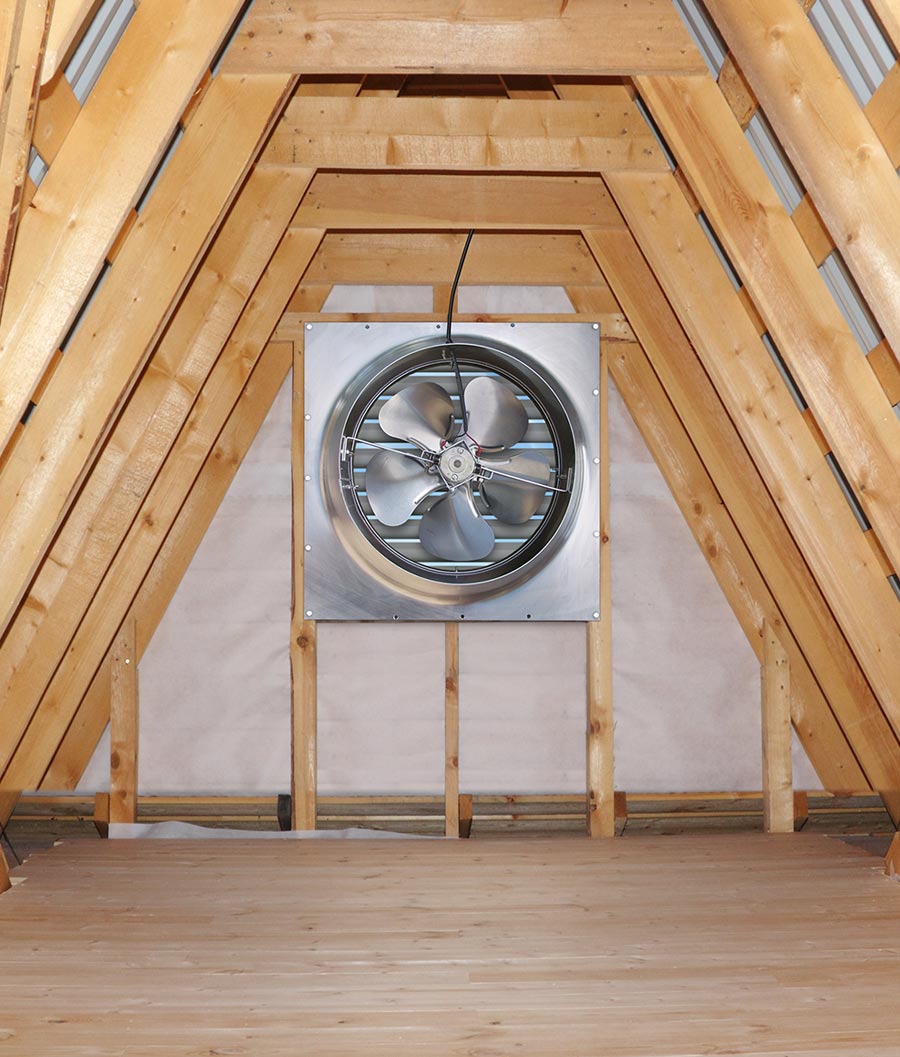
Determine the correct location for the fan, ensuring it is at least 12 inches from any obstructions.
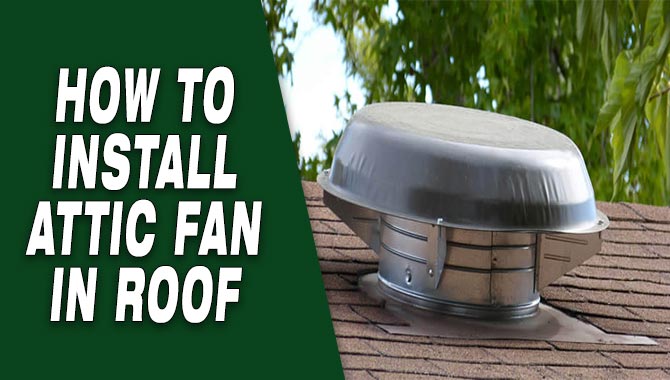
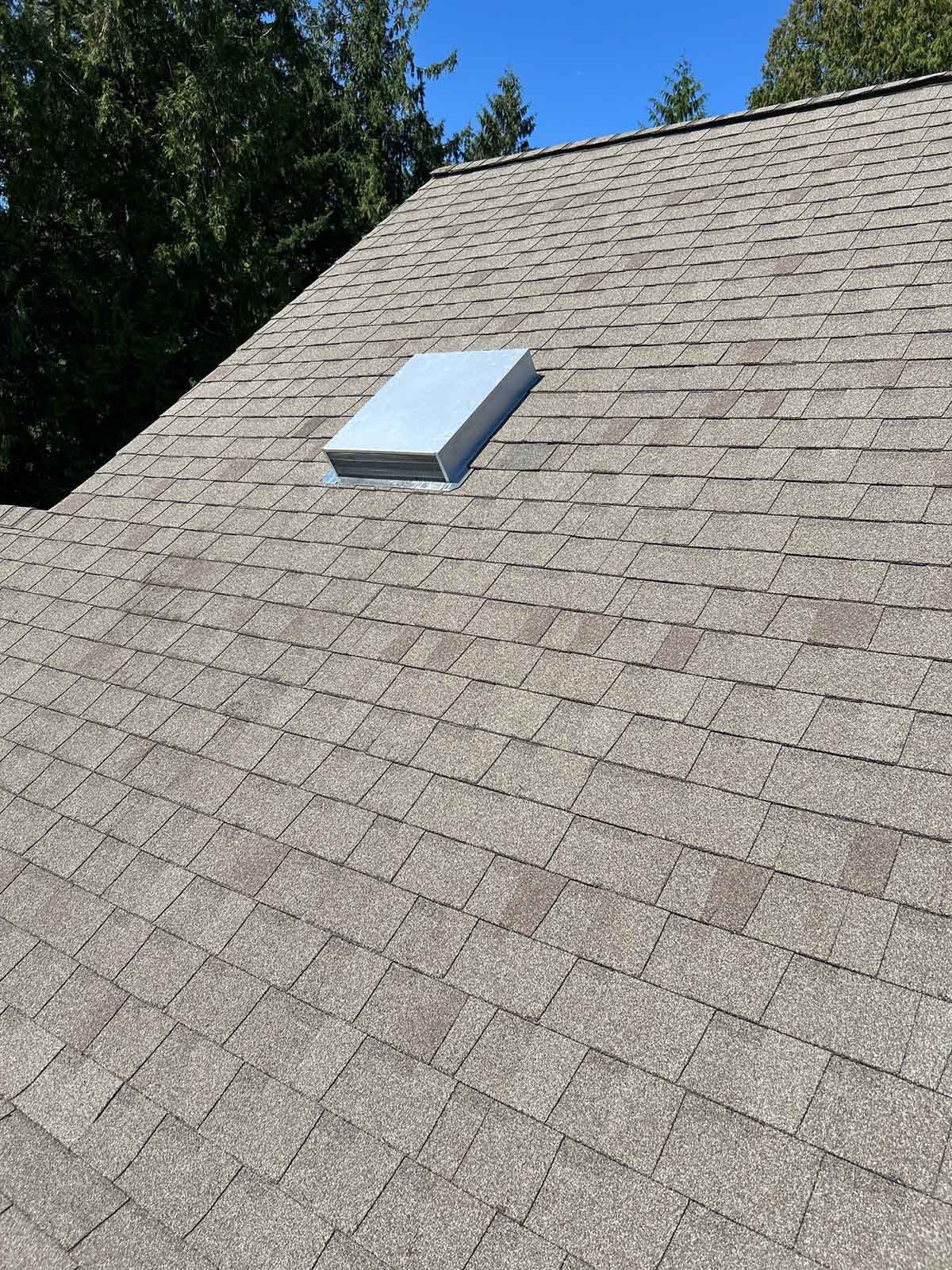
Mount the fan unit to the roof or gable wall, following the manufacturer's instructions.
Connect the wiring and ensure the fan is properly grounded.
Test the fan to ensure it is operating correctly and safely.
Maintaining Your Attic Fan
Regular maintenance is essential to ensure your attic fan continues to operate efficiently and effectively. Check and replace the fan's filter regularly, and clean the fan blades and motor to prevent dust and debris buildup.
Conclusion
In conclusion, attic fan installation can positively impact indoor air quality when used correctly. By understanding the importance of attic ventilation, choosing the right attic fan, and following proper installation and maintenance procedures, homeowners can enjoy a healthier, more comfortable living environment.
Attic fans can help regulate temperature, reduce humidity, and improve air quality, contributing to a healthier living environment. With the right attic fan and proper installation and maintenance, homeowners can enjoy the numerous benefits of improved indoor air quality, including reduced energy costs, a healthier living space, and enhanced overall comfort.