Carbon Offset and Sustainable Development: A Necessity for a Brighter Future
As the world continues to grapple with the challenges of climate change, carbon offsetting has become an increasingly popular solution to mitigate the impact of our daily activities on the environment. However, there is more to carbon offsetting than meets the eye. To truly make a difference, we need to explore the complex relationship between carbon offsetting and sustainable development.
What is Carbon Offsetting?
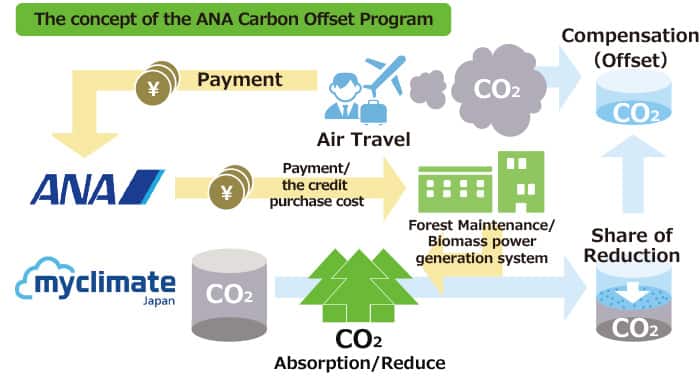
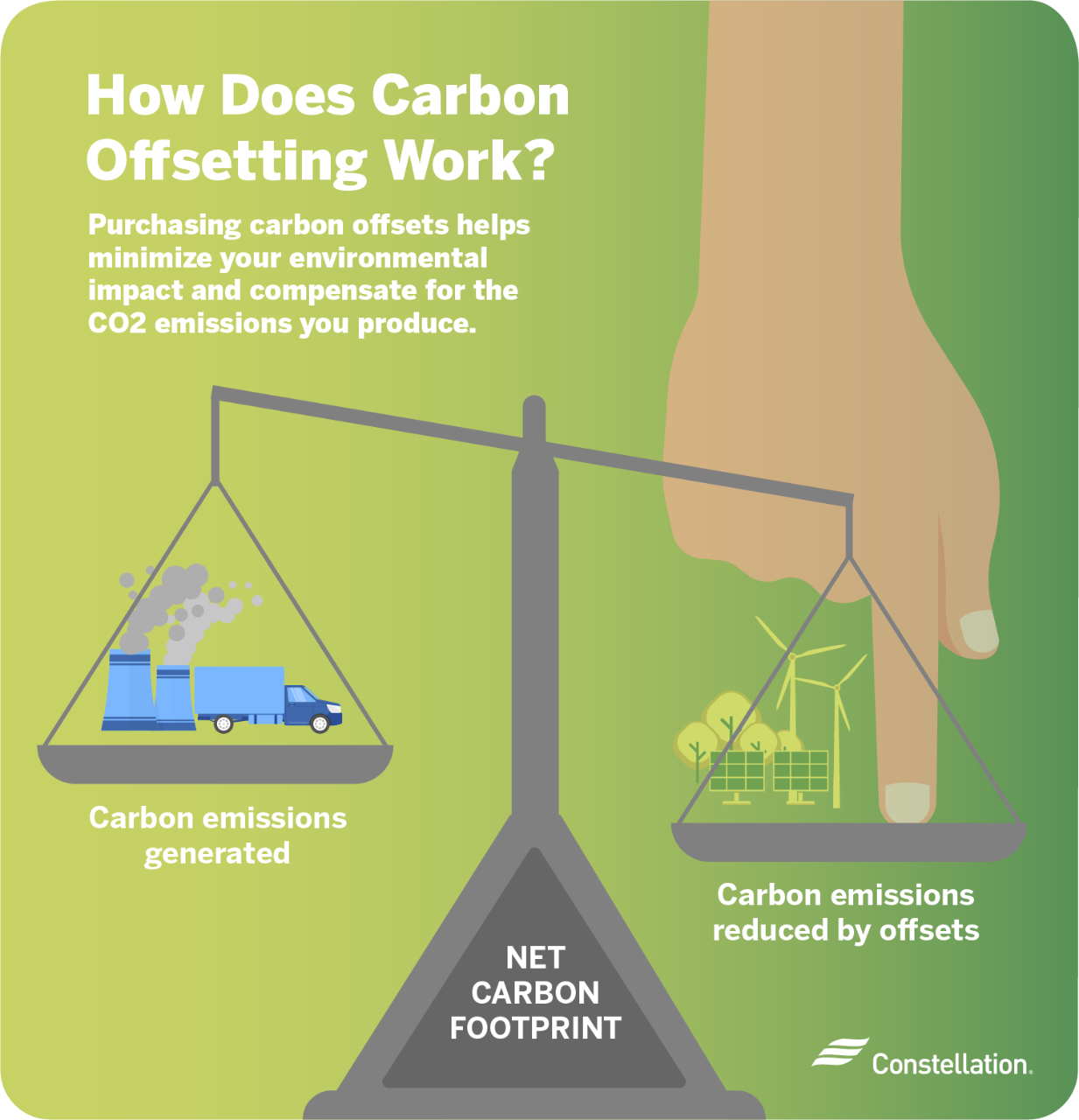
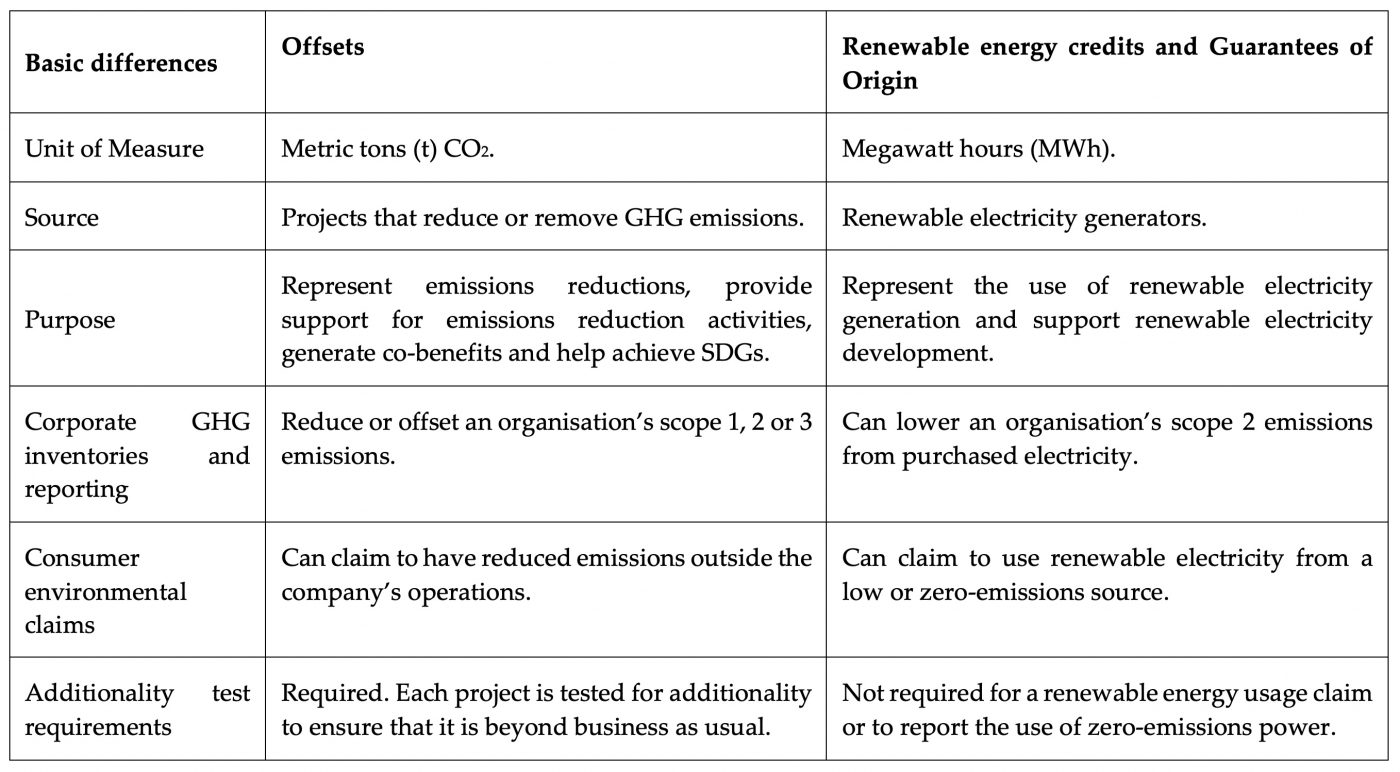
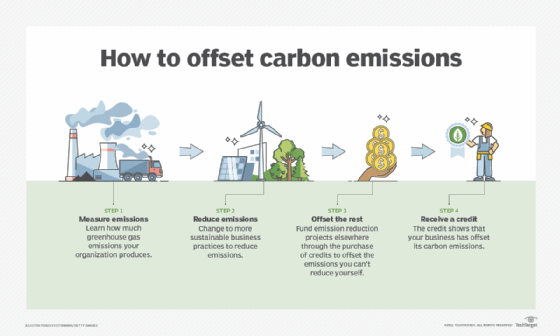
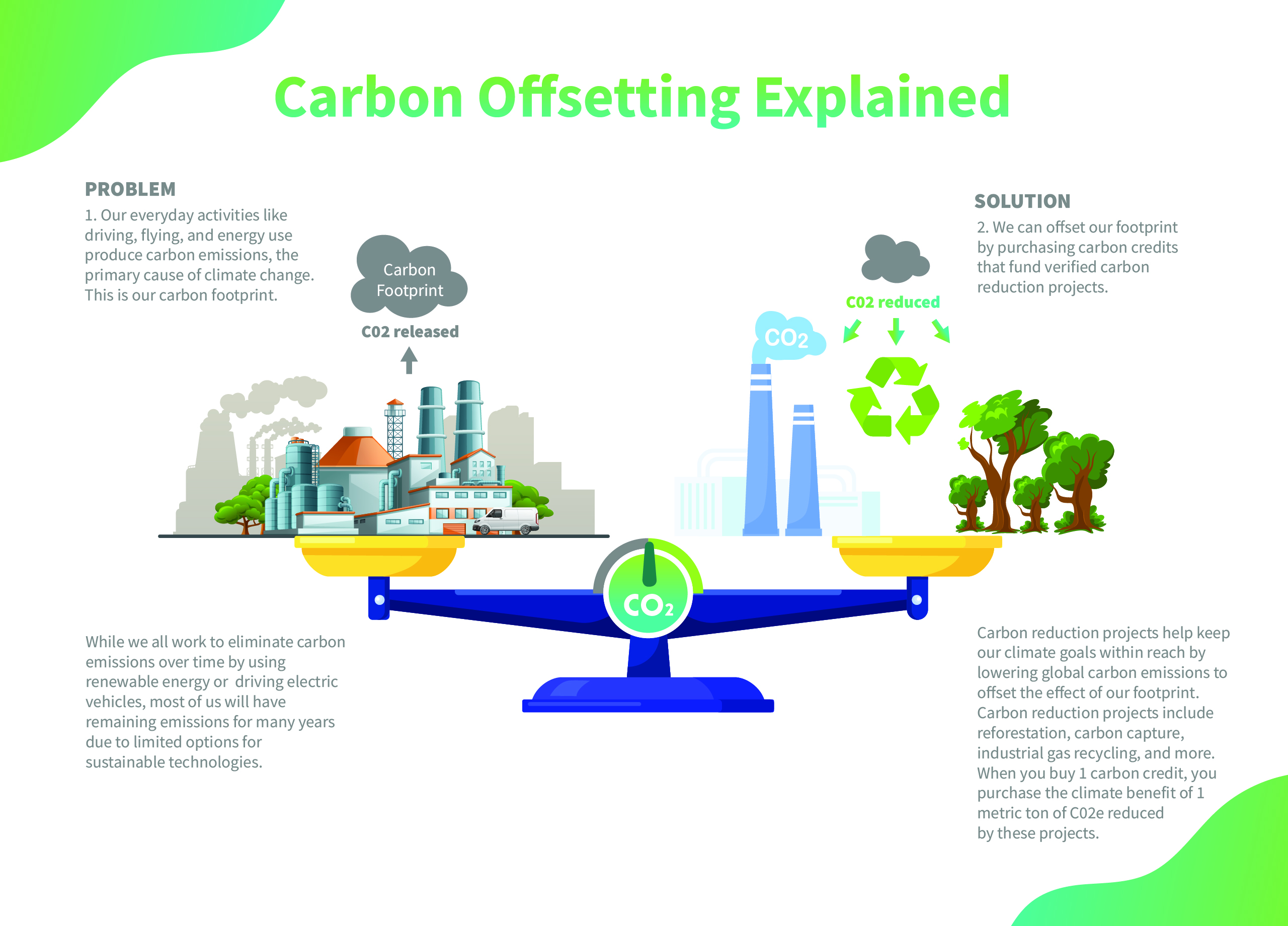
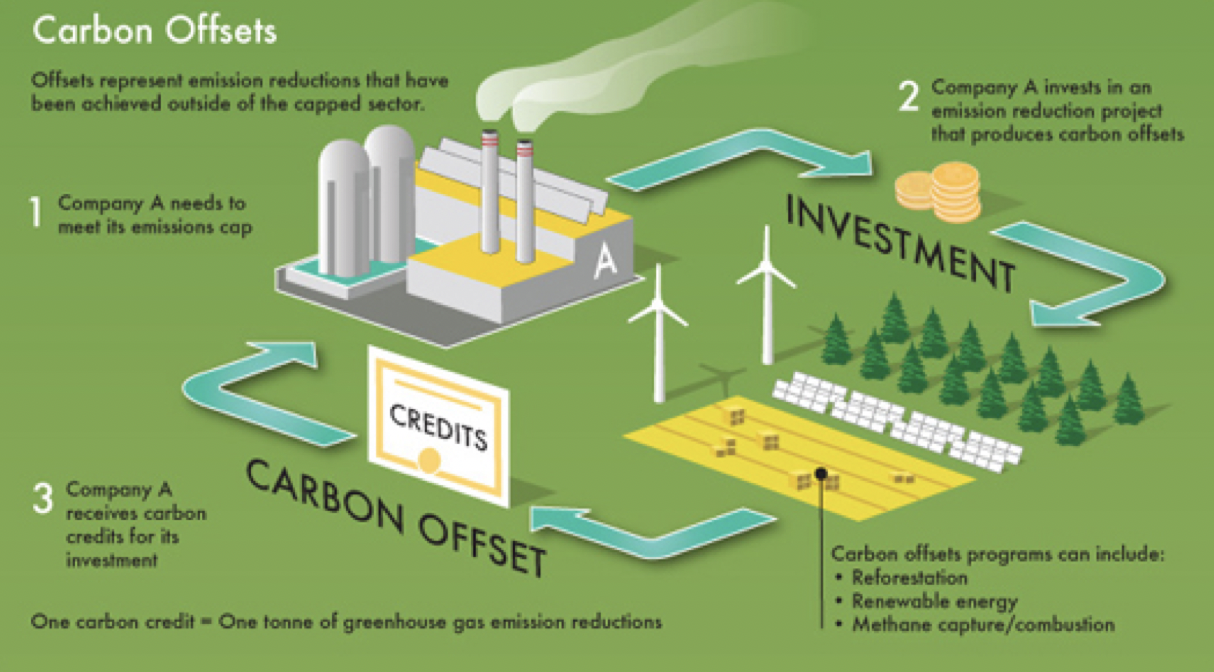
Carbon offsetting, in simple terms, is a process where an individual or organization compensates for their greenhouse gas emissions by investing in projects that reduce or eliminate emissions elsewhere. This creates a balance between the emissions produced and the emissions reduced, ensuring that the net impact on the atmosphere is zero. The World Wildlife Fund defines carbon offsets as "activities that reduce greenhouse gas emissions or remove carbon dioxide from the atmosphere, verified by a third-party organization."
Key Standards for Carbon Offsetting
- Gold Standard: This is one of the most widely recognized carbon offsetting standards, which focuses on sustainable development and additional social and environmental benefits alongside carbon reduction.
- Verified Carbon Standard (VCS): The VCS Program is the world's most widely used greenhouse gas crediting program, driving finance toward activities that reduce and remove emissions, improve livelihoods, and protect nature.
Types of Carbon Offset Projects
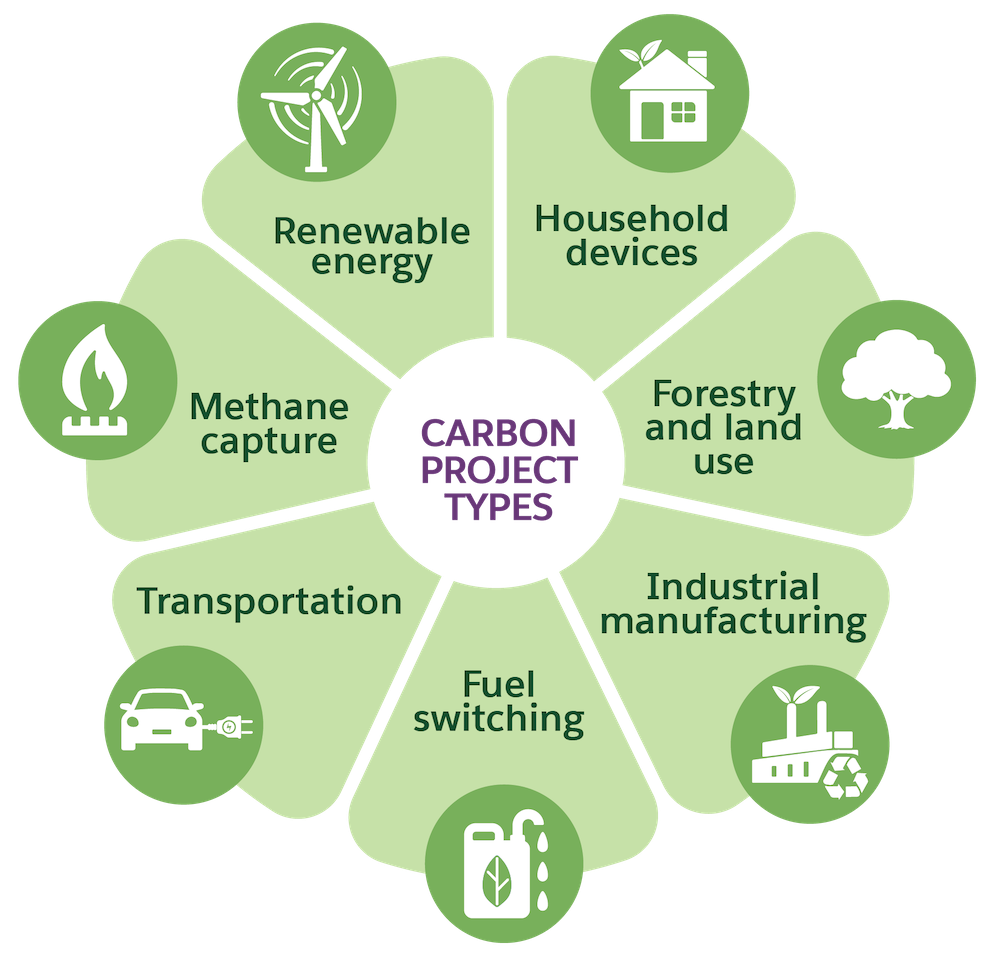
Carbon offset projects come in various shapes and sizes, each with its unique benefits and impacts on the environment. Some of the most common types of carbon offset projects include:
- Reforestation: Planting trees or restoring forests to absorb carbon dioxide from the atmosphere.
- Renewable energy: Investing in solar, wind, or other forms of renewable energy to reduce dependence on fossil fuels.
- Methane capture: Reducing methane emissions from agriculture, landfills, or other sources.
- Energy efficiency: Improving energy efficiency in buildings, homes, or industries to reduce energy consumption.
Benefits of Carbon Offsetting
Carbon offsetting offers numerous benefits, including:
- Reducing greenhouse gas emissions and contributing to a global effort to combat climate change.
- Supporting sustainable development and social benefits, such as improved livelihoods and environmental conservation.
- Enhancing reputation and brand image through eco-friendly practices and climate leadership.
- Meeting regulatory requirements and compliance with climate change regulations.
Challenges and Controversies
Despite its benefits, carbon offsetting also faces challenges and controversies, including:
- Integrity issues: Low-quality or non-additional credits can undermine the effectiveness of carbon offsetting.
- Over-reporting: Some projects may overestimate their carbon savings, leading to inflated carbon credits.
- Equity concerns: Historically, carbon offsetting has done little to promote sustainable development in the Global South and developing countries.
Sustainable Development Opportunities
As the world transitions toward a low-carbon economy, sustainable development opportunities abound in various sectors, including:
Carbon-Neutral Technologies
Carbon-neutral technologies, such as carbon capture and storage (CCS), can reduce emissions from industrial processes and power generation.
Renewable Energy Solutions
Investing in renewable energy sources, such as solar, wind, and hydroelectric power, can reduce dependence on fossil fuels and lower emissions.
Voluntary Carbon Offset Programs
Well-designed voluntary carbon offset programs can provide additional benefits, such as improved livelihoods and environmental conservation, alongside carbon reduction.
Conclusion
Carbon offsetting and sustainable development are intricately linked, and as we move toward a more sustainable future, it is essential to prioritize high-quality carbon offsetting projects that promote social, economic, and environmental benefits. By understanding the key standards, types of projects, and benefits of carbon offsetting, we can make informed decisions and drive positive change in our daily lives.
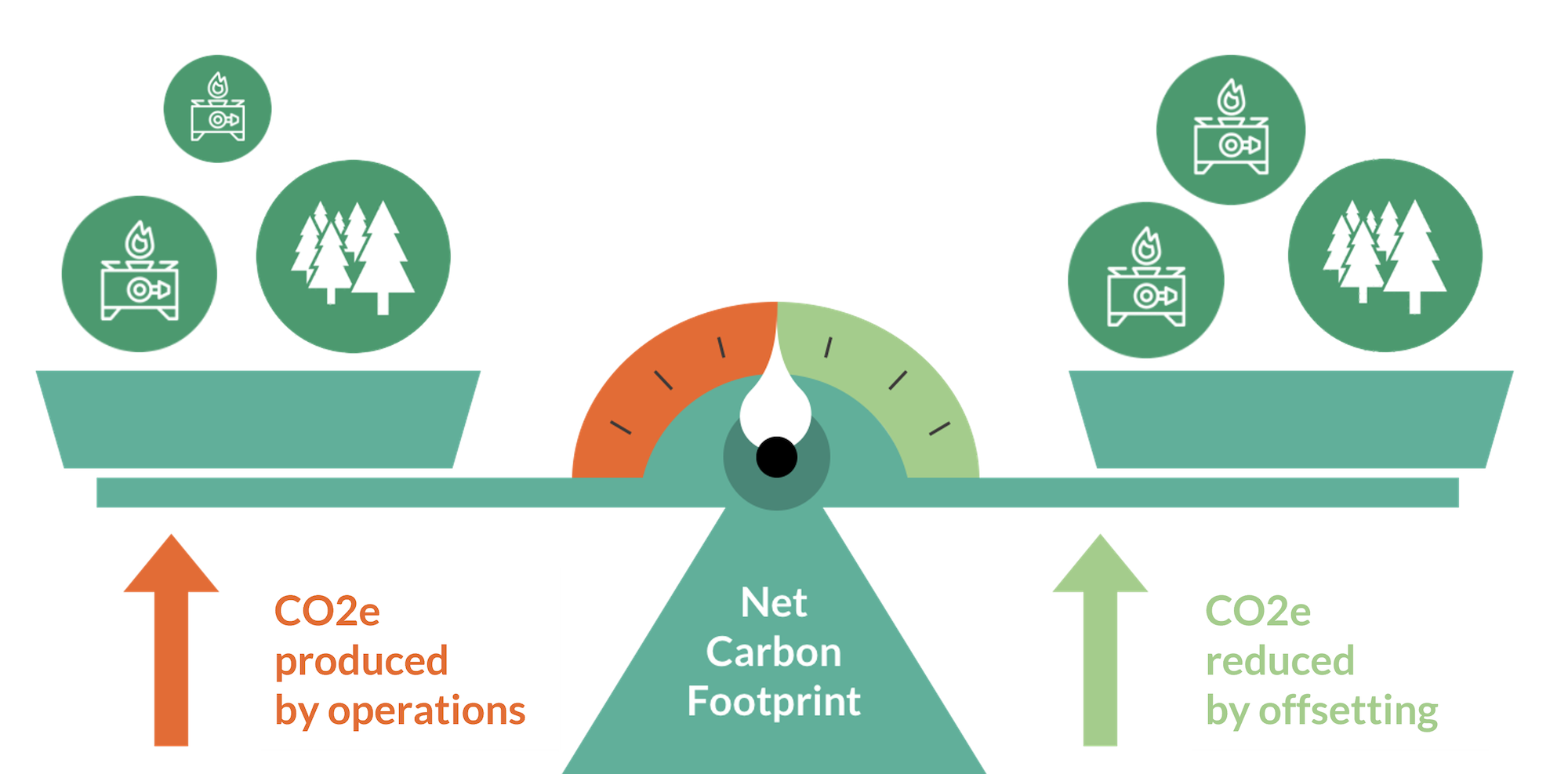.png "Carbon Offsets Explained | Climate Impact Partners")