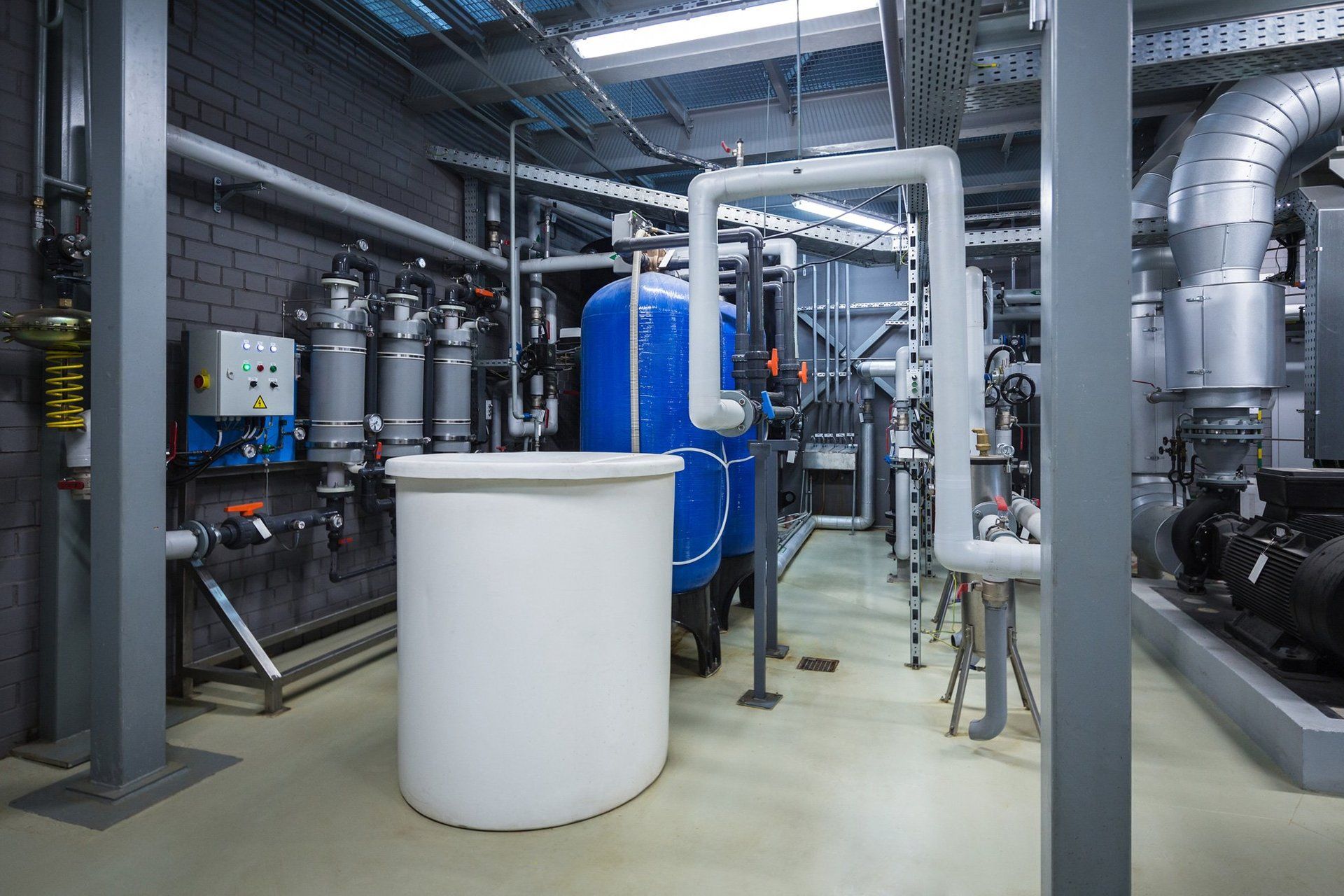
Commercial Water Filtration Systems: The Key to Clean Drinking Water for Your Business
When it comes to maintaining a healthy and productive workforce, providing clean drinking water is a must. However, hard or contaminated water can cost businesses millions of dollars in repairs, replacement, and employee downtime. Fortunately, there's an easy solution - installing commercial water filtration systems at your facility.
The Benefits of Commercial Water Filtration Systems
Removes contaminants and impurities from the water supply, improving its taste, odor, and overall quality.
Protects plumbing and equipment from damage caused by mineral buildup and corrosion.
Reduces maintenance costs and downtime associated with water-related issues.
Provides a safe and healthy drinking water source for employees and customers.
Enhances the reputation of your business by demonstrating a commitment to quality and customer health.
Types of Commercial Water Filtration Systems
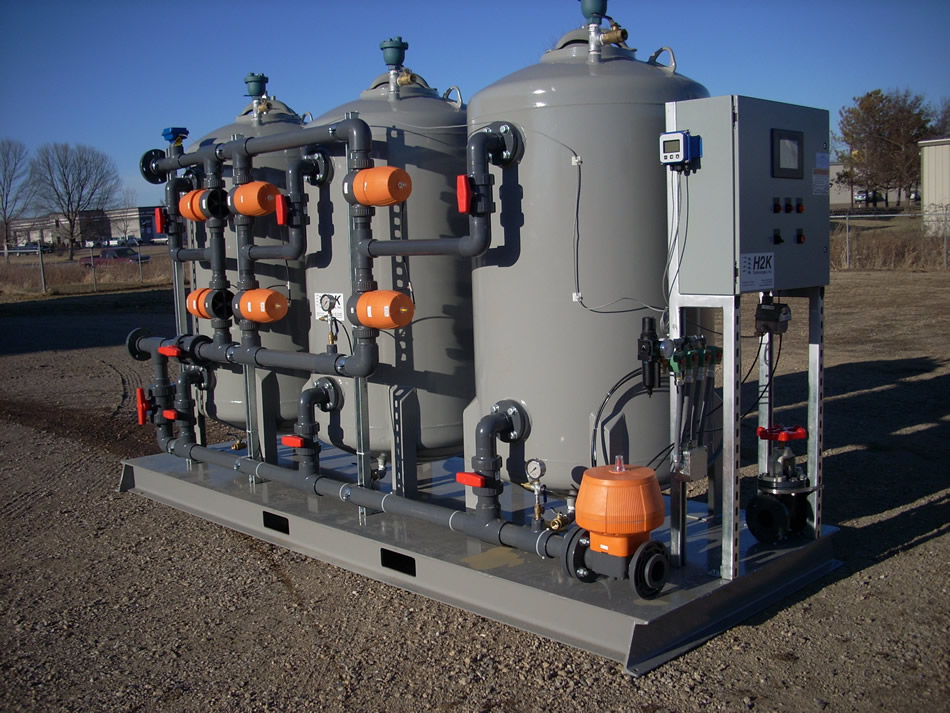
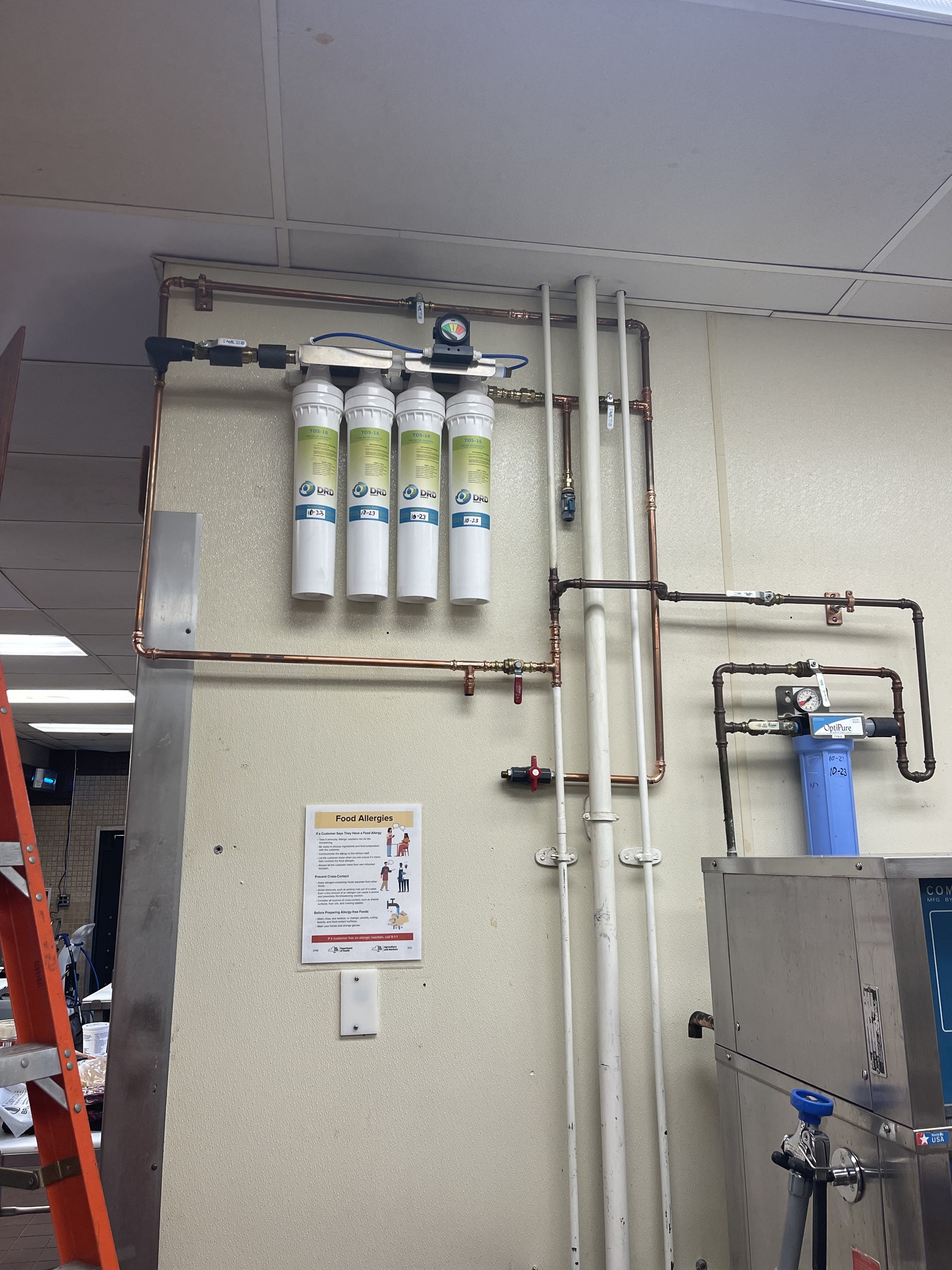
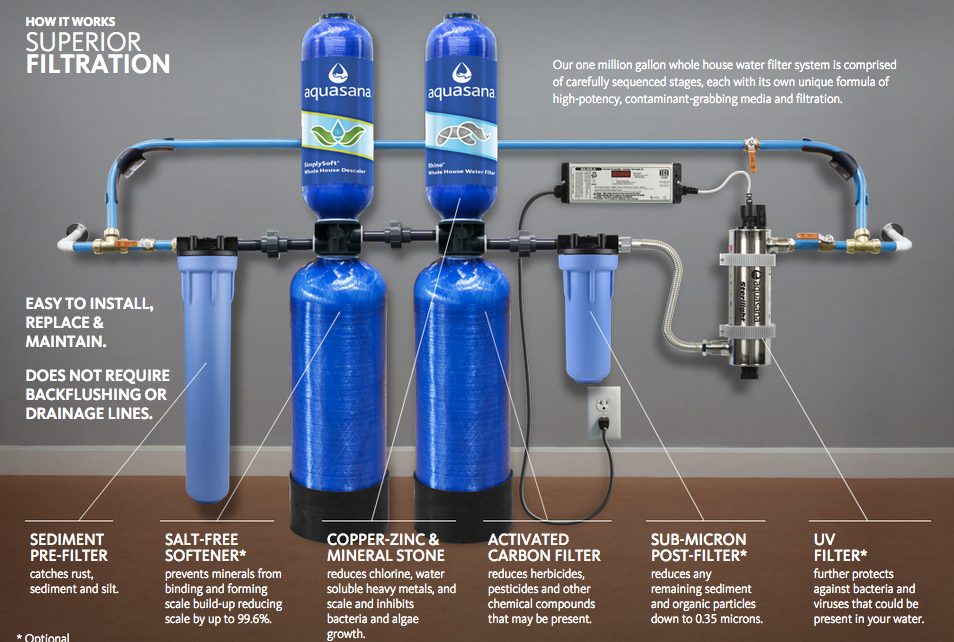
Commercial water filtration systems come in a variety of configurations and technologies to suit different business needs and operations. Some common types include:
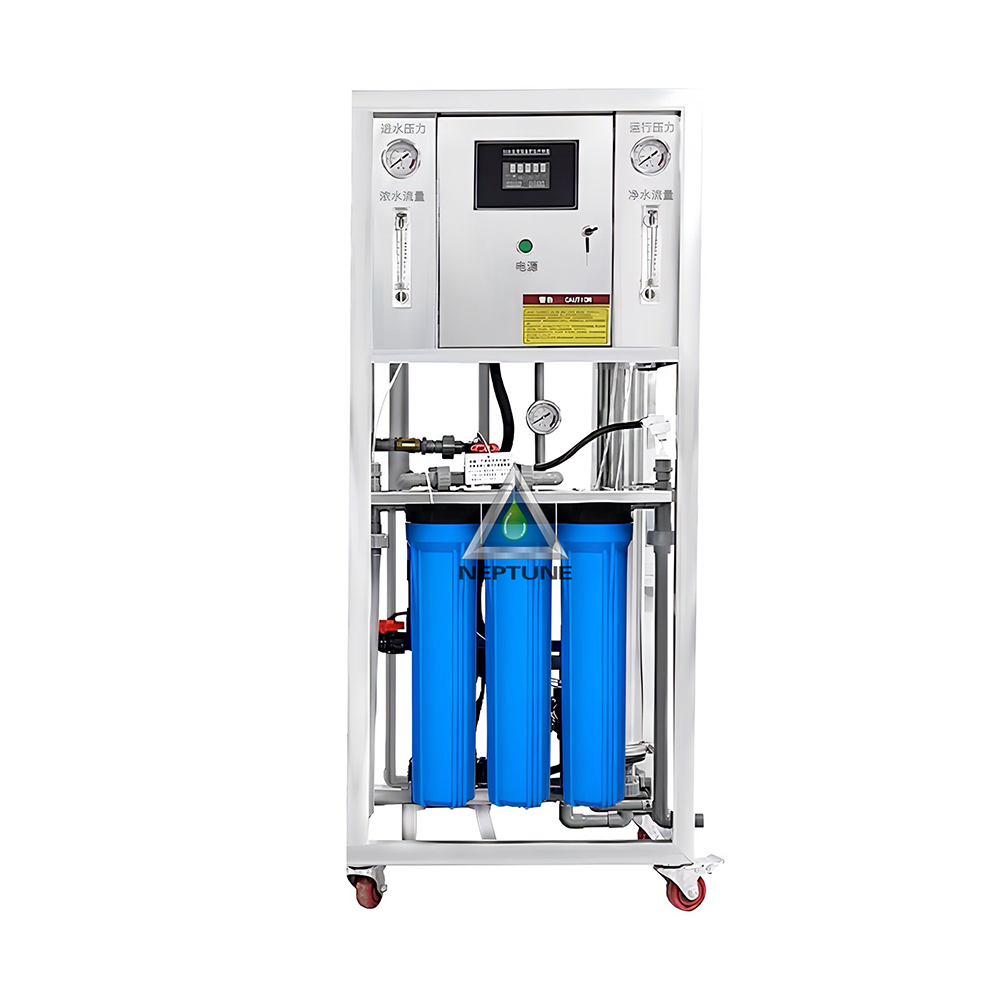
Reverse osmosis systems: These systems use pressure to force water through a semipermeable membrane, removing impurities and minerals.
Activated carbon systems: These systems use activated carbon filters to remove chlorine, taste, and odor from the water supply.
Ultraviolet (UV) systems: These systems use UV light to kill bacteria, viruses, and other microorganisms in the water supply.
Ion exchange systems: These systems use resins to remove impurities and minerals from the water supply, replacing them with ions that improve the water's taste and odor.
Scale reduction systems: These systems use chemical treatment to prevent mineral buildup and corrosion in pipes and equipment.

Choosing the Right Commercial Water Filtration System for Your Business
When selecting a commercial water filtration system, consider the following factors:
Water quality: Determine the type and level of impurities present in your water supply.
Flow rate: Choose a system that can handle the water flow demands of your business.
Space and maintenance: Consider the size and complexity of the system, as well as its maintenance requirements.
Budget: Determine your budget for the system and any ongoing maintenance costs.
Regulatory compliance: Ensure the system meets local and national regulations regarding water quality and treatment.
Conclusion
Investing in a commercial water filtration system is a smart decision for businesses that want to provide clean, safe, and healthy drinking water to their employees and customers. With a wide range of systems available, it's essential to choose the right one for your business by considering factors such as water quality, flow rate, space and maintenance, budget, and regulatory compliance.