Involuntary Overeating and GLP-1: Understanding the Relationship
In recent years, glucagon-like peptide-1 (GLP-1) receptor agonists have revolutionized the treatment of obesity and diabetes. These medications work by mimicking the action of the natural GLP-1 hormone, which regulates appetite and food intake. However, despite their effectiveness, many people on GLP-1 medications still experience episodes of involuntary overeating.
What is Involuntary Overeating?
Involuntary overeating refers to the consumption of large amounts of food in a short period, often despite feelings of fullness or discomfort. This behavior can be triggered by various factors, including emotional states, stress, and environmental cues. Involuntary overeating can have serious consequences, including weight gain, digestive problems, and mental health issues.
The Role of GLP-1 in Appetite Regulation
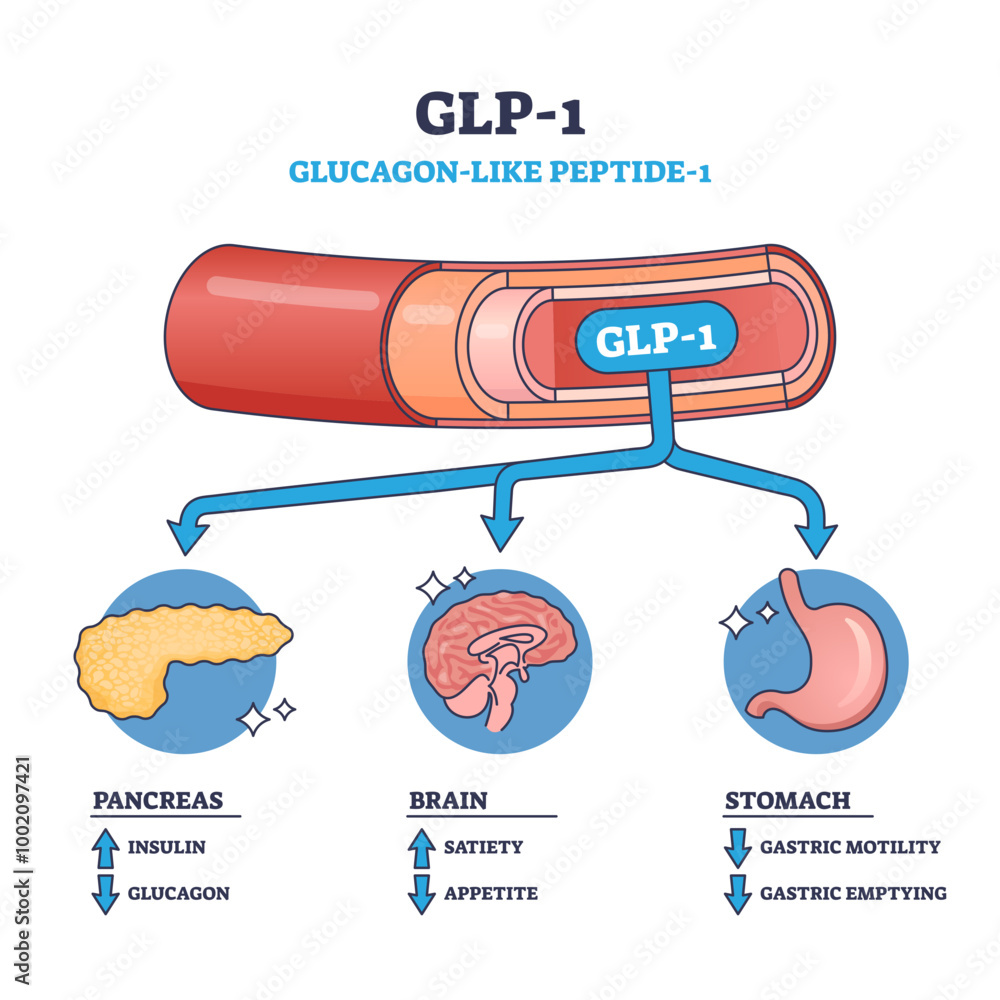
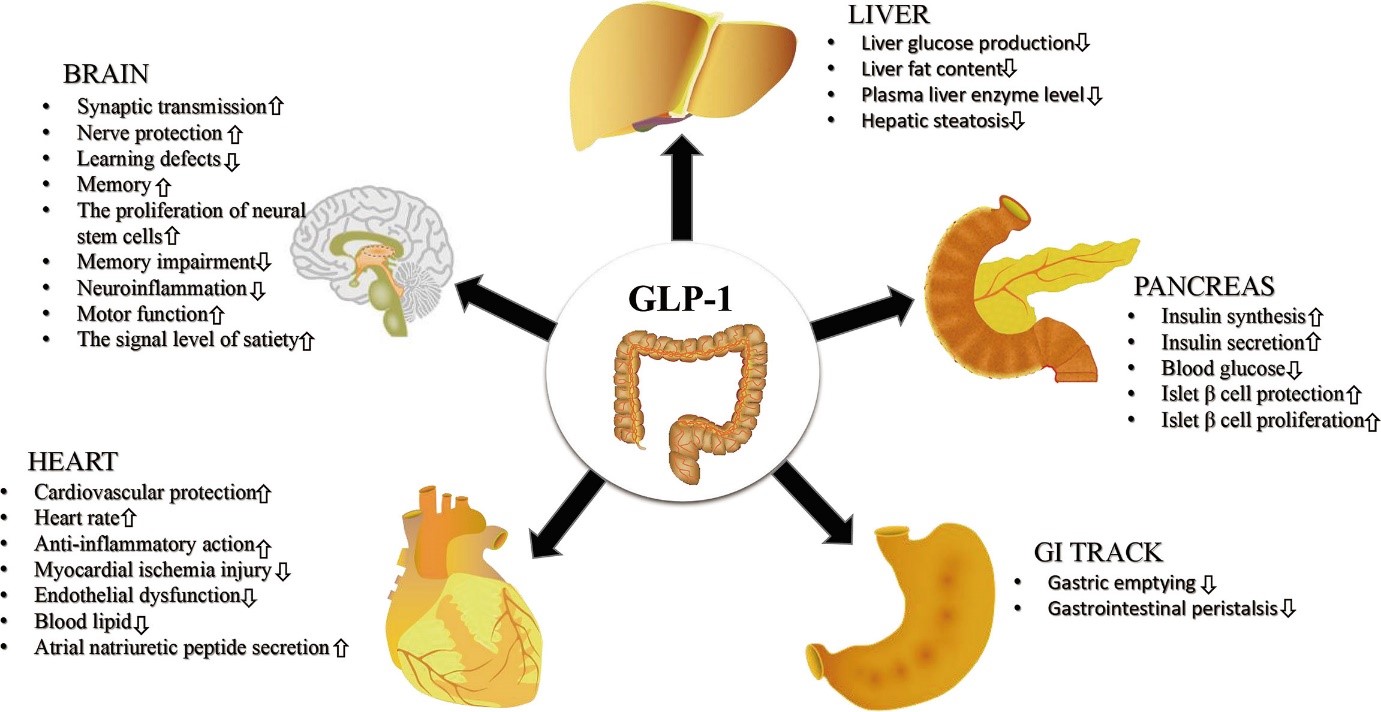
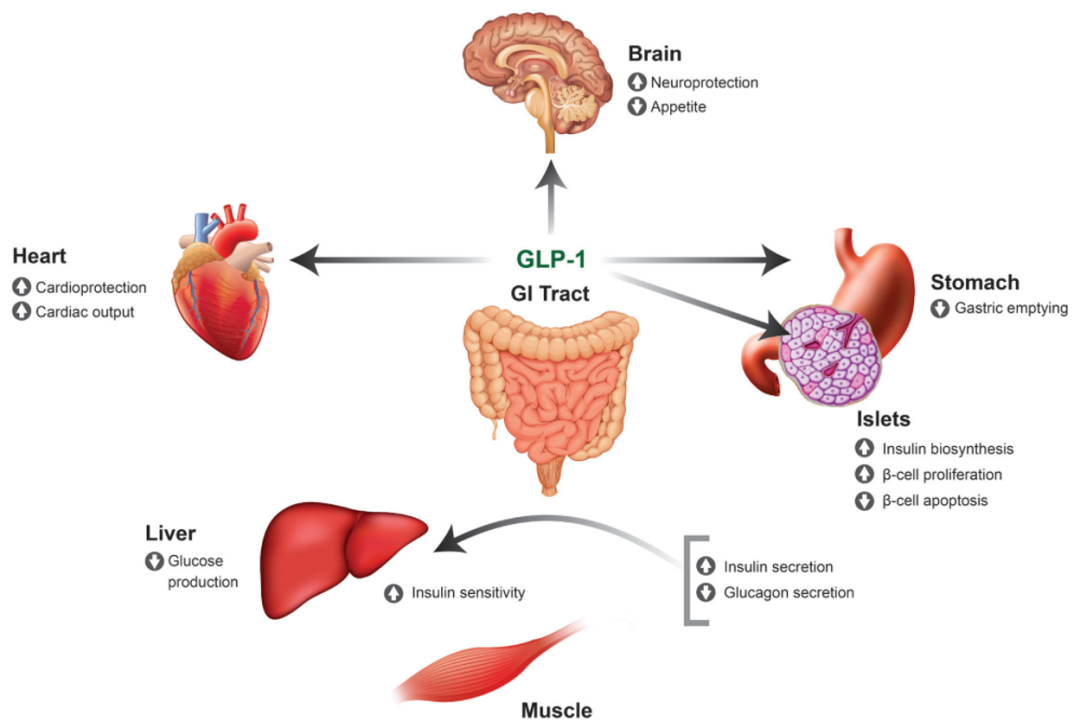
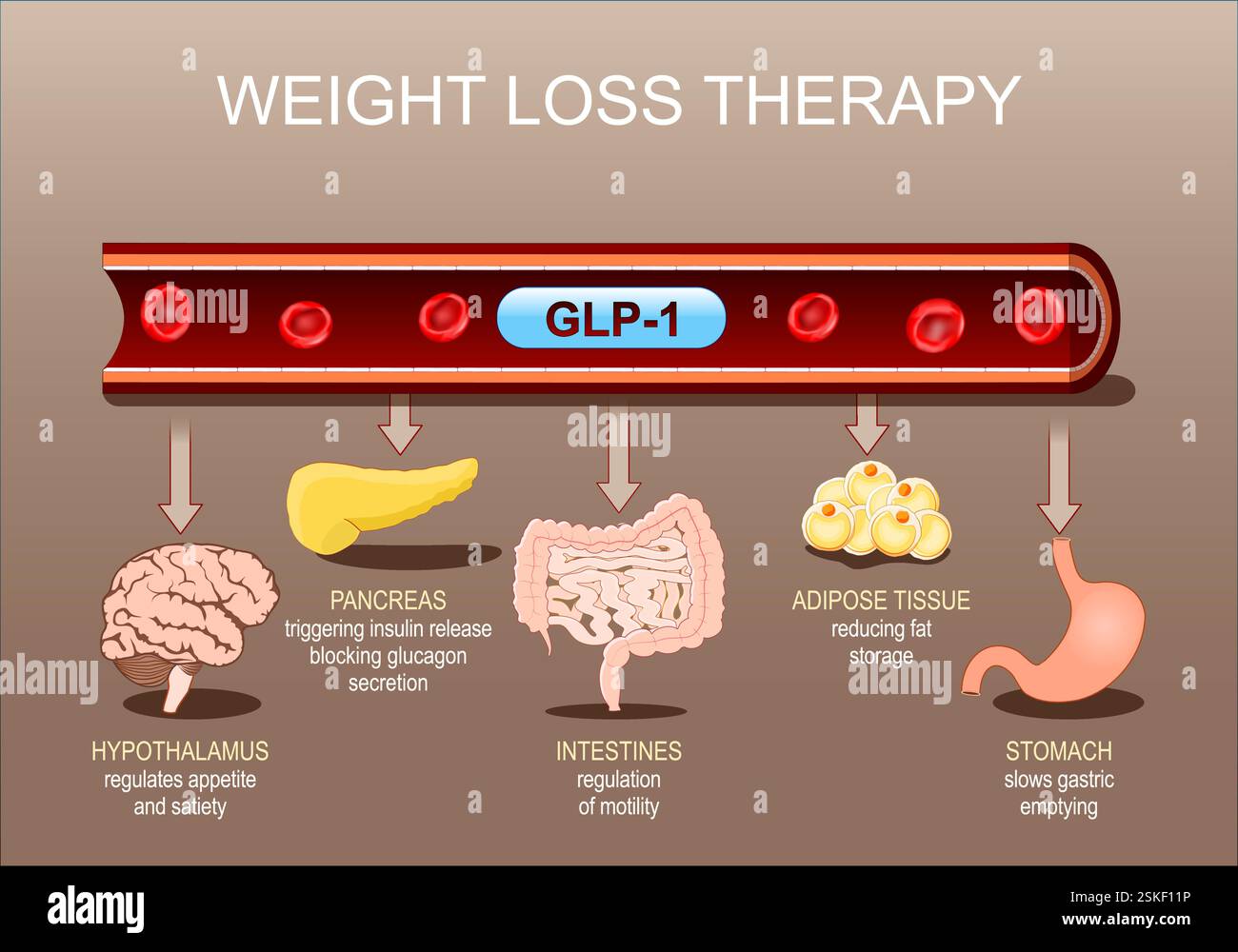
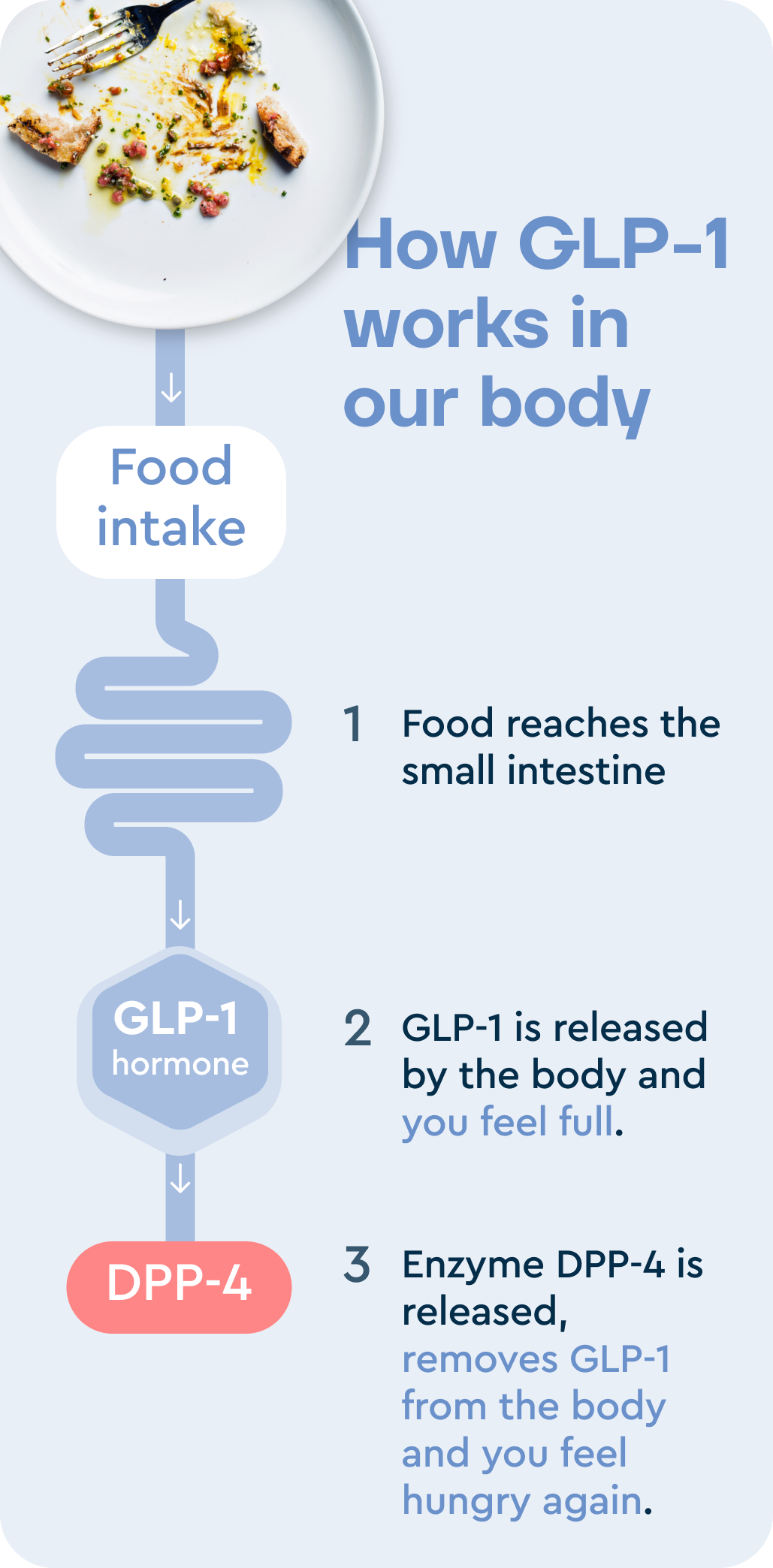
GLP-1 is a hormone produced by the intestines in response to food intake. It plays a crucial role in regulating appetite and satiety by slowing down gastric emptying and promoting feelings of fullness. GLP-1 receptor agonists, such as semaglutide and liraglutide, work by mimicking the action of natural GLP-1, thereby reducing hunger and increasing feelings of fullness.
The Relationship Between Involuntary Overeating and GLP-1
Research suggests that GLP-1 receptor agonists can reduce binge eating and body weight in individuals with binge eating disorder and bulimia nervosa. However, the relationship between involuntary overeating and GLP-1 is more complex. While GLP-1 medications can help reduce hunger and increase feelings of fullness, they do not address the underlying emotional and behavioral triggers of involuntary overeating.
Why Does Involuntary Overeating Still Happen on GLP-1?
There are several reasons why involuntary overeating can still occur on GLP-1 medications. Firstly, these medications do not rewire the emotional and behavioral responses to food. They simply suppress hunger and increase feelings of fullness, which can be overridden by emotional or environmental cues. Secondly, GLP-1 receptor agonists can have gastrointestinal side effects, such as nausea and stomach problems, which can trigger involuntary overeating. Finally, some individuals may experience a phenomenon known as "GLP-1 desensitization," where their bodies become less responsive to the medication over time.
Strategies for Managing Involuntary Overeating on GLP-1
Fortunately, there are strategies that can help manage involuntary overeating on GLP-1 medications. These include:
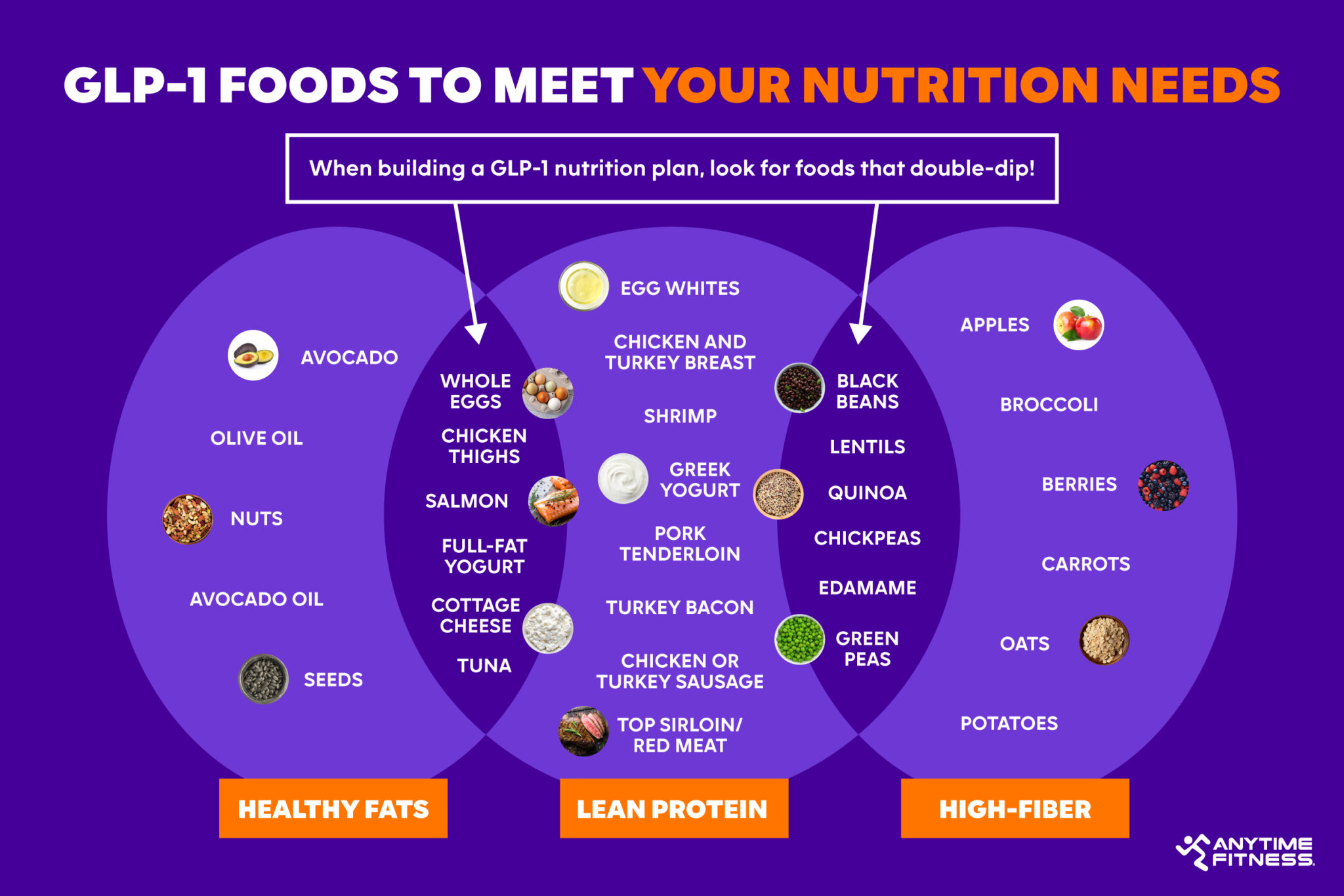
- Protein-first meals: Starting meals with protein-rich foods can help slow down gastric emptying and reduce hunger.
- Slower pacing: Eating slowly and mindfully can help reduce the likelihood of overeating.
- Reduced food noise: Avoiding trigger foods and environmental cues can help reduce the likelihood of overeating.
- Simplified structure: Establishing a structured eating routine can help reduce stress and anxiety, which can trigger overeating.
Conclusion
Involuntary overeating is a common problem that can occur despite the use of GLP-1 medications. Understanding the relationship between GLP-1 and involuntary overeating is crucial for developing effective strategies for management. By acknowledging the limitations of GLP-1 medications and incorporating additional strategies for managing appetite and emotions, individuals can reduce the likelihood of involuntary overeating and achieve optimal weight management outcomes.