Configuring G Wireless Network for Priority Management
Managing a wireless network can be complex, especially when you have multiple devices competing for bandwidth. To optimize your network for latency-sensitive activities, you can prioritize any device on your Wi-Fi network. This includes wired or wireless connections, and you can prioritize only one device at a time.
Prioritizing Devices on Wi-Fi
When you prioritize a device, it gets 70% of the available bandwidth. All other devices share the remaining bandwidth. This means that if you have a device that requires low latency, such as a gaming console, you can prioritize it for better performance. However, this will reduce the bandwidth available for other devices on the network.
Configuring Priority Management
To configure priority management on your wireless network, you'll need to access your router's settings. The process may vary depending on your router's model and firmware. However, most routers have a similar interface for configuring QoS (Quality of Service) settings.
Step-by-Step Instructions
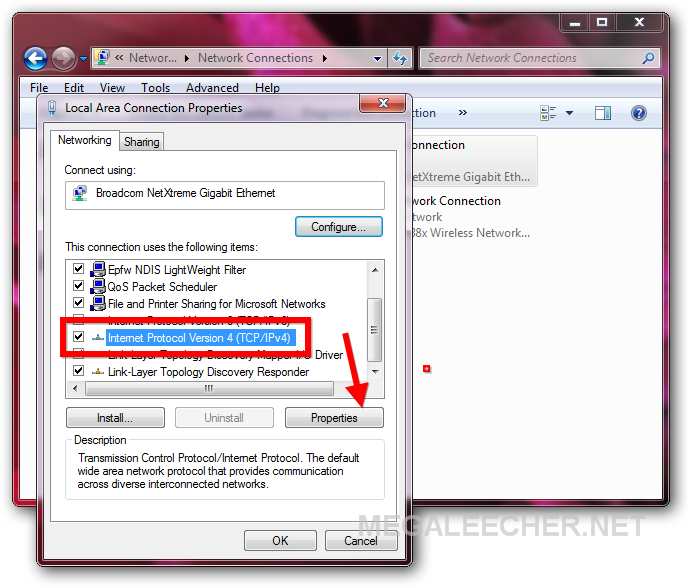
- Access your router's settings by typing its IP address in a web browser. The most common IP addresses for routers are 192.168.0.1 and 192.168.1.1.
- Log in to your router using your admin credentials.
- Look for the QoS or Advanced Settings section, depending on your router's firmware.
- Configure the QoS settings to prioritize your devices. You can specify the IP addresses or MAC addresses of the devices you want to prioritize.
- Save your changes and restart your router for the new settings to take effect.
Benefits of Priority Management
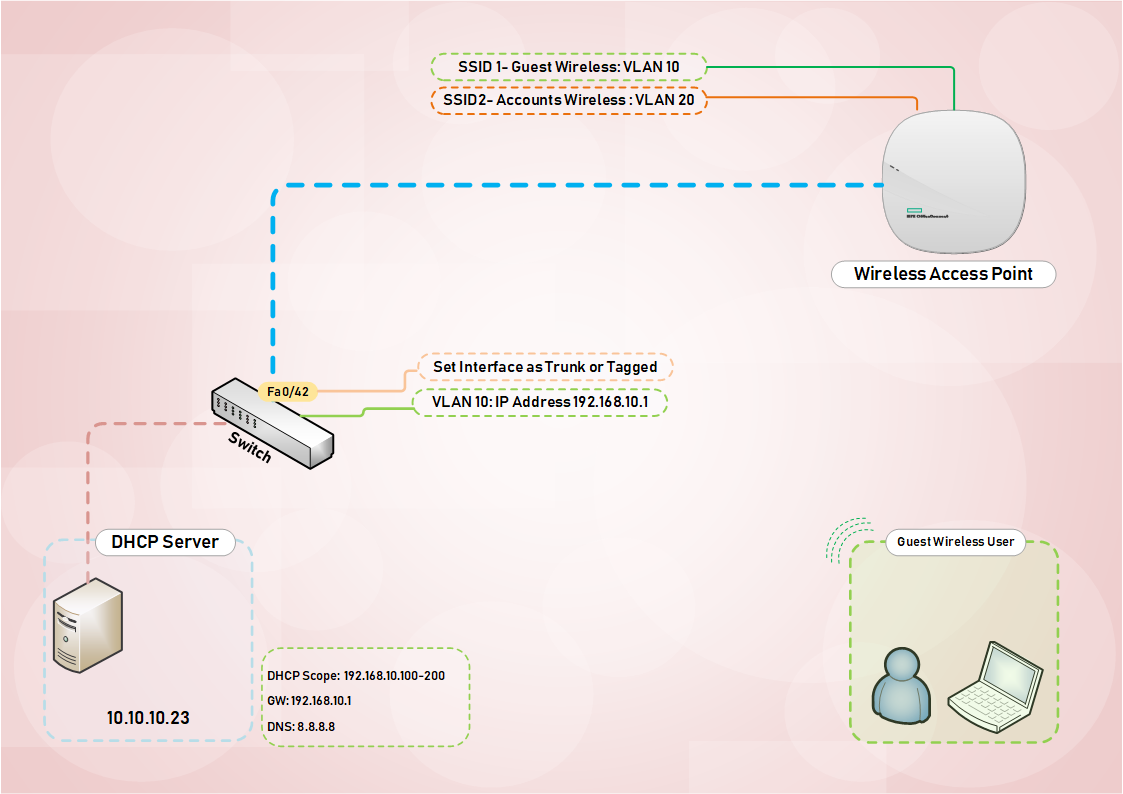
Configuring priority management on your wireless network can bring several benefits, including:
- Improved performance for latency-sensitive activities, such as online gaming and video streaming.
- Reduced congestion on the network, resulting in faster data transfer rates.
- More predictable network performance, making it easier to troubleshoot issues.
Best Practices for Priority Management
To get the most out of priority management on your wireless network, follow these best practices:
- Monitor your network's performance regularly to identify bottlenecks and adjust your priority settings accordingly.
- Prioritize devices that require low latency and high bandwidth, such as gaming consoles and video streaming devices.
- Avoid over-prioritizing devices, as this can lead to reduced bandwidth for other devices on the network.
- Regularly update your router's firmware to ensure you have the latest security patches and features.
Conclusion
Configuring priority management on your G wireless network can be a complex task, but it's essential for optimizing your network's performance. By following the steps outlined in this article, you can prioritize devices, reduce congestion, and improve overall network performance. Remember to monitor your network regularly and adjust your priority settings as needed to get the most out of your network.