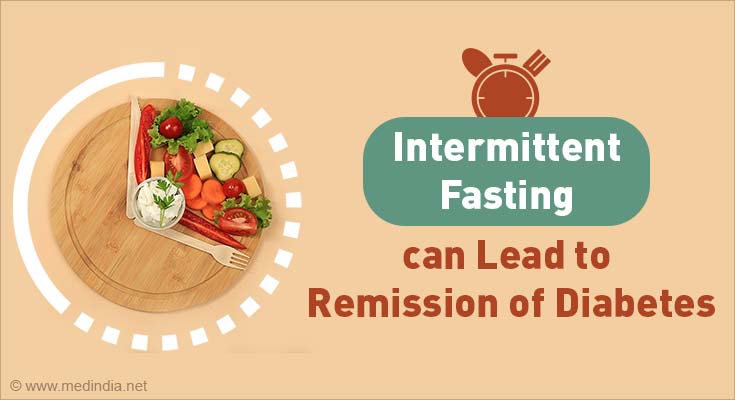
Intermittent Fasting for Type 2 Diabetes Treatment: A Comprehensive Review
The Increasing Prevalence of Type 2 Diabetes and the Need for Effective Treatment
Type 2 diabetes mellitus (T2DM) is a growing public health concern, affecting millions of people worldwide. The increasing prevalence of T2DM has led researchers to investigate innovative and effective treatment strategies. One such approach is intermittent fasting (IF), a dietary technique that has garnered attention for its potential benefits in glucose control, weight loss, and cardiovascular risk reduction.How Intermittent Fasting Works
Intermittent fasting involves restricting food intake during certain hours, allowing the body to use stored energy and improve insulin sensitivity. The mechanisms underlying IF include calorie restriction, autophagy, and changes in hormonal profiles. By giving the body a break from constant food intake, IF can help regulate blood sugar levels, reduce insulin resistance, and promote weight loss.The Benefits of Intermittent Fasting for Type 2 Diabetes Treatment
Numerous studies have investigated the effects of IF on T2DM, with promising results. Intermittent fasting has been shown to:- Reduce glycated haemoglobin (HbA1c) levels, a marker of blood sugar control
- Improve insulin sensitivity and glucose metabolism
- Promote weight loss and reduce body fat
- Lower blood pressure and cardiovascular risk factors
- Enhance cognitive function and overall well-being
Types of Intermittent Fasting
Several IF protocols exist, including:- 16:8 method: Eating within an 8-hour window and fasting for 16 hours
- 5:2 approach: Eating normally for 5 days and restricting calories on 2 days
- OMAD (One Meal A Day): Eating one meal per day and fasting for 23 hours
Risks and Precautions

- Hypoglycemia: Fasting blood sugar levels can drop to critically low levels
- Malnutrition: Inadequate nutrient intake can lead to malnutrition li>Dehydration: Fasting can cause dehydration, especially in older adults