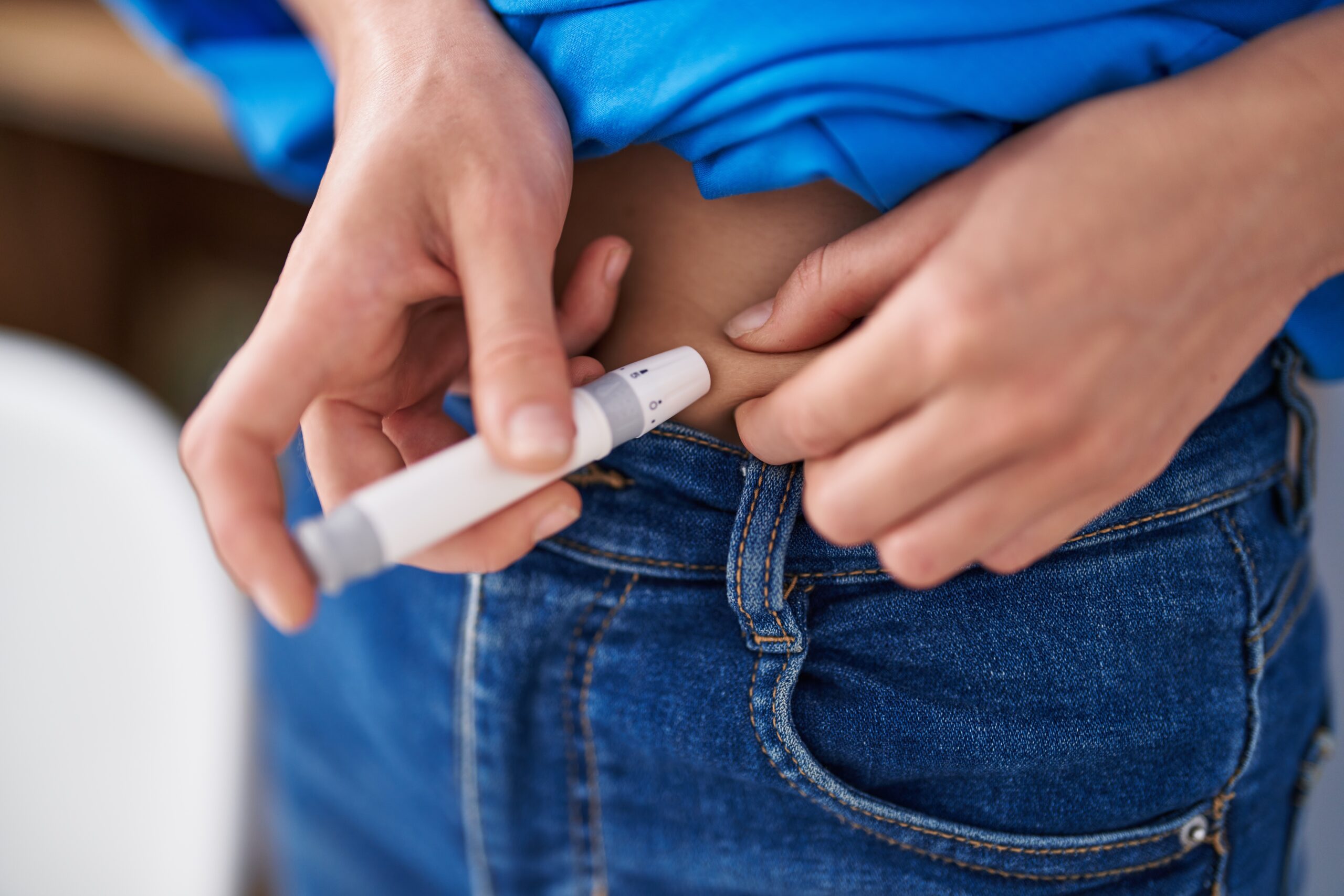
Dietary Habits and GLP-1: How Your Food Choices Can Impact Weight Loss
Our eating habits play a significant role in our overall health and weight management. The recent surge in the use of GLP-1 medications for weight loss has put the spotlight on the potential impact of dietary habits on the efficacy of these treatments. In this article, we will delve into the world of dietary habits and GLP-1, exploring the connection between the two and how your food choices can influence the effectiveness of your weight loss journey.What is GLP-1 and How Does it Work?
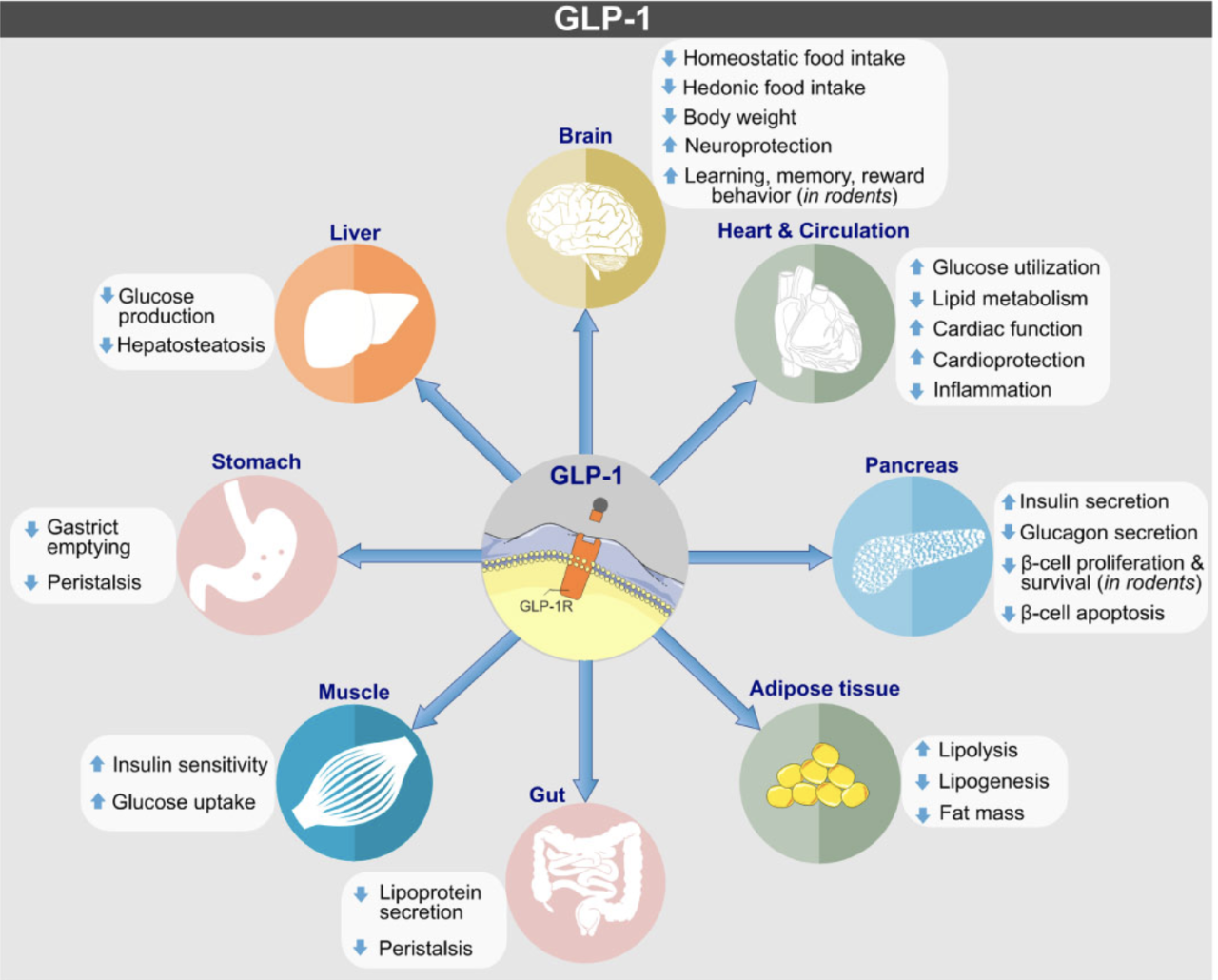
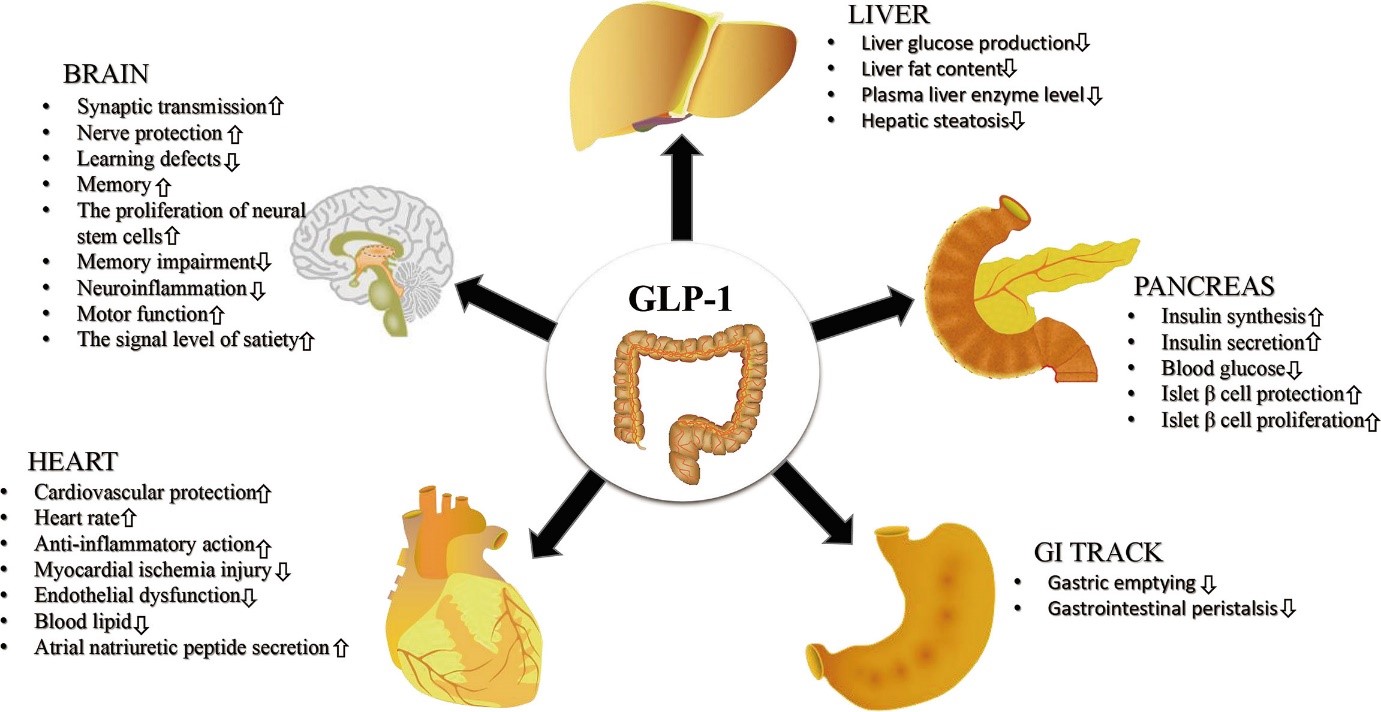
GLP-1, or glucagon-like peptide-1, is a hormone produced in the intestines in response to food consumption. It helps regulate blood sugar levels, slow down gastric emptying, and reduce appetite. When taken as a medication, GLP-1 mimics the natural hormone, providing similar benefits. The GLP-1 system works in harmony with our dietary habits, influencing how our body processes food and responds to hunger and satiety signals.Dietary Habits and GLP-1: The Connection
Research has shown that dietary habits can greatly impact the effectiveness of GLP-1 medications. A balanced diet rich in protein, healthy fats, and complex carbohydrates can help regulate blood sugar levels, slow down gastric emptying, and reduce appetite. This, in turn, allows GLP-1 medications to work more efficiently, leading to improved weight loss and metabolic health outcomes.Key Dietary Habits for GLP-1 Success
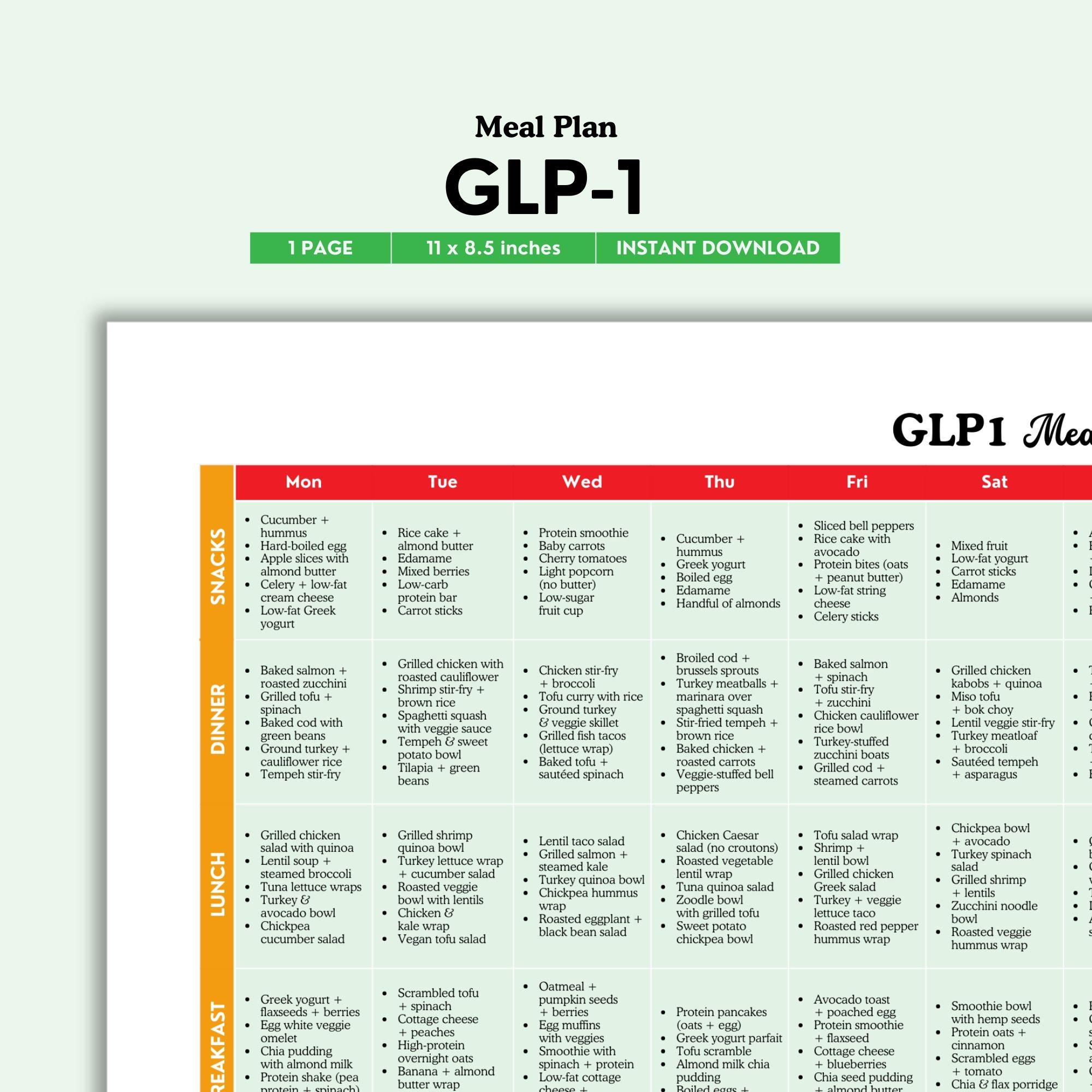
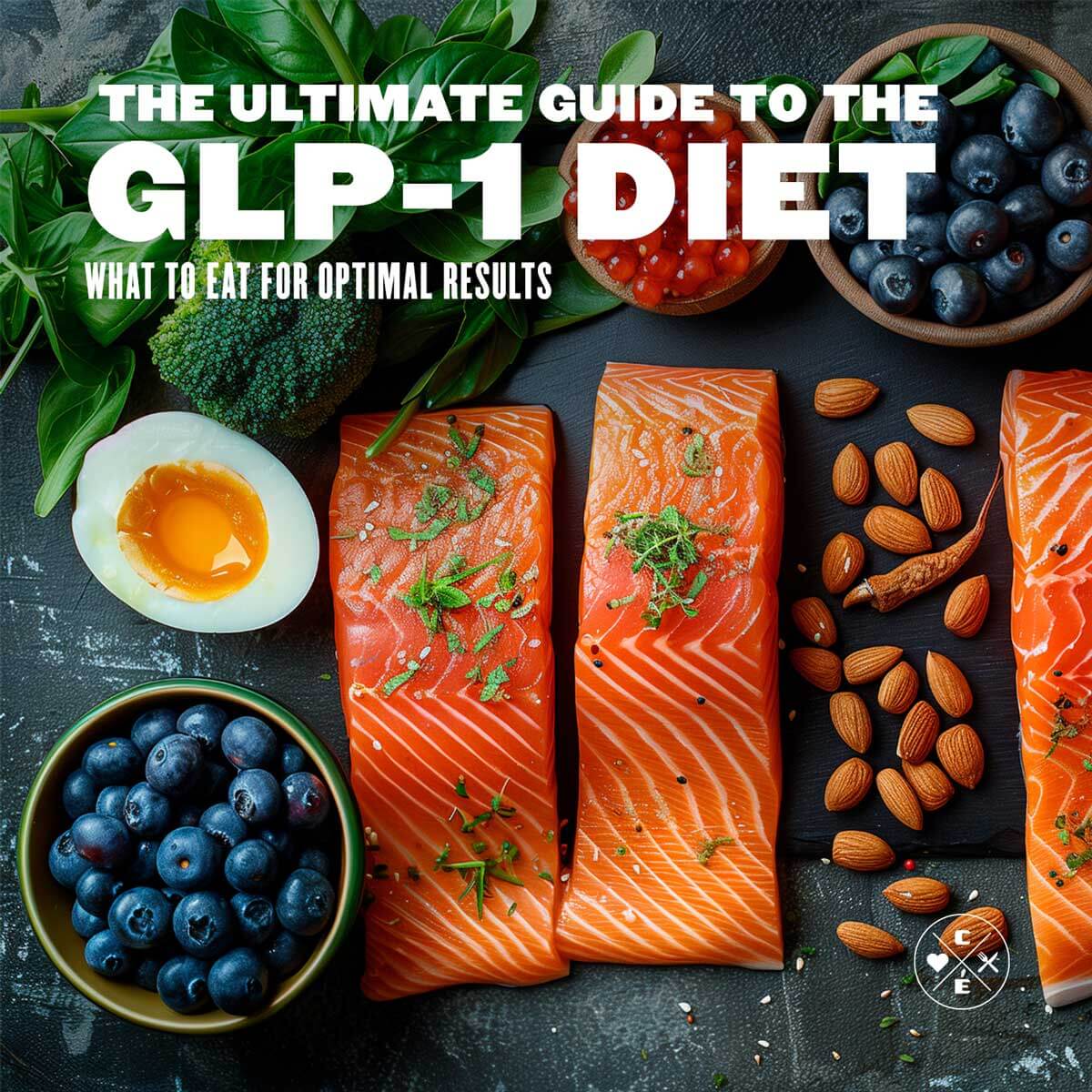
To get the most out of your GLP-1 treatment, focus on incorporating the following dietary habits into your routine:- High-Protein Diet: Include protein-rich foods like lean meats, fish, eggs, tofu, and legumes to help regulate appetite and support muscle mass.
- Healthy Fats: Nuts, seeds, avocados, and olive oil are rich in healthy fats that support brain function, hormone regulation, and overall health.
- Complex Carbohydrates: Focus on whole, unprocessed foods like fruits, vegetables, whole grains, and legumes to provide sustained energy and fiber.
- Hydration: Drink plenty of water throughout the day to help control hunger and support digestion.
- Regular Meals: Eat smaller, frequent meals to maintain stable blood sugar levels and reduce hunger.
- Fiber-Rich Foods: Include high-fiber foods like fruits, vegetables, and whole grains to support satiety, digestion, and overall health.

Common Dietary Habits to Limit or Avoid
When following a GLP-1 diet, it's essential to limit or avoid certain dietary habits that can counteract the benefits of the medication. Some of these habits include:- High-Sugar Foods: Limit or avoid foods high in added sugars, which can trigger blood sugar spikes and reduce the effectiveness of GLP-1.
- Salty Foods: Reduce or avoid high-sodium foods, which can lead to electrolyte imbalances and exacerbate side effects like nausea and diarrhea.
- Greasy or High-Fat Foods: Limit or avoid greasy or high-fat foods, which can slow down digestion and worsen side effects like nausea and constipation.
- Alcohol and Caffeine: Consume these substances in moderation, as they can interfere with GLP-1 function and worsen side effects.



![GLP-1 Diet: Foods to Eat, Avoid & Sample Meal Plan [2026]](https://gumlet.assettype.com/healthday-en/2025-06-23/rb1py4k4/AdobeStock1292661104.jpeg?width=1200 "GLP-1 Diet: Foods to Eat, Avoid & Sample Meal Plan [2026]")