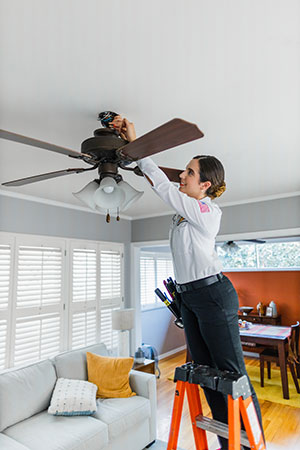
Effective Ceiling Fan Replacement Installation: A Step-by-Step Guide
Replacing a ceiling fan can be a daunting task, especially if you have no prior experience with electrical installations. However, with the right guidance and precautions, you can safely and efficiently install a new ceiling fan in your home. In this article, we will walk you through the process of ceiling fan replacement installation, covering the necessary steps, tools, and safety considerations.
Before You Begin: Assessing Your Ceiling Fan
Before starting the installation process, inspect the old ceiling fan for any signs of damage, wear, or defects. Check the fan's blades, motor, and electrical components for any issues that may need to be addressed during the replacement process. Ensure that you have a replacement fan that matches the original's specifications and wattage requirements.
Necessary Tools and Materials
- Replacement ceiling fan
- Downrod (optional)
- Wiring harness and connectors
- Light kit (if applicable)
- Mounting screws and bracket
- Socket wrench or adjustable wrench
- Non-contact voltage tester
Step 1: Shut Off Power and Disconnect the Old Fan
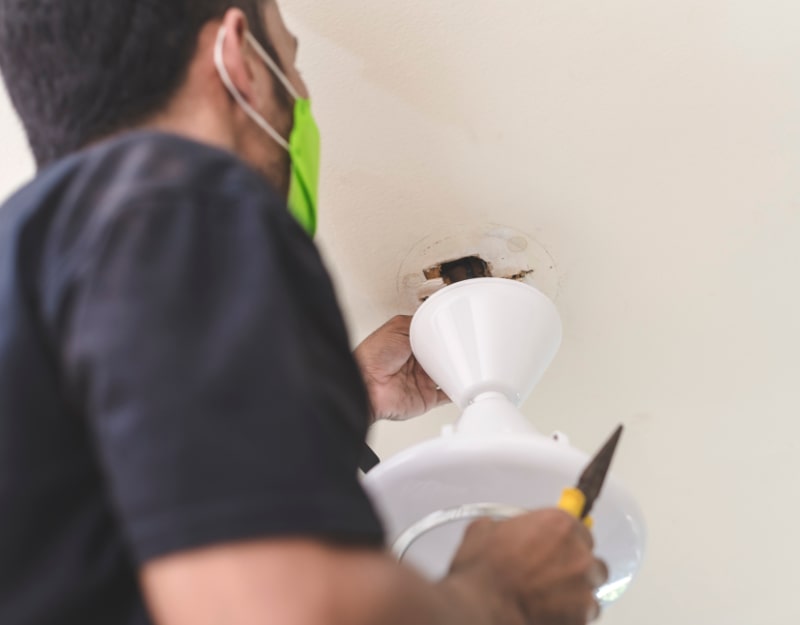
Switch off the power to the circuit at the main electrical panel. Verify that the power is off using a non-contact voltage tester. Remove the old fan's mounting screws and gently pull it away from the ceiling. Disconnect the wiring harness from the old fan's electrical components.
Step 2: Remove the Old Fan's Downrod (If Applicable)
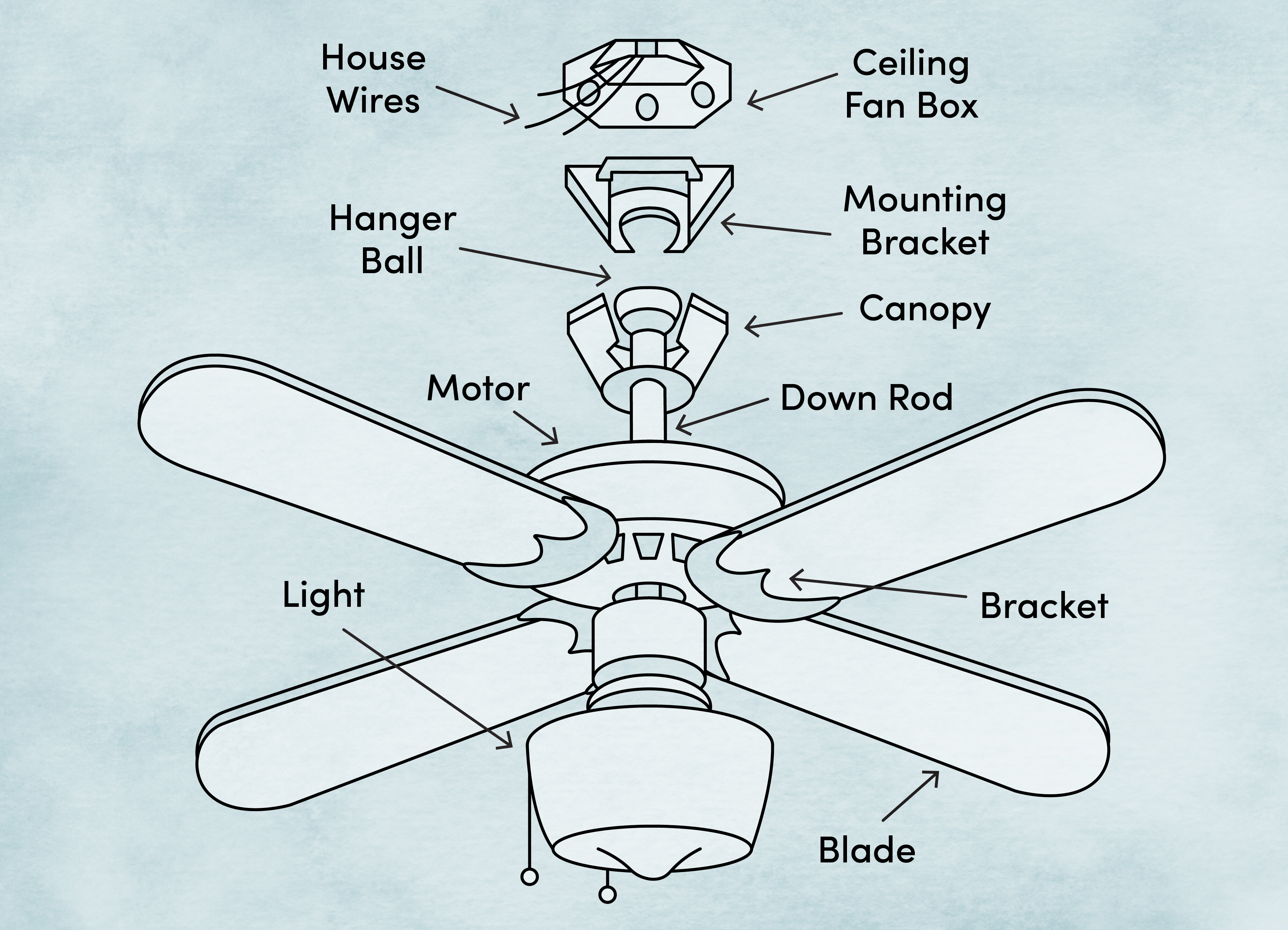
If your old fan has a downrod, you may need to remove it to install the new fan. Use a socket wrench or adjustable wrench to loosen the downrod's mounting screws. Gently pull the downrod away from the fan's motor housing.
Step 3: Install the New Fan's Downrod (If Applicable)
If your new fan requires a downrod, attach it to the fan's motor housing using the manufacturer's recommended screws. Ensure the downrod is securely attached to the fan's motor housing.
Step 4: Hang the New Fan

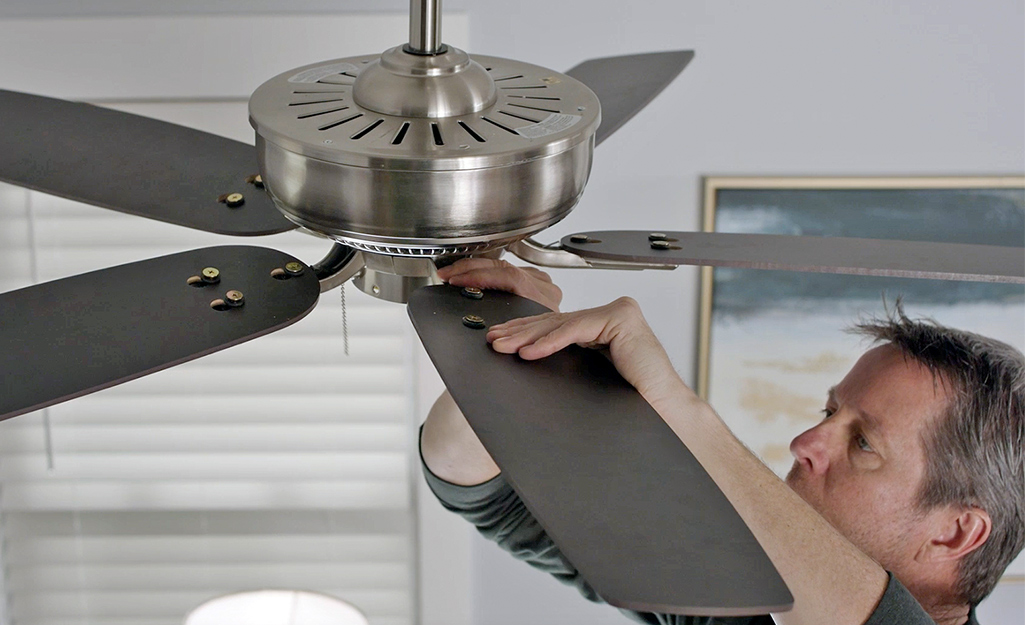
Hold the new fan's motor housing against the ceiling and ensure it is level. Use the mounting screws to secure the fan to the ceiling. Tighten the screws firmly to prevent any vibrations or movement during fan operation.
Step 5: Connect the Wiring Harness
Connect the wiring harness from the new fan to the existing wiring in the ceiling. Use the manufacturer's recommended connectors and wiring diagram to ensure proper connections. Verify that all connections are secure and not loose.
Step 6: Install the Light Kit (If Applicable)
Follow the manufacturer's instructions to install the light kit, if applicable. Ensure all connections are secure and the light kit is properly attached to the fan's motor housing.
Step 7: Test the Fan
Turn the power back on at the main electrical panel and test the new fan. Verify that the fan operates properly, is level, and does not vibrate excessively. Make any necessary adjustments to the fan's mounting screws or wiring harness.
Conclusion: A Successful Ceiling Fan Replacement Installation
Replacing a ceiling fan can be a straightforward process if you follow the necessary steps and take the necessary safety precautions. By assessing your ceiling fan, gathering the necessary tools and materials, and following the step-by-step guide, you can successfully install a new ceiling fan in your home. Remember to always turn off the power to the circuit before starting the installation process and to verify that the power is off using a non-contact voltage tester.
Additional Resources and Tips
- Consult the manufacturer's installation manual for specific instructions and recommendations for your ceiling fan.
- Use a ladder or step stool only when necessary and ensure it is stable and secure.
- Consider hiring a licensed electrician if you are unsure about any aspect of the installation process.
- Take your time and work methodically to ensure a successful installation.
.webp "How to Replace a Ceiling Fan in 9 Steps (with Pictures)")