Drywall Hole Filling: A Comprehensive Guide to Repairing Holes in Your Walls
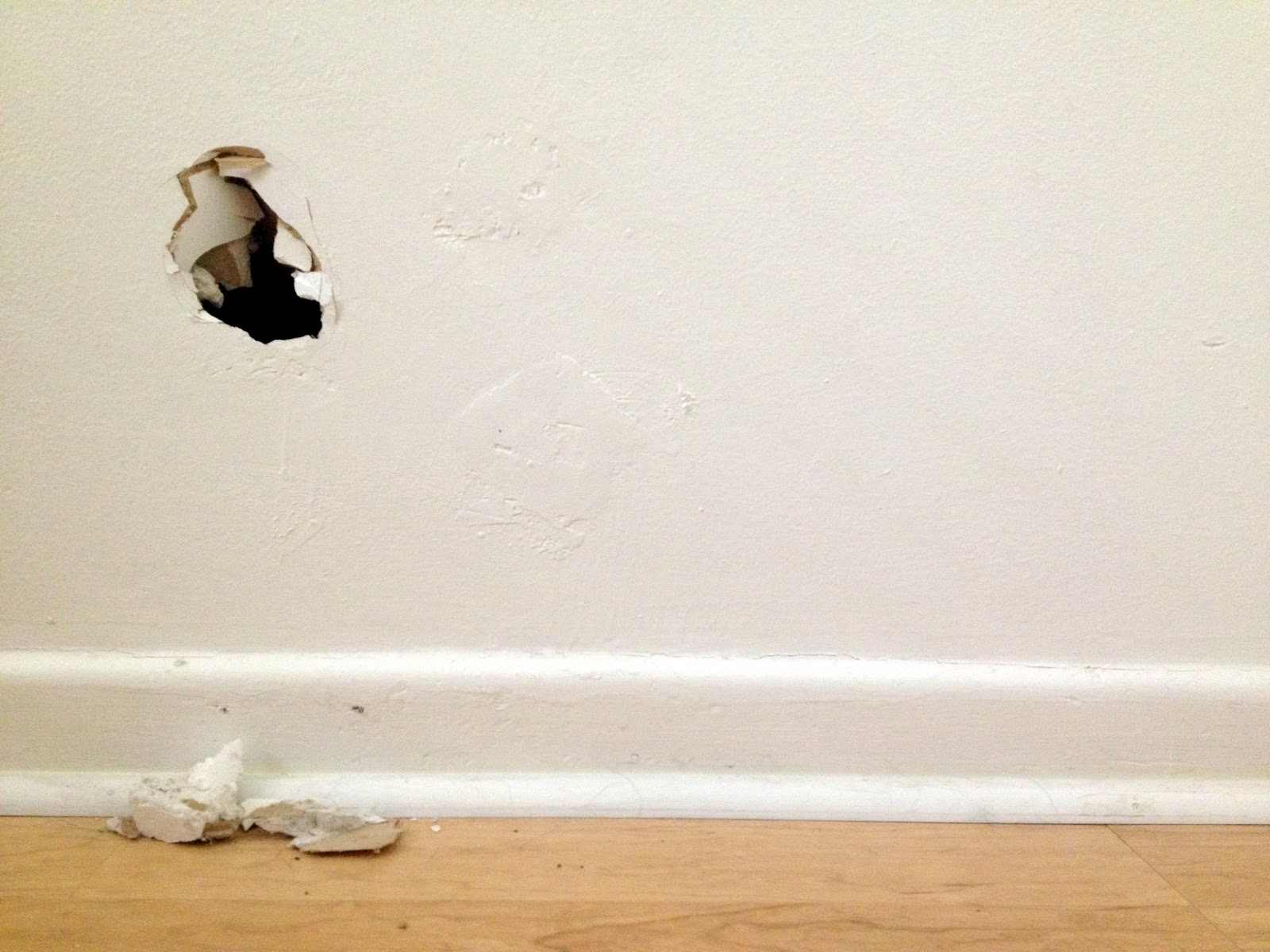
Drywall holes can be an eyesore in any home, but repairing them doesn't have to be a daunting task. In this article, we'll cover the basics of drywall hole filling, from the tools you'll need to the techniques for a seamless repair.
Choosing the Right Products for Drywall Hole Filling
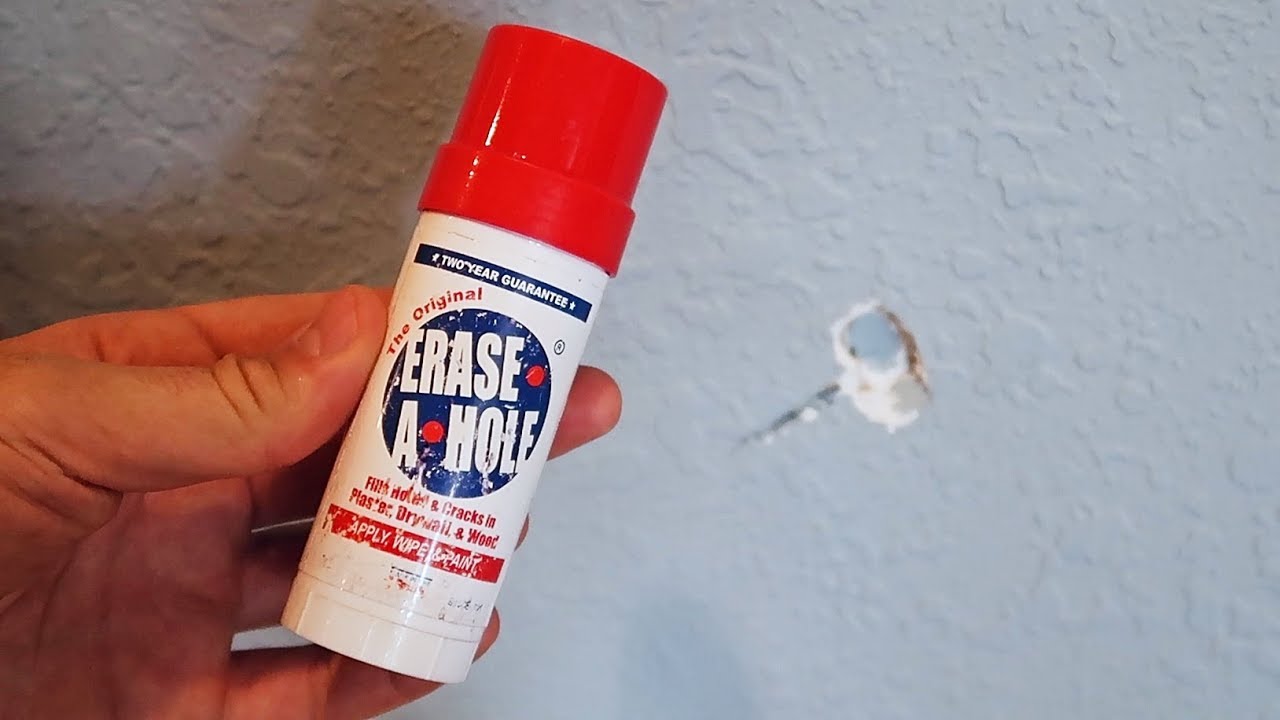
Before you start repairing a hole in your drywall, you'll need to choose the right products for the job. Depending on the size and location of the hole, you may need a variety of materials, including drywall patch kits, joint compound, and paint.
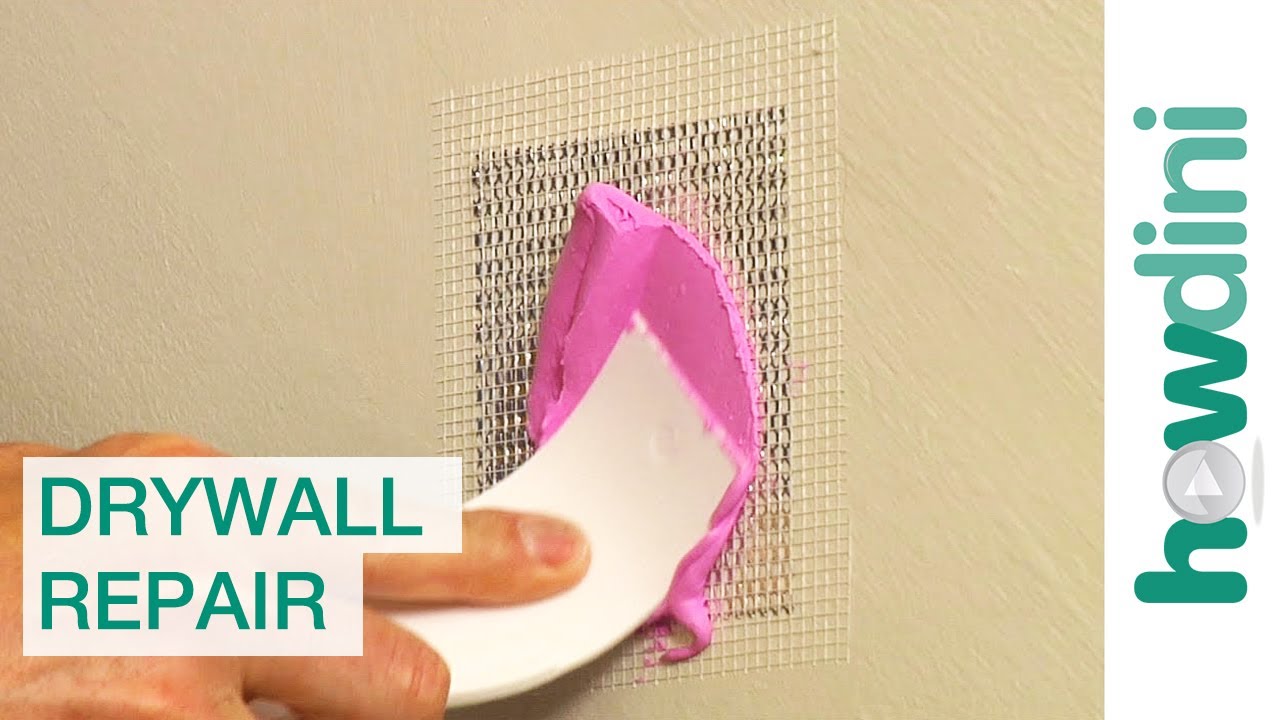
- Drywall Patch Kits: These kits typically include a patch, adhesive, and a joint compound specifically designed for drywall repairs. They're perfect for small to medium-sized holes.
- Joint Compound: Also known as spackling or filler, joint compound is a paste used to fill holes and dents in drywall. It's available in various types, including regular, fast-drying, and setting compounds.
- Paint: Once you've filled the hole, you'll need to paint the area to match the surrounding drywall.
Preparing the Area for Repair
Before you start filling the hole, make sure the area around it is clean and free of debris. Use a vacuum or a damp cloth to remove any dust, dirt, or old joint compound from the surrounding area.
Step-by-Step Instructions for Filling Drywall Holes
Filling a hole in drywall is a relatively simple process, but it does require some patience and patience. Here's a step-by-step guide to help you get started:

- Step 1: Measure the Hole. Measure the diameter of the hole to determine how much joint compound you'll need.
- Step 2: Clean the Area. Wipe the area around the hole with a damp cloth to remove any debris.
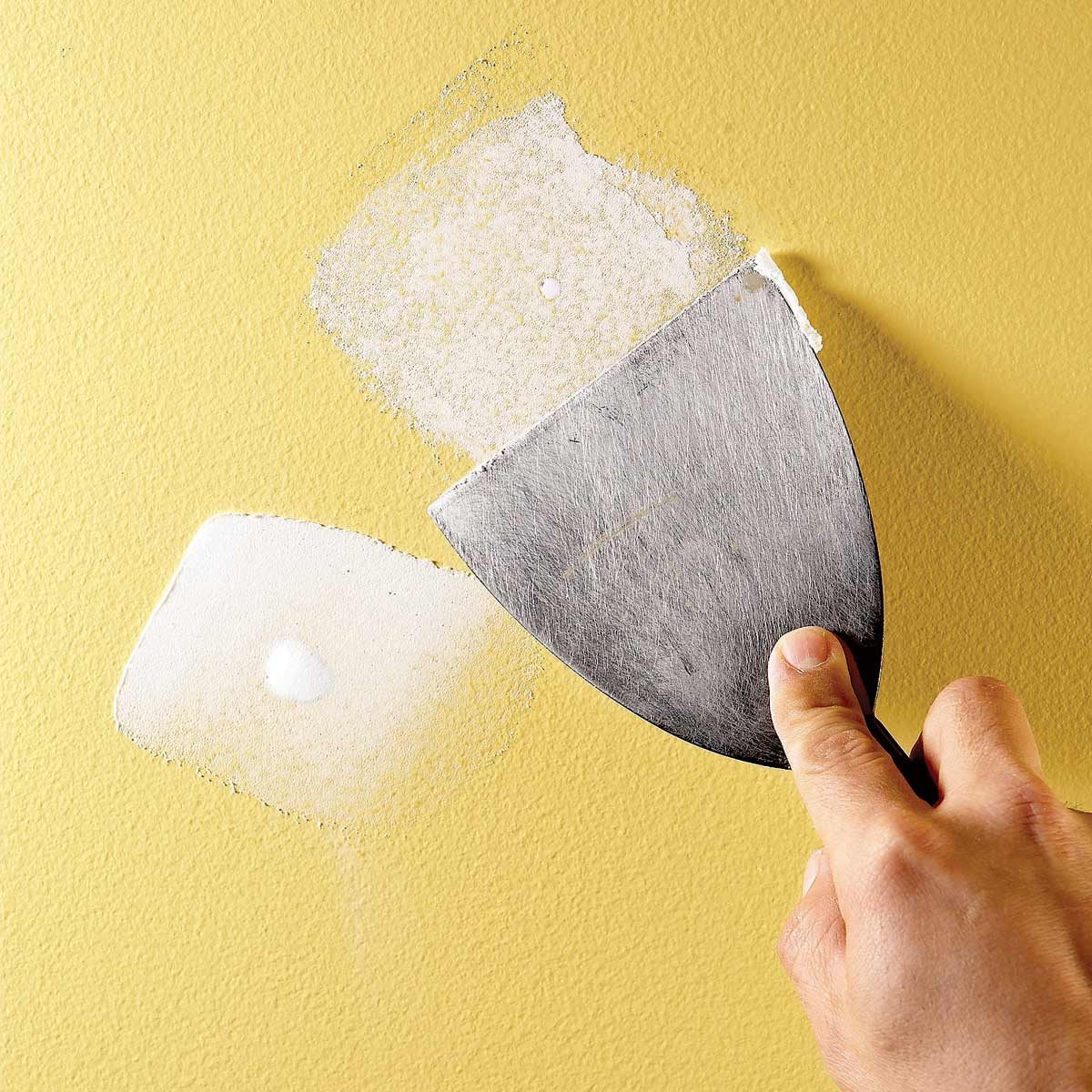
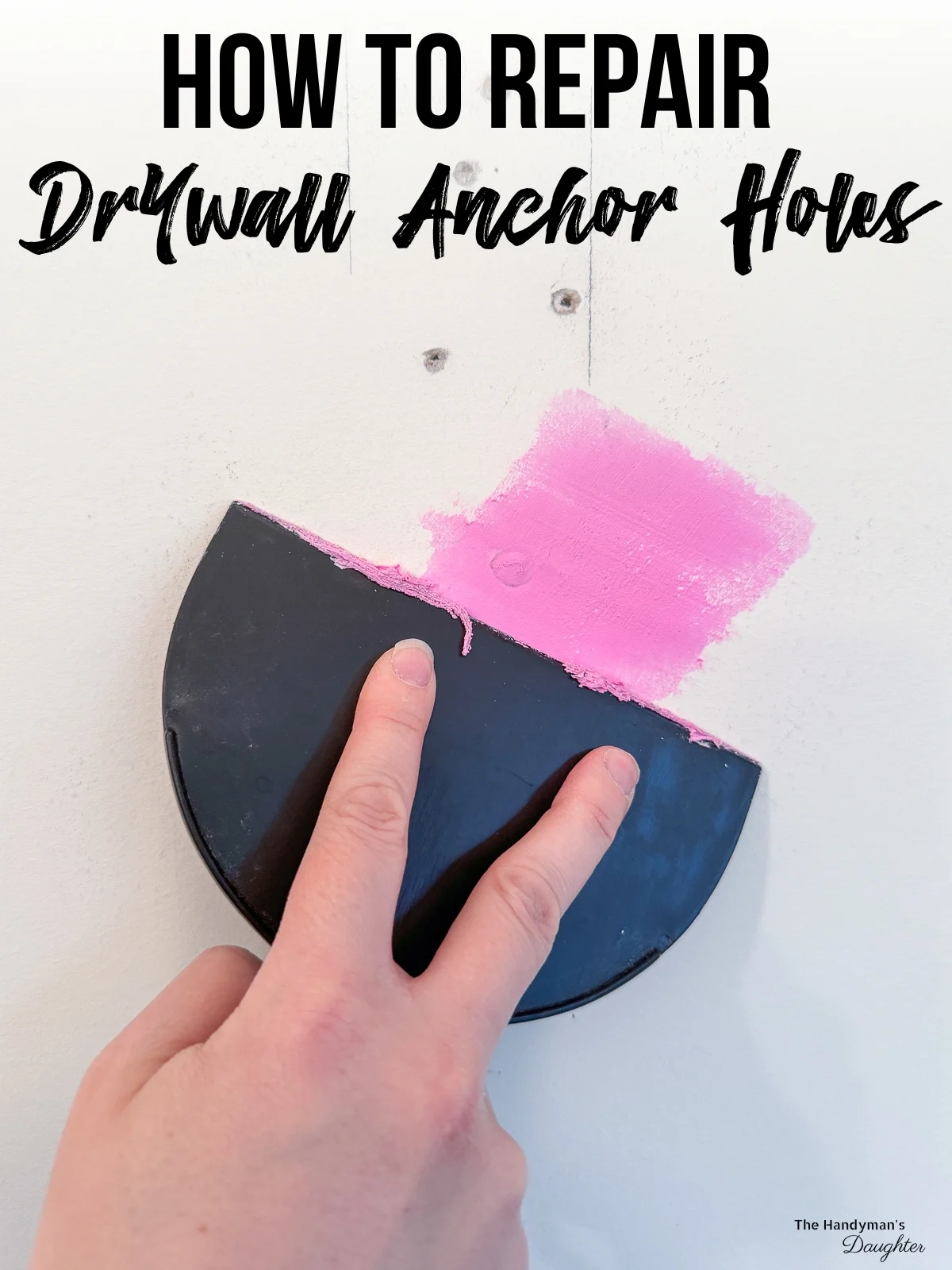
- Step 3: Apply Joint Compound. Use a putty knife to apply a layer of joint compound to the hole, spreading it evenly with a putty knife.
- Step 4: Sand the Area. Use a sanding block or sandpaper to smooth out the area, feathering it out to blend with the surrounding drywall.
- Step 5: Apply a Second Coat. If necessary, apply a second layer of joint compound, again sanding it smooth.
- Step 6: Paint the Area. Once the compound is dry, paint the area to match the surrounding drywall.
Special Cases: Large Holes and Complex Repairs
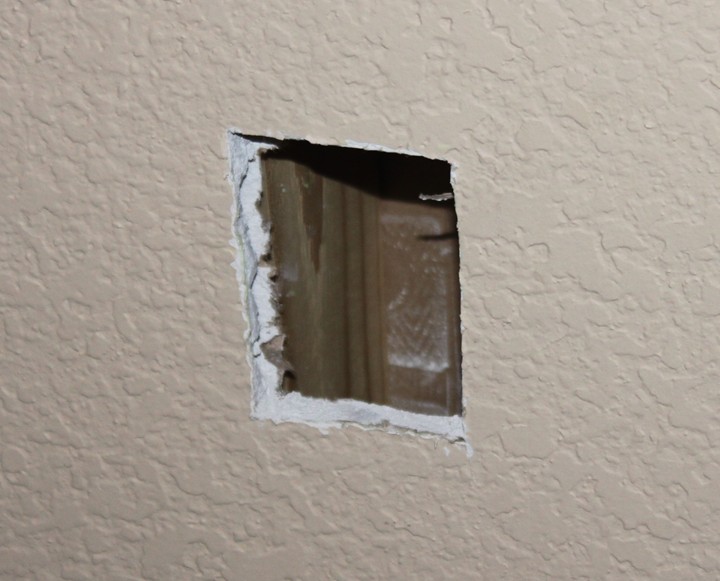
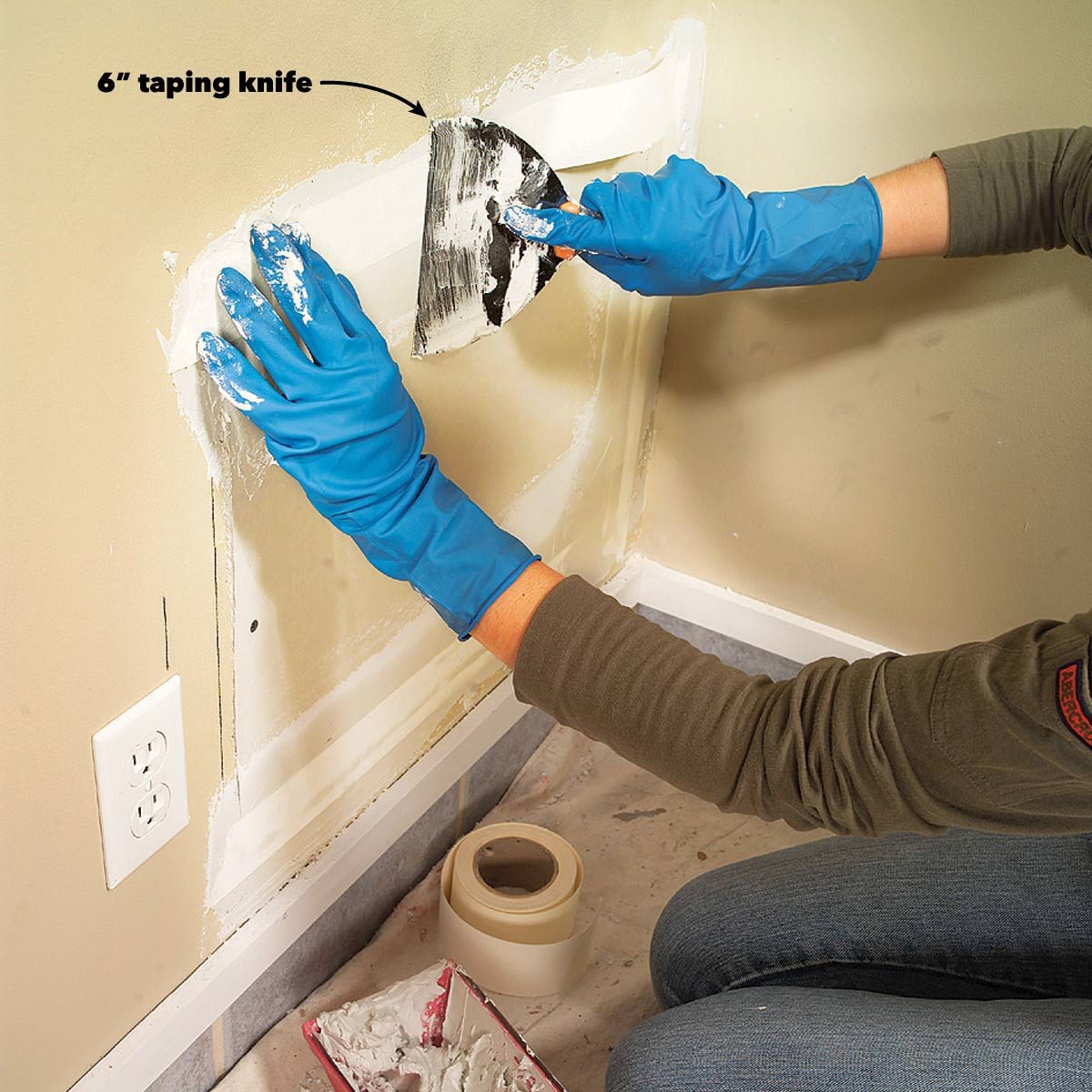
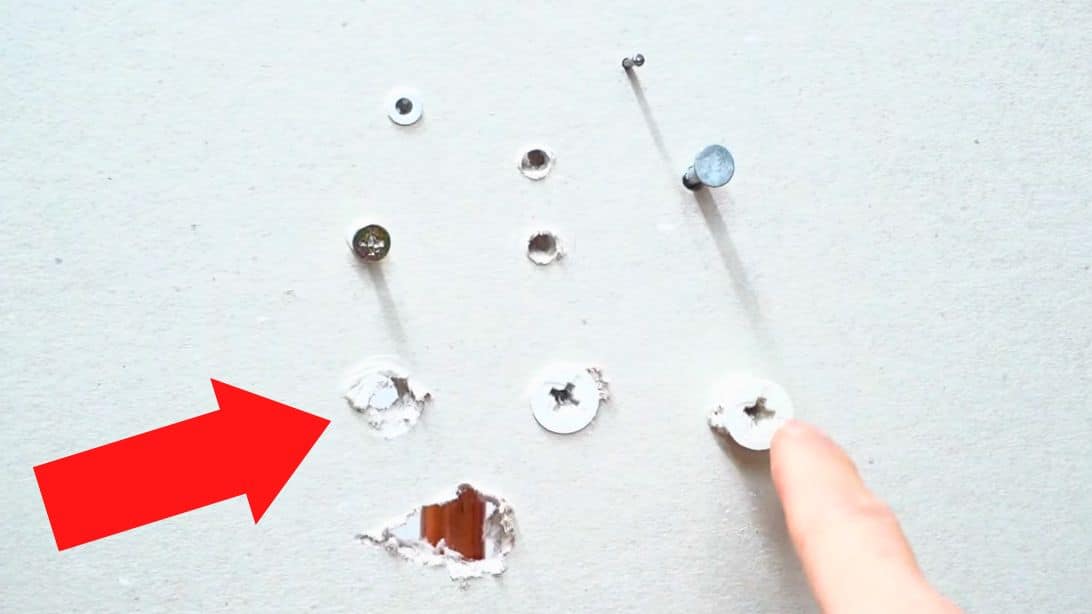
Large holes or complex repairs may require additional materials and techniques. For example, if the hole is deep or large, you may need to use a drywall patch kit or joint compound that sets up with a chemical reaction. For more extensive damage, you may need to install a new piece of drywall to ensure a seamless repair.
Common Mistakes to Avoid
When it comes to drywall hole filling, there are a few common mistakes to avoid:
- Using the Wrong Products: Make sure to choose the right products for the job, taking into account the size and location of the hole.
- Not Preparing the Area: Clean the area around the hole thoroughly before applying joint compound.
- Overfilling the Hole: Avoid overfilling the hole, as it can create a bump or a raised area that's difficult to sand down.
Conclusion
Filling drywall holes is a relatively simple DIY project that can be completed with the right tools and a bit of patience. By choosing the right products, preparing the area properly, and following the step-by-step instructions, you can achieve a seamless repair that blends in with the surrounding drywall. Whether you're repairing a small hole or a large one, drywall hole filling is a DIY task that's achievable with the right guidance.



:max_bytes(150000):strip_icc()/how-to-fill-drywall-screw-holes-1821503_01_inspect_1533-920246219e5445ada59dd618cd357fc9.jpg "How to Repair Holes in Drywall: Spackling, Patching & More")