Unlocking the Power of GLP-1 and Fiber-Rich Foods
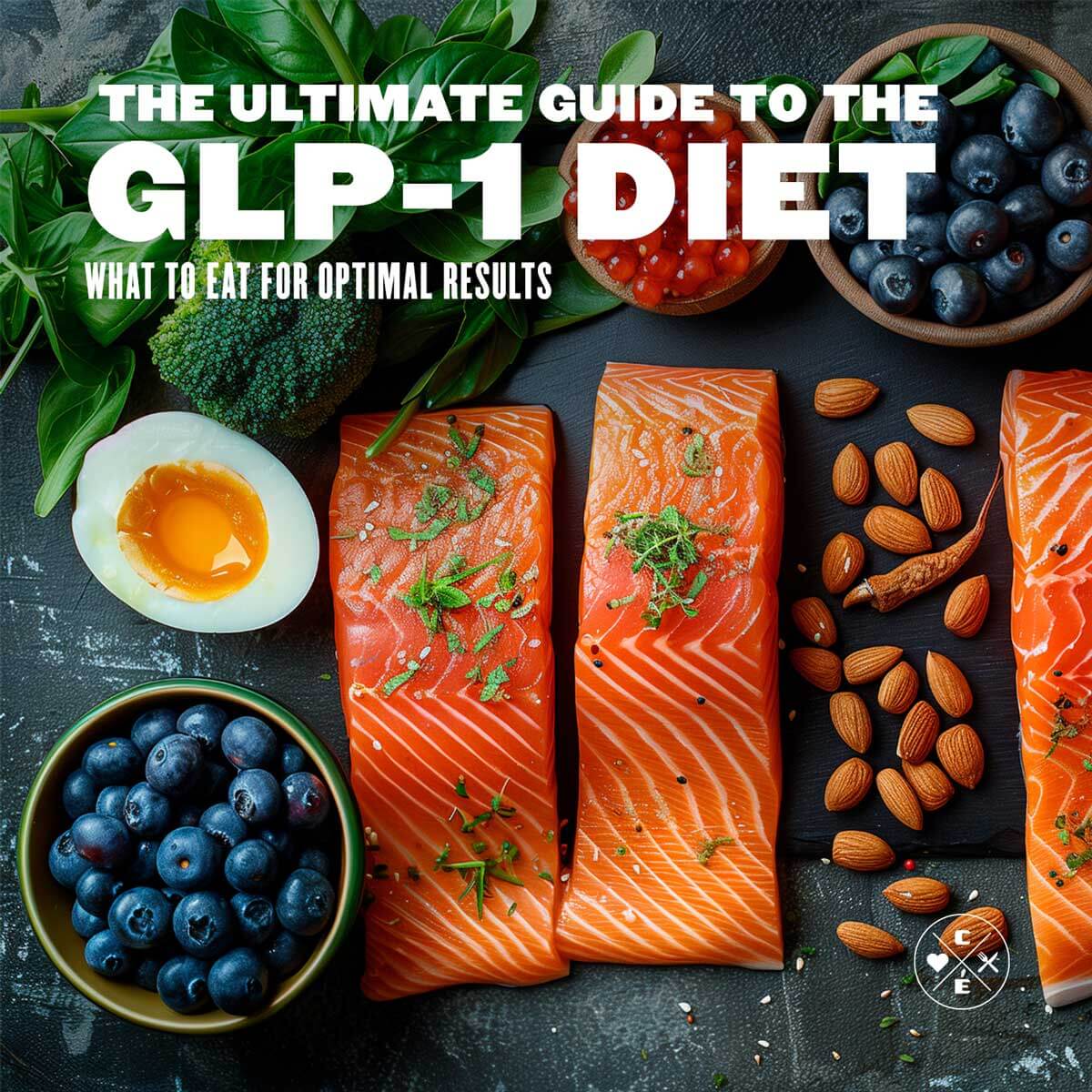
GLP-1, or glucagon-like peptide-1, is a hormone that plays a crucial role in regulating blood sugar levels, appetite, and weight management. This hormone is released in the gut after eating, particularly when consuming meals that are rich in protein and fiber. In this article, we will explore the relationship between GLP-1 and fiber-rich foods, and how incorporating these nutrient-dense foods into your diet can support overall health and well-being.
What Foods Boost GLP-1 Levels?
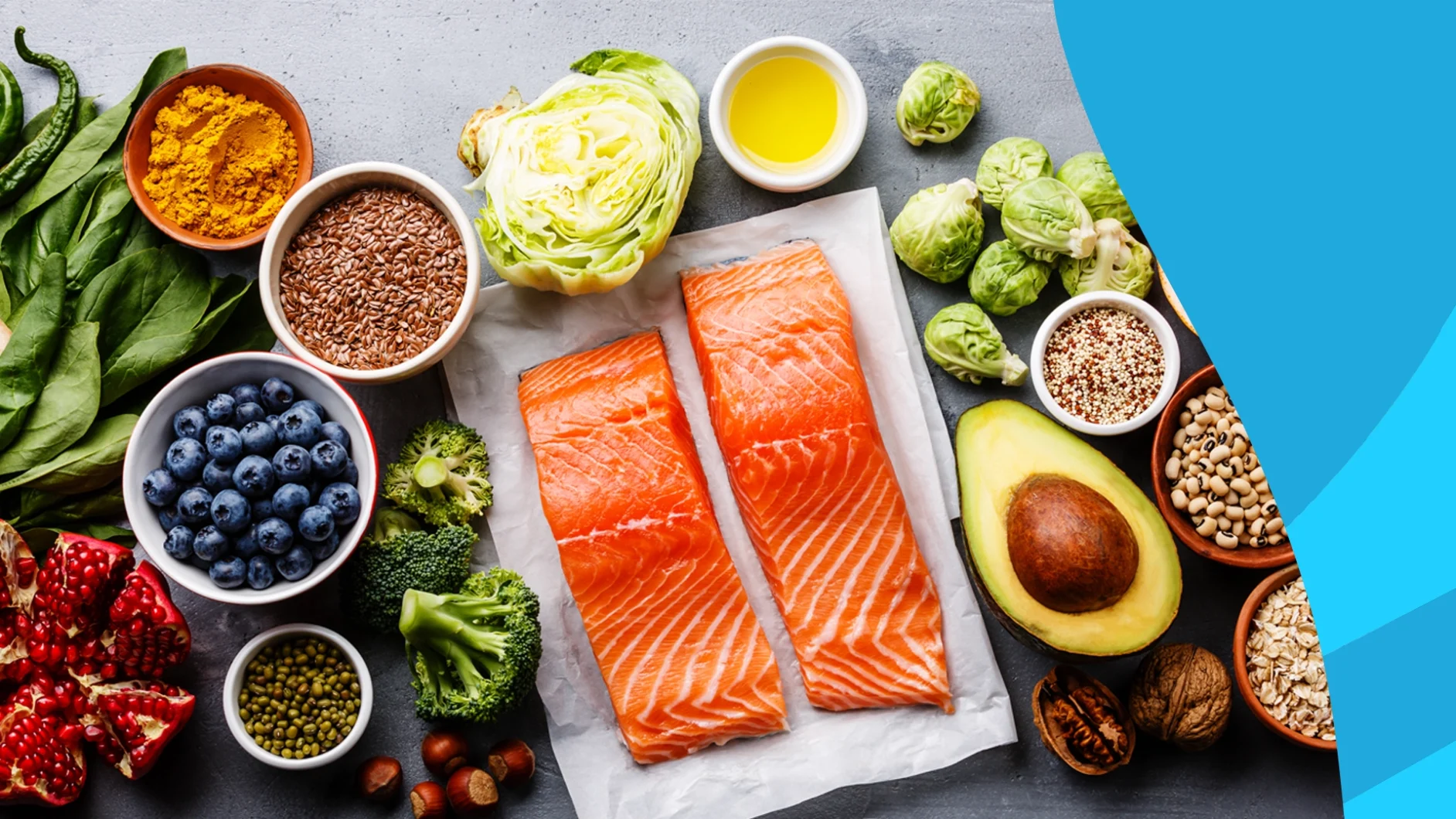
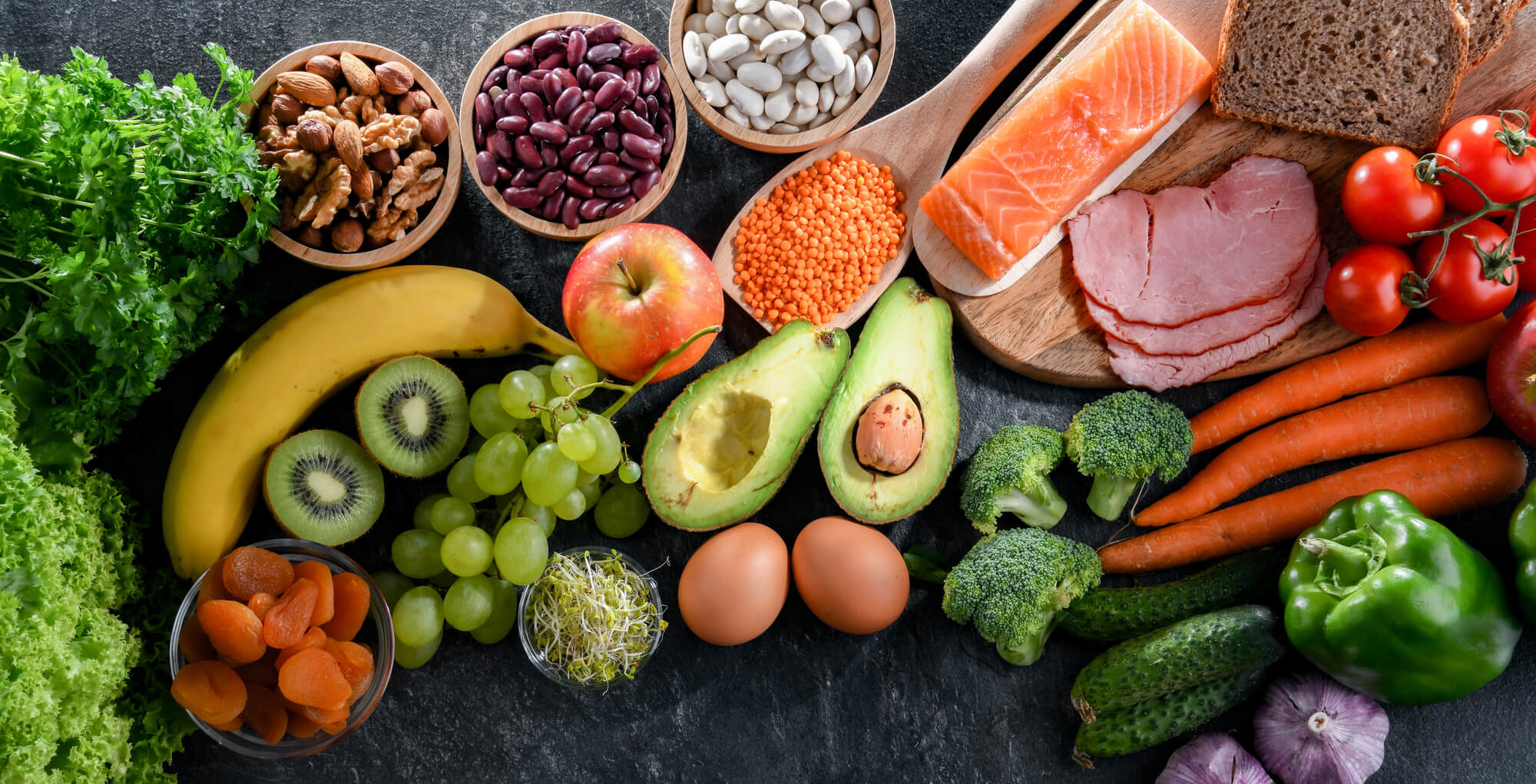
Evidence suggests that certain foods can naturally support the body's production of GLP-1, including:
- Fiber-rich foods: Foods high in fiber, such as vegetables, fruits, legumes, and whole grains, slow down digestion and stimulate the release of GLP-1. Examples of high-fiber foods include avocados, chia seeds, raspberries, blackberries, lentils, chickpeas, broccoli, kale, oats, and quinoa.
- Protein-rich foods: Foods high in protein, such as lean meats, fish, eggs, Greek yogurt, and cottage cheese, stimulate the release of GLP-1 and help regulate blood sugar levels.
- Healthy fats: Foods rich in healthy fats, such as omega-3 fatty acids found in nuts, seeds, and fatty fish, can also support GLP-1 production.
- Legumes: Legumes such as beans, lentils, and peas are rich in fiber and protein, making them an excellent food for supporting GLP-1 production.
- Nuts and seeds: Nuts and seeds, such as almonds, walnuts, and chia seeds, are rich in healthy fats and fiber, which can support GLP-1 production.
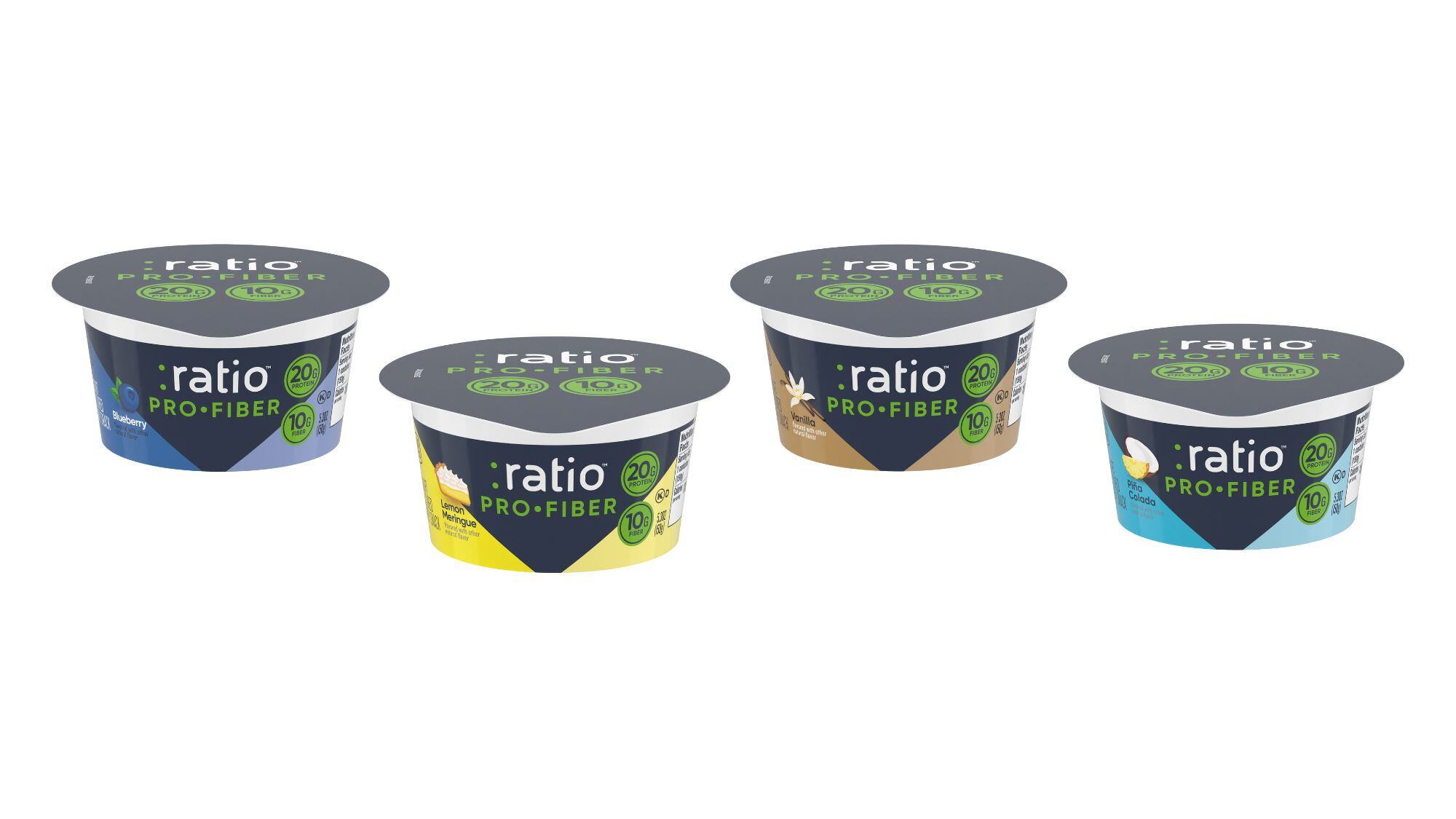
- Fermented foods: Fermented foods, such as yogurt and kefir, contain probiotics, which can support the health of the gut microbiome and promote GLP-1 production.
Benefits of Fiber-Rich Foods on GLP-1
Consuming fiber-rich foods has numerous benefits for GLP-1 production, including:

- Slowing down digestion: Fiber-rich foods slow down digestion, allowing for a more gradual release of GLP-1, which helps regulate blood sugar levels.
- Stimulating hunger hormones: Fiber-rich foods stimulate the release of hunger hormones, such as leptin and GLP-1, which help regulate appetite and food intake.
- Reducing inflammation: Fiber-rich foods, particularly those high in polyphenols, have anti-inflammatory properties, which can help reduce inflammation in the body.
- Improving blood sugar control: Fiber-rich foods, particularly those high in soluble fiber, can help regulate blood sugar levels by slowing down the absorption of sugar into the bloodstream.
Practical Tips for Incorporating Fiber-Rich Foods into Your Diet
Here are some practical tips for incorporating fiber-rich foods into your diet:
- Start your day with a high-fiber breakfast: Begin your day with a fiber-rich breakfast, such as oatmeal with fruit and nuts, to stimulate GLP-1 production.
- Incorporate fiber-rich foods into every meal: Aim to include a source of fiber in every meal, such as a side salad or a serving of whole grains.
- Try new fiber-rich foods: Experiment with new fiber-rich foods, such as fermented vegetables or legumes, to add variety to your diet.
- Proportion is key: Focus on nutrient-dense foods, which provide a balance of fiber, protein, and healthy fats to support GLP-1 production.
Conclusion
GLP-1 and fiber-rich foods have a synergistic relationship, with fiber-rich foods stimulating the release of GLP-1 and promoting overall health and well-being. By incorporating fiber-rich foods into your diet, you can naturally support GLP-1 production and enjoy numerous health benefits, including improved blood sugar control, reduced inflammation, and increased satiety. Make sure to prioritize nutrient-dense foods, including protein-rich foods, healthy fats, and a variety of fiber-rich foods, to support overall health and well-being.