E-Residency Estonia Estonia e-Residency and Public Key Infrastructure
Estonia's e-Residency programme has revolutionized the way entrepreneurs and freelancers conduct business globally. This government-issued digital identity provides unparalleled access to Estonia's transparent business environment, making it an attractive option for those looking to expand their operations into the European Union. In this article, we will delve into the world of e-Residency, exploring its benefits, requirements, and how it utilizes public key infrastructure to enhance security and encryption.
What is E-Residency?
At its core, e-Residency is a digital identity issued by the Estonian government, allowing foreign nationals to access Estonia's digital services and conduct business within the European Union. This digital identity can be obtained online, eliminating the need for physical presence in Estonia. E-Residency is often misunderstood as a form of company registration, but it is, in fact, a state-issued digital identification solution that provides access to Estonia's business environment.
Benefits of Estonian E-Residency
- Global access to Estonia's digital services, including e-signatures, company registration, and virtual bank accounts.
- Secure and digital business environment, reducing the risk of identity theft and document tampering.
- Streamlined online compliance and lower administrative costs.
- Access to Estonia's unique corporate income tax system, deferring taxation until distribution of profits.
- Opportunity to establish a EU-based company, expanding business opportunities and revenue potential.
How E-Residency Utilizes Public Key Infrastructure
Public-key infrastructure (PKI) plays a crucial role in Estonia's e-Residency programme, ensuring the secure transmission of sensitive information and the integrity of digital identities. The Estonian government uses advanced encryption, blockchain-based technologies like Keyless Signature Infrastructure (KSI), and secure digital ID cards with public-private key cryptography to safeguard e-residents' digital identities and business data.
Security Measures
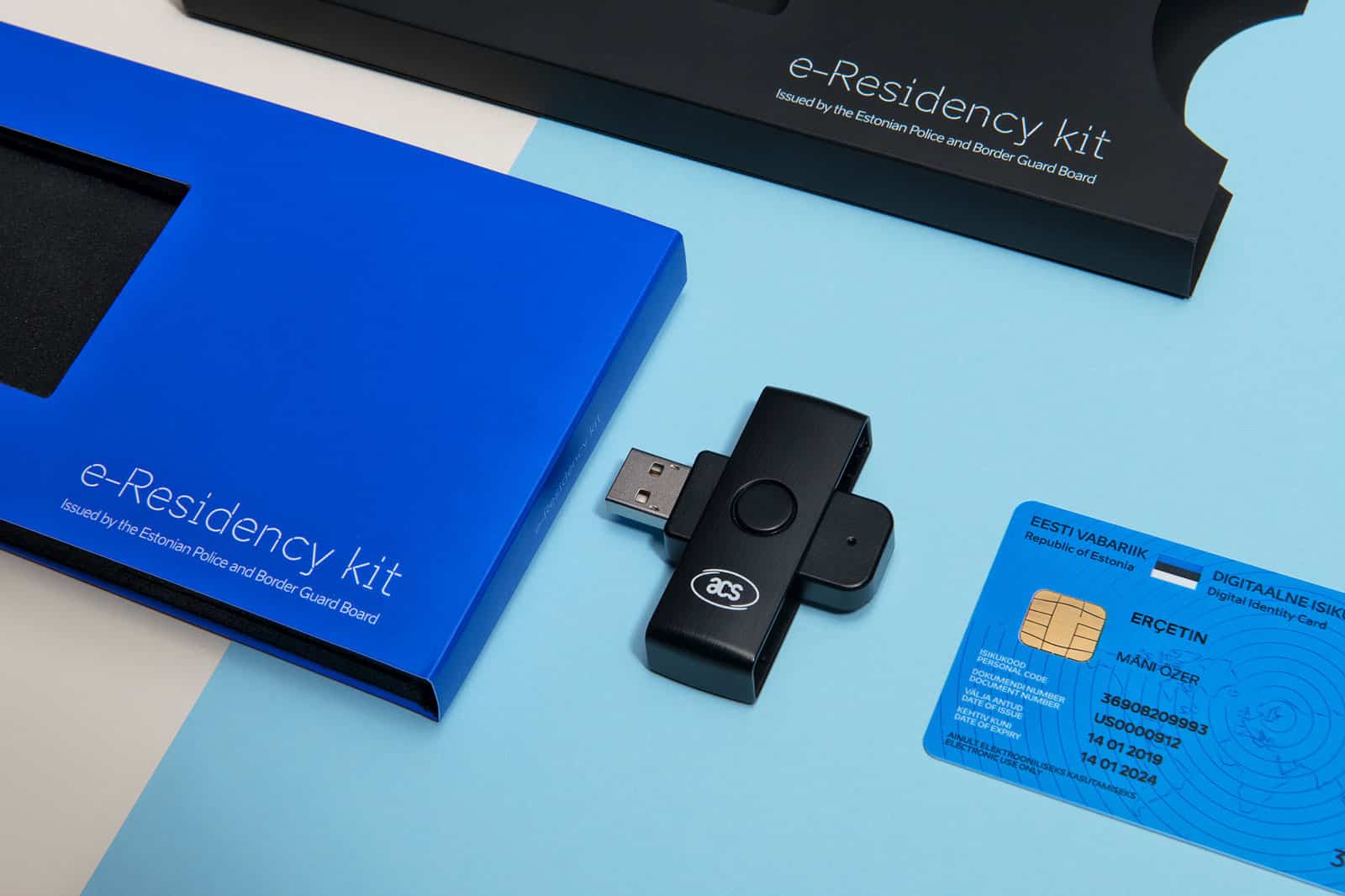
The security of e-Residency is paramount, and Estonia has implemented various measures to protect its e-residents' digital identities and business data. These measures include:
- Advanced encryption: Ensuring the secure transmission of sensitive information.
- Blockchain-based technologies: Providing an immutable and transparent record of all transactions.
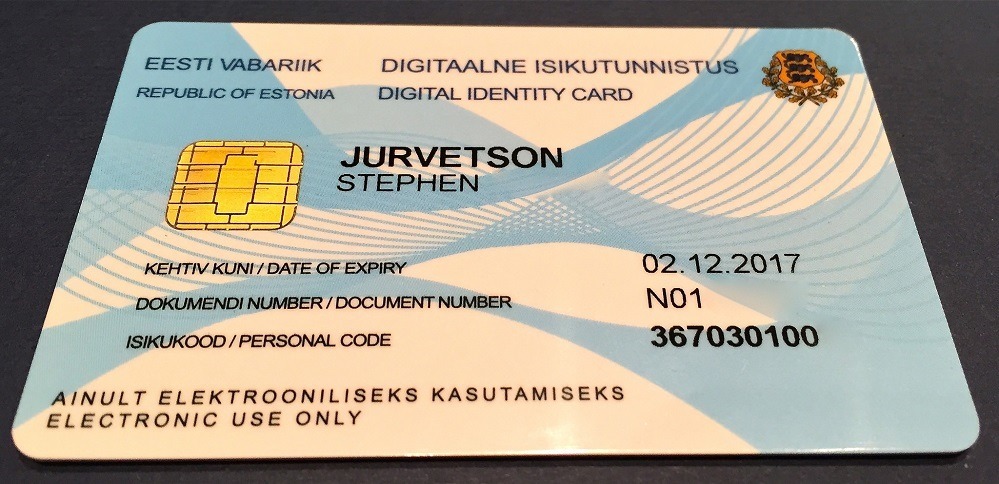
- Secure digital ID cards: Utilizing public-private key cryptography to authenticate users and sign documents digitally.
- Two-factor authentication: Adding an extra layer of security to prevent unauthorized access to e-residents' accounts.
Conclusion
Estonia's e-Residency programme is a game-changer for entrepreneurs and freelancers looking to expand their operations into the European Union. By providing a secure and digital business environment, e-Residency simplifies access to Estonia's advanced digital infrastructure, enabling individuals to conduct business online and grow their revenue potential. With its robust security measures and streamlined online compliance, e-Residency is an attractive option for those looking to establish a EU-based company and tap into the vast opportunities offered by the digital economy.
Getting Started with E-Residency
If you're interested in obtaining e-Residency and leveraging Estonia's digital nation, follow these steps:
- Register on the Estonian government's e-Residency website.
- Obtain a digital identity by filling out an application and providing required documentation.
- Activate your e-Residency digital identity and access Estonia's digital services.
- Establish and manage an EU-based company online, from anywhere in the world.
By following these simple steps, you can unlock the benefits of e-Residency and join the growing community of digital entrepreneurs who are leveraging Estonia's innovative e-Residency programme to take their businesses to the next level.