Environmentally Friendly Lawn Care: A Guide to a Greener Tomorrow
Sustainable living is no longer a choice, but a necessity. As the world grapples with climate change, pollution, and water scarcity, it's high time we rethink our approach to lawn care. Environmentally friendly lawn care is not just a trend; it's a movement that's gaining momentum, and for good reason. In this article, we'll delve into the world of eco-friendly lawn care, exploring the benefits, practices, and tips to help you create a lush, green lawn without harming the environment.
The Benefits of Environmentally Friendly Lawn Care
By adopting environmentally friendly lawn care practices, you can enjoy a plethora of benefits, including:
- Water conservation: Reduce your water consumption and minimize the impact of droughts on your lawn.
- Soil health: Improve the quality of your soil, increasing its fertility and reducing the need for chemical fertilizers.
- Biodiversity: Create a haven for local wildlife, promoting biodiversity and reducing the use of pesticides and herbicides.
- Air quality: Breathe easier, knowing that your lawn care practices aren't contributing to air pollution.
- Saving money: Reduce your energy consumption and lower your carbon footprint, saving you money in the long run.
Principles of Environmentally Friendly Lawn Care
Environmentally friendly lawn care is built on three fundamental principles:
- Sustainable water management: Reduce water waste and conserve this precious resource by adopting efficient irrigation systems and smart watering strategies.
- Natural and organic practices: Rely on natural methods to maintain your lawn, such as composting, mulching, and using organic fertilizers.
: Emphasize the use of manual and mechanical tools, reducing the reliance on gas-powered equipment and chemicals.
Practical Tips for Environmentally Friendly Lawn Care

Ready to make the switch to eco-friendly lawn care? Here are some practical tips to get you started:
- Choose the right grass: Select drought-resistant grass species that require less water and maintenance.
- Use natural fertilizers: Compost, manure, and fish emulsion are excellent alternatives to synthetic fertilizers.
- Mulch, mulch, mulch: Mulch helps retain moisture, suppress weeds, and regulate soil temperature.
- Adopt smart watering strategies: Use rain sensors, moisture meters, and drip irrigation systems to optimize water usage.
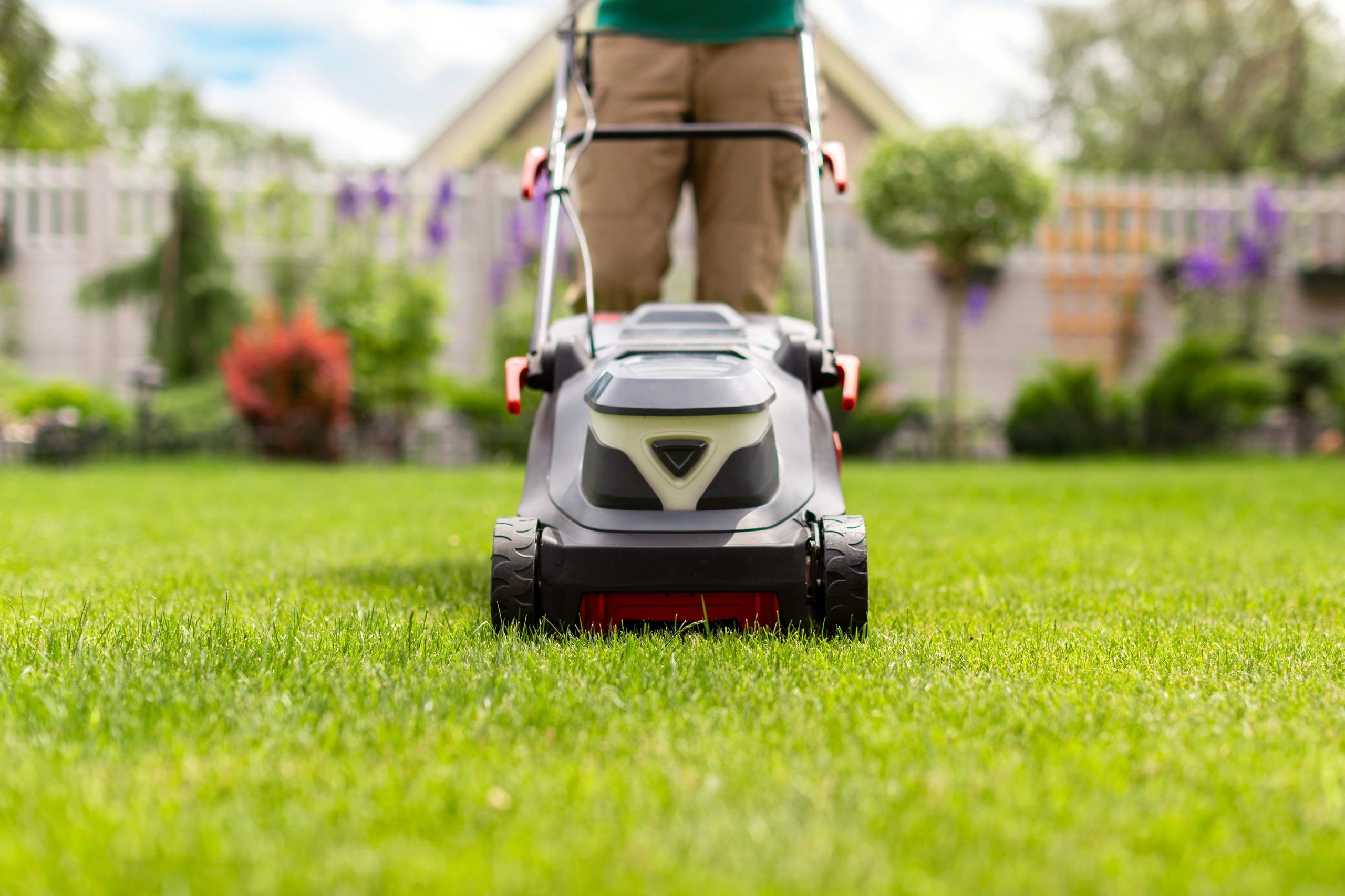
- Mow wisely: Maintain your mower at a higher height to promote deep root growth and reduce watering needs.
- Control weeds naturally: Use vinegar-based herbicides, boiling water, or hand-weeding to eliminate weeds.
Get Creative with Your Lawn Care
Don't just stick to traditional lawn care methods. Get creative and think outside the box! Consider:
- Native plants: Incorporate native plants into your lawn, which require less maintenance and support local biodiversity.
- Low-maintenance groundcovers: Use groundcovers like clover or creeping thyme to reduce lawn maintenance and promote wildlife habitats.
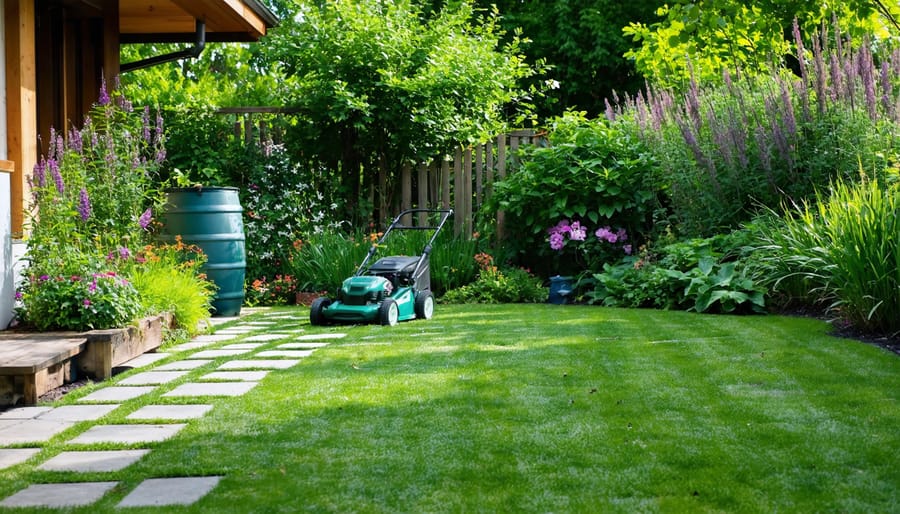
- Rain gardens: Create rain gardens to capture and filter rainwater, reducing stormwater runoff and promoting water conservation.
- Worm composting: Harness the power of worms to break down organic waste and create nutrient-rich compost.
Conclusion
Environmentally friendly lawn care is not a radical idea; it's a sensible and necessary approach to maintaining a healthy, beautiful lawn while preserving the environment. By embracing sustainable practices, natural methods, and creative solutions, you'll not only save water, reduce pollution, and promote biodiversity but also enjoy a lush, green lawn that's the envy of the neighborhood.
Start your eco-friendly lawn care journey today and join the movement towards a greener tomorrow!