Breaking the Cycle of Food Addiction with GLP-1
For many, the struggle with food addiction is a daily battle. Incessant thoughts and cravings dominate mental space, making it challenging to maintain a healthy relationship with food. A new ray of hope has emerged in the form of GLP-1 (Glucagon-like peptide-1) medications, which not only treat type 2 diabetes and weight management but also show promise in addressing food addiction.
What are GLP-1 Medications?
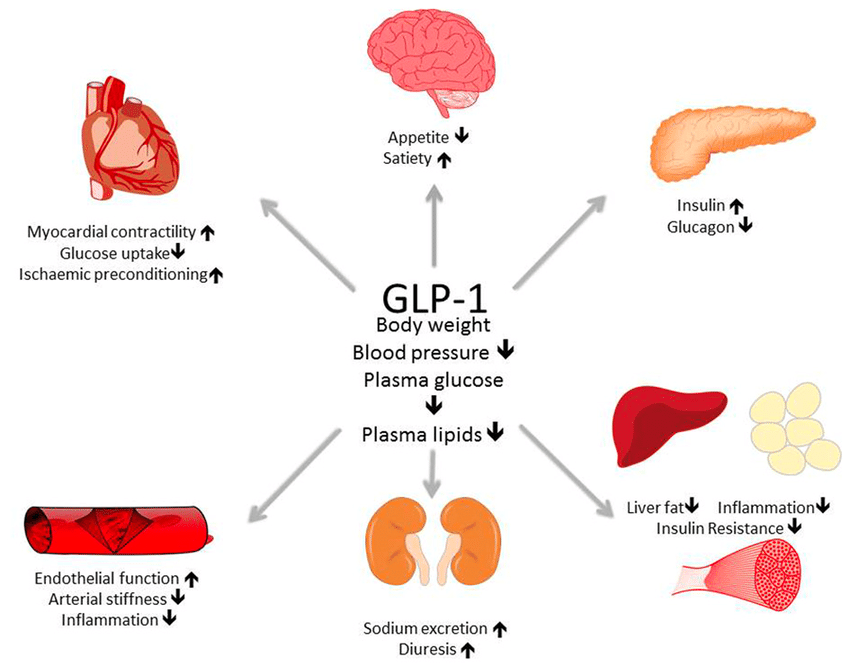
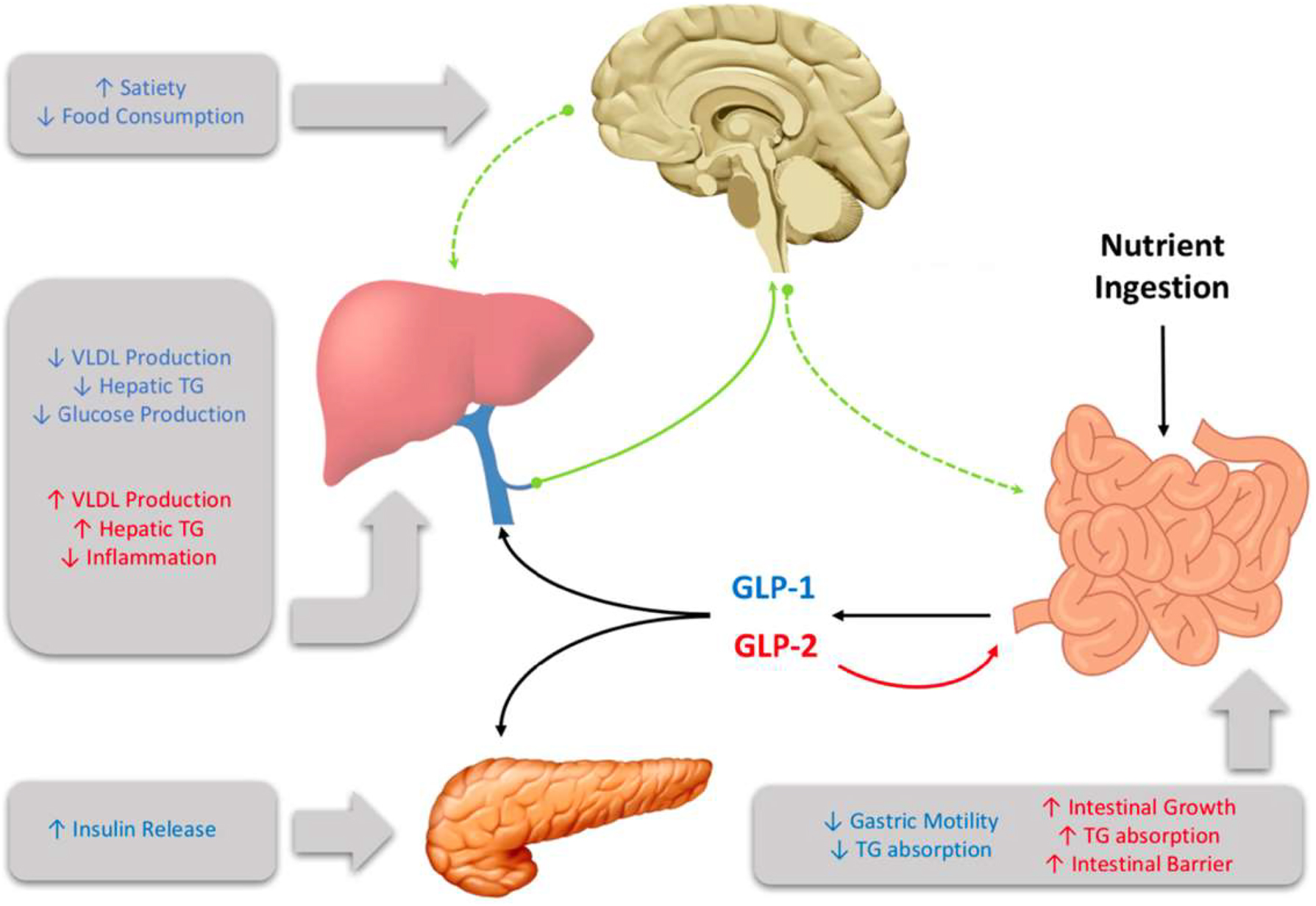
GLP-1 medications, such as Ozempic and Mounjaro, have been around since the early 2000s. However, it is only in recent years that they have gained attention for their potential in treating food addiction. These medications mimic the naturally occurring hormone GLP-1, which is released in the small intestine and plays a crucial role in appetite regulation, digestion, and insulin release. By slowing down gastric emptying, increasing satiety, and reducing hunger and food cravings, GLP-1 medications have shown remarkable results in addressing food addiction.
The Science Behind GLP-1 and Food Addiction
The link between GLP-1 and food addiction lies in the brain's reward system. GLP-1 receptors are widely expressed throughout the mesolimbic reward pathway, which is also involved in substance abuse. When individuals with food addiction consume highly palatable foods, their brain's reward system releases dopamine, creating a cycle of craving and subsequent consumption. GLP-1 medications have been shown to quiet this "food noise" by rewiring the brain's reward system, leading to a significant reduction in food cravings and addiction.
Key Benefits of GLP-1 for Food Addiction
- Reduces food cravings by modulating the brain's reward system
- Slows gastric emptying, keeping food in the stomach longer and reducing hunger
- Increases satiety and reduces hunger, making it easier to maintain a healthy diet
- Has potential in addressing alcohol, opioid, and nicotine addiction
- May enhance mental health by reducing depression, anxiety, and psychiatric-related symptoms
The Future of GLP-1 and Food Addiction Treatment
The rapid evolution of GLP-1 medications in addressing food addiction is promising. Emerging evidence suggests that these medications may hold significant potential in addressing substance use disorders, including alcohol, nicotine, and opioid addiction. As research continues to advance, it is essential to explore the use of GLP-1 medications as a complementary treatment for food addiction. With its unique mechanism of action, GLP-1 medications offer a new hope for individuals struggling with food addiction, providing a way to break the cycle of addiction and cultivate a healthier relationship with food.
Why GLP-1 Medications are a Game-Changer for Food Addiction
Food addiction is a complex disorder that requires a multifaceted approach. GLP-1 medications offer a groundbreaking solution by addressing the root causes of food addiction, rather than just symptomatic treatments. By reducing food cravings, slowing down gastric emptying, and increasing satiety, GLP-1 medications help individuals develop a healthier relationship with food, paving the way for long-term recovery from food addiction. As the conversation around GLP-1 continues to evolve, one thing is clear: these medications are revolutionizing the way we approach food addiction treatment.