GLP-1 Agonist for Hemoglobin A1c Reduction: A Game-Changer in Type 2 Diabetes Management
Glucagon-like peptide-1 receptor agonists (GLP-1RAs) have revolutionized the management of type 2 diabetes, offering a potent treatment option for reducing hemoglobin A1c (HbA1c) levels and improving overall glycemic control. In this article, we will delve into the world of GLP-1 agonists, exploring their mechanisms of action, efficacy, and potential benefits for patients with type 2 diabetes.
What are GLP-1 Receptor Agonists?
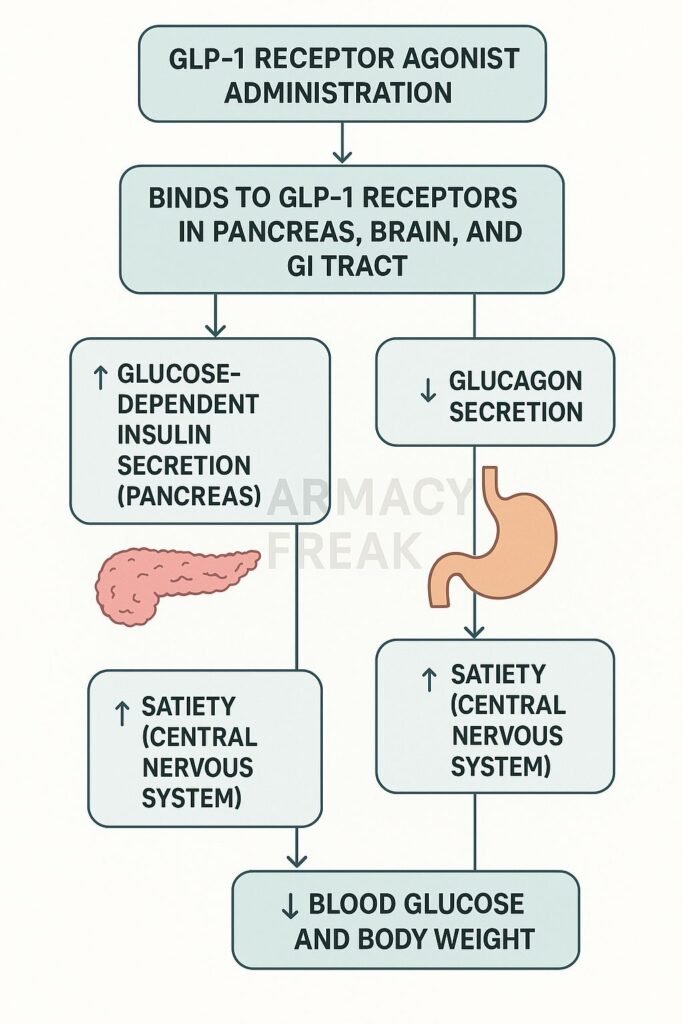
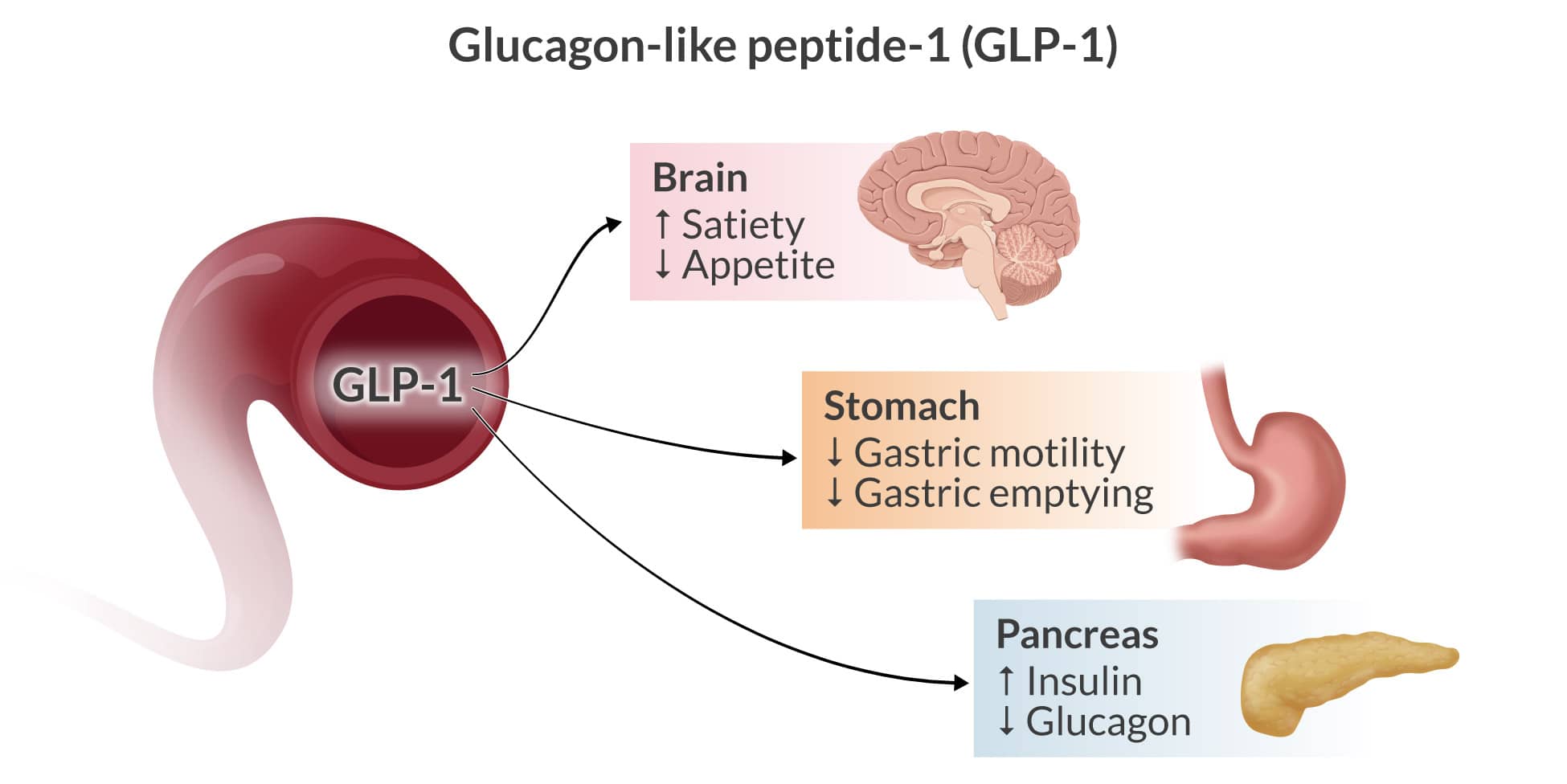
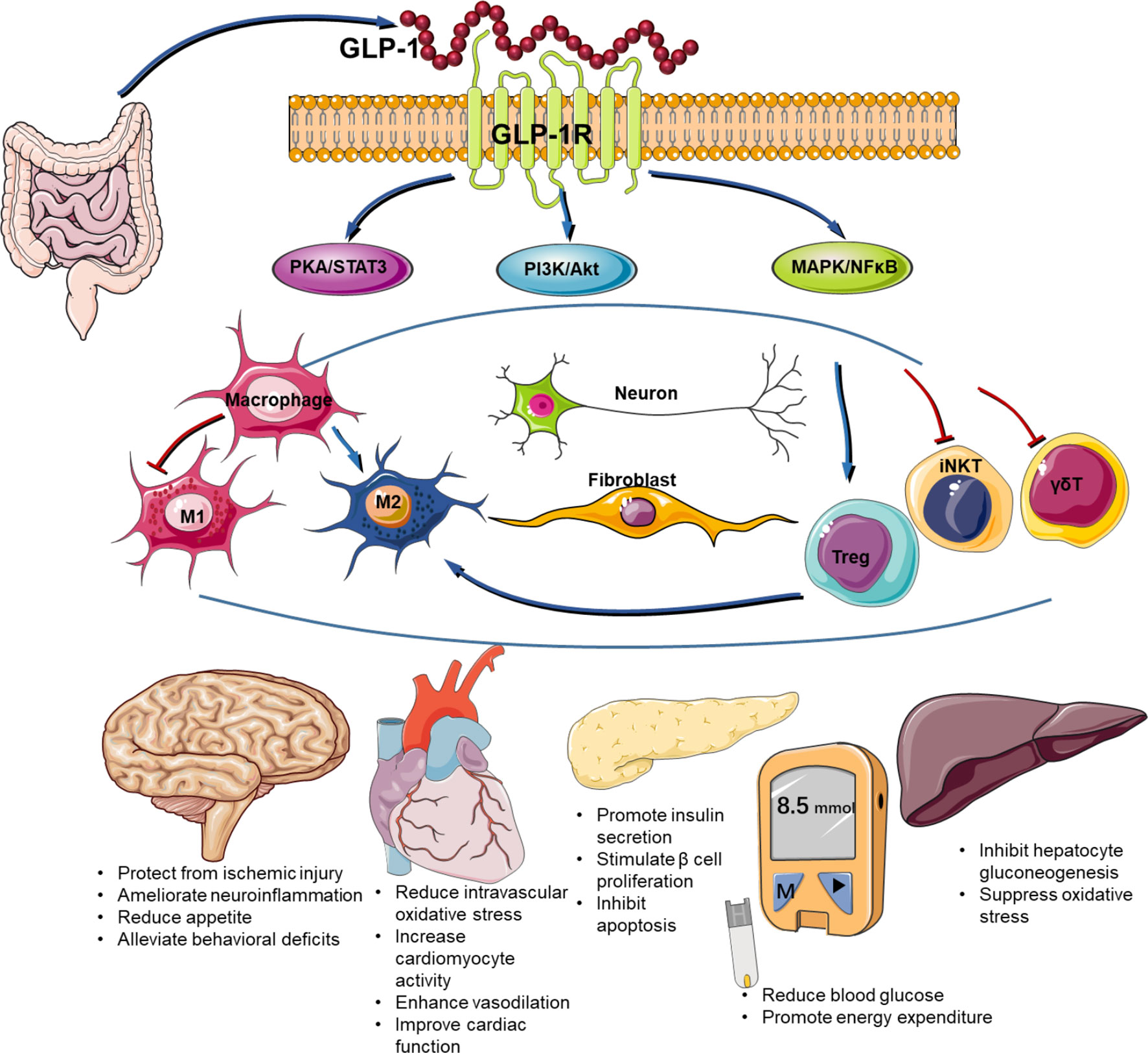
GLP-1RAs are a class of medications that mimic the action of the natural hormone glucagon-like peptide-1 (GLP-1). GLP-1 is released by the intestines in response to food intake and plays a crucial role in regulating blood glucose levels, promoting insulin secretion, and suppressing glucagon release. GLP-1RAs work by binding to GLP-1 receptors in the pancreas, liver, and other tissues, stimulating insulin release and suppressing glucagon release.
Efficacy of GLP-1 Agonists in Reducing HbA1c
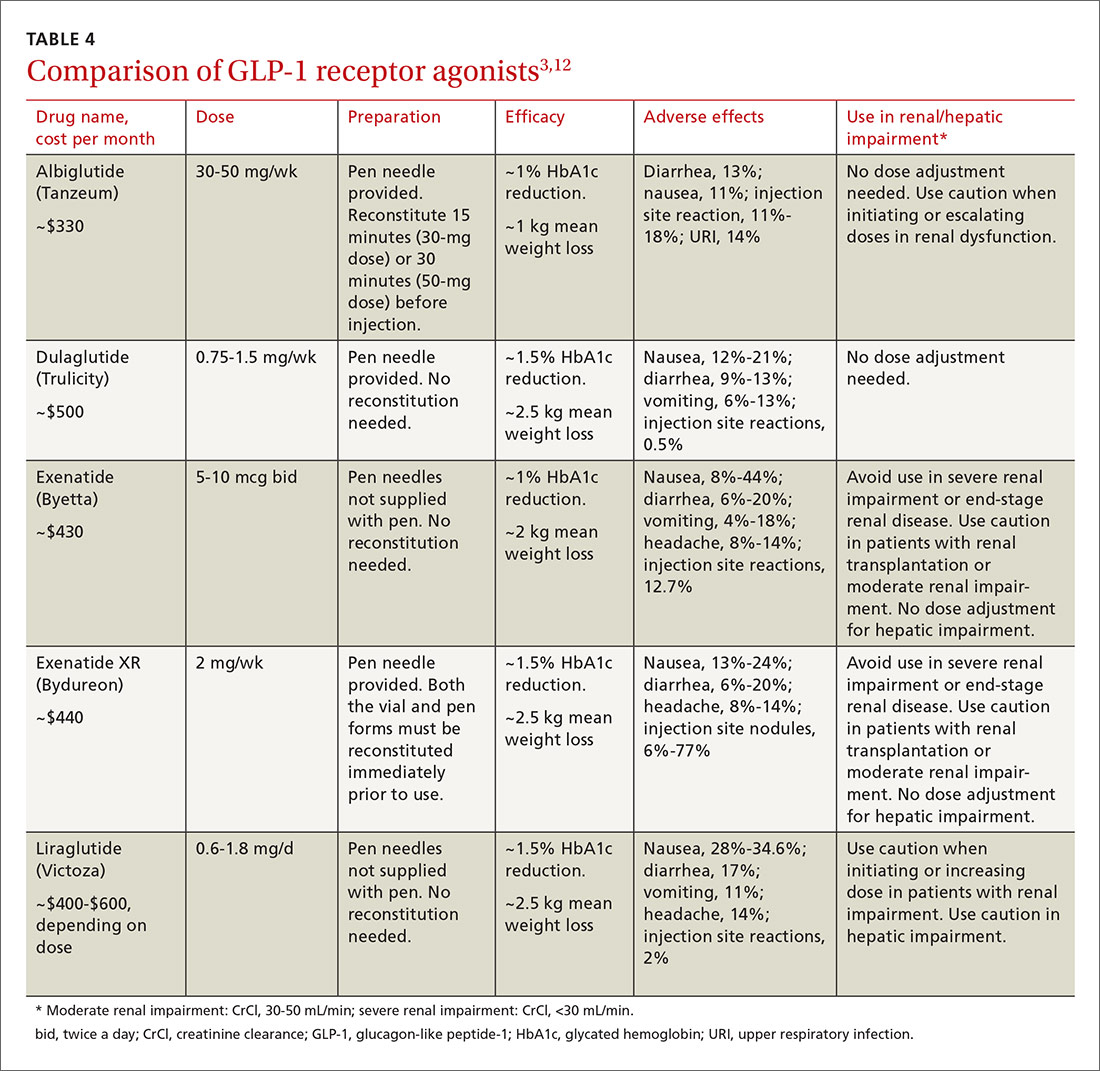
Clinical trials have consistently shown that GLP-1 agonists are highly effective in reducing HbA1c levels in patients with type 2 diabetes. Studies have demonstrated that GLP-1 agonists can lower HbA1c levels by 1-2 percentage points, compared to placebo. Additionally, GLP-1 agonists have been shown to improve insulin sensitivity, reduce fasting glucose levels, and decrease the risk of cardiovascular events.
Weight Loss and Other Benefits
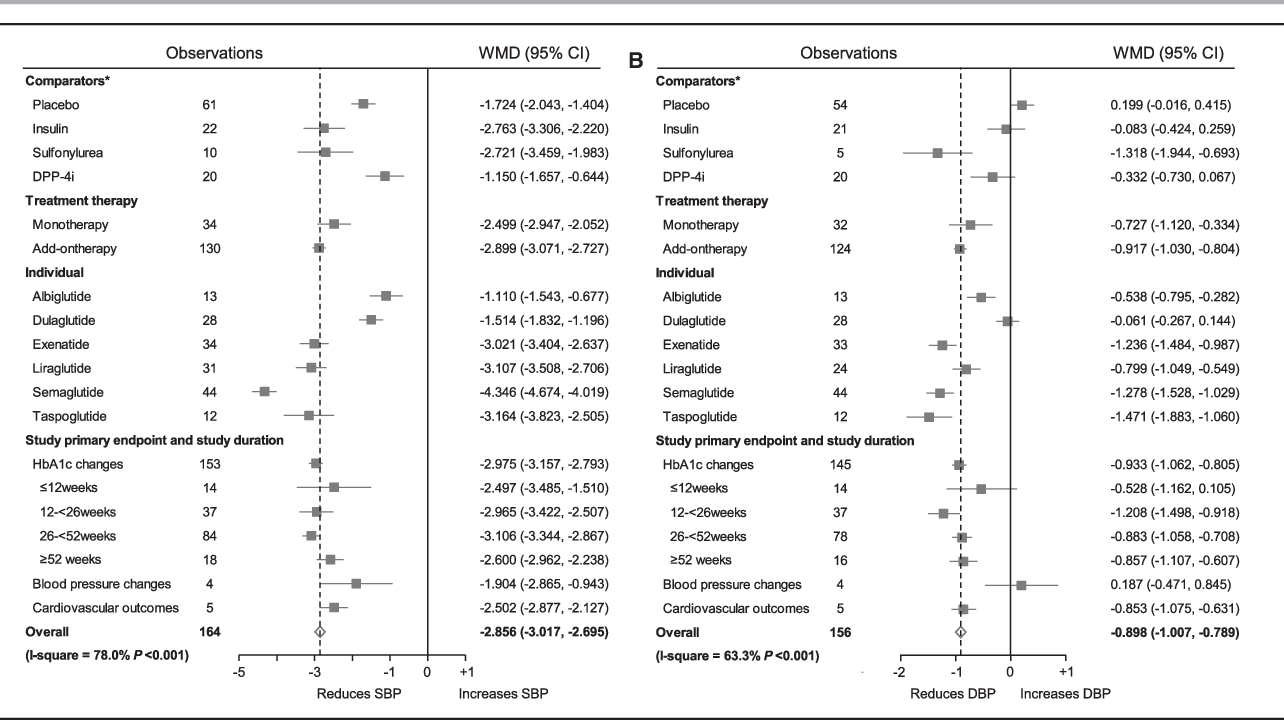
GLP-1 agonists have also been found to promote weight loss, which is a significant benefit for patients with type 2 diabetes. Weight loss can improve insulin sensitivity, reduce blood pressure, and decrease the risk of cardiovascular disease. Some GLP-1 agonists, such as semaglutide (Wegovy), have been specifically approved for the treatment of obesity in adults with a BMI of 30 or higher or those with a BMI of 27 or higher and at least one weight-related condition.
Oral GLP-1 Agonists: A New Frontier
In recent years, the development of oral GLP-1 agonists has opened up new possibilities for patients with type 2 diabetes. Oral GLP-1 agonists, such as semaglutide (Rybelsus), offer a convenient and non-invasive treatment option that can be administered once daily. Oral GLP-1 agonists have been shown to be effective in reducing HbA1c levels and promoting weight loss, with fewer gastrointestinal side effects compared to injectable GLP-1 agonists.
The Future of GLP-1 Agonists: Triple Receptor Agonists
Researchers are exploring the development of triple receptor agonists that target not only GLP-1 but also other hormones, such as glucose-dependent insulinotropic polypeptide (GIP) and glucagon. Triple receptor agonists, such as retatrutide, have shown promising results in clinical trials, demonstrating significant reductions in HbA1c levels and weight loss. These agents have the potential to revolutionize the treatment of type 2 diabetes and obesity.
Conclusion
GLP-1 agonists have emerged as a game-changer in the management of type 2 diabetes, offering a potent treatment option for reducing HbA1c levels and improving glycemic control. With their ability to promote weight loss, improve insulin sensitivity, and decrease the risk of cardiovascular events, GLP-1 agonists are a valuable addition to the treatment arsenal for patients with type 2 diabetes. As research continues to advance, we can expect to see new and improved GLP-1 agonists that will further enhance the treatment of type 2 diabetes and obesity.
Key Takeaways
- GLP-1 agonists are a class of medications that mimic the action of the natural hormone GLP-1.
- GLP-1 agonists have been shown to be highly effective in reducing HbA1c levels in patients with type 2 diabetes.
- GLP-1 agonists promote weight loss, improve insulin sensitivity, and decrease the risk of cardiovascular events.
- Oral GLP-1 agonists offer a convenient and non-invasive treatment option for patients with type 2 diabetes.
- Triple receptor agonists, such as retatrutide, have shown promising results in clinical trials, demonstrating significant reductions in HbA1c levels and weight loss.