Is at-home DNA testing accurate?
The rise of at-home DNA testing has made it easier than ever to explore our genetic makeup and ancestry. But with the convenience of taking a DNA test in the comfort of our own homes comes a crucial question: is at-home DNA testing accurate?
How at-home DNA testing works
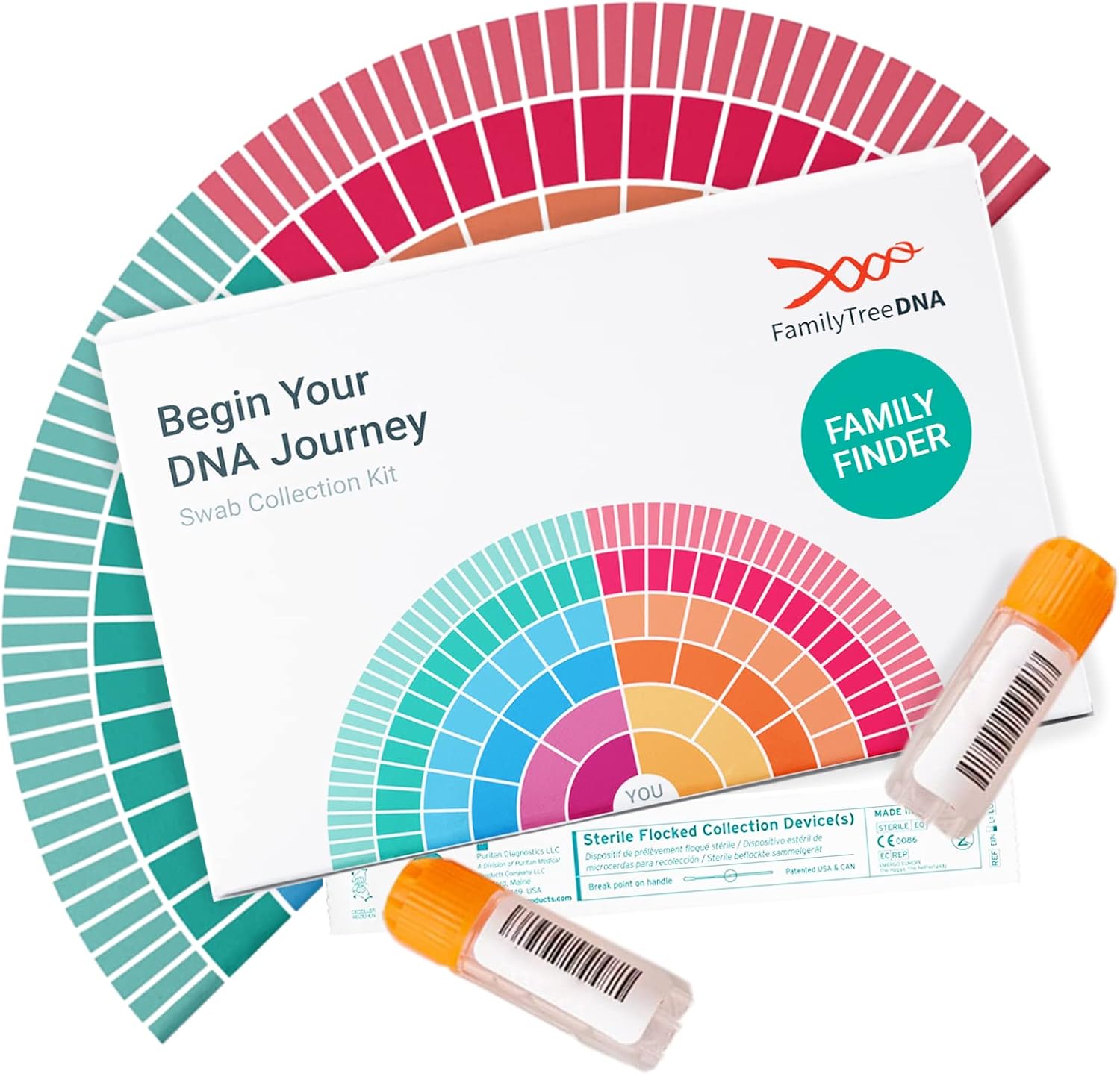
At-home DNA tests use a sample of saliva, blood, or a cheek swab that is collected at home and sent to a private laboratory. The DNA is then extracted from the sample and tested for a limited number of specific genes that may be tied to health risk. Each testing company selects which genes to analyze, and some at-home tests are sold directly to consumers without a physician's referral or medical supervision.
The accuracy of at-home DNA testing relies on the quality of the sample, the testing technology used, and the characteristics of the genes being analyzed. While some at-home DNA tests can provide reliable information about ancestry and family relationships, they are not as accurate as medical DNA tests ordered by a doctor.
The limitations of at-home DNA testing
At-home DNA tests are not clinically validated, meaning they have not been rigorously tested against established medical standards for accuracy and reliability.
The tests often produce false results or inconclusive results due to the complexity of genetics and the limitations of the testing technology.
At-home DNA tests are not suitable for medical diagnosis or treatment, as they do not provide a comprehensive picture of an individual's health or genetic profile.
Experts' opinions on at-home DNA testing
Many experts, including medical professionals and genetic counselors, caution against relying on at-home DNA tests for medical purposes. They emphasize that while at-home DNA testing can be a fun and interesting way to explore ancestry, it is not a substitute for professional medical advice or diagnosis.

Experts also warn that at-home DNA tests can be misleading or incorrect due to their limitations and the lack of medical supervision. They advise consumers to be aware of the test's limitations and not to use the results to make important health decisions.
When to use at-home DNA testing
At-home DNA testing can be a useful tool for:
Exploring ancestry and family relationships
Discovering genetically linked health predispositions
Learning about your pet's breed and ancestry
However, it is essential to use at-home DNA testing judiciously and not to rely on the results for medical diagnoses or treatment. If you have concerns about your health or a specific medical condition, consult a healthcare professional for accurate and reliable information.
Conclusion
In conclusion, while at-home DNA testing can be a fascinating tool for exploring ancestry and learning about your genetic profile, it is essential to understand its limitations and accuracy. Is at-home DNA testing accurate? The answer is yes, to some extent, but it is not a substitute for medical advice or diagnosis. Always consult a healthcare professional for accurate and reliable information about your health and genetic profile.
Remember to use at-home DNA testing for its intended purposes, such as exploring ancestry and learning about genetically linked health predispositions. With a clear understanding of the test's limitations and accuracy, you can make the most of at-home DNA testing and avoid misinterpretation of the results.