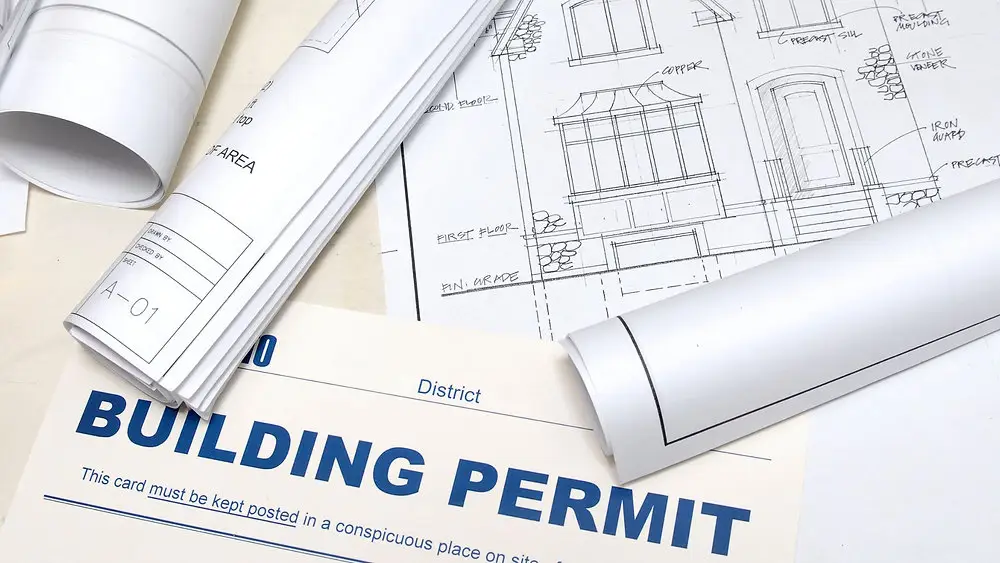
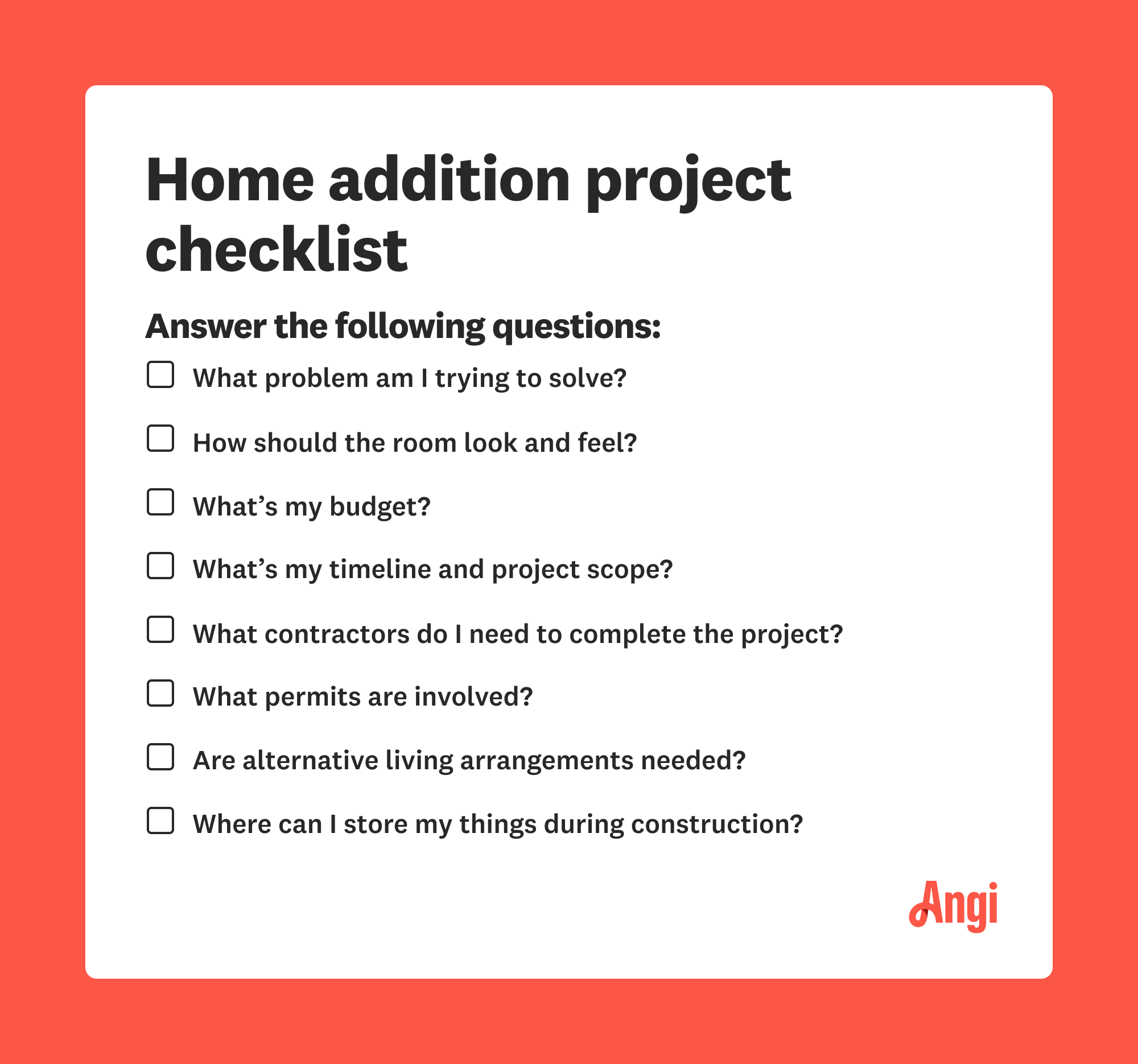
Home Addition Permits and Codes: A Guide to Ensuring Compliance
When it comes to home additions, there are numerous factors to consider. While excitement may revolve around the design and extra space, one critical aspect that homeowners should never overlook is the importance of understanding building codes and obtaining the necessary permits.
What are Home Addition Permits and Codes?
Home addition permits and codes are essential to ensure that your construction work meets safety standards, zoning laws, and building codes. These permits help protect the homeowner, the community, and future occupants by ensuring that all work is done correctly and safely.
Do I Need a Home Addition Permit?
Yes, you will need a home addition permit for any permanent improvement to your land, including home additions. Failure to pull permits may result in fines or have to demolish your home addition.
Types of Permits Required for Home Additions
- Building Permit: Required for all major construction work, including home additions.
- Electrical Permit: Required for any electrical work, including new outlets and lighting.
- Plumbing Permit: Required for any plumbing work, including new fixtures and appliances.
- Mechanical Permit: Required for any HVAC work, including new systems and equipment.
Code Compliance for Home Additions
Code compliance is essential for any home addition project. The Michigan Building Code controls all matters concerning the construction, alteration, addition, repair, removal, demolition, use, location, occupancy, and maintenance of all buildings and structures and their service equipment.
Permit Costs for Home Additions
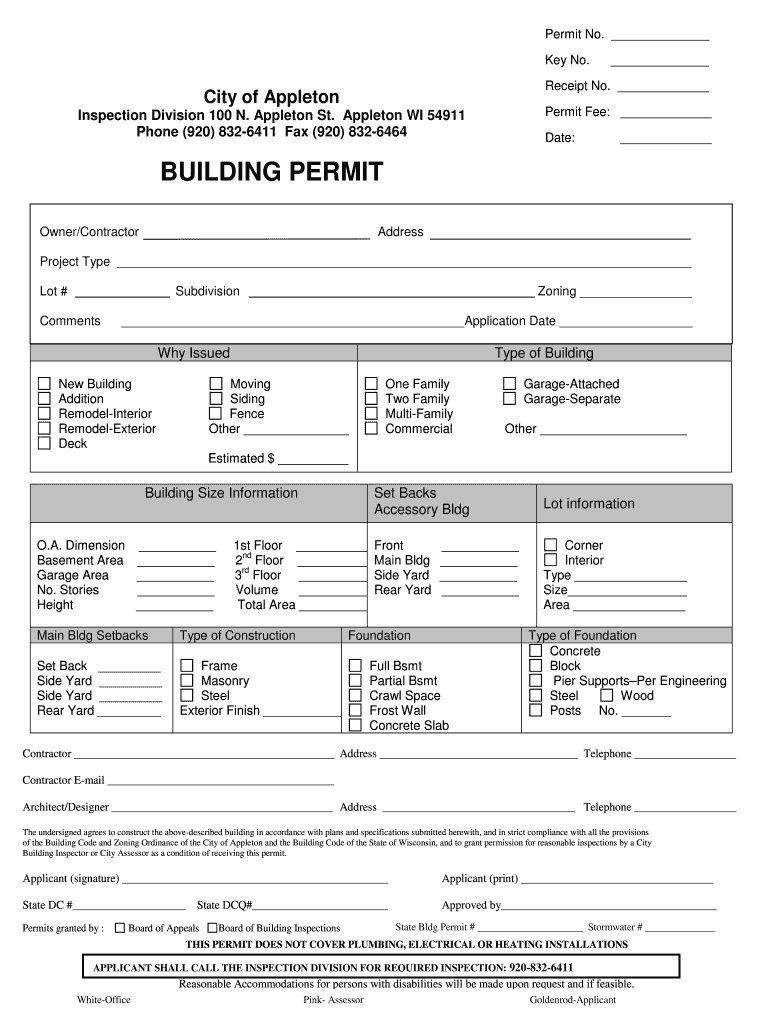
The cost of permits for home additions varies by location, but can range from $500 to $2,000 or more. It's essential to check with your contractor or local building department for specifics on permit costs and requirements.
Why Obtaining Permits is Important
Obtaining proper home addition permits protects your investment and ensures safe, code-compliant construction. Without the proper permits, you may face fines, be forced to undo completed work, or have difficulty selling your home in the future.
Finding Reputable Contractors for Home Additions
When selecting a contractor for your home addition project, it's essential to ensure they are familiar with local building codes and permit requirements. A reputable contractor will guide you through the permitting process and ensure compliance with all necessary regulations.
Resources for Homeowners
As a homeowner, it's essential to stay informed about building codes and permit requirements. Consulting with a building official or contractor can provide valuable insights and help you navigate the permitting process.
Conclusion
Understanding home addition permits and codes is critical to ensuring compliance with local regulations. By knowing what permits are required and staying informed about building codes, homeowners can avoid delays, fines, and headaches during their remodeling project. Whether you're planning a major renovation or a simple addition, it's essential to involve a reputable contractor who is familiar with local building codes and permit requirements.