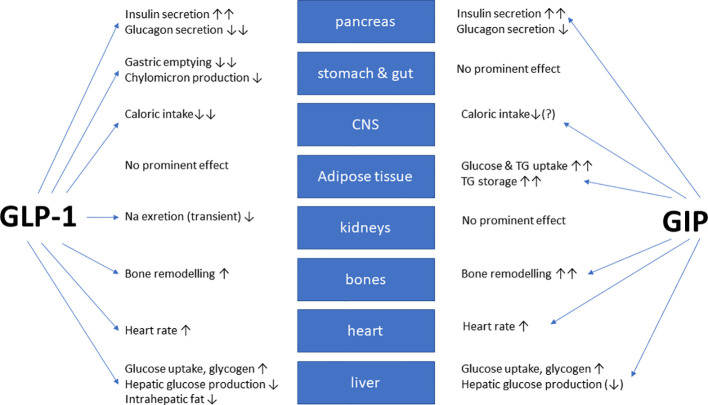
GLP-1 Agonists and Emotional States: A Complex Relationship
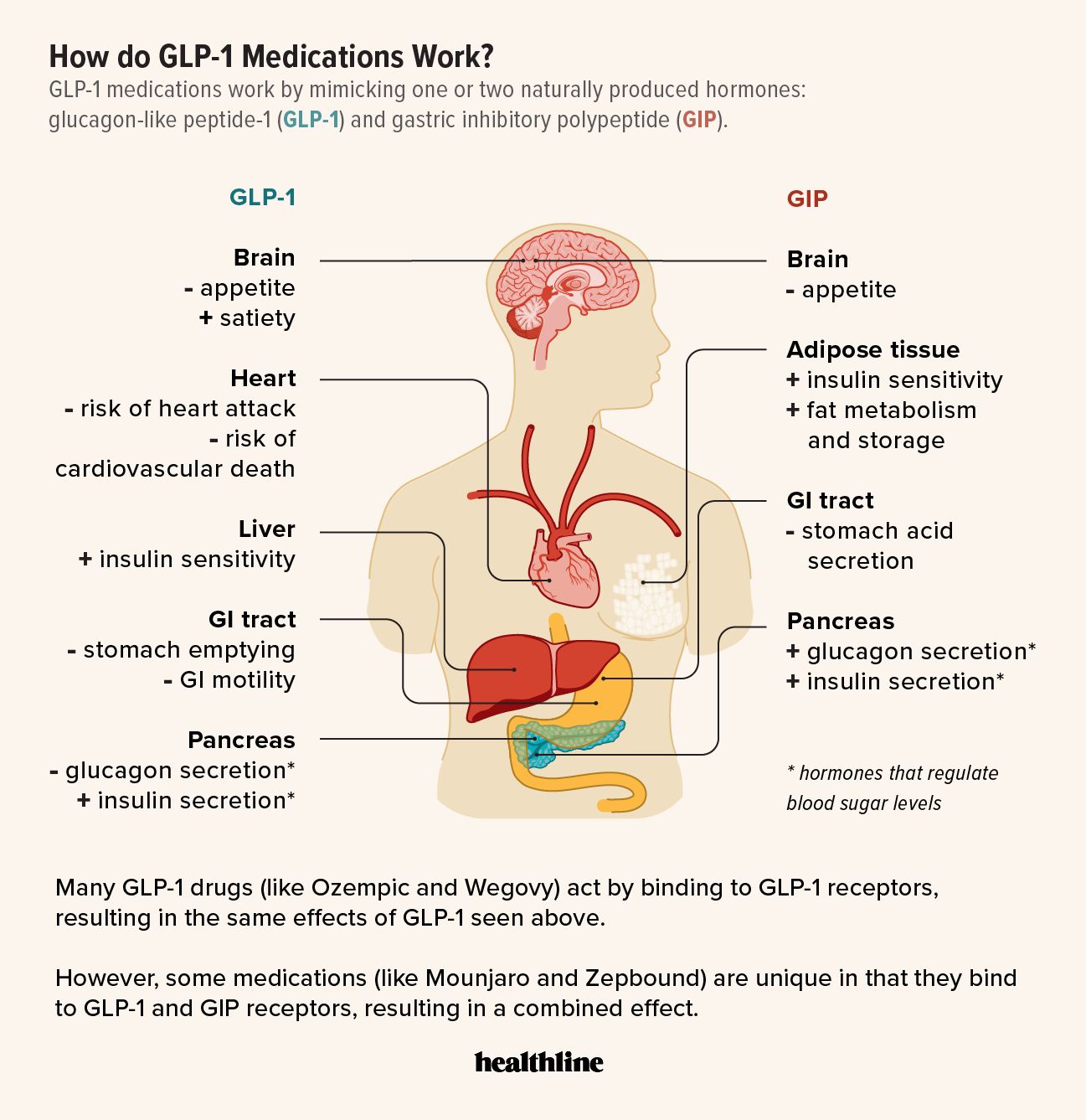
The use of glucagon-like peptide-1 receptor agonists (GLP-1RAs) has been increasingly popular in recent years, primarily due to their effectiveness in managing metabolic disorders such as type 2 diabetes mellitus (T2DM) and obesity. However, beyond their metabolic benefits, GLP-1RAs have been found to exhibit neuroprotective and psychotropic effects, which may influence emotional states and mental health conditions.
GLP-1 Agonists and Mental Health
Studies have shown that GLP-1RAs can produce a range of psychological and psychiatric effects, including clinical depression symptoms, anxiety, and even suicidal thoughts. A recent study found that people with depression and anxiety who used GLP-1 drugs like Ozempic and Wegovy had a 42% lower risk of worsening mental illness. While the exact mechanisms behind these effects are not yet fully understood, emerging evidence suggests that GLP-1RAs may influence both metabolic and psychiatric systems, with potential effects on neuroinflammation, neuroplasticity, and anxiety-related regulation.
The Neuroscience of GLP-1 Agonists
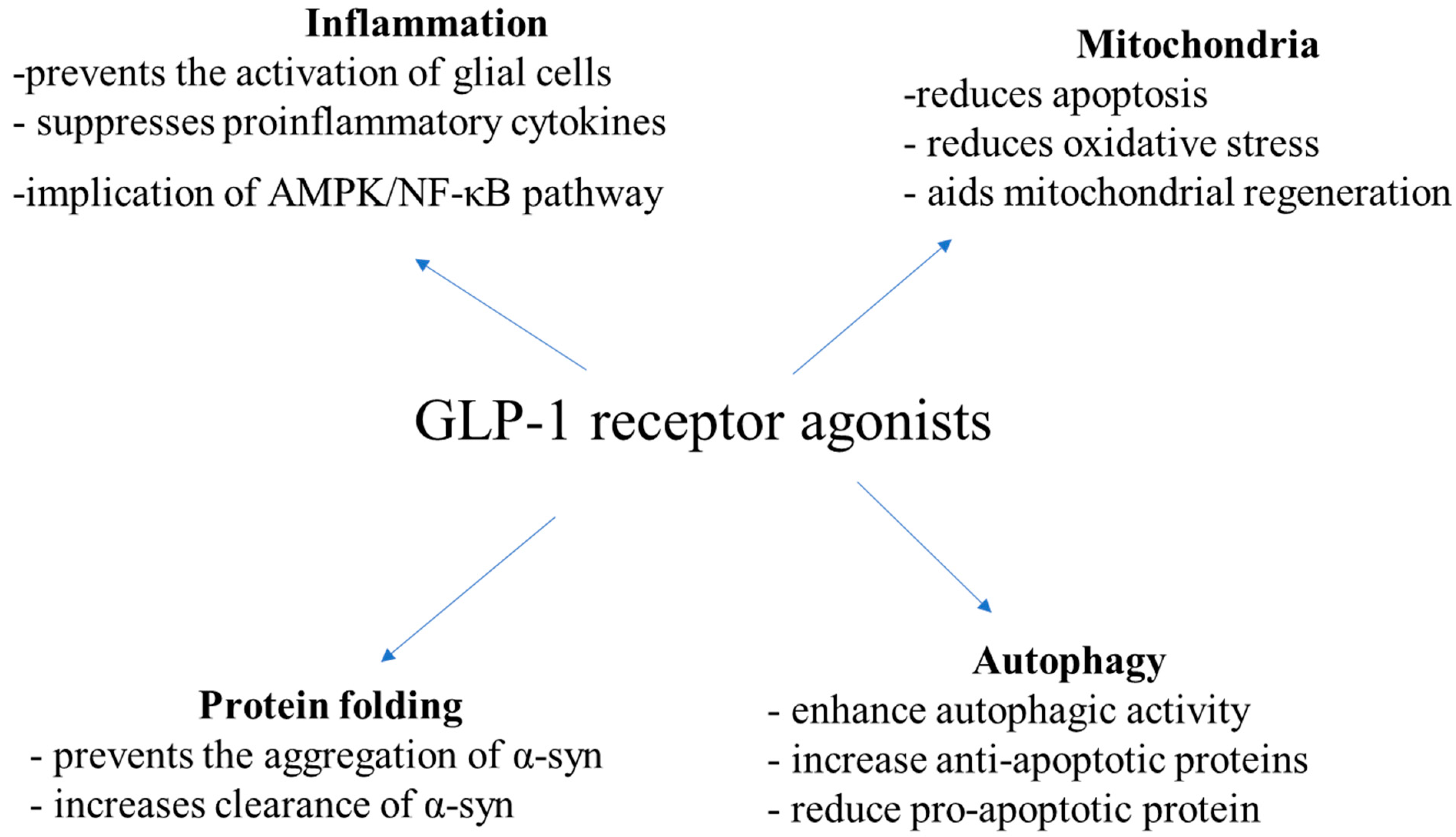
Research suggests that GLP-1RAs may interact with the brain's reward system, which is essential for motivated behavior and emotional regulation. This interaction may contribute to the reported adverse psychological effects, including depression and suicidality. Additionally, GLP-1RAs may also influence neuroplasticity, which is the brain's ability to adapt and change in response to experience. This process is critical for learning and memory, and alterations in neuroplasticity have been linked to various psychiatric conditions, including depression and anxiety.
GLP-1 Agonists and Cognitive Function
GLP-1RAs have also been found to have cognitive-enhancing effects, with some studies suggesting that they may improve memory and executive function in individuals with cognitive impairment. These effects may be attributed to the agonists' ability to promote neural plasticity and protect against neurodegeneration. However, more research is needed to fully understand the relationship between GLP-1RAs and cognitive function.
Exploring the Relationship Between GLP-1 Agonists and Emotional States
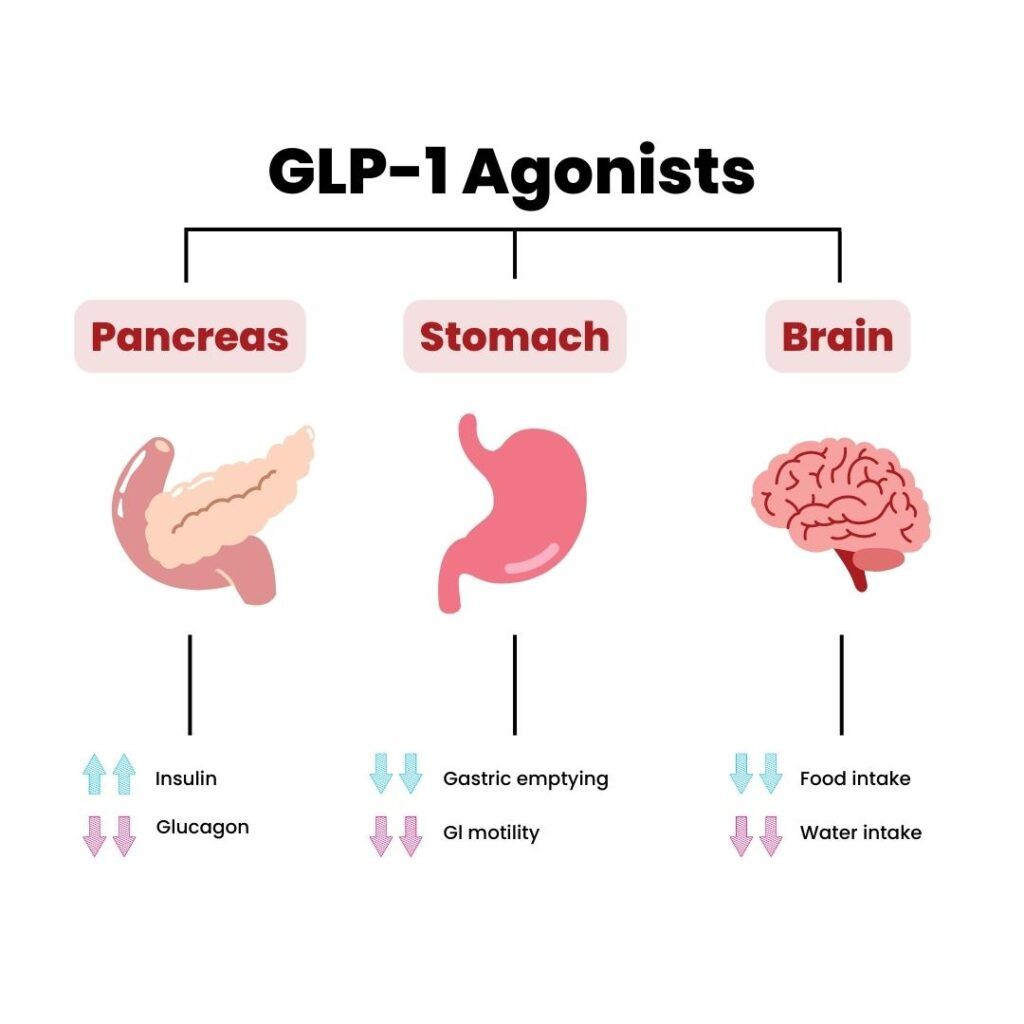
As the demand for GLP-1RAs continues to rise, it is essential to explore the complex relationship between these medications and emotional states. Adverse psychological effects, such as depression and suicidal thoughts, have been reported among patients taking GLP-1RAs. While the exact mechanisms behind these effects are not yet fully understood, emerging evidence suggests that GLP-1RAs may influence both metabolic and psychiatric systems, with potential effects on neuroinflammation, neuroplasticity, and anxiety-related regulation.
Conclusion
The use of GLP-1 agonists has been increasingly popular in recent years, primarily due to their effectiveness in managing metabolic disorders. However, beyond their metabolic benefits, GLP-1RAs have been found to exhibit neuroprotective and psychotropic effects, which may influence emotional states and mental health conditions. It is essential to explore the complex relationship between GLP-1 agonists and emotional states, considering the potential risks and benefits associated with their use.
Key Takeaways
- GLP-1RAs have been found to produce a range of psychological and psychiatric effects, including clinical depression symptoms, anxiety, and suicidal thoughts.
- Emerging evidence suggests that GLP-1RAs may influence both metabolic and psychiatric systems, with potential effects on neuroinflammation, neuroplasticity, and anxiety-related regulation.
- GLP-1RAs may interact with the brain's reward system, contributing to the reported adverse psychological effects.
- GLP-1RAs may also influence neuroplasticity, which is critical for learning and memory, and alterations in neuroplasticity have been linked to various psychiatric conditions.
Recommendations
With the increasing demand for GLP-1RAs and the potential risks associated with their use, it is essential to take a cautious and multidisciplinary approach. Clinicians and researchers should continue to investigate the effects of GLP-1 agonists on emotional states and mental health, considering the potential benefits and risks. Additionally, patients taking GLP-1RAs should be closely monitored for any adverse psychological effects and referred to mental health professionals if necessary.