Unlocking the Secrets of GLP-1 and Glucose Metabolism Improvement
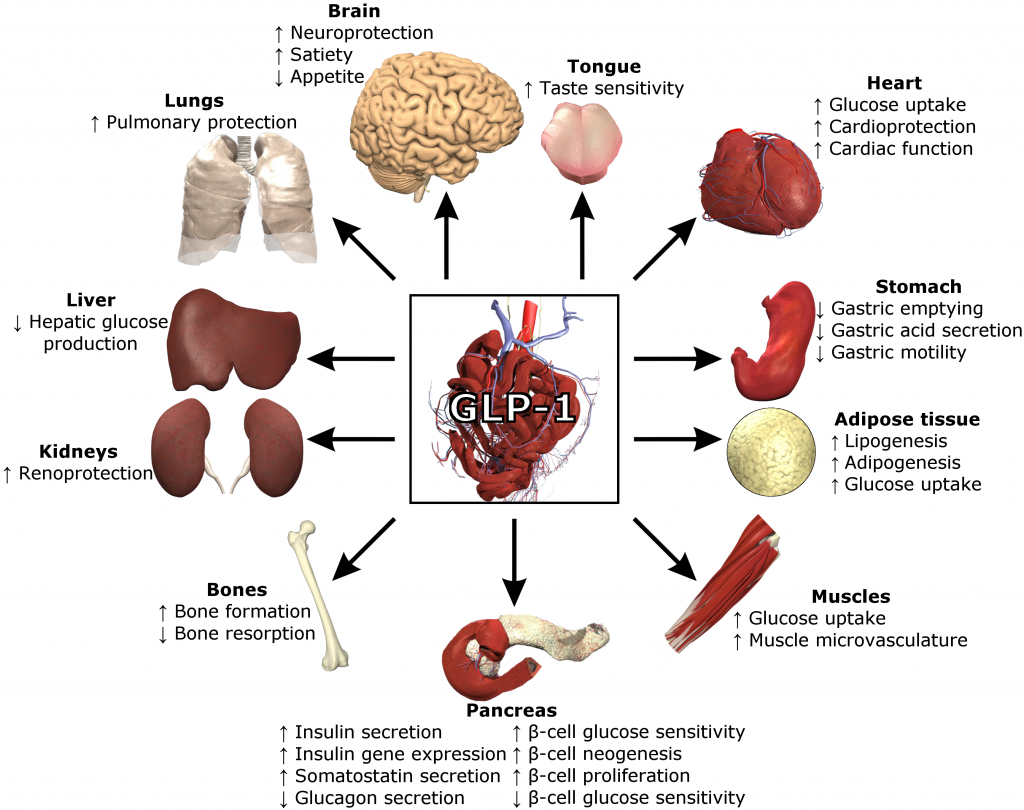
G glucagon-like peptide-1 (GLP-1) is a hormone that plays a crucial role in glucose metabolism, regulating blood glucose levels, lipid metabolism, and several other vital biological functions. The interaction between GLP-1 and glucose metabolism is complex, and understanding its mechanisms can provide valuable insights into the development of new treatments for various metabolic disorders.
GLP-1 and Glucose Metabolism: A Key Relationship
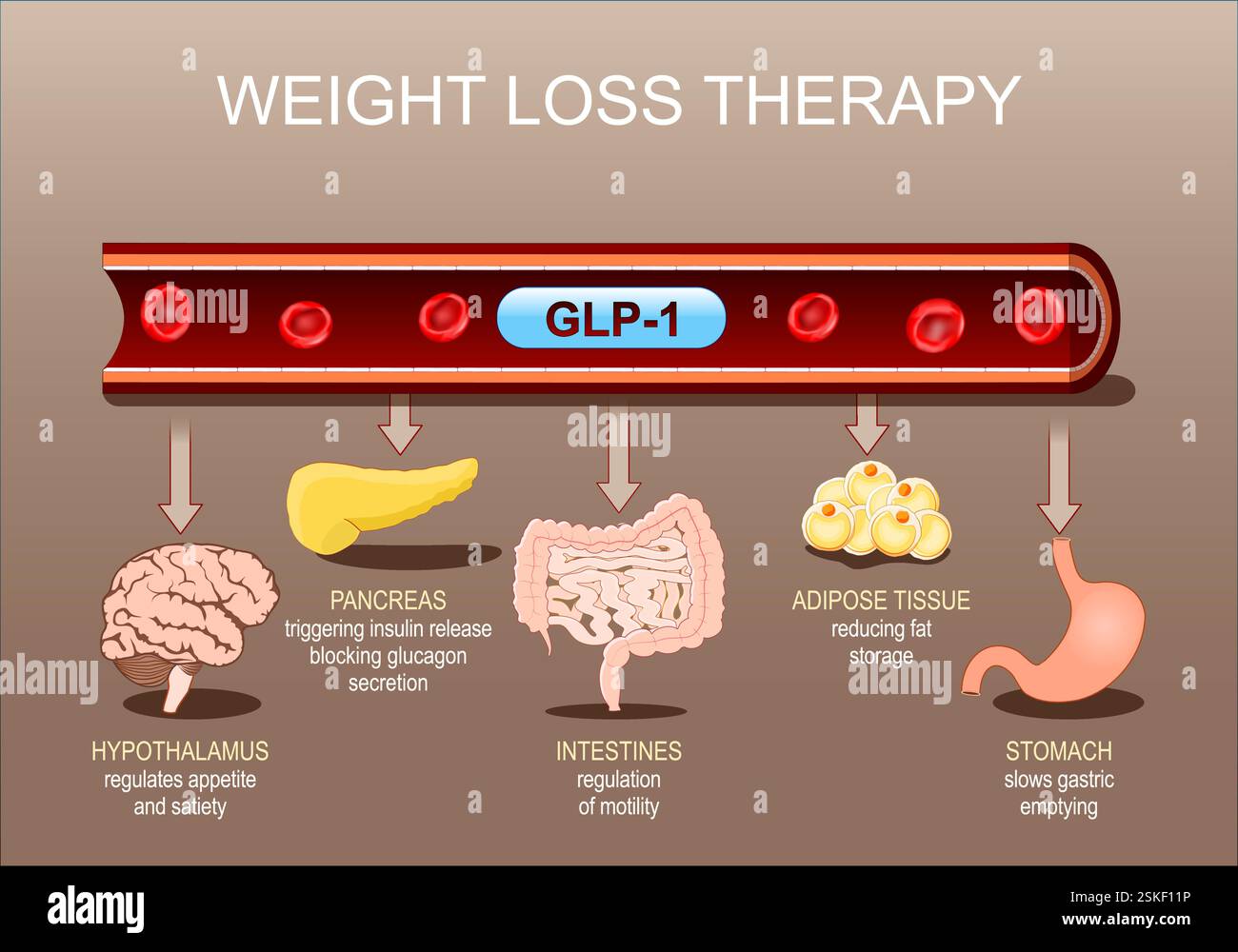
GLP-1, an incretin hormone secreted by intestinal L cells, has been shown to enhance insulin secretion, suppress glucagon release, reduce appetite, and promote weight loss. In addition to its role in glucose homeostasis, GLP-1 exerts direct effects on the nervous system, making it a promising therapeutic target for addressing various chronic diseases, including obesity, metabolic syndrome, and type 2 diabetes mellitus (T2DM).
GLP-1 Receptor Agonists: A Promising Treatment Option
GLP-1 receptor agonists (GLP-1RAs) have emerged as a pivotal treatment option for both obesity and T2DM, demonstrating efficacy in blood glucose management, weight reduction, cardiovascular disease prevention, and kidney health improvement. These medications work by mimicking the action of natural GLP-1, enhancing glucose-dependent insulin secretion, reducing glucagon levels, and suppressing appetite.
Unlocking the Potential of Dual GLP-1/GIP Receptor Agonists
The use of dual GLP-1/GIP receptor agonists seeks to harness the complementary actions of these hormones, addressing some of the limitations seen with monotherapy. This approach has shown promising effects in terms of metabolism, including weight loss and improved glycemic control, without affecting hormonal balance, thus providing potential use as an adjunctive therapy for conditions like Cushing's syndrome.
Exploring the Therapeutic Benefits of GLP-1
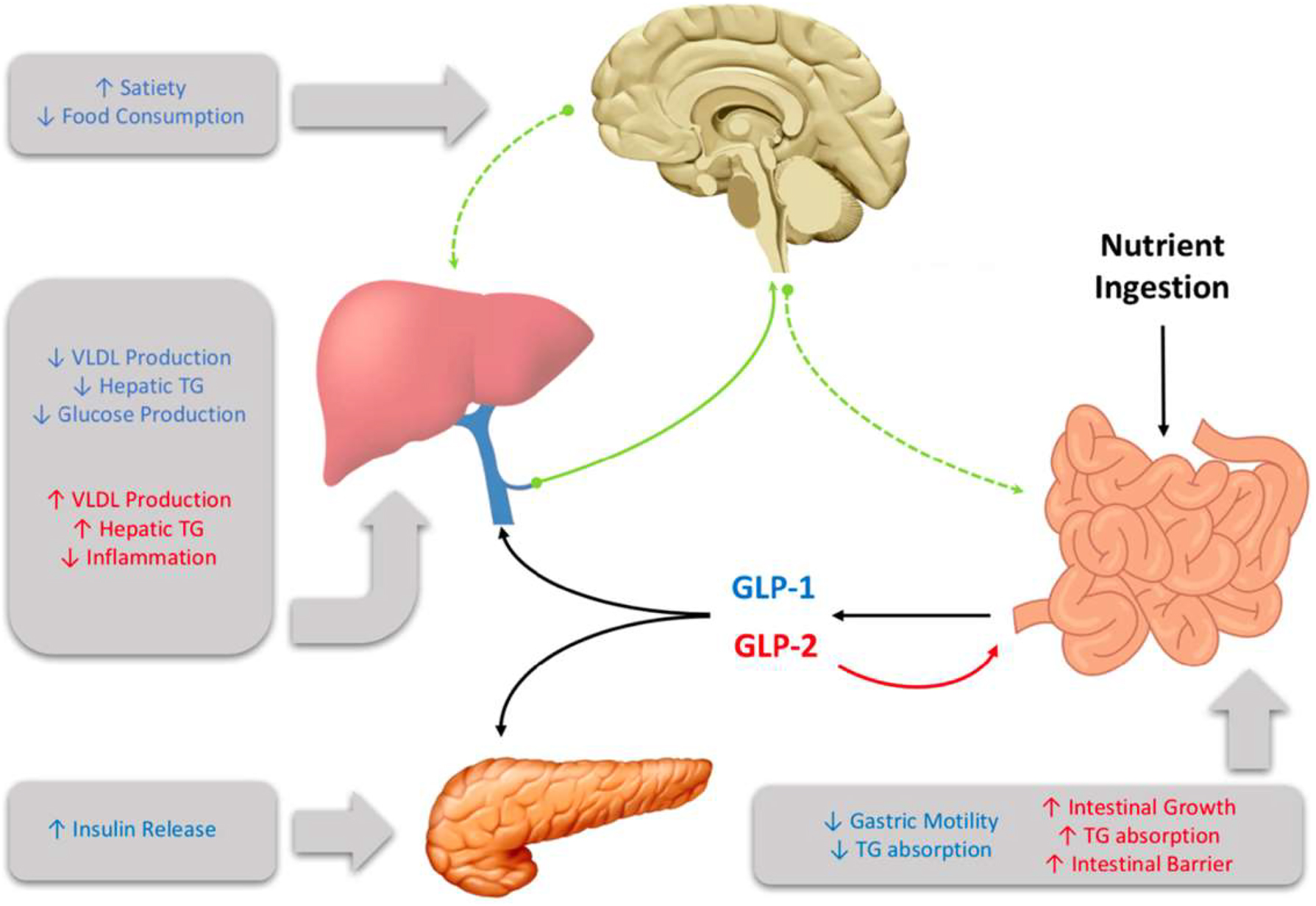
GLP-1 has emerged as a critical therapeutic target for addressing obesity, metabolic syndrome, and T2DM. The development of GLP-1 receptor agonists has expanded beyond diabetes and obesity treatment, displaying vascular and potential mental health benefits. However, the use of GLP-1 therapies has also highlighted the need for personalized care and continued pharmacovigilance as their use grows.
A New Generation of Glucose Metabolism Therapies
The limitations of single-target GLP-1 therapies have prompted the development of multi-receptor agonists that simultaneously activate GLP-1R along with other relevant receptors, such as glucose-dependent insulinotropic polypeptide receptor (GIPR) and glucagon receptor (GCGR). This approach has the potential to offer synergistic effects on weight loss and metabolic improvements.
Conclusion
GLP-1 and glucose metabolism improvement are closely linked, with GLP-1 playing a crucial role in regulating blood glucose levels, lipid metabolism, and several other vital biological functions. The development of GLP-1 receptor agonists has emerged as a promising treatment option for various metabolic disorders, including obesity and T2DM. By understanding the mechanisms of GLP-1 and glucose metabolism, researchers can unlock new therapeutic opportunities for improving metabolic health.
Recommendations for Further Research
- Investigate the role of dual GLP-1/GIP receptor agonists in metabolic disorders.
- Explore the effects of multi-receptor agonists on weight loss and metabolic improvements.
- Examine the potential contributions of probiotics to metabolic health and their impact on GLP-1 levels.
- Assess the long-term effects of GLP-1 receptor agonists on cardiovascular disease prevention and kidney health.