GLP-1 and Meal Planning for Blood Sugar Control: A Comprehensive Guide
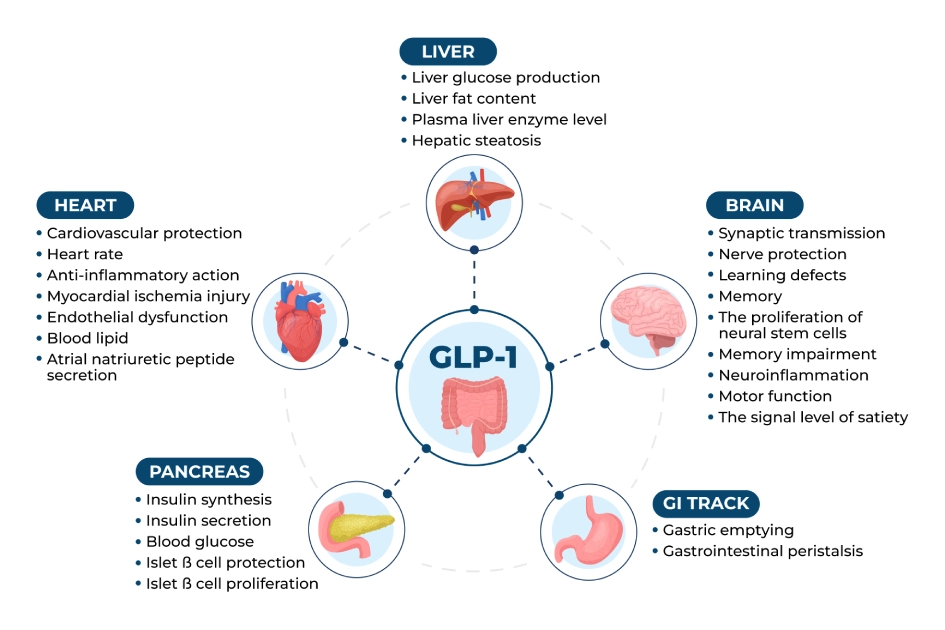
GLP-1 (Glucagon-Like Peptide-1) medications have revolutionized the way we manage blood sugar levels and weight. These medications work by mimicking a natural hormone in the body that regulates hunger and blood sugar, making it easier to feel full and satisfied with smaller portions. However, to maximize the benefits of GLP-1 medications, it's essential to complement them with a well-balanced diet that supports your health goals.
Understanding GLP-1 Medications
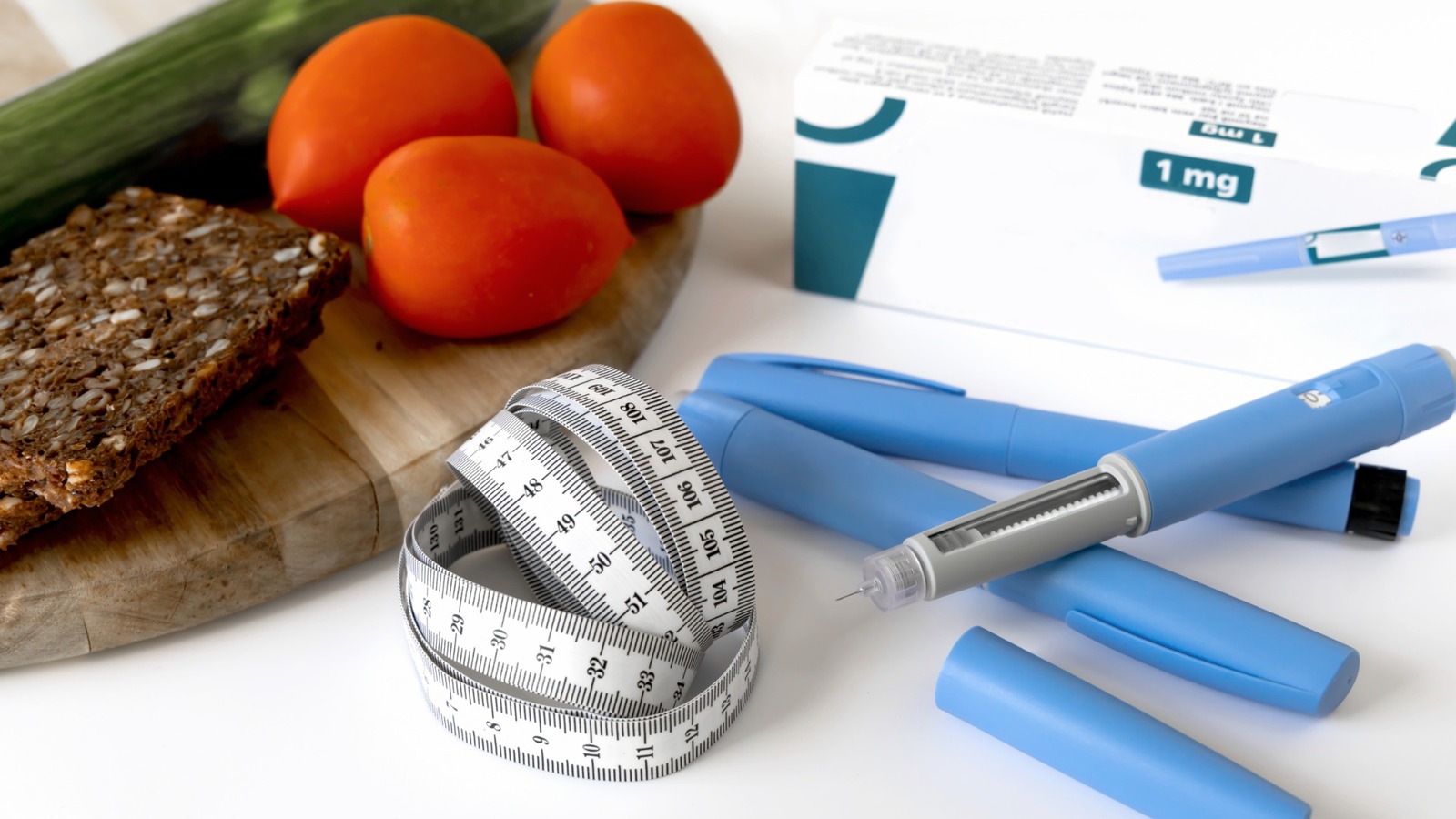
GLP-1 medications, such as semaglutide and tirzepatide, work by slowing down digestion, reducing appetite, and improving blood sugar control. They also have a lower risk of hypoglycemia compared to insulin therapy. However, these medications can cause gastrointestinal side effects like nausea and constipation, which can be managed with a well-planned diet.
Key Takeaways for GLP-1 Meal Planning
- High-protein, low-glycemic foods maximize GLP-1 medication effectiveness.
- Fiber-rich vegetables help prevent common GLP-1 side effects like nausea and constipation.
- Small, frequent meals work better than large portions when on GLP-1 therapy.
- Hydration and meal timing significantly impact treatment success and comfort.
General Dietary Recommendations
When planning your meals, focus on the following:
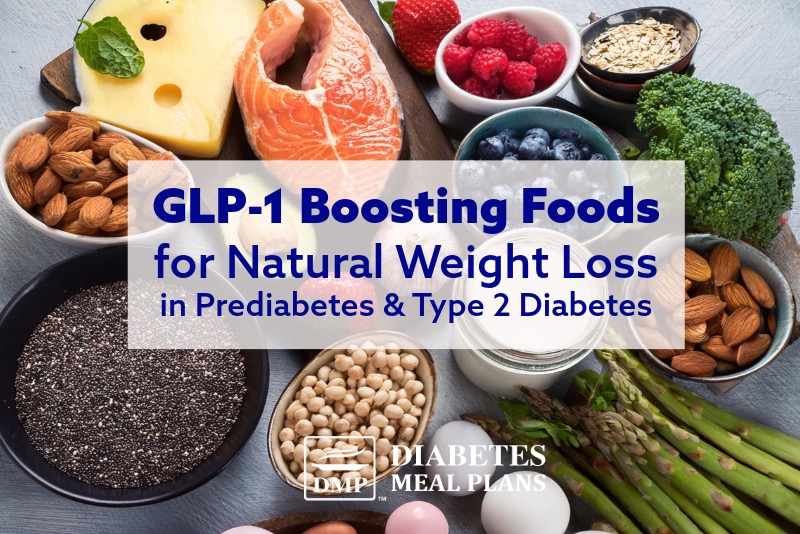
- Include high-fiber foods to keep you feeling full longer and aid in blood sugar control.
- Choose lean proteins, healthy fats, and fiber-rich carbohydrates to support stable energy levels and avoid blood sugar spikes.
- Pair high-glycemic carbs with protein and fat to slow digestion and improve blood sugar control.
- Avoid sugary snacks, sodas, and desserts that can cause blood sugar spikes.
- Limit ultra-processed foods that lack essential nutrients and may contribute to weight gain or nutrient deficiencies.
Meal Planning Strategies

Here are some meal planning strategies to help you make the most of your GLP-1 medication:
- Use the plate method to build meals that include protein, fiber-rich carbohydrates, and unsaturated fats.
- Choose small, frequent meals to manage hunger and blood sugar levels.
- Drink plenty of water throughout the day to stay hydrated and support treatment success.
- Consider working with a health coach or registered dietitian to develop a personalized meal plan.
GLP-1-Friendly Meal Plan
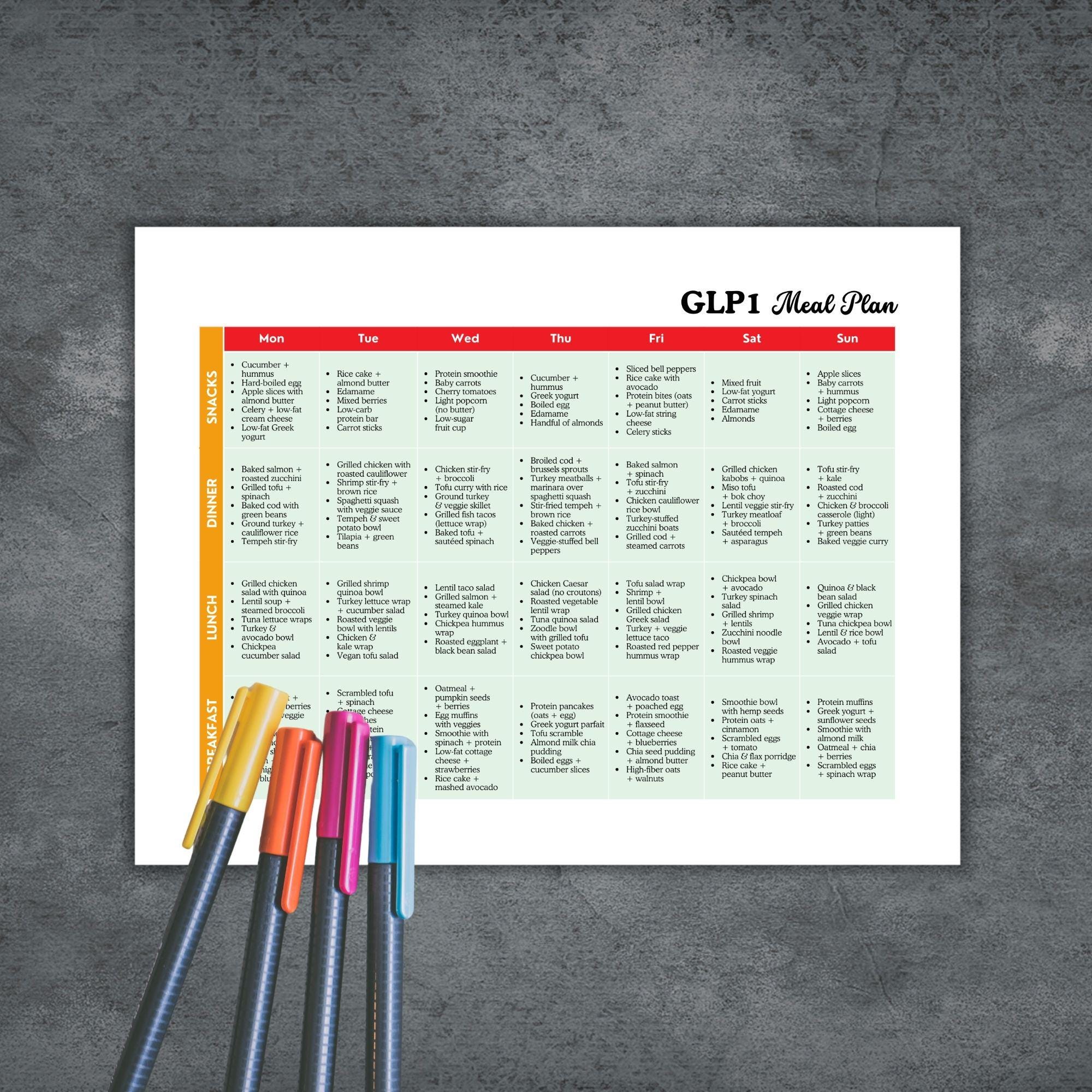
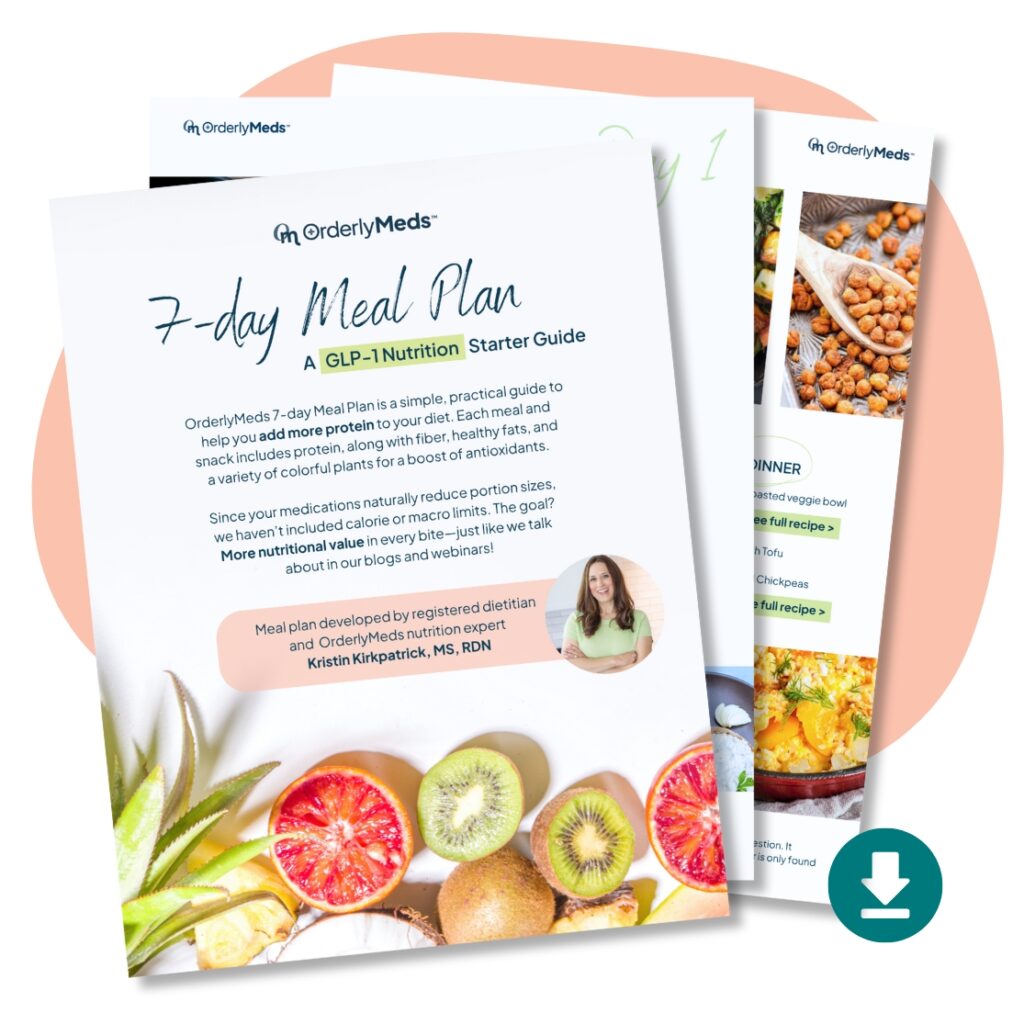
Here's a sample 7-day meal plan that incorporates GLP-1-friendly foods and strategies:
- Monday: Grilled chicken with quinoa, steamed broccoli, and a drizzle of olive oil.
- Tuesday: Lentil soup with lean turkey and a side of mixed greens salad.
- Wednesday: Baked salmon with roasted vegetables and a side of brown rice.
- Thursday: Turkey and avocado wrap with a side of carrot sticks.
- Friday: Grilled chicken with roasted sweet potatoes and a side of green beans.
- Saturday: Omelette with vegetables and whole wheat toast.
- Sunday: Grilled chicken with quinoa and steamed asparagus.
Conclusion
GLP-1 medications offer a powerful tool for managing blood sugar levels and weight. By combining these medications with a well-planned diet and lifestyle, you can maximize their benefits and achieve your health goals. Remember to focus on high-protein, low-glycemic foods, fiber-rich vegetables, and small, frequent meals to support treatment success and comfort.
Additional Resources
For more information on GLP-1 medications and meal planning, consult with your healthcare provider or a registered dietitian. You can also explore online resources, such as the GLP-1 Activation System, which provides a comprehensive guide to GLP-1-friendly foods and meal strategies.