Revolutionizing Obesity Treatment: The Synergy of GLP-1 and Mindful Eating
Obesity has become a pressing global health concern, with millions of people struggling to manage their weight and improve their metabolic health. The advent of GLP-1 (Glucagon-like peptide-1) receptor agonists and combination medications has shifted the treatment landscape for obesity, providing a new hope for those affected. However, the efficacy of these medications relies heavily on concomitant nutritional and lifestyle interventions. In this article, we explore the importance of mindful eating in optimizing GLP-1 therapy for obesity, and how patients can achieve sustainable weight loss and overall health benefits.
Understanding GLP-1 and Its Role in Obesity
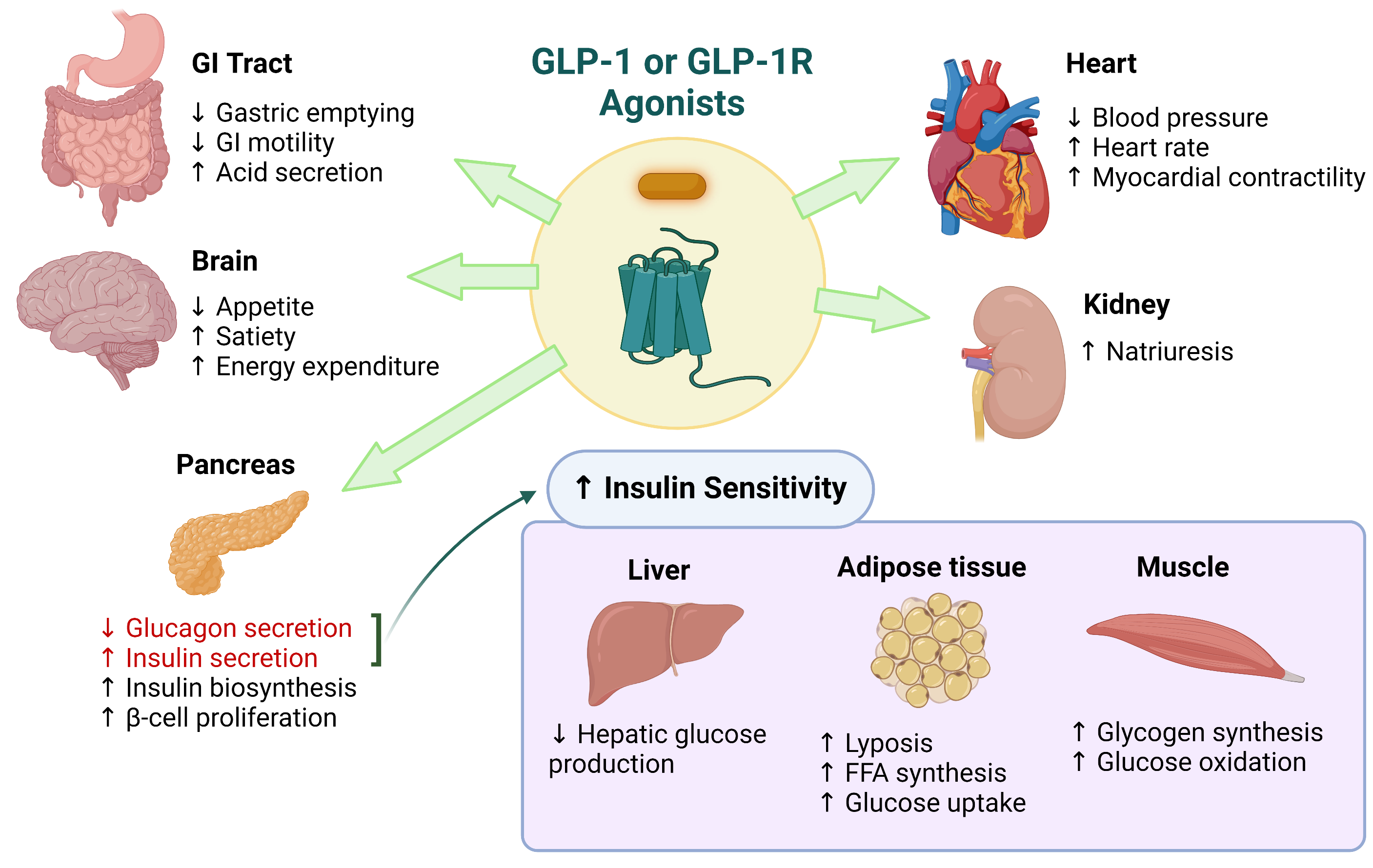
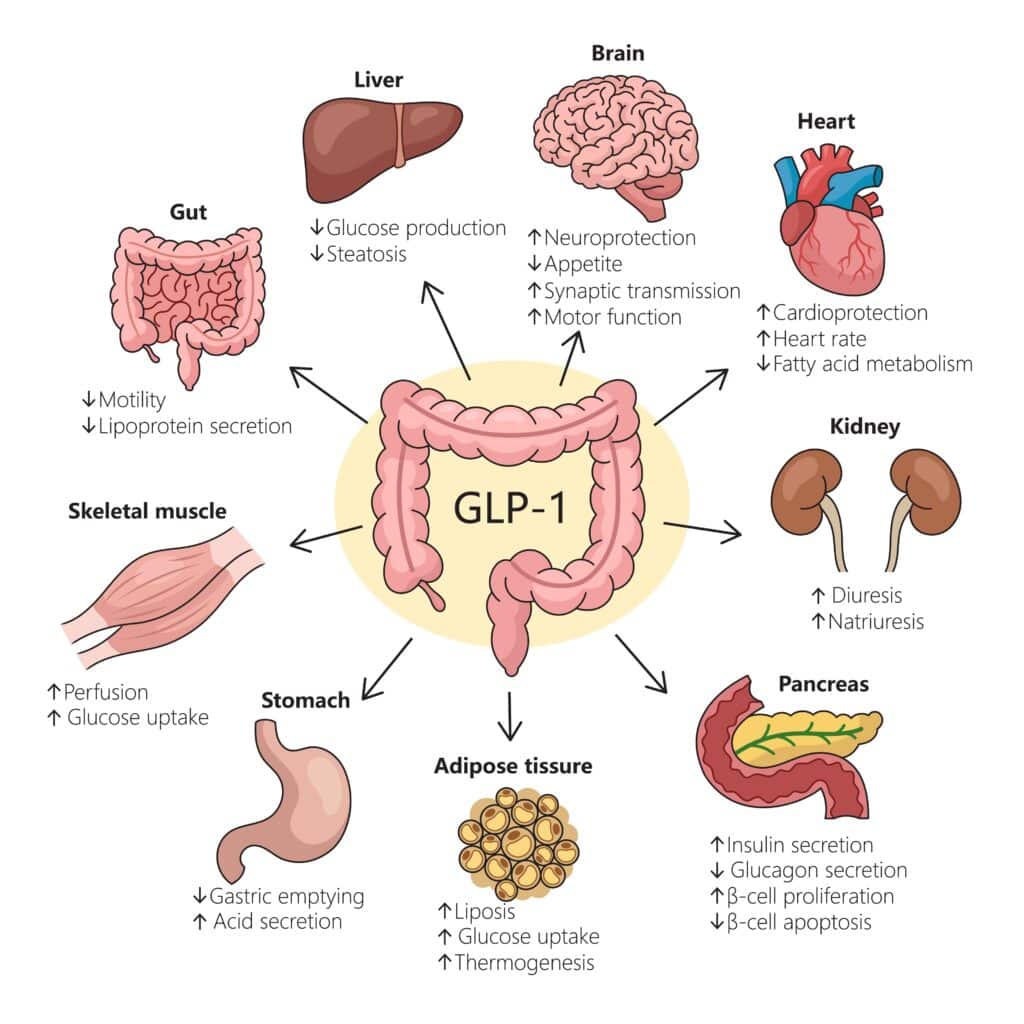
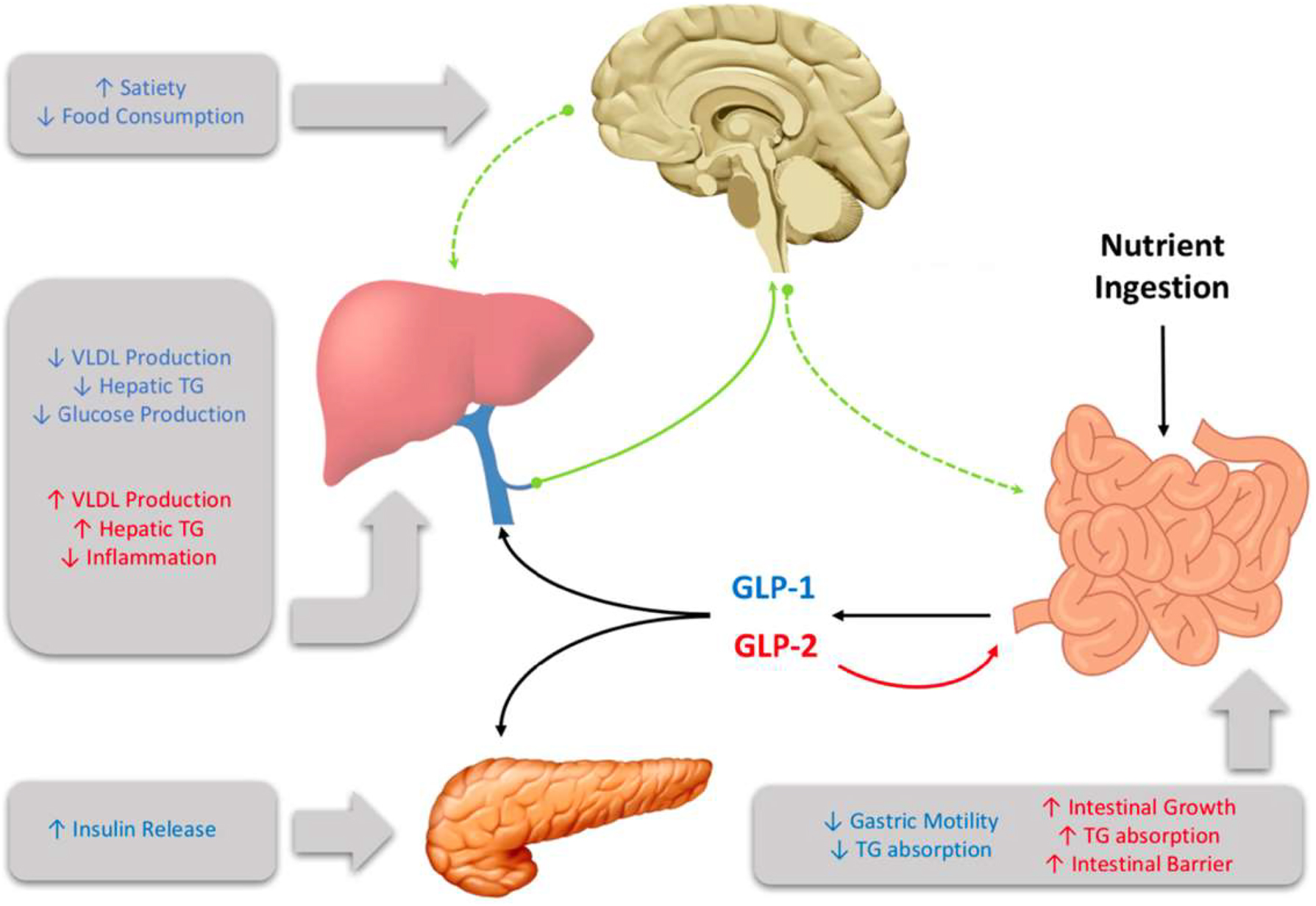
GLP-1 is a hormone produced in the intestines after eating, which plays a crucial role in regulating blood sugar levels and appetite. Receptor agonists and combination medications designed to mimic the action of GLP-1 have been shown to effectively manage type 2 diabetes and obesity. By stimulating insulin production and inhibiting glucagon release, GLP-1 medications help individuals feel full longer after eating smaller portions, reducing the risk of weight regain.
The Importance of Mindful Eating for GLP-1 Therapy
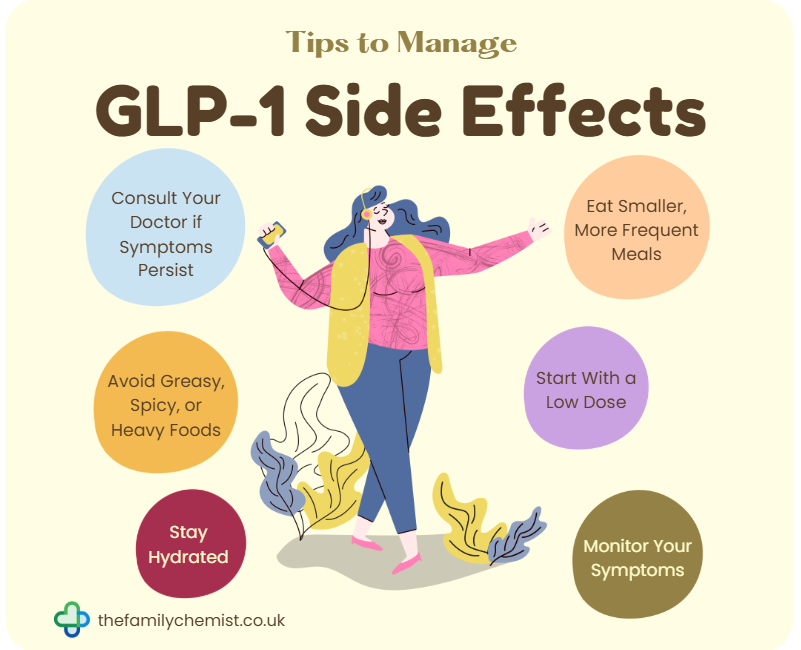
Mindful eating is a concept that involves becoming more aware of one's eating habits, paying attention to the physical and emotional sensations associated with food consumption. For individuals taking GLP-1 medications, developing mindful eating habits can significantly enhance treatment outcomes. By eating smaller, more frequent meals, and paying attention to hunger and fullness cues, patients can optimize the effectiveness of GLP-1 therapy. Mindful eating also promotes a healthier relationship with food, reducing the risk of overeating and promoting sustainable weight loss.
Nutritional Priorities for GLP-1 Therapy
Hydration: Drinking plenty of water throughout the day can help suppress appetite and support weight loss.
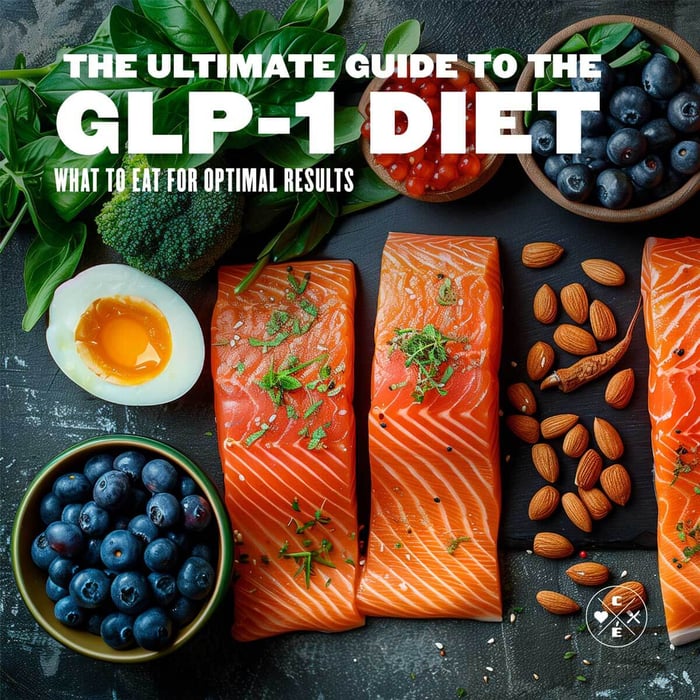
Protein-intake: Incorporating protein-rich foods into meals and snacks can help regulate hunger and support satiety.
Fiber-rich foods: Consuming foods high in fiber, such as fruits, vegetables, and whole grains, can help promote satiety and support weight loss.
Portion control: Eating smaller, more frequent meals can help regulate hunger and support weight loss.
Meal timing: Eating regular meals and avoiding skipped meals can help regulate hunger and support weight loss.
Strategies for Success: Combining GLP-1 Therapy with Mindful Eating
Monitor and adjust medication doses: Work with your healthcare provider to determine the optimal medication dose and adjust as needed.
Establish a balanced eating plan: Focus on whole, nutrient-dense foods and incorporate mindful eating strategies to promote satiety and support weight loss.
Stay hydrated: Drink plenty of water throughout the day to help suppress appetite and support weight loss.
Regular exercise: Engage in regular physical activity, such as walking, to promote weight loss and improve overall health.
Support system: Surround yourself with a supportive network of family and friends, and consider joining a weight loss group to stay motivated and accountable.
Conclusion
GLP-1 and mindful eating offer a powerful synergy for obesity treatment, allowing individuals to achieve sustainable weight loss and improve their overall health. By understanding the role of GLP-1 in regulating appetite and metabolism, and incorporating mindful eating strategies into their treatment plan, patients can optimize the effectiveness of these medications and enhance their overall health benefits. Remember, weight loss and obesity treatment are complex and multifaceted, and a comprehensive approach that combines GLP-1 therapy with mindful eating and regular exercise is key to achieving lasting success.