Adapting to Changing Demographics: Navigating the Future of Work and Society
The world is undergoing a significant shift in demographics, with populations aging, urbanizing, and migrating at an unprecedented rate. This transforming demographic landscape poses both challenges and opportunities for businesses, governments, and individuals. As the global population surpasses eight billion people, it's essential to understand the implications of these changes and adapt to a new era of demographics.The Power of Adapting to Changing Demographics
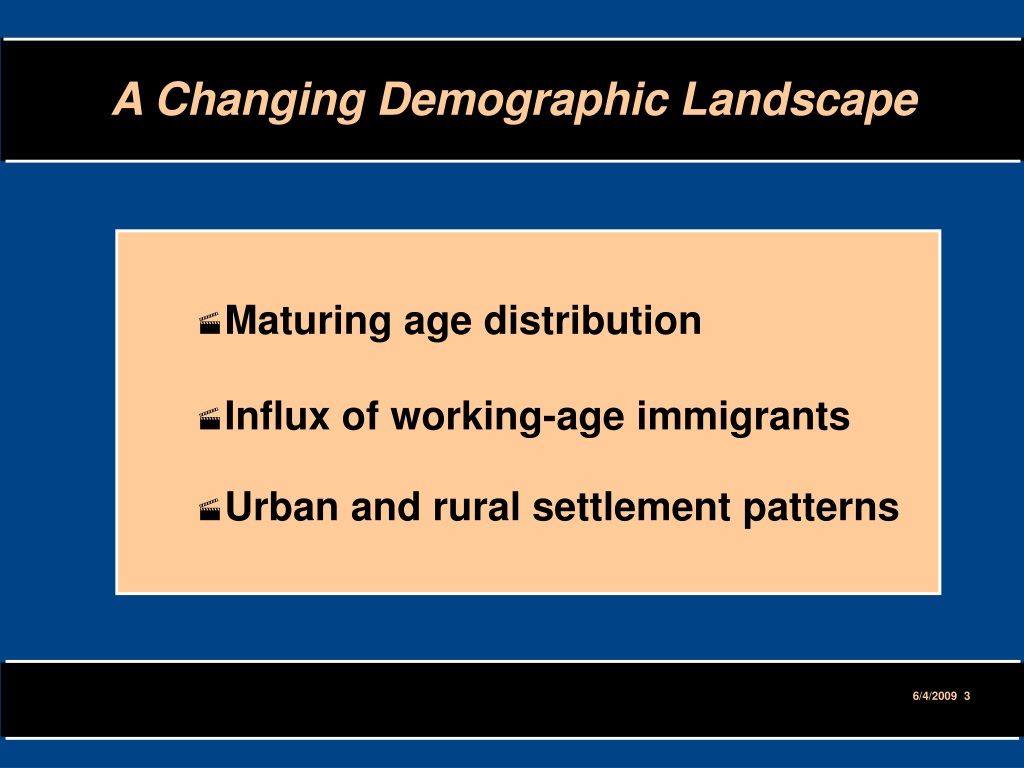
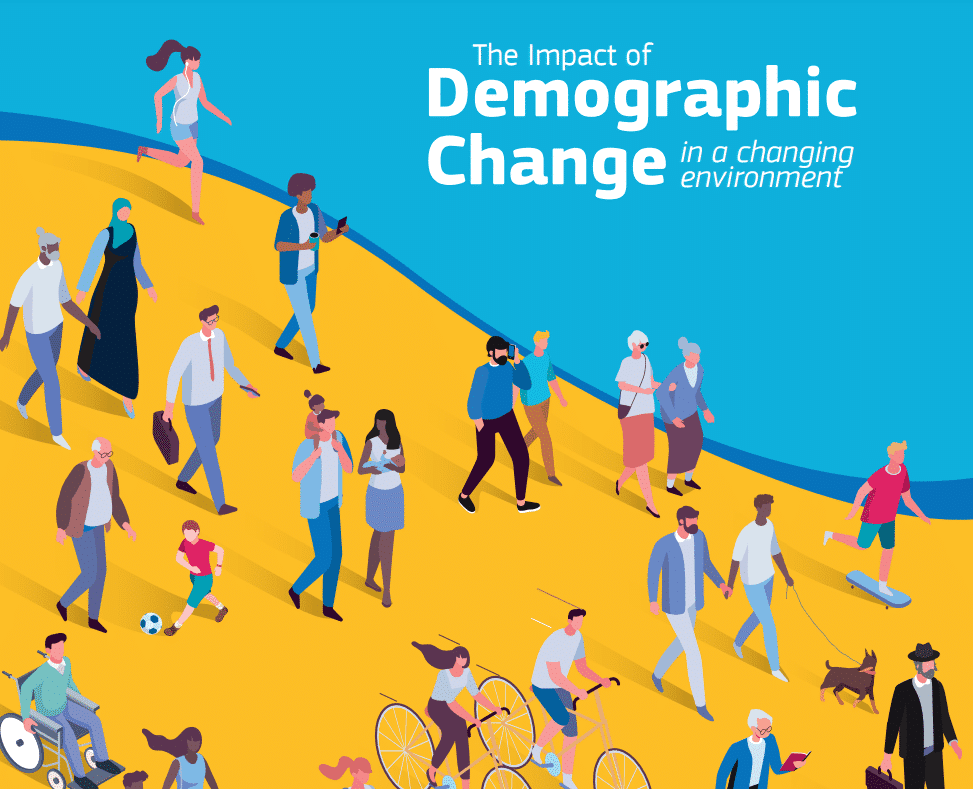
Demographic shifts are reshaping society in profound ways, driven by changes in population aging, urbanization, migration, and family dynamics. As the population ages, healthcare systems face new challenges, while urbanization shifts economic power to cities. Migration is redefining cultural identity, and changing family dynamics are unfolding. Education systems are facing new challenges, and women's roles in the workforce are evolving.Key Demographic Trends
* **Aging Population**: As people live longer and retire later, businesses must adapt to the needs of an older workforce. * **Urbanization**: Cities are driving economic growth, but also pose challenges for urban planning and resource management. * **Migration**: Global migration patterns are changing cultural identity and demographics, presenting opportunities for economic growth and cultural exchange. * **Changing Family Dynamics**: Shifts in family structures and roles are impacting education, healthcare, and workforce participation.Adapting to Demographic Change: Strategies for Success