How to Search American Trademarks by Class Number
When it comes to registering a trademark in the United States, it's essential to conduct a thorough search to ensure that your mark is available for registration and doesn't conflict with any existing trademarks. One crucial step in this process is searching for trademarks by class number. In this article, we'll explore the importance of searching American trademarks by class number and provide a step-by-step guide on how to do it.
Why Search American Trademarks by Class Number?
Before applying for a trademark registration, you need to search the United States Patent and Trademark Office (USPTO) database to ensure that your trademark is available for registration. This search is also crucial to prevent any potential conflicts with existing trademarks. Searching by class number helps you identify trademarks that may be similar to yours and provides valuable insights into the landscape of trademarks in your industry.
How to Search American Trademarks by Class Number
To search American trademarks by class number, you can use the USPTO's searchable database, which can be accessed online. Here's a step-by-step guide on how to do it:
- Visit the USPTO's website and navigate to the trademark search database.
- Click on the "Search" button and select "Trademark" as the search type.
- Enter the trademark class number you're interested in searching (e.g., 036 for Insurance and Financial Services).
- Click on the "Search" button to retrieve a list of trademarks that match the class number you entered.
- Review the search results to see if any trademarks are similar to yours or may conflict with your mark.
Understanding Trademark Classes

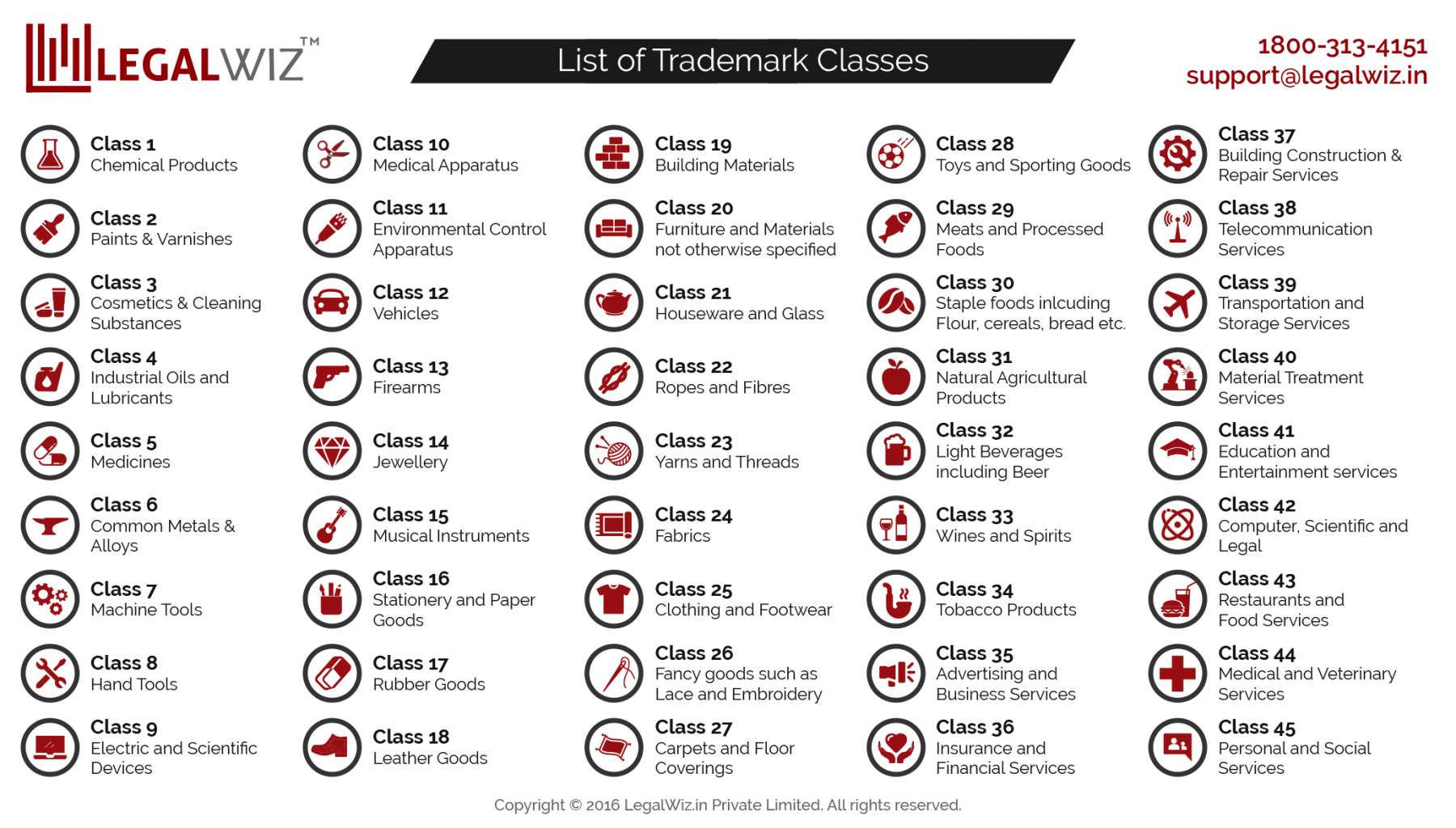
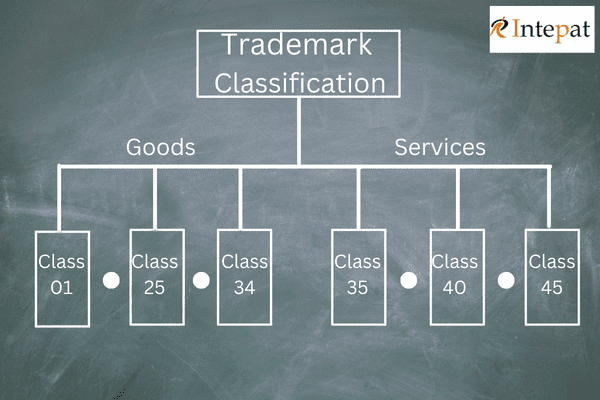
Trademarks are categorized into 45 different classes, which are divided into 34 classes for goods and 11 classes for services. Each class has a unique number and description of the type of goods or services it covers. Here's a list of the 45 trademark classes:
- Class 1: Chemicals used in industry, science, and photography
- Class 2: Paints, varnishes, lacquers
- Class 3: Bleaching preparations and other substances for laundry use
- Class 4: Industrial oils and greases
- Class 5: Pharmaceuticals
- Class 6: Common metals and their alloys
- Class 7: Machinery
- Class 8: Hand tools and implements
- Class 9: Scientific and technological services
- Class 10: Surgical, medical, and veterinary services
- Class 11: Environmental control apparatus
- Class 12: Vehicles
- Class 13: Building materials
- Class 14: Precious metals and their alloys
- Class 15: Musical instruments
- Class 16: Paper goods and printed matter
- Class 17: Rubber, gutta-percha, and plastics
- Class 18: Leather and leather goods
- Class 19: Non-metallic building materials
- Class 20: Furniture, bedding, and household items
- Class 21: Kitchen utensils and containers
- Class 22: Kitchen glassware and tableware
- Class 23: Yarns and threads
- Class 24: Textiles
- Class 25: Clothing and footwear
- Class 26: Rugs and mats
- Class 27: Lace and braid
- Class 28: Games and playthings
- Class 29: Meat, fish, and poultry
- Class 30: Staple foods
- Class 31: Produce and agricultural products
- Class 32: Beers, wines, and spirits
- Class 33: Confectionery, chocolate, and ice cream
- Class 34: Smokers' articles
- Class 35: Advertising and business services
- Class 36: Insurance and financial services
- Class 37: Construction and repair services
- Class 38: Telecommunications services
- Class 39: Transportation services
- Class 40: Computer software and services
- Class 41: Education and entertainment services
- Class 42: Computer and scientific services
- Class 43: Hotel, restaurant, and food services
- Class 44: Medical and veterinary services
- Class 45: Legal services
Conclusion
Searching American trademarks by class number is a crucial step in the trademark registration process. By using the USPTO's searchable database, you can identify potential conflicts and ensure that your trademark is available for registration. Understanding the 45 trademark classes and their corresponding descriptions can also help you select the best class or classes for your mark. By following the steps outlined in this article, you can conduct a thorough search and protect your trademark from potential conflicts.
Final Thoughts
Trademark law can be complex and nuanced, and it's essential to seek professional advice from a qualified attorney if you're unsure about any aspect of the trademark registration process. Remember to always conduct a thorough search before applying for a trademark registration to ensure that your mark is available for registration and doesn't conflict with any existing trademarks.